

We may earn a commission when you buy through links on this page, at no extra cost to you. Learn more.
Bobal wine is a dry, medium-bodied red from Spain, made from the Bobal grape, which the Wine Folly grape guide describes as the third most planted red wine variety in the country. It is known for soft tannins, medium-high acidity and dark fruit flavors, and it sits between lighter reds and bigger, more tannic bottles.
This guide covers where Bobal grows, what the wine tastes like, how its structure compares with other reds, and how to serve, age and pair it. It is written for readers who have seen the name on a Spanish wine list or shelf and want a clear picture before they choose a bottle.
What Bobal Wine Is and Where It Comes From
Bobal is a red grape grown mainly in Spain. The Wine Folly grape guide places it there and calls it the third most planted red wine variety in the country, which makes it one of the more important red grapes in Spanish vineyards. The page does not name a single region, but Bobal is widely associated with eastern Spain, where it is often used in regional red wines.
Because the grape has been grown for a long time in one country, many bottles reflect local winemaking habits as much as the variety itself. Producers may choose different oak treatments, harvest dates and aging periods, so the same grape can produce wines with different levels of fruit and structure. Reading the back label for the region and the style is the simplest way to know what you are getting.
Spanish labels also use quality terms that signal how long a wine was aged before release. Those terms describe oak and bottle age rather than fruit, so they can help when you want a softer, more developed bottle. Bobal is often sold young and fresh, which makes it a good everyday red, but an older bottle from a reputable producer can show a different and more layered character.
Flavor Profile and Body
Bobal wine is usually described as a dry red with fruit-forward flavors. The Wine Folly profile lists blackberry, pomegranate, licorice, black tea and cocoa powder as the main notes. That mix gives the wine a darker, savory side along with the fruit, so it can taste rich without feeling heavy.
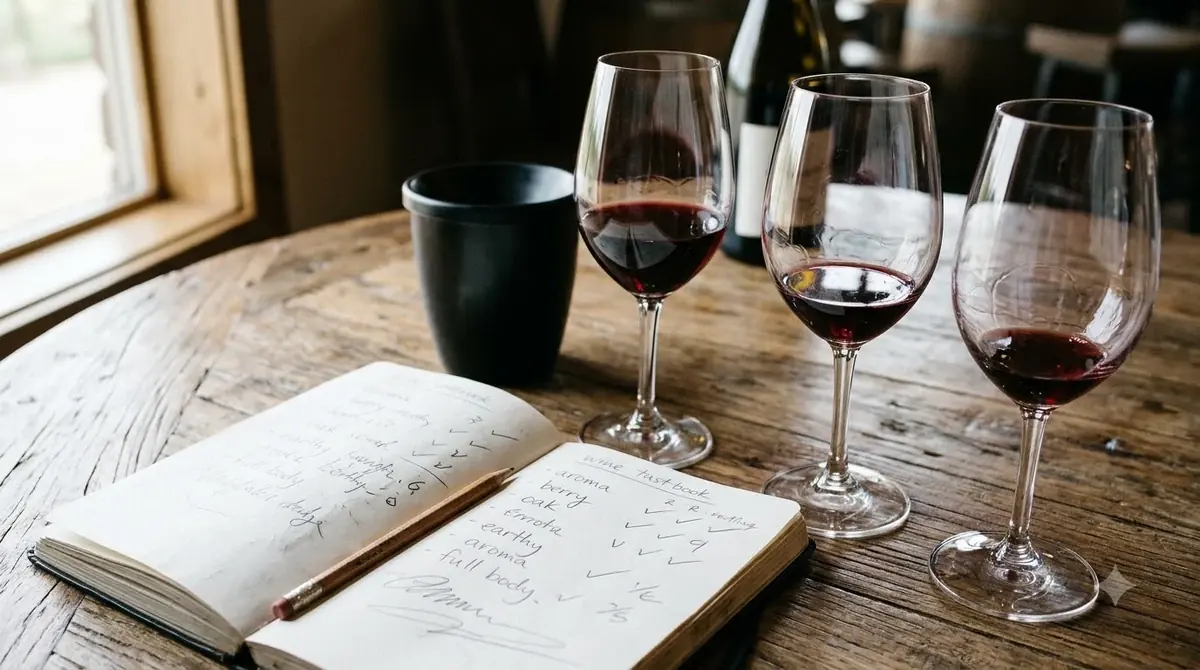
The body sits in the medium range. Wine Folly describes the wine as having medium body, medium tannins and medium-high acidity, with a velvety finish. For many readers that means the wine is more structured than a light Pinot Noir but softer than a big Cabernet Sauvignon. It is a practical choice for people who want a red with some grip but without the drying effect of very firm tannins.
If you are comparing bottles at a shop, look for words such as soft, velvety or medium-bodied on the label or the producer’s notes. These describe the same balance that the grape is known for, and they help you avoid bottles that have been pushed toward a heavier oak style.
Think about the occasion too. A medium-bodied red like Bobal suits a weeknight meal, a casual gathering with friends or a relaxed dinner where nobody wants a wine that dominates the table. It can also work as a bridge for people who usually drink white wine and want to try a red without committing to a very firm style.
Alcohol, Tannins and Acidity
Alcohol level and acidity shape how a wine feels with food and how it ages. Wine Folly lists Bobal at 11.5 to 13.5 percent alcohol by volume, which is moderate for a red wine. Medium-high acidity keeps the wine fresh, while medium tannins give it structure without strong grip. Those numbers help explain why Bobal works at the table with a wider range of dishes than many big reds.
| Feature | Bobal wine | What it means at the table |
|---|---|---|
| Style | Dry red | Savory and fruity rather than sweet |
| Body | Medium | Lighter than a big Cabernet, more structure than a light red |
| Tannins | Medium, soft | Gentle grip, easy with roasted or grilled dishes |
| Acidity | Medium-high | Keeps the wine fresh with richer food |
| Alcohol | 11.5 to 13.5 percent ABV | Moderate level for a red |
Tip: Bobal is less tannic than many reds, so it tends to taste softer when it is slightly cool. Let it sit out for a short time before pouring if it feels closed.
How to Serve and Age Bobal Wine
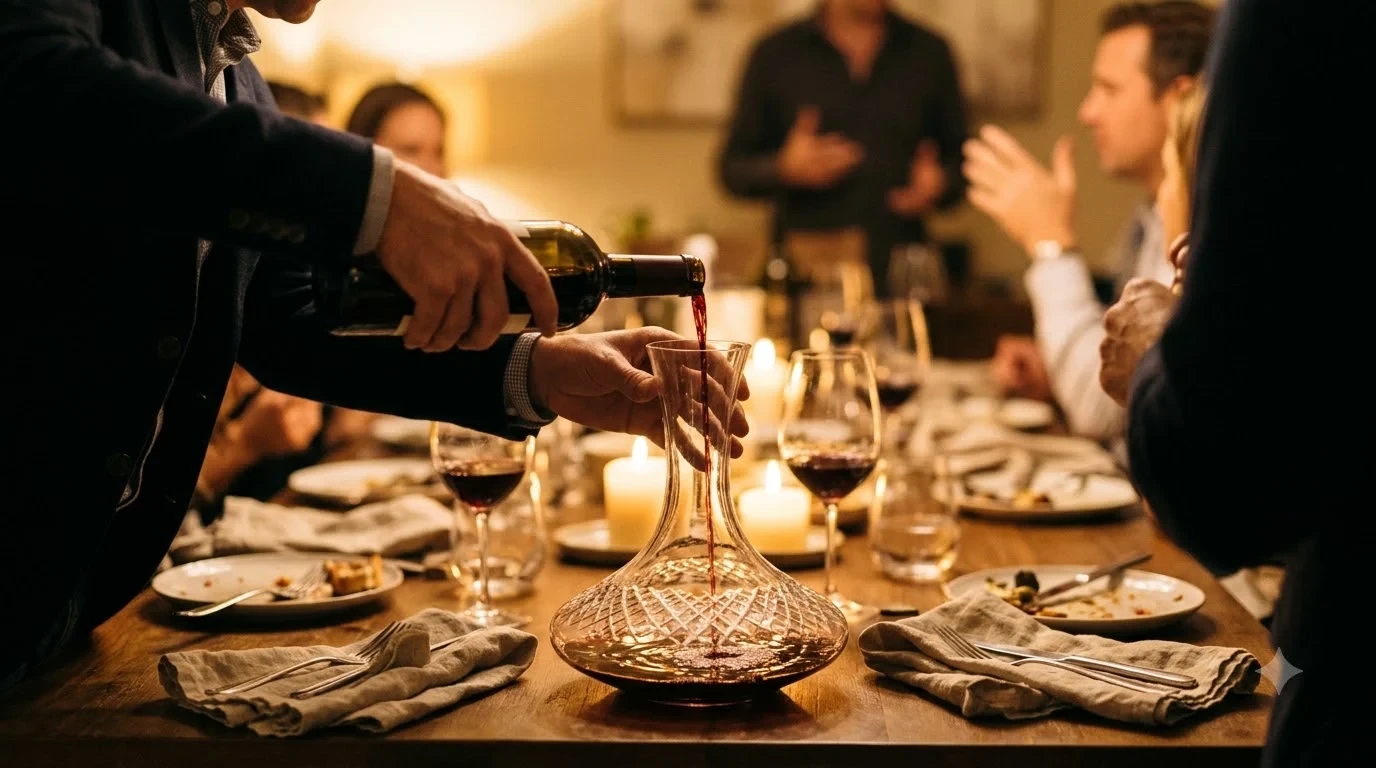
Wine Folly recommends serving Bobal at 60 to 68 degrees Fahrenheit, or 15 to 20 degrees Celsius, in a universal wine glass. That range lets the fruit show without letting the alcohol feel too strong. Decanting for about 30 minutes is also suggested, which helps the aromas open and softens any firmness in young bottles.
If you do not own a decanter, pouring the wine into a large glass and letting it sit for a short time achieves a similar effect. Swirl the glass gently and taste as the wine opens. The fruit and the savory notes usually become clearer as the bottle breathes, so it is worth tasting a sip before the meal and again after twenty or thirty minutes.
On aging, the same guide says the wine can be cellared for five to 10 years. Most bottles are meant to be enjoyed within a few years of release, but a well-made example can develop more depth with time. If you buy a bottle to keep, check the producer’s notes on the expected drinking window, since not every wine is built for long aging.
Food Pairings for Bobal Wine
Bobal’s medium body and fruit make it a good match for poultry, especially dishes with a sweet or tangy glaze. Wine Folly suggests orange chicken and roast chicken with a pomegranate molasses sauce, both of which pick up the wine’s fruit and give the savory notes something to work with.
The same guide recommends cooking with real fruit when you use Bobal in a recipe, since fruit-based sauces bring out the wine’s own berry and pomegranate character. Roasted vegetables, mushroom dishes and mild aged cheeses are also reasonable choices at a casual meal. Very spicy food can overwhelm the wine, so start with a moderate heat level and adjust from there.
For a simple board, pair Bobal with cured meats, roasted nuts and a few mild cheeses. The wine’s medium tannins handle the fat and salt of cured meat well, and the dark fruit complements nuts. A plate built this way lets the wine show its range without requiring a complicated menu.
Frequently Asked Questions
Is Bobal wine dry or sweet?
Bobal is described as a dry red wine. The fruit flavors come from the grape itself rather than from residual sugar, so most bottles taste savory and fresh rather than sweet.
What does Bobal wine taste like?
Common notes include blackberry, pomegranate, licorice, black tea and cocoa powder. The wine is medium-bodied with soft tannins and a velvety finish.
Should Bobal wine be chilled?
It is best served slightly below room temperature, in the range of about 15 to 20 degrees Celsius. A short time in the fridge before pouring is usually enough if the bottle feels warm.
How long can you keep Bobal wine?
Wine Folly suggests cellaring for five to 10 years. Most bottles are meant to be drunk sooner, so check the producer’s notes on the drinking window before you buy a bottle to keep.
Bobal is a practical red for anyone who wants fruit, structure and a moderate alcohol level in one bottle. Start with a medium-bodied bottle from a reputable Spanish producer, serve it at the suggested temperature, and try it with roast chicken or a fruit-based sauce. For more about red styles, for a fuller-bodied option, see the cabernet sauvignon carbs guide, and for a red from a very different family, the black muscat wine guide is a useful read. The wine by type section is a good place to see how these styles fit together.
Grape reference used for this guide: Wine Folly on Bobal.
More in Wine Types & Grapes
 Zinfandel Sugar Content: Dry Red vs. White Zinfandel GramsUpdated Nov 21, 2026
 Best Zinfandel Substitute Options for Sipping and CookingUpdated Nov 21, 2026
 Zweigelt Food Pairing: Best Dishes, Cheeses, and Serving TipsUpdated Nov 21, 2026
 Zinfandel Tannins Explained: How Structure Shapes Every BottleUpdated Nov 21, 2026
 Zinfandel Sweetness Level: Dry Red vs. Sweet White Zin ExplainedUpdated Nov 21, 2026
 Xinomavro Food Pairing: Best Dishes, Styles, and Serving TipsUpdated Nov 21, 2026