

We may earn a commission when you buy through links on this page, at no extra cost to you. Learn more.
The ferrari carano wine price typically ranges from about $15 to $35 for many standard bottles, while reserve wines and special vineyard selections can cost considerably more. Ferrari-Carano offers Sonoma County Sauvignon Blanc, Chardonnay, Cabernet Sauvignon, Merlot, Sangiovese, and other wines at several price levels. The right bottle depends on your preferred grape, the occasion, and whether you want an everyday wine or a more distinctive reserve selection.
Ferrari-Carano is an established Sonoma County winery with a portfolio that covers approachable whites, structured reds, and premium bottlings. Its Fumé Blanc is a recognizable entry point, while its Reserve Chardonnay, Reserve Cabernet Sauvignon, and Trésor offer options for shoppers looking at higher price brackets. Understanding the differences between these wines makes it easier to choose a bottle that delivers the style and experience you expect without paying more than necessary.
Who This Is For: Ferrari-Carano Wine Buyers
Ferrari-Carano appeals to shoppers who want California wines with recognizable grape varieties, a range of regional expressions, and choices for both everyday meals and special occasions. Its standard Fumé Blanc, Chardonnay, and Cabernet Sauvignon provide accessible starting points, while reserve and vineyard-designated wines serve buyers interested in more specialized selections.
The winery was founded by Don and Rhonda Carano in 1981. Its history is closely associated with Northern Sonoma County, particularly Dry Creek Valley and Alexander Valley. The winery’s first two labeled releases were a 1986 Fumé Blanc and a 1985 Alexander Valley Chardonnay, establishing two wine styles that remain central to its portfolio.
This range makes the brand relevant to several kinds of wine buyers:
- Everyday wine drinkers: Shoppers looking for a Sauvignon Blanc, Chardonnay, Merlot, or Cabernet Sauvignon to serve with ordinary meals can start with the standard collection.
- White wine enthusiasts: Buyers who enjoy fresh, fruit-forward Sauvignon Blanc or richer Chardonnay have several options, including reserve and vineyard-designated bottlings.
- Red wine drinkers: Cabernet Sauvignon, Merlot, Sangiovese, and Trésor provide different levels of tannin, body, and complexity.
- Gift buyers: Reserve wines and premium selections can make more distinctive gifts than an everyday bottle.
- Sonoma wine explorers: Those interested in regional differences can compare wines associated with Dry Creek Valley, Alexander Valley, Russian River Valley, and Carneros.
Buyers should also understand that Ferrari-Carano is not a single-style winery. A fresh Sauvignon Blanc and a structured Cabernet Sauvignon serve very different purposes, even though they share the same producer name. Someone who enjoys crisp white wines may find the standard Fumé Blanc a more suitable purchase than an expensive mountain-grown red.
For a broader introduction to the producer’s portfolio, the Ferrari Carano wine overview provides another useful starting point. Shoppers comparing several producers can also explore our guide to Wine Brands before deciding which bottle to buy.
Key Factors to Compare: Bottle Prices, Grapes, and Regions
The most useful comparison is between the wine’s grape variety, production level, and regional origin. A standard Fumé Blanc, a Reserve Chardonnay, and a mountain-grown Cabernet Sauvignon occupy different positions in the portfolio, so comparing their prices without considering their styles can lead to the wrong purchase.

Ferrari-Carano’s online shop provides a useful reference for its current portfolio, while large retailers show how prices can differ across markets. The following figures are approximate US retail ranges for 750 ml bottles, not guaranteed prices or permanent price points.
| Wine or category | Typical US price range | What to expect |
|---|---|---|
| Standard Fumé Blanc | About $9–$20 | Fresh Sauvignon Blanc with bright fruit and acidity |
| Standard Chardonnay | About $15–$30 | Versatile California white wine |
| Standard Merlot | About $20–$35 | Softer red wine with moderate tannin |
| Standard Cabernet Sauvignon | About $20–$35 | Fuller-bodied red with more structure |
| Siena | About $20–$30 | Italian-inspired red blend |
| Reserve Fumé Blanc | About $35–$45 | Premium Sauvignon Blanc selection |
| Reserve Chardonnay | About $30–$50 | More specialized Chardonnay selection |
| Reserve Cabernet Sauvignon | About $45–$80 | Premium structured red wine |
| Trésor | About $45–$65 | Premium red blend |
| PreVail selections | About $100–$120 | Higher-priced mountain wine selections |
These ranges are rounded estimates based on the Ferrari-Carano winery shop and Total Wine’s displayed retail listings; individual vintages, availability, and retailer pricing can change, and prices vary by state and retailer. The winery’s shop lists standard Fumé Blanc at the lower end of its portfolio, with Cabernet Sauvignon, Reserve Chardonnay, Reserve Cabernet Sauvignon, and PreVail selections occupying progressively higher price levels. See the Ferrari-Carano official wine shop for its portfolio and current listed offerings.
Several factors explain the differences between these categories.
1. Grape variety
The grape determines much of the wine’s basic character. Sauvignon Blanc typically has pronounced acidity and fresh citrus or tropical fruit flavors. Chardonnay generally has medium acidity and can range from crisp and restrained to fuller-bodied and creamy. Cabernet Sauvignon is more structured, with higher tannin, while Merlot is usually softer and more approachable.
2. Vineyard origin
Ferrari-Carano sources grapes from several Sonoma County growing areas and other California vineyard locations. Its Fumé Blanc draws from seven estate vineyards across Dry Creek, Alexander, and Russian River Valleys. The winery also identifies its Reserve Chardonnay as primarily sourced from its Carneros ranch, complemented by selected Alexander Valley lots.
3. Production level
Standard, reserve, and vineyard-designated wines should not be treated as interchangeable categories. Reserve bottlings can involve different vineyard selections and winemaking decisions. For example, Ferrari-Carano’s Russian River Valley Chardonnays are single-vineyard-designated wines, while its Sonoma County Chardonnay combines fruit from multiple estate vineyards, clones, and selections.
4. Vintage and availability
Different vintages can appear at different retailers and price levels. A store may carry an older vintage at a different price from the winery’s current release. Limited availability can also make a particular vineyard-designated wine harder to find than the standard collection.
For a fair comparison, use the same bottle size, grape variety, and general wine category. Comparing a standard 750 ml Sauvignon Blanc with a premium reserve Cabernet Sauvignon does not tell you whether one represents better value than the other.
Step-by-Step: How to Choose the Right Ferrari-Carano Bottle
A practical buying process starts with the occasion and preferred wine style, then narrows the choices by price and origin. Five steps are enough to identify a suitable bottle without getting distracted by the number of wines in the collection.
-
Decide between red and white wine.
Start with the meal or the people who will drink the wine. Fumé Blanc and Chardonnay are useful choices for white wine drinkers, while Cabernet Sauvignon, Merlot, and Sangiovese provide red wine alternatives. Dry Sangiovese Rosé is another option for shoppers who prefer a refreshing pink wine.
-
Choose a grape variety that matches your taste.
Choose Sauvignon Blanc if you enjoy fresh citrus and tropical fruit, or Chardonnay if you prefer a rounder white wine. For reds, Cabernet Sauvignon suits drinkers who enjoy stronger tannins and structure, whereas Merlot generally provides a softer experience. Sangiovese offers another direction, particularly for people who enjoy Italian-style food pairings.
-
Set your spending range.
Consider whether the bottle is intended for a casual dinner, a celebration, or a gift. A standard Fumé Blanc or Chardonnay can be a sensible everyday purchase, while Reserve Chardonnay, Trésor, and PreVail wines offer higher-priced alternatives. There is little reason to buy a premium selection if its style does not suit the person drinking it.
-
Compare the vineyard designation and wine tier.
Look at whether the wine is labeled Sonoma County, Dry Creek Valley, Russian River Valley, Alexander Valley, or Carneros. A regional designation and a single-vineyard designation provide different information about origin. Also distinguish a standard bottle from a reserve or other premium selection.
-
Check the vintage, bottle size, and final retail cost.
Confirm that the retailer is offering the intended vintage and a standard 750 ml bottle if that is what you want. Compare the final price across retailers, including applicable taxes and shipping. This is particularly useful when a winery’s current release differs from the vintage stocked at a local wine store.
These steps also help prevent a common buying mistake: assuming the most expensive bottle is automatically the most appropriate choice. A moderately priced white wine can be a much better match for a seafood dinner than a premium Cabernet Sauvignon, regardless of its position in the collection.
Tip: If you are buying Ferrari-Carano for the first time, start with a standard Fumé Blanc or Chardonnay if you prefer white wine, or a standard Merlot or Cabernet Sauvignon if you prefer red. Once you know which style you enjoy, compare its reserve counterpart rather than jumping directly to the most expensive selection.
Types and Styles Explained: Standard, Reserve, and Premium Wines
Ferrari-Carano’s collection covers several distinct wine styles, from refreshing Sauvignon Blanc to fuller-bodied mountain reds. Understanding the difference between the major categories is more useful than choosing a bottle based on its label or price alone.
Fumé Blanc and Sauvignon Blanc
Fumé Blanc is one of Ferrari-Carano’s signature wines and has been part of its portfolio since the winery’s earliest releases. It is made from Sauvignon Blanc grapes, primarily sourced from Sonoma County.
The winery describes its 2024 Fumé Blanc as crisp and fruit-forward, with aromas of guava, apricot, and lychee and flavors that include pineapple, mango, peach, and lemon cream. Its published wine information lists 13.9% alcohol by volume, 5.53 g/L acidity, and a pH of 3.48.
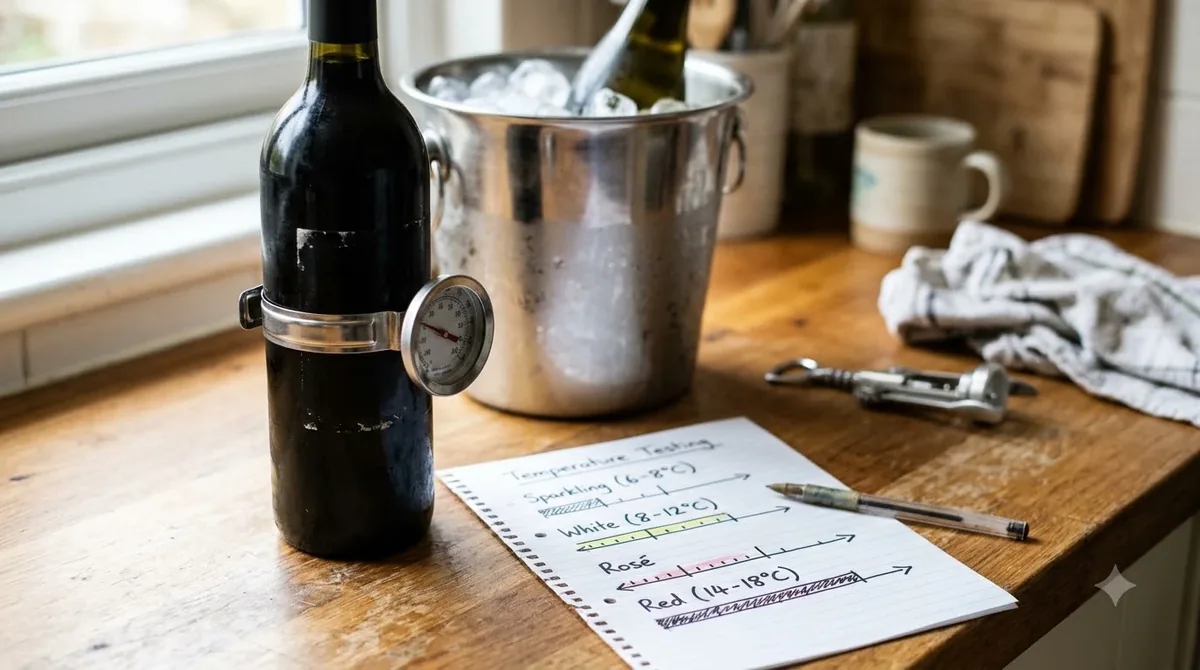
This is a useful choice for people who enjoy refreshing whites with lively acidity. It pairs naturally with seafood, grilled chicken, salads, and dishes featuring fresh herbs. Serve it around 45–50 degrees Fahrenheit to preserve its freshness.
Buyers looking for a more specialized expression can compare the standard wine with the Reserve Fumé Blanc. The reserve selection is a separate premium offering, so the difference is not simply a larger bottle or a different label. More details about the standard bottling are available in our Ferrari Carano Fumé Blanc overview.
Chardonnay
Ferrari-Carano Chardonnay offers an alternative for shoppers who prefer a fuller white wine. The winery’s Sonoma County Chardonnay combines grapes from different estate vineyards, clones, and selections. Its Reserve Chardonnay has a different sourcing approach, relying primarily on the winery’s Carneros ranch with additional selected lots from Alexander Valley.
Chardonnay’s medium acidity makes it flexible at the dinner table. Depending on the wine’s texture and preparation, it can work with roast chicken, creamy pasta, grilled salmon, and dishes featuring mushrooms. Serve a fuller-bodied Chardonnay around 50–55 degrees Fahrenheit rather than extremely cold.
Shoppers should also distinguish the standard Chardonnay from the winery’s Russian River Valley Chardonnay selections. The latter are identified as single-vineyard-designated wines, offering a more specific sense of vineyard origin.
Cabernet Sauvignon and Merlot
Cabernet Sauvignon is a natural choice for buyers who enjoy structured California red wine. Its relatively high tannin level makes it suitable for dishes such as grilled steak, beef short ribs, and lamb. Merlot provides a softer alternative with medium tannin, making it easier to pair with a wider range of everyday meals.
Ferrari-Carano’s standard Cabernet Sauvignon and Reserve Cabernet Sauvignon occupy different price levels. Buyers should compare the intended occasion and desired structure rather than assuming that both wines will provide the same drinking experience. The standard Merlot is another option for people who want a red wine without the stronger tannic character commonly associated with Cabernet Sauvignon.
For a more focused discussion of the winery’s red selections, see our Ferrari Carano red wine overview.
Sangiovese, Siena, and Trésor
Ferrari-Carano also produces wines that offer alternatives to the familiar Cabernet Sauvignon and Chardonnay categories. Sangiovese provides an Italian grape variety, while Siena and Trésor give shoppers additional options within the red wine collection.
Sangiovese generally has noticeable acidity, making it a useful companion for tomato-based pasta, pizza, roasted vegetables, and Italian-inspired meals. Siena offers another Italian-inspired direction in the portfolio. Trésor is a premium red blend that suits buyers looking for something different from a single-variety Cabernet Sauvignon.
Reserve and PreVail selections
Reserve and PreVail wines are appropriate choices for shoppers exploring the upper end of the producer’s range. These selections include Reserve Fumé Blanc, Reserve Chardonnay, Reserve Cabernet Sauvignon, and mountain wine offerings such as PreVail Back Forty, PreVail West Face, and PreVail Lookout Tree.
Ferrari-Carano explains that its red wines are produced at the Mountain Winery on RockRise Mountain on the eastern side of Alexander Valley, at approximately 1,000 feet of elevation. The winery describes the vineyard fruit as small-berried and concentrated in flavor. This provides useful context for buyers considering its premium red wine selections.
The important distinction is that premium pricing reflects a different selection and production category. It does not guarantee that every buyer will prefer the taste over a standard bottle.
Common Mistakes When Comparing Ferrari-Carano Wine Prices
Price comparisons can become misleading when buyers overlook vintage differences, vineyard designations, or wine styles. A few straightforward checks help prevent unnecessary spending and make the purchase more consistent with personal preferences.
Comparing different wine categories
A common mistake is comparing a standard Fumé Blanc directly with Reserve Cabernet Sauvignon. These wines differ in grape variety, structure, production category, and intended use. A more useful comparison would be standard Fumé Blanc against Reserve Fumé Blanc, or standard Cabernet Sauvignon against Reserve Cabernet Sauvignon.
The same principle applies to Chardonnay. A standard Sonoma County bottle and a Russian River Valley single-vineyard selection are not necessarily comparable simply because they share the Chardonnay name.
Assuming every retailer has the same price
Retail prices depend on location, availability, inventory, and the particular vintage offered. A large retailer may display a different price from the winery’s own online shop. Some retailers also apply quantity-based pricing, which can make a six-bottle purchase appear cheaper per bottle.
For example, Total Wine’s listings distinguish standard 750 ml bottles and show separate prices for Fumé Blanc, Chardonnay, Cabernet Sauvignon, and Merlot. Those displayed prices should be treated as retailer-specific information rather than a universal market price.
Ignoring vintage differences
Different vintages can have different tasting profiles and availability. A retailer might carry a previous vintage while the winery has already introduced a newer release. This is especially relevant when comparing standard and reserve bottlings that may not be available from the same production year.
When the vintage matters to your purchase, compare bottles from the same year whenever possible. Otherwise, consider whether you are comfortable buying a different release based on the general style of the wine.
Buying a premium wine for the wrong occasion
More expensive does not always mean more appropriate. A premium Cabernet Sauvignon may be an excellent choice for a steak dinner, but it is unlikely to be the best match for a light seafood lunch. Similarly, a fresh Fumé Blanc can be a more useful choice for an outdoor meal than a substantial red blend.
Match the wine to the food and the people drinking it. Acidity works particularly well with acidic foods, while salt and fat can soften the perception of tannin in red wines. Very spicy dishes can make wines with high alcohol and tannin seem more aggressive.
Overlooking bottle size
Most of the standard retailer listings are for 750 ml bottles, but premium and specialty selections can have different formats. Ferrari-Carano’s shop, for example, also lists a 375 ml Eldorado Noir. Comparing the displayed cost of a half bottle with a standard bottle can create a misleading impression of value.
Always compare equivalent bottle sizes and account for the number of servings you need. A standard 750 ml bottle provides approximately five servings when poured at 5 ounces each.
Care and Storage Tips for Ferrari-Carano Wines
Proper storage and serving temperatures help preserve the wine’s intended character. Whether you choose a standard Fumé Blanc, Reserve Chardonnay, or Cabernet Sauvignon, consistent storage conditions are more important than elaborate equipment.
Store unopened bottles correctly
Keep unopened wine in a cool, dark place near 55 degrees Fahrenheit, away from direct sunlight and strong temperature fluctuations. Bottles with traditional cork closures are best stored on their sides to help keep the cork from drying out.
Avoid placing wine beside ovens, radiators, sunny windows, or other heat sources. Excessive heat can damage wine, while repeated temperature changes can negatively affect its development. A dedicated wine refrigerator is useful if you regularly keep several bottles at home.
Serve whites and reds at suitable temperatures
Ferrari-Carano’s whites and reds benefit from different serving temperatures. Fumé Blanc is generally best served around 45–50 degrees Fahrenheit, while a fuller Chardonnay is better around 50–55 degrees Fahrenheit.
For red wine, lighter styles such as Merlot can be served around 55–60 degrees Fahrenheit. Fuller-bodied Cabernet Sauvignon and structured red blends are generally better around 60–65 degrees Fahrenheit. Serving reds too warm can make alcohol seem more pronounced and reduce the impression of freshness.
Handle opened bottles carefully
Once opened, still wines generally keep for approximately three to five days in the refrigerator when properly resealed. Refrigeration slows oxidation, even for red wines. Remove a red wine from the refrigerator before serving and allow it to approach the appropriate temperature.
Use a suitable wine stopper to limit exposure to air. If the wine develops noticeably unpleasant aromas or flavors, it may no longer be enjoyable. The exact period of freshness depends on the wine, storage conditions, and amount of air left in the bottle.
Consider decanting structured reds
Young, full-bodied red wines can benefit from 30–60 minutes of decanting before serving. This can help soften the initial impression of a structured Cabernet Sauvignon and allow its aromas to become more expressive.
Decanting is optional rather than a requirement. A softer Merlot or a wine intended for immediate enjoyment may not need the same treatment. Taste and serving preference should guide the decision.
Choose food pairings that complement the wine
Fumé Blanc works well with grilled shrimp, oysters, white fish, fresh salads, and goat cheese. Chardonnay can accompany roast chicken, salmon, creamy pasta, and richer vegetable dishes.
Cabernet Sauvignon is a natural partner for grilled beef, lamb, and dishes with substantial protein and fat. Merlot can work with roast chicken, pork, mushroom dishes, and moderately rich pasta. Sangiovese is particularly suitable for tomato-based Italian dishes because its acidity can complement the acidity in the food.
These pairing principles help ensure that the bottle’s style matters more than its position in the price range. A well-matched standard wine can provide a more satisfying dinner than an expensive selection that clashes with the meal.
Frequently Asked Questions
Is Ferrari-Carano an Italian wine brand?
No. Ferrari-Carano is a California winery based in Sonoma County, although its founders, Don and Rhonda Carano, were second-generation Italian-Americans. Its portfolio includes Italian-inspired wines such as Sangiovese and Siena, but its principal winegrowing identity is Californian.
Where is the Ferrari-Carano tasting room located?
The winery’s Villa Fiore Wine Shop and Tasting Room is located at its Estate Winery in Dry Creek Valley. The address published by Ferrari-Carano is 8761 Dry Creek Road, Healdsburg, California 95448. Visitors should confirm appointment requirements and current operating hours before traveling.
Does Ferrari-Carano make wine from estate-grown grapes?
Yes. The winery describes its Fumé Blanc as drawing from seven estate vineyards across Dry Creek, Alexander, and Russian River Valleys. Its vineyard portfolio also includes properties used for Chardonnay and red wine production, with individual lots kept separate before blending.
What does Fumé Blanc mean on a Ferrari-Carano label?
Fumé Blanc is a name associated with Sauvignon Blanc, rather than a separate grape variety. Ferrari-Carano identifies its Fumé Blanc as Sauvignon Blanc and describes the wine as crisp and fruit-forward. The label therefore indicates the grape style, not a different grape from Sauvignon Blanc.
Does Ferrari-Carano produce wine outside Sonoma County?
Yes. Its portfolio includes wines associated with several California appellations, as well as a Friuli Grave Pinot Grigio from Italy. The winery also identifies Carneros as an important source for its Reserve Chardonnay. Consequently, the brand name alone does not mean every bottle has exactly the same geographic origin.
Ferrari-Carano offers a broad range of California wines, with approachable standard bottlings and more specialized reserve selections. For most shoppers, beginning with a preferred grape variety and comparing equivalent wine tiers is the simplest way to find a suitable bottle. Whether you choose its refreshing Fumé Blanc, versatile Chardonnay, or structured Cabernet Sauvignon, the best purchase is the one that fits your taste, meal, and spending range.
More in Wine Brands
 Underwood Wine Price: Compare Bottles, Cans, and Pack SizesUpdated Nov 21, 2026
 Zenato Wine Price: Compare Styles and Choose the Right BottleUpdated Nov 21, 2026
 Zuccardi Wine Price: Compare Bottles and Find the Right RangeUpdated Nov 21, 2026
 Yellow Tail Moscato Review: Taste, Sweetness and Serving TipsUpdated Nov 21, 2026
 Wolf Blass Yellow Label Review: Choose Your Best StyleUpdated Nov 21, 2026
 Wolffer Estate Rose Review: Choose the Right Bottle for Your TableUpdated Nov 21, 2026