

We may earn a commission when you buy through links on this page, at no extra cost to you. Learn more.
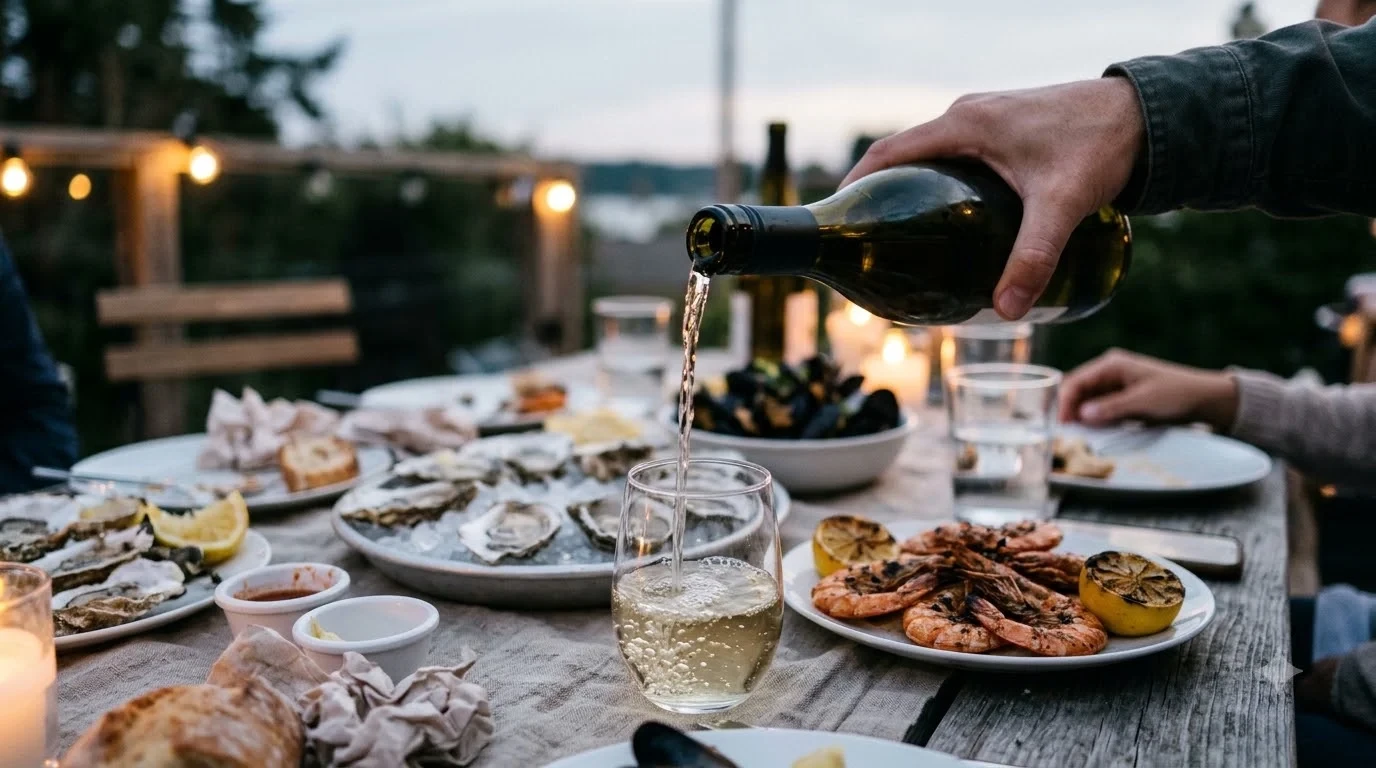
Ferrari Carano Fume Blanc is a Sauvignon Blanc from Sonoma County, made in a crisp, fruit-forward style that suits warm-weather meals. The winery’s own tasting notes describe guava, apricot and lychee on the nose, opening into pineapple, mango, peach and lemon cream. Most people serve it well chilled alongside light dishes such as ricotta crostini, herb pasta or fresh seafood.
If you have seen this bottle on a restaurant list or a grocery shelf and wondered what to expect, this guide covers what the label means, how the wine tastes according to the producer and outside reviewers, how to serve it, and which foods bring out its best. It also explains where it fits among other Sonoma whites.
What Fume Blanc means on the label
Fume Blanc is a name for a style of white wine made from Sauvignon Blanc, not a separate grape. The term is most often associated with California producers, and it signals a wine that is dry and usually lighter in oak than a barrel-aged Chardonnay. Wine Folly’s sauvignon blanc guide mentions the related Loire wine Pouilly-Fume, which it describes as slightly softer and richer than Sancerre, and notes that the same grape can show very different personalities depending on how it is grown and handled.
So when you pick up a Fume Blanc, the useful question is not whether it is a different grape but what style the winemaker chose. In this bottle’s case, the producer’s notes point toward a bright, aromatic white rather than a rich, toasty one.
Ferrari-Carano’s style at a glance
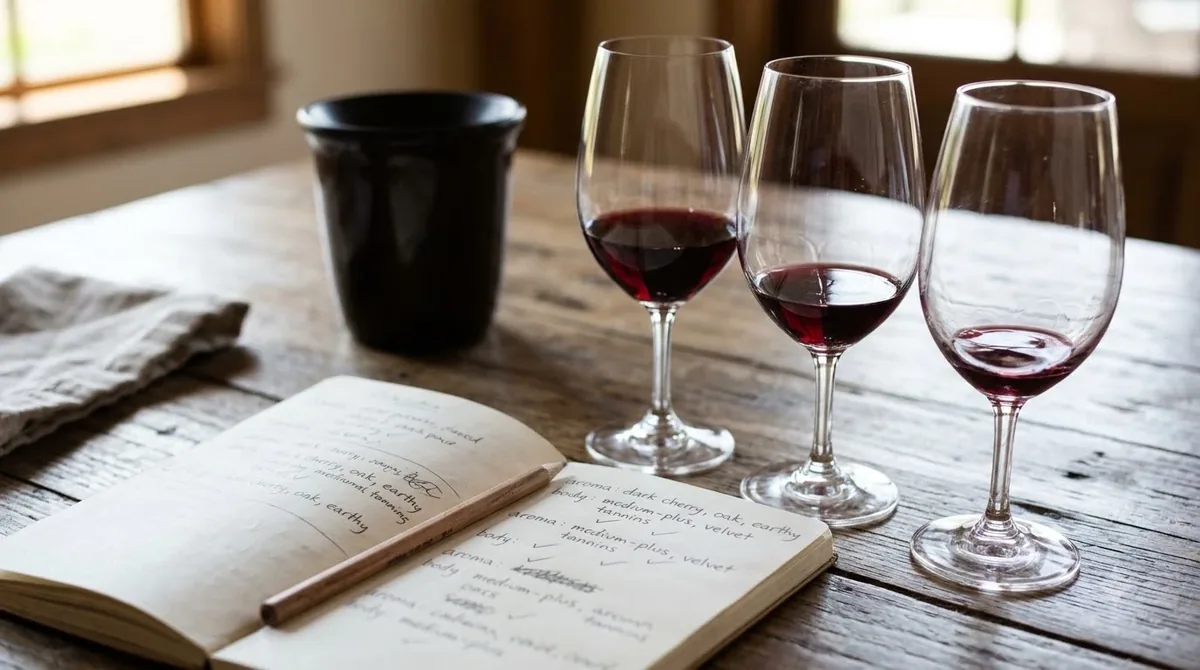
Ferrari-Carano’s own page for this wine lists the origin as Sonoma County, with the fruit grown mainly in the county. The winery describes the bottle as one of the first two wines it ever made, which gives it a long-standing place in the producer’s lineup. The page also gives the analytical numbers for the current release, including 13.9% alcohol, 5.53 g/L total acidity and a pH of 3.48. Acidity at that level is one reason the wine tastes fresh rather than flabby.
Reviewers also weigh in. James Suckling gave the wine 92 points, and his notes, as quoted on the winery’s page, describe aromas of grapefruit, lemon pith and flint, with a light-bodied palate of melon, apricot and papaya. The producer’s own description leans more toward tropical and stone fruit, which is a useful reminder that the same bottle can read differently to different tasters.
| Detail | What the sources say |
|---|---|
| Grape | Sauvignon Blanc, mainly from Sonoma County |
| Alcohol | 13.9% (producer data sheet) |
| Acidity and pH | 5.53 g/L and 3.48 (producer data sheet) |
| Aromas (producer) | Guava, apricot, lychee |
| Flavors (producer) | Pineapple, mango, peach, lemon cream |
| Aromas (reviewer) | Grapefruit, lemon pith, flint (James Suckling, 92 points) |
How this style is usually made
Ferrari-Carano’s page does not describe its oak use or fermentation method, so it is not possible to say from that source alone how this specific bottle was handled. What the general sauvignon blanc literature does describe is useful context. VinePair’s Sauvignon Blanc primer, for example, notes that the grape is hardly ever aged in oak, so winemakers tend to highlight its bright, fruity character instead. Wine Folly adds that oaked versions are rounder and more lush, with creamy or waxy aromas and an oily texture.
When a Fume Blanc is labeled as such, the producer is often signaling a fresh, unoaked or lightly oaked approach. That matches the crisp, fruit-led profile the winery describes, but check the back label or the producer’s technical sheet if you need the exact winemaking details for a particular vintage.
How to serve Ferrari Carano Fume Blanc
Serving temperature makes a noticeable difference with crisp whites. Wine Folly’s guide to sauvignon blanc recommends serving the grape at 45 to 55°F (7 to 12°C) in a white wine glass. A bottle straight from a cold room will taste tight and sharp, while one left on the counter for an hour can lose its lift and show more alcohol. Pull it from the fridge about 15 to 20 minutes before pouring if it has been in a very cold spot.
Decanting is not needed. The wine is meant to be enjoyed for its fresh fruit and acidity, so the best approach is to open it and pour. The producer describes the wine as perfect for spring and summer dining al fresco, which is a fair guide to when it shines. Because its character is so bright and fruity, most people drink it young rather than holding it for years.
Food pairings that work with the wine
The winery’s own pairing suggestions lean toward dishes with soft cheese, herbs and a little sweetness or nut. Its ricotta crostini with balsamic and toasted pecans layers sweet, savory and nutty flavors that the wine can match. Its whipped ricotta pesto pasta with pistachios, basil and roasted tomatoes is another example, and the producer says the wine makes the dish brighter.
Wine Folly’s sauvignon blanc guide points to a wider range of matches. Herb-driven sauces over chicken, tofu or fish all suit the wine, as do soft goat cheese, burrata and fresh mozzarella. Herb-forward Thai or Vietnamese cooking is another strong option, because the wine’s acidity and green herb notes sit well with fresh basil, mint and lime. Asparagus, green peas and zucchini also pair well, especially when they are lightly cooked.
Tip: Match the sauce, not just the protein. A lemony or herb-based dressing will keep the wine lively, while a heavy cream sauce will mute its fruit.
Who this wine suits
Ferrari Carano Fume Blanc is a good fit for people who like crisp, aromatic whites with plenty of fruit and clean acidity. It works for patio sipping, for lighter meals and for guests who find heavy, oaky Chardonnay too rich. Its fruit-forward style also makes it approachable for those who are still learning about wine, since the flavors are easy to recognize.
It may be less satisfying for drinkers who want the toasty, buttery notes that barrel aging can bring to a white wine. If that is your preference, a more oak-influenced Sauvignon Blanc or a barrel-fermented Chardonnay will likely feel more familiar. For a guide to the wider family of brands and styles, the wine brands guide is a good next stop.
Frequently Asked Questions
Is Ferrari Carano Fume Blanc the same as Sauvignon Blanc?
Yes, in the sense that the wine is made from the Sauvignon Blanc grape. Fume Blanc is a style name that points to a dry, often lightly oaked version of the grape, so the bottle sits within the wider Sauvignon Blanc family.
What does Ferrari Carano Fume Blanc taste like?
The producer describes guava, apricot and lychee aromas, with pineapple, mango, peach and lemon cream on the palate. A reviewer quoted on the winery’s page noted grapefruit, lemon pith and flint, so expect a crisp, fruity white with good acidity.
How should I serve Ferrari Carano Fume Blanc?
Serve it well chilled, roughly 45 to 55°F, in a white wine glass. No decanting is needed. Open it and pour, and drink it while it is fresh.
What foods go well with Fume Blanc?
Soft cheeses such as ricotta, goat cheese and burrata are natural partners, along with herb-based sauces, chicken, fish and fresh vegetables like asparagus. The winery’s own recipes include ricotta crostini and a pistachio pesto pasta.
Ferrari Carano Fume Blanc is a bright, fruit-led Sonoma white that rewards simple cooking and warm weather. If you want to see how the winery’s other bottles compare, the Ferrari Carano wine guide covers the rest of the range, and the Merry Edwards Sauvignon Blanc page is a useful comparison for another take on the grape.
More in Wine Brands
 Underwood Wine Price: Compare Bottles, Cans, and Pack SizesUpdated Nov 21, 2026
 Zenato Wine Price: Compare Styles and Choose the Right BottleUpdated Nov 21, 2026
 Zuccardi Wine Price: Compare Bottles and Find the Right RangeUpdated Nov 21, 2026
 Yellow Tail Moscato Review: Taste, Sweetness and Serving TipsUpdated Nov 21, 2026
 Wolf Blass Yellow Label Review: Choose Your Best StyleUpdated Nov 21, 2026
 Wolffer Estate Rose Review: Choose the Right Bottle for Your TableUpdated Nov 21, 2026