

We may earn a commission when you buy through links on this page, at no extra cost to you. Learn more.
Erbaluce wine is a crisp, high-acid white wine made from an ancient indigenous grape grown almost exclusively in the Canavese hills of northern Piedmont, Italy. Best known under the Erbaluce di Caluso DOCG appellation, this versatile variety produces bone-dry still whites, traditional-method sparkling wines, and long-aged sweet passito dessert wines. Expect bright notes of green apple, lemon, white flowers, and crushed stone backed by a refreshing, slightly savory finish.
While Piedmont is famous around the globe for bold Nebbiolo reds like Barolo and Barbaresco, its northern alpine foothills hide one of Italy’s most compelling white grapes. Pronounced erb-bah-lou-chay, this variety thrives in glacial soils cooled by mountain breezes, offering wine drinkers a focused, mineral-driven alternative to more familiar Italian whites.
What It Is
Erbaluce is a rare, native white wine grape from northwestern Italy’s Piedmont region, prized by winemakers for its naturally thick skins and high acidity. Its name is widely believed to come from the Latin alba lux, meaning “white light,” a nod to the warm golden-amber hue the grapes develop as they ripen under the autumn sun.
Historical records trace the grape back to the early seventeenth century in the hills north of Turin, making it one of Piedmont’s oldest documented indigenous varieties. Because the grape retains sharp natural acidity even when fully ripe, local growers have long relied on it across multiple winemaking styles rather than confining it to a single category. According to Italian Wine Central, the wine earned DOC status in 1967 and was elevated to DOCG status—Italy’s highest quality tier—in 2010.
Unlike aromatic grapes such as Moscato or Gewürztraminer, Erbaluce has a restrained, subtle nose that leans toward orchard fruit, wildflowers, and wet stone rather than overt perfume. On the palate, however, it delivers brisk tension, moderate alcohol, and a clean, mouthwatering finish that keeps every sip lively. For readers exploring broader Wine by Type categories, Erbaluce sits comfortably alongside Chablis, Assyrtiko, and dry Riesling as a benchmark for acid-driven white wines.
Flavor and Styles
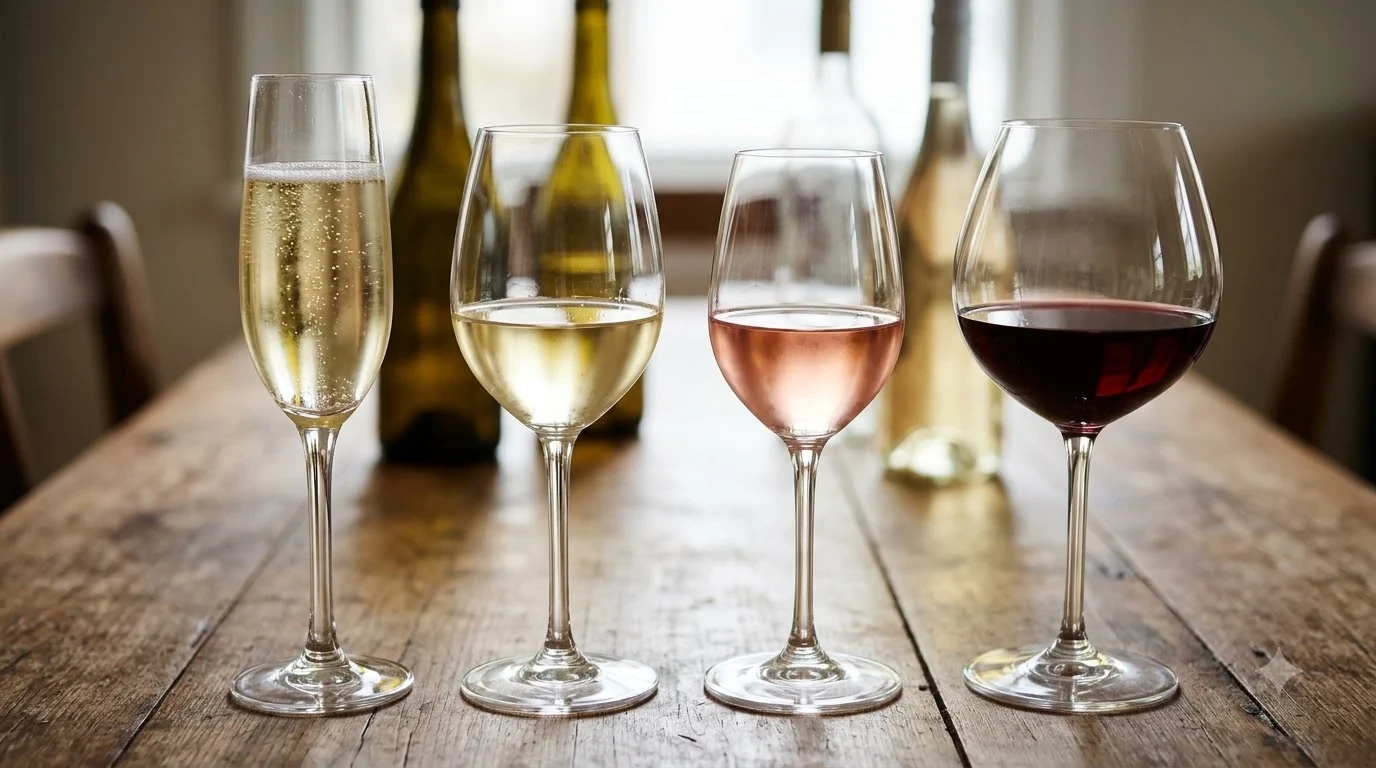
Erbaluce wine is crafted in three distinct official expressions under the Erbaluce di Caluso DOCG rules: still dry white (Bianco), traditional-method sparkling (Spumante), and sweet dried-grape wine (Passito). Each style highlights a different facet of the grape’s firm structure and bright citrus-and-stone-fruit profile.
In its classic still Bianco form, the wine is fermented in stainless steel to preserve pure, vibrant flavors of lemon peel, green apple, white peach, starfruit, and fresh herbs, often finishing with a faint, pleasant hint of bitter almond. Reviewers at Wine Folly note primary aromas of starfruit, gooseberry, white pepper, honeydew, and almond. Some producers age select lots on the fine lees or in neutral oak barrels, adding creamy texture, baked pear, and hazelnut notes without masking the grape’s natural zip.
The sparkling Spumante style undergoes a second fermentation in the bottle using the Metodo Classico—the same method used in Champagne—and must rest on its yeast lees for at least 15 months. The result is a fine-bubbled, bone-dry sparkling wine with aromas of hawthorn blossom, citrus zest, and toasted bread crust. At the opposite end of the spectrum, Passito wines are made by air-drying harvested clusters in ventilated lofts for months until the berries shrivel and concentrate their sugars. Aged for a minimum of three years (or four years for Riserva), Passito balances rich flavors of dried apricot, wildflower honey, and roasted nuts against piercing acidity, much like recioto wine from Veneto.
| Style | Sweetness Level | Minimum Alcohol | Aging Requirement | Key Flavor Notes |
|---|---|---|---|---|
| Erbaluce di Caluso Bianco | Dry | 11.0% ABV | None required (often released young) | Lemon, green apple, white flowers, wet stone, bitter almond |
| Erbaluce di Caluso Spumante | Dry (Brut / Extra Brut) | 11.5% ABV | Minimum 15 months on lees (Metodo Classico) | Citrus pith, white peach, hawthorn, bread crust, chalk |
| Erbaluce di Caluso Passito | Sweet | 12.5% ABV (17.0% potential) | Minimum 36 months (48 months for Riserva) | Dried apricot, wildflower honey, candied orange, toasted hazelnut |
Where It Grows
Almost all commercial plantings of Erbaluce are concentrated in the Canavese area of northern Piedmont, situated between the city of Turin and the foothills of the Valle d’Aosta Alps. Total vineyard area for the Erbaluce di Caluso DOCG remains small at roughly 300 acres, keeping production limited and focused on local estates.
The landscape here was shaped by ancient retreating glaciers that left behind rolling morainic hills composed of sand, gravel, silt, and glacial stones. These well-drained, mineral-rich soils sit at elevations between 660 and 1,640 feet above sea level, surrounding glacial lakes such as Lago di Viverone and Lago di Candia. Warm daytime sunlight reflects off the water and stones to help the grapes ripen, while cool alpine winds sweep down from the mountains at night to lock in crisp acidity.
To manage the grape’s vigorous growth and shield clusters from summer hail or harsh sun, local growers traditionally train vines on high overhead pergolas known locally as topie. Walking through these vineyards feels like stepping under a leafy green canopy supported by stone or wooden pillars, a traditional viticultural method that promotes airflow and even ripening across the hillside slopes.
How to Serve
Serving Erbaluce at the right temperature is essential because excessive cold can mute its delicate floral and mineral nuances while making its high acidity feel overly sharp. Aim for a cool cellar chill rather than straight-from-the-ice-bucket temperatures so the wine’s texture and aromatics can open up in the glass.
For still Erbaluce di Caluso Bianco, serve the wine between 50°F and 54°F (10°C to 12°C), pulling the bottle from the refrigerator about 15 to 20 minutes before pouring. Traditional-method Spumante shines slightly cooler at 43°F to 46°F (6°C to 8°C) to keep the mousse fine and lively. Sweet Passito expressions are best served lightly chilled at 50°F to 55°F (10°C to 13°C), allowing their honeyed, nutty bouquet to unfold without feeling syrupy.
Choose a standard medium-bowled white wine glass rather than an overly narrow flute or small tasting glass, even when pouring Spumante, as the wider bowl gives the wine room to breathe and show its savory minerality. Young stainless-steel bottles do not need decanting, though an older lees-aged white or a complex Passito benefits from 20 to 30 minutes of air after opening.
Tip: Avoid chilling dry Erbaluce below 45°F; overly cold temperatures mask its white-flower and almond notes and make the crisp acidity taste stark.
Food Pairing
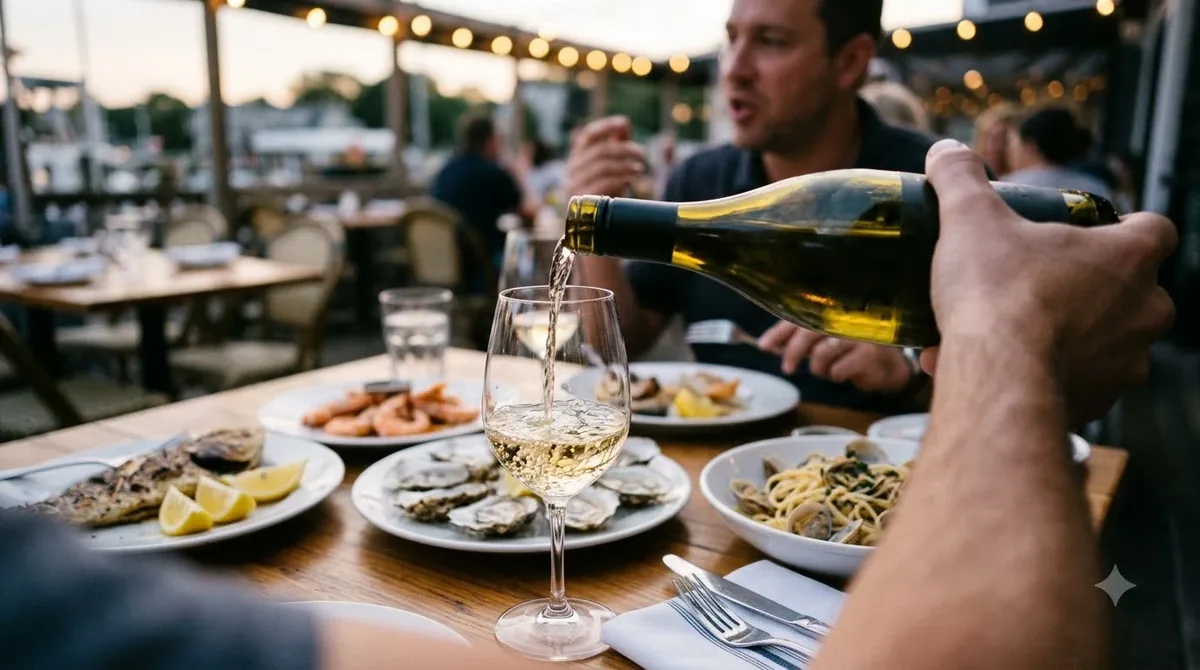
Thanks to its lively acidity, moderate alcohol, and clean mineral finish, Erbaluce is an exceptionally food-friendly white wine that refreshes the palate between bites. It excels alongside dishes featuring delicate seafood, fresh herbs, salty cheeses, and light frying.
Young, unoaked Bianco bottles pair effortlessly with raw or lightly cooked shellfish, steamed mussels, grilled freshwater trout, and fried calamari or zucchini blossoms. The wine’s citrus-driven snap cuts cleanly through olive oil, butter, and crispy batters without overpowering subtle flavors. Classic northern Italian starters like herb frittatas, asparagus risotto, and vitello tonnato also find a natural match in dry Erbaluce.
Richer, lees-aged versions carry enough mid-palate weight to handle roast chicken, pork tenderloin with herbs, and creamy pasta sauces. If you pour Spumante, serve it as an aperitif with prosciutto, salty olives, or aged Parmigiano-Reggiano. Sweet Passito makes a memorable pairing with blue-veined cheeses like Gorgonzola, aged Alpine cow’s milk cheeses, hazelnut tarts, or simple butter cookies.
How to Choose a Bottle
Because Erbaluce is a specialty grape with modest annual output, shopping smartly starts with reading the front and back labels for appellation cues and vinification details. Look first for the words “Erbaluce di Caluso DOCG” on the label, which guarantees the wine is made from 100 percent Erbaluce grapes grown within the historic Canavese zone under strict quality standards.
Next, check the back label or shelf tag to see whether the wine was aged in stainless steel or wood. Bottles fermented and aged purely in stainless steel deliver maximum freshness, bright green-apple crunch, and zesty minerality, making them ideal for everyday drinking within two to three years of the vintage date. Bottles aged on the lees in oak tonneaux or casks offer rounder body, warm spice, and deeper aging potential over five to ten years.
When browsing for a sparkling bottle, look for the phrase “Metodo Classico” alongside “Spumante” to ensure the bubbles come from secondary bottle fermentation rather than tank carbonation. Finally, verify the vintage on dry whites—while top cellar selections evolve gracefully into waxy, honeyed complexity, entry-level Bianco styles are at their most vibrant when purchased from recent harvests.
Frequently Asked Questions
Is Erbaluce wine sweet or dry?
Most Erbaluce wine on the market is completely dry, including both still Bianco and sparkling Spumante bottles. However, the same grape is also used to make Erbaluce di Caluso Passito, a traditional sweet dessert wine produced from air-dried grapes.
What grape is closest in style to Erbaluce?
Dry Erbaluce shares its brisk acidity, citrus-and-orchard-fruit profile, and stony minerality with unoaked Chablis, Austrian Grüner Veltliner, and dry Riesling. If you enjoy crisp, medium-light white wines without heavy oak, Erbaluce fits right into that wheelhouse.
How long can you age Erbaluce wine?
Fresh, stainless-steel Erbaluce Bianco is best enjoyed within two to four years of harvest while its citrus and floral notes are brightest. Lees-aged dry bottlings and Metodo Classico sparkling wines can evolve nicely for five to ten years, while well-made Passito dessert wines easily cellar for two decades or more.
Is Erbaluce wine low in carbs?
Dry Erbaluce Bianco and Brut Spumante contain virtually no residual sugar, putting them in the same low-carb territory as other dry table wines, similar to what you would find when checking pinot noir carbs. By contrast, sweet Erbaluce Passito carries at least 70 grams per liter of residual sugar and is considerably higher in carbohydrates.
Erbaluce wine rewards curious drinkers who look beyond mainstream Italian whites for character, precision, and versatility at the dinner table. Whether you uncork a zesty bottle of Bianco for weeknight seafood, pop a crisp Metodo Classico Spumante for celebrations, or sip a cellar-aged Passito with blue cheese, this northern Piedmont original delivers unmistakable alpine freshness in every glass.
More in Wine Types & Grapes
 Zinfandel Sugar Content: Dry Red vs. White Zinfandel GramsUpdated Nov 21, 2026
 Best Zinfandel Substitute Options for Sipping and CookingUpdated Nov 21, 2026
 Zweigelt Food Pairing: Best Dishes, Cheeses, and Serving TipsUpdated Nov 21, 2026
 Zinfandel Tannins Explained: How Structure Shapes Every BottleUpdated Nov 21, 2026
 Zinfandel Sweetness Level: Dry Red vs. Sweet White Zin ExplainedUpdated Nov 21, 2026
 Xinomavro Food Pairing: Best Dishes, Styles, and Serving TipsUpdated Nov 21, 2026