

We may earn a commission when you buy through links on this page, at no extra cost to you. Learn more.
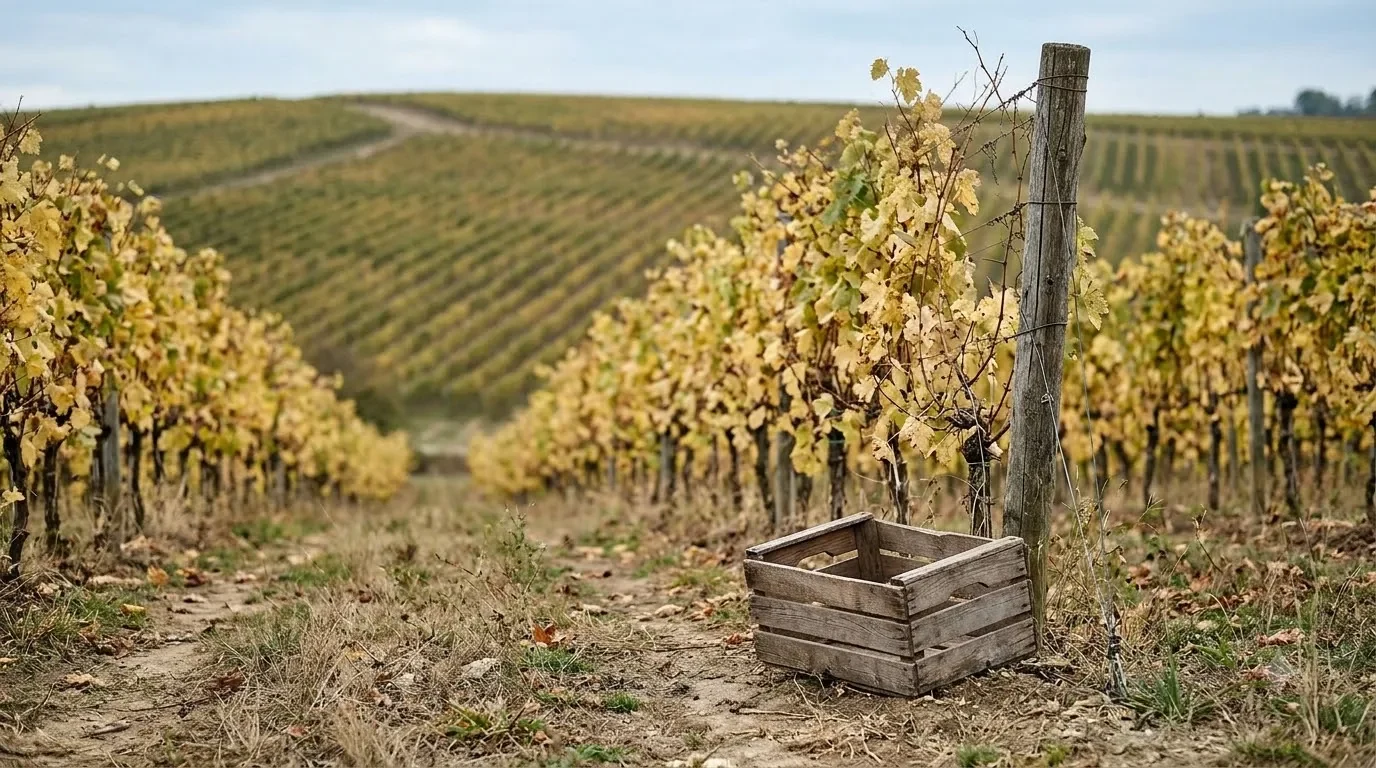
Edna Valley vineyards are the grape-growing sites in a small, cool valley in San Luis Obispo County, on California’s Central Coast. The Edna Valley American Viticultural Area covers about 35 square miles, with roughly 1,000 acres planted, and it is best known for Chardonnay, Pinot noir, and Syrah. Marine fog and Pacific breezes keep the valley cool, which gives the grapes a long, steady ripening season.
This guide explains where the Edna Valley vineyards sit, what climate they grow in, which grapes do well there, and how the valley compares with other coastal California regions. It is meant for readers who want a clear picture of the area before they buy a bottle or plan a visit. For the wines themselves, the companion guide on Edna Valley wine covers taste profiles and serving in more detail.
Where the Edna Valley Vineyards Are Located
The valley sits in San Luis Obispo County, a few miles southeast of the city of San Luis Obispo and north of Arroyo Grande. According to the Wikipedia article on the Edna Valley AVA, the appellation was established in 1982 and amended in 1987, and in April 2022 it became a sub-appellation of the larger San Luis Obispo Coast AVA.
The valley is compact compared with many California appellations. It covers about 22,400 acres, and the planted area is a small share of that total. Because the valley is not huge, the vineyards are relatively close to one another, and many visitors can reach several tasting rooms without a long drive between them.
A valley shaped by the coast
The valley opens toward the ocean, which is the single most important fact about its geography. Cool air moves inland from the Pacific, and the valley’s orientation allows afternoon breezes to flow through it. Growers plant on the valley floor and on nearby slopes, and they choose sites that catch the right amount of sun and wind.
The Climate Behind the Vineyards
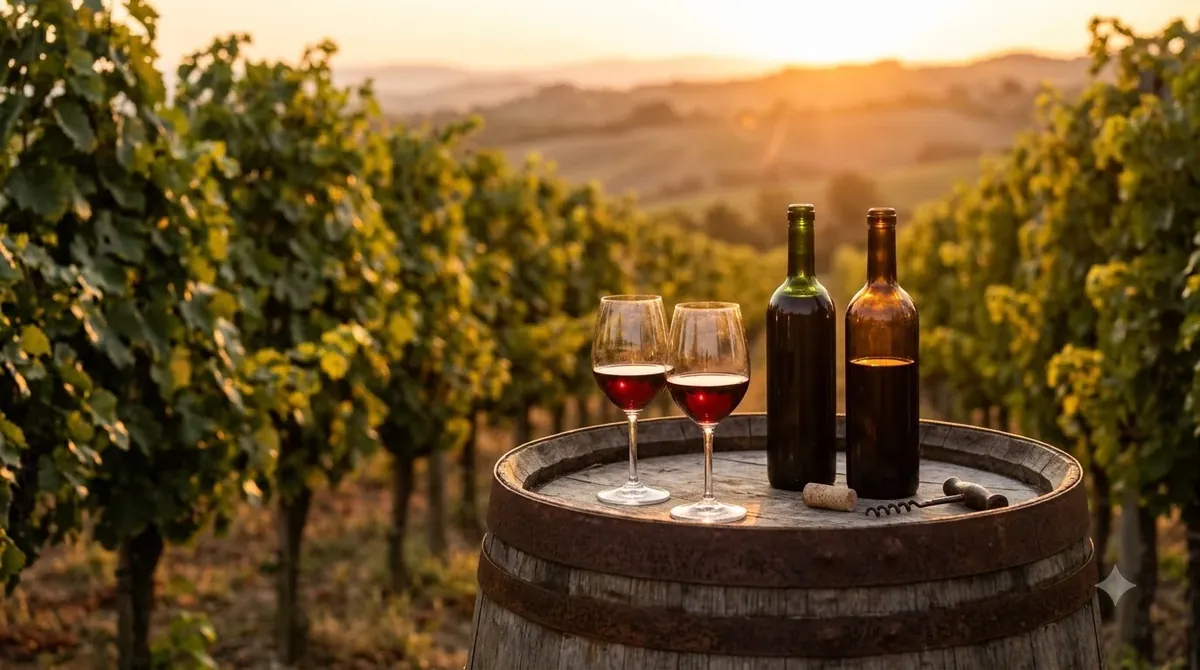
Climate is the reason the Edna Valley vineyards stand out. The area has a very long growing season, and the Wikipedia article describes it as California’s longest, at about 287 days. A long, cool season lets grapes ripen slowly, which helps them keep acidity and develop complex flavors rather than becoming very ripe and heavy.
Marine fog plays a big role. It arrives in the early morning and often burns off later in the day, which keeps temperatures moderate during the growing season. Killing frosts are rare, so growers face less risk of losing a crop to a sudden cold snap. Afternoon winds come through a gap toward the coast, and those winds help keep the vines dry and reduce disease pressure.
Soils in the valley are mostly sandy clay loam, clay loam, or clay. The soils are generally neutral to moderately alkaline, and many contain black humus. Those characteristics help the vines retain water through the dry months while still draining well enough to avoid waterlogged roots.
| Feature | Edna Valley |
|---|---|
| Designation | Established 1982, amended 1987 |
| Total area | About 22,400 acres (about 35 square miles) |
| Planted vineyards | About 1,000 acres |
| Growing season | About 287 days, reported as the longest in California |
| Main influences | Marine fog and Pacific breezes |
| Best-known grapes | Chardonnay, Pinot noir, Syrah |
The Grapes That Define Edna Valley
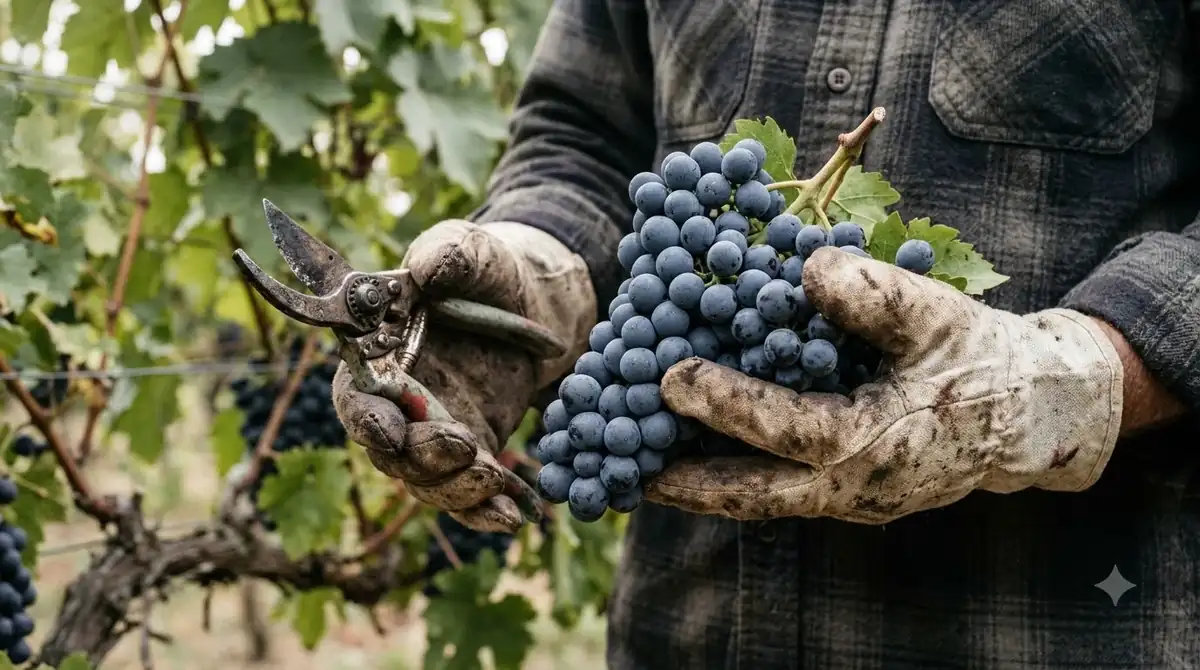
Chardonnay is the signature white of the valley, and Pinot noir and Syrah are the best-known reds. The Wine Folly profile of Chardonnay notes that cool climates tend to produce crisp, lean wines with mineral character, while warmer areas produce richer, riper styles. Edna Valley sits on the cooler end of that range, which is why many of its Chardonnays show bright acidity alongside fruit.
The same cool conditions suit Pinot noir. According to the Wine Folly profile of Pinot Noir, the grape prefers intermediate climates with long, cool growing seasons, and it is often grown in protected valleys or near large bodies of water. Those conditions describe the Edna Valley well, and they help explain why the region’s Pinot noirs tend to show red fruit and a lighter structure.
Syrah is also planted across the valley, and it adds a different note to the local lineup. Merlot and Sauvignon Blanc are grown there as well, and the area lists a dozen or so varieties in total, which gives visitors more to taste than the three headline grapes suggest.
How Edna Valley Compares With Other Coastal Regions
Edna Valley is often compared with other cool coastal California appellations, because the fog and breezes that shape it are common along the Central Coast. The valley’s advantage is its combination of a long season and relatively frequent cool air. That mix tends to produce wines that keep their acidity and freshness, even in warm years.
Compared with warmer inland areas of California, Edna Valley wines usually show more restraint in alcohol and more lively fruit. Compared with some very cool coastal sites, the valley gets enough sun during the growing season to ripen Syrah and Chardonnay fully. That balance is what makes the region useful for people who want a wine that is clean and food-friendly.
If you want to see how other coastal vineyards handle similar conditions, compare Edna Valley with Hudson Valley vineyards on the East Coast, where a different climate creates its own set of styles.
Tip: Chardonnay and Pinot noir from cool sites often taste best a little cooler than many people expect. Chilling reds slightly, around 55 to 60 degrees Fahrenheit, keeps the fruit lively.
Visiting and Buying Edna Valley Wines
Because the valley is compact, visiting is usually straightforward. Wineries are relatively close together, so you can taste several producers in one day without spending hours on the road. Spring and early fall are pleasant times to visit, when the fog tends to be lighter and the weather is comfortable for walking between vineyards.
Buying can happen at the tasting room or through a retailer. Many Edna Valley producers focus on single varietals, which makes it easy to compare Chardonnay styles from different wineries side by side. Asking a tasting room which blocks or sites their fruit comes from is a good way to learn how the valley’s sub-areas differ.
Some wineries offer small-group tastings or guided visits in the vineyard. Booking ahead is wise on weekends, and it lets the staff plan a tasting that matches your interests.
Frequently Asked Questions
How big is the Edna Valley AVA?
The appellation covers about 22,400 acres, or roughly 35 square miles. Only a small share of that land is planted, about 1,000 acres, so the valley feels compact and rural.
What is Edna Valley best known for?
The valley is best known for Chardonnay, Pinot noir, and Syrah. Its cool, foggy climate and long growing season give these grapes lively acidity and balanced fruit.
Why is the Edna Valley so cool?
Marine fog and Pacific breezes move into the valley, and afternoon winds come through a gap toward the coast. These influences keep daytime temperatures moderate and help the grapes ripen slowly.
Is Edna Valley near San Luis Obispo?
Yes. The valley lies a few miles southeast of the city of San Luis Obispo and north of Arroyo Grande, in San Luis Obispo County.
Edna Valley vineyards show what a cool, foggy coastal climate can do for Chardonnay, Pinot noir, and Syrah. Start with a Chardonnay or Pinot noir from one producer, then compare a second bottle from a different winery to see how the valley’s sites shape the wine. For a broader view of how regions differ, browse the wine regions guide, and compare the valley with Carmel Valley vineyards to see how another California coastal area handles similar conditions. Drink responsibly and plan a safe ride home.
More in Wine Regions
 Willcox Wine Trail: Discover Arizona’s High-Elevation Wine CountryUpdated Nov 20, 2026
 Yakima Valley Wine Region: Find the Best Styles to TryUpdated Nov 20, 2026
 Vosne Romanee Wine Tasting: Identify Aromas and Choose Better PairingsUpdated Nov 20, 2026
 Yakima Valley Wine Festival: Find the Best Seasonal Wine EventsUpdated Nov 20, 2026
 Wales Vineyards: Discover Cool-Climate Wines and Where to VisitUpdated Nov 20, 2026
 Yountville Wine Festival: Discover Napa Wines and Local FoodUpdated Nov 20, 2026