

We may earn a commission when you buy through links on this page, at no extra cost to you. Learn more.
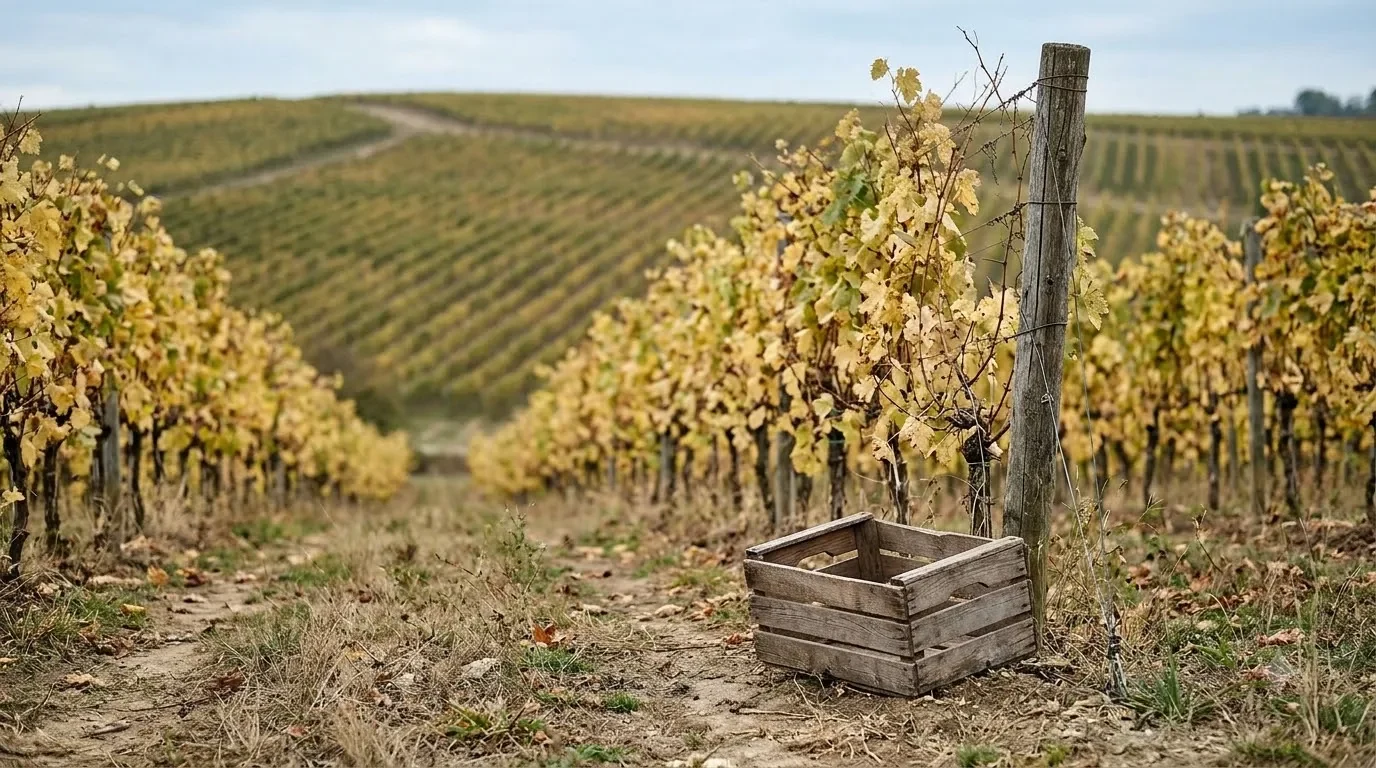
Hudson Valley vineyards are the grape-growing sites along the Hudson River in southeastern New York, concentrated in Columbia and Ulster Counties. The Hudson River Region AVA, recognized in 1982, was New York State’s first American Viticultural Area. Planted vineyard acreage is modest, roughly 1,000 acres, but the region has one of the longest wine-growing histories in the United States. This guide explains where the vineyards are, how the river climate shapes them, which grapes they grow and what to expect when you visit.
Many people know the Hudson Valley for its scenery and historic towns, yet its vineyards are an important part of New York’s wine story. The river moderates the climate in a way that makes grape growing possible in a region with cold winters. Vineyards here tend to be small, and many are run by families who have farmed the same land for generations. If you are interested in how place shapes the glass, our Wine Regions guide gives a broader view.
Where the Hudson Valley Vineyards Are
The Hudson River Region American Viticultural Area is centered on the Hudson River in southeastern New York State. The U.S. Bureau of Alcohol, Tobacco and Firearms established it on June 4, 1982, as the nation’s thirteenth AVA and the first in New York. The AVA is large, but the planted vineyards are not. Reference figures put the total at about 1,000 acres, and more than 90 percent of that land lies in Columbia and Ulster Counties.
Most vineyards sit on western hillsides within about two miles of the river. That position matters. Cool air drains down toward the water, and the river itself acts as a temperature buffer. Ocean breezes travel up the river, which keeps the valley cooler in summer and somewhat warmer in winter than the land around it. For a grower, this means the vines are less exposed to the harshest temperature swings.
Climate and Growing Conditions
The growing season in the Hudson Valley averages about 153 days. The mean last spring freeze falls around May 10, and the first autumn freeze around October 10, which leaves a workable window for ripening cool-climate grapes. Mean annual precipitation is about 44 inches. USDA hardiness zones in the area range from 5b to 7b, so winter survival is a real concern for vines.
Growers respond by choosing varieties that suit these conditions. French hybrids and cool-climate Vitis vinifera varieties are the most important in the region, and vineyard managers pay close attention to site selection, air drainage and canopy management. A hillside that drains well and sits near the river can give a grower more reliable harvests than a low, frost-prone field.
| Growing factor | Hudson Valley conditions | What it means for vines |
|---|---|---|
| Vineyard area | About 1,000 planted acres | Small, focused production |
| Growing season | About 153 days | Enough time for cool-climate grapes to ripen |
| Spring and fall freezes | Around May 10 and October 10 | Frost planning is essential |
| Annual rainfall | About 44 inches | Good moisture, so drainage and disease control matter |
| Hardiness zones | 5b to 7b | Hardy varieties are preferred |
Tip: If you visit in spring, ask about frost protection. Growers talk openly about the early-season risks, and their answers tell you a lot about how a vineyard is managed.
Grapes Grown in the Region
Reference sources list around twenty grape varieties grown in the Hudson River Region. Baco noir, Cabernet Franc, Chardonnay, Merlot, Pinot Noir, Riesling and Vidal blanc are among the names that appear most often. Riesling is a good example of a grape that suits cool sites. It is an aromatic white with high acidity and a light body, and it can be made dry or sweet. Wine Folly’s Riesling profile notes that it is typically served cool, at about 38 to 45 degrees Fahrenheit, which is a useful reference for Hudson Valley whites.
Pinot Noir and Cabernet Franc add another layer. These red varieties can give lighter, fresher styles when the fruit ripens steadily in a cool season. Growers who work with hybrid grapes also produce reds with bright fruit and reliable yields, which fits the valley’s climate well.
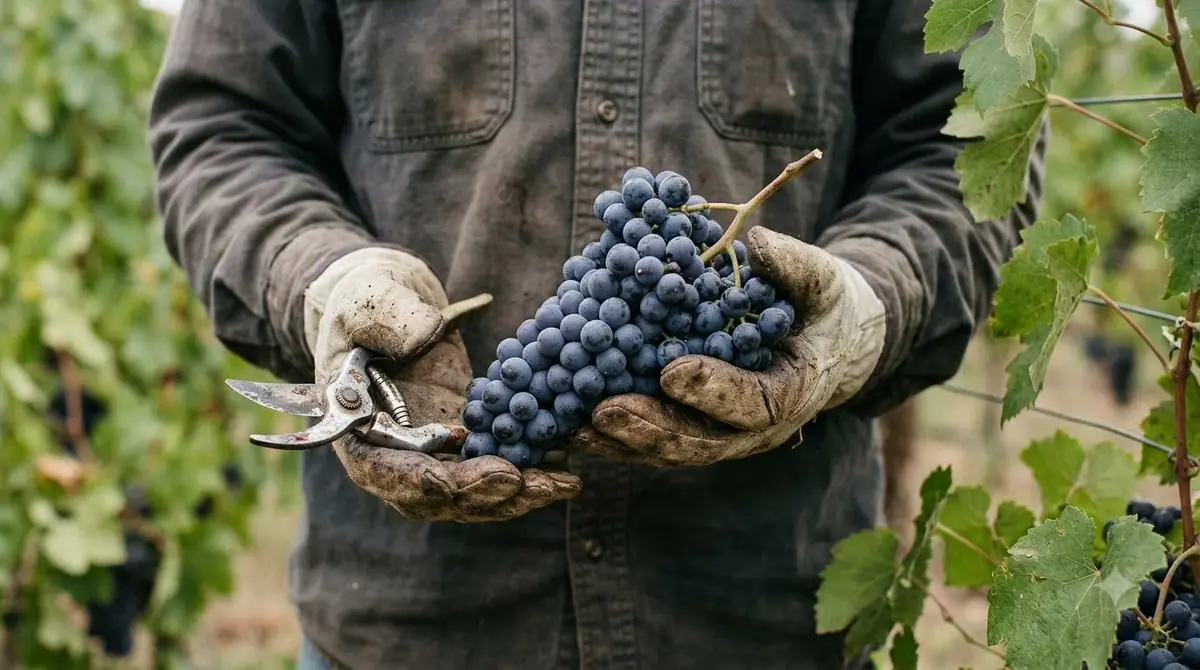
Vineyard work follows the seasons closely. Pruning happens in the winter months, when growers decide how many buds each vine will carry. Spring brings shoot thinning and frost watch, and summer means canopy work to keep the fruit exposed to air and sun. Harvest in the valley usually arrives later than in warmer regions, so the timing of each block is watched closely. A good vintage depends on many small decisions made across the whole year.
The History Behind the Vineyards
Hudson Valley winemaking has deep roots. Reference histories say wine has been made in the region for more than 300 years, starting after French Huguenots settled New Paltz in 1677. The first commercial winery opened in 1827 on Croton Point in Westchester County. The Brotherhood Winery, established in 1839 in Washingtonville, is described as the oldest continuously operating winery in North America, and nearby Benmarl Winery is credited with the oldest continuously cultivated vineyard on the continent.
The modern era began to take shape after New York passed its Farm Winery Act in 1976. Many of the region’s wineries were founded after that law, and the 1982 AVA gave the area a formal identity. Today the Hudson River Region has dozens of wineries and vineyards, many of them small and family-run.
Visiting the Vineyards
Most Hudson Valley vineyards are easy to reach by car from the Hudson Valley towns and from New York City, which makes a day trip practical. Plan your route with the hours of each tasting room in mind, because many vineyards close early in the week or during the off-season. Booking a tour in advance is worthwhile at smaller properties, where the owner or winemaker may guide you through the vines.
Ask questions while you walk the grounds. Growers can explain how they manage canopy height, frost and disease, and why they chose certain varieties. The answers help you understand how the Hudson Valley’s climate turns into the wines in the tasting room, and they make the visit more useful than a quick tasting alone.
Frequently Asked Questions
Where are the Hudson Valley vineyards?
Most are along the Hudson River in southeastern New York State, with the largest concentration in Columbia and Ulster Counties. The vineyards generally sit on western hillsides within a few miles of the river.
Is the Hudson Valley a good wine region?
It is a cool-climate region with a long winemaking history. Its wines tend to show fresh acidity, and the best results come from carefully sited vineyards and grape varieties suited to the climate.
What grapes grow in Hudson Valley vineyards?
Reference sources list around twenty varieties, including Baco noir, Cabernet Franc, Chardonnay, Merlot, Pinot Noir, Riesling and Vidal blanc. French hybrids and cool-climate Vitis vinifera varieties are the most important.
When is the best time to visit Hudson Valley vineyards?
Late summer and early autumn are popular because the vines are green and harvest activity is underway. Check each vineyard’s schedule, since opening days and tour times can change with the season.
Hudson Valley vineyards combine a long history with a cool, river-influenced climate. Plan a visit to two or three properties, ask about frost and variety choices, and taste widely. The region rewards visitors who want to see how small growers work with a demanding climate. Once you have toured the vines, the Hudson Valley wine guide explains the styles you will meet in the tasting room, and the Edna Valley vineyards guide offers a useful contrast with a much warmer coastal growing area.
More in Wine Regions
 Willcox Wine Trail: Discover Arizona’s High-Elevation Wine CountryUpdated Nov 20, 2026
 Yakima Valley Wine Region: Find the Best Styles to TryUpdated Nov 20, 2026
 Vosne Romanee Wine Tasting: Identify Aromas and Choose Better PairingsUpdated Nov 20, 2026
 Yakima Valley Wine Festival: Find the Best Seasonal Wine EventsUpdated Nov 20, 2026
 Wales Vineyards: Discover Cool-Climate Wines and Where to VisitUpdated Nov 20, 2026
 Yountville Wine Festival: Discover Napa Wines and Local FoodUpdated Nov 20, 2026