

We may earn a commission when you buy through links on this page, at no extra cost to you. Learn more.
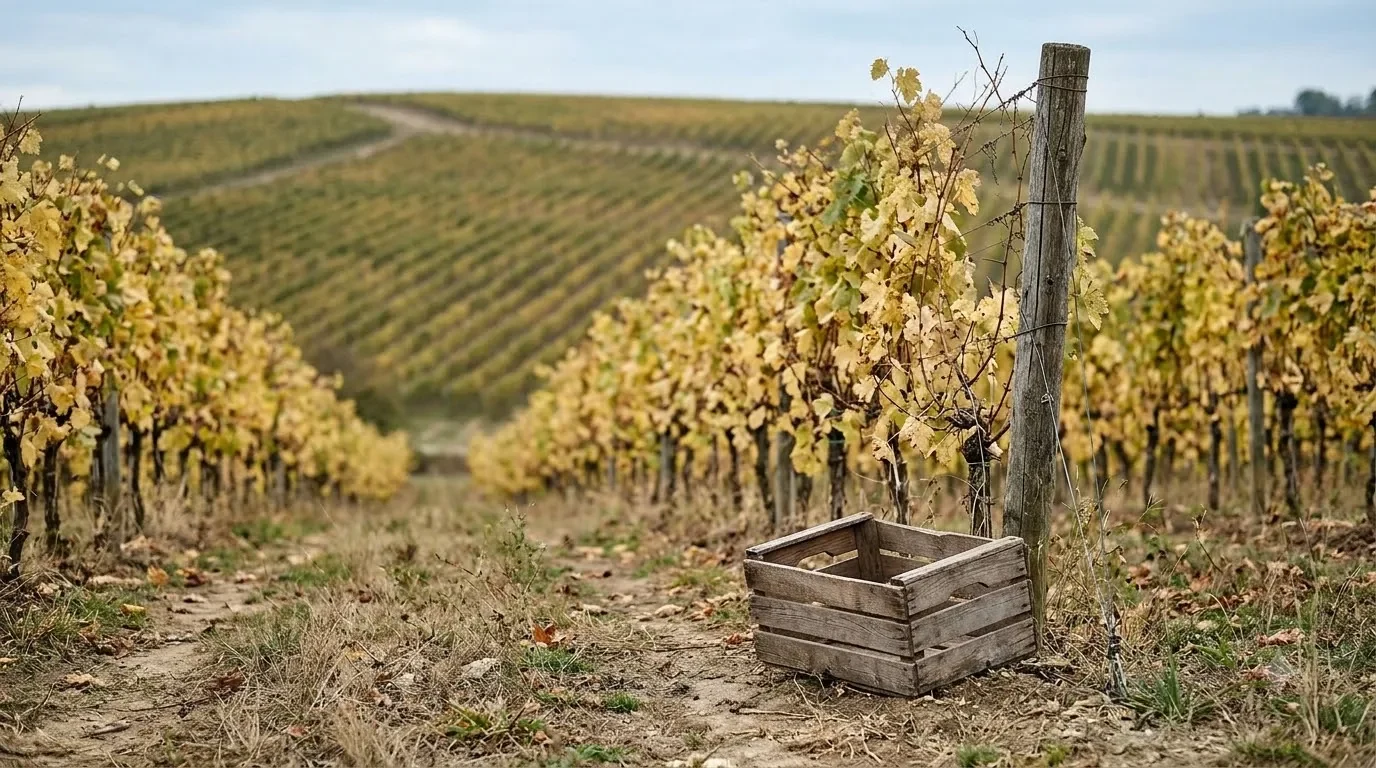
Carmel Valley vineyards sit in an inland valley of Monterey County, about five miles from the coast and southeast of Carmel-by-the-Sea, where warm summer days and cool nights shape the grapes. The area was recognized as an American Viticultural Area in 1983, and today its vines are dominated by Cabernet Sauvignon and Merlot. Visitors come for the scenery and tasting rooms, and the valley remains a small, specialized wine district.
This guide explains where the vineyards are, what the soils and climate are like, which grapes grow best, and how to plan a visit. It is meant for wine drinkers who want to understand the region before they taste or buy a bottle from it.
Where the vineyards are and how the valley is shaped
The valley runs through the Santa Lucia Range, a set of coastal mountains that give the area its distinct geography. The vineyards are not on the ocean. They are tucked into the inland valley, which is one reason the climate here feels different from the wine towns closer to the water.
The appellation covers roughly 19,200 acres, or about 30 square miles, but only around 300 of those acres are planted to vines. That small footprint is part of the valley’s character. It keeps the region focused, and it means most of the land is left as hills, oak woodland, and open space.
Elevation varies from about 200 feet to nearly 2,800 feet across the district, and most vineyards sit at 1,000 feet or higher. That range gives growers a mix of conditions, from lower valley floors to higher slopes. Because the vineyards are at altitude, the nights can be noticeably cooler than the days, which helps the grapes hold their acidity.
Climate and soils in Carmel Valley
Summer highs can reach the 100s Fahrenheit, while nights can drop into the 30s and 40s. Annual rainfall is modest, in the range of about 16 to 22 inches, so irrigation and careful site choice matter for growers. The soils are mostly sandy loams and clay loams, with coarse and fine textures mixed across the valley. Sandy soils drain quickly, which can limit vigor and concentrate flavor in the fruit.
These conditions produce wines with ripe fruit and firm structure, especially the reds. The warm days build sugar and flavor, and the cool nights preserve enough acidity to keep the wines balanced rather than heavy.
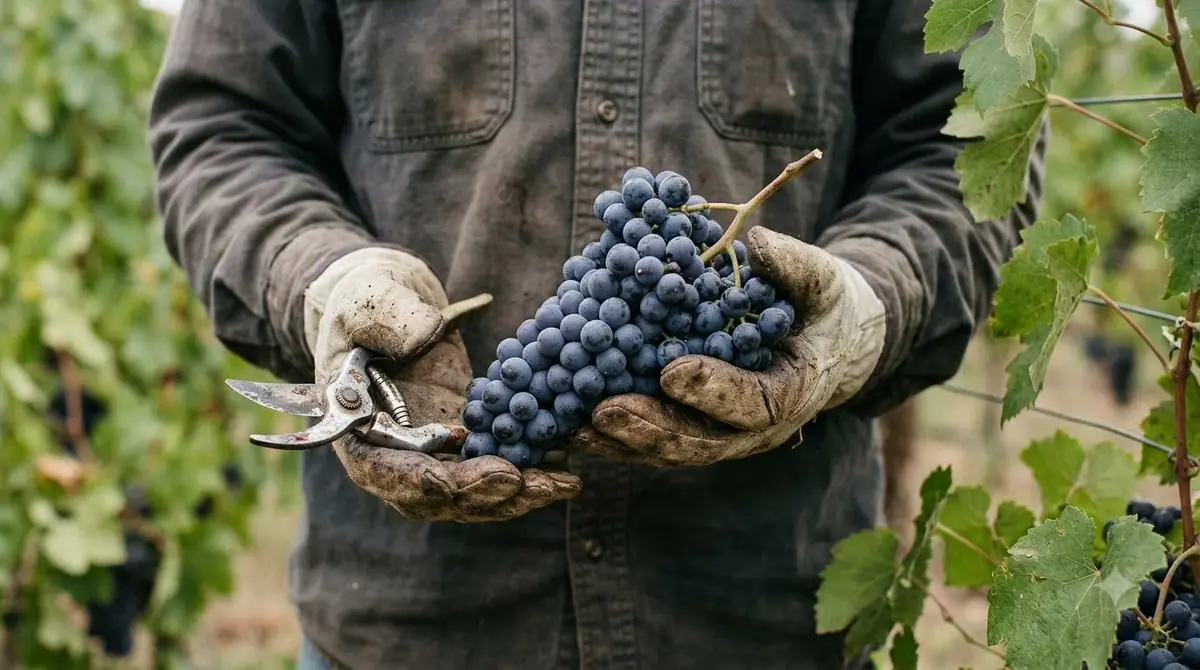
Growers working in a warm, dry valley make different choices than those on cooler coastal sites. Vine spacing, rootstock, and canopy management all affect how much fruit ripens and how quickly. Because the soils vary from one hillside to the next, the same grape can taste different across the valley, and tasting several single-vineyard bottlings is one of the best ways to understand that variation.
Grape varieties grown in the valley
The Carmel Valley appellation lists 17 grape varieties, but the planting picture is dominated by a small number of them. Cabernet Sauvignon and Merlot together account for more than 70 percent of the vines, so the valley’s identity is largely built on red wine.
Other varieties include Chardonnay, Pinot Noir, Syrah, and Zinfandel. These are grown in smaller amounts and often show up in single-vineyard bottlings or small-lot releases. The table below gives a quick overview of the main grapes and what they tend to taste like in this setting.
| Grape | Typical style in the valley | Serve with |
|---|---|---|
| Cabernet Sauvignon | Black currant, cedar, firm tannin | Grilled steak, lamb, rich sauces |
| Merlot | Plum, softer tannin, round texture | Roast chicken, mushrooms, pasta |
| Chardonnay | Citrus, stone fruit, crisp to rich | Seafood, creamy dishes |
| Pinot Noir | Red cherry, earthy notes, silky texture | Salmon, duck, earthy dishes |
How the Cabernet style works here
Cabernet Sauvignon is the anchor of the valley, and it is the grape most visitors taste first. Wine Folly’s Cabernet Sauvignon guide describes the wine as dry and full-bodied, with black cherry, black currant, cedar, and baking spice. Its medium-high tannin means the wine benefits from food and from time in the glass.
Serve these reds at around 60 to 68 degrees Fahrenheit, and decant them for about an hour when they are young. Pair them with grilled meats, peppery sauces, and bold dishes that can stand up to the tannin. The style is firm and structured, so it rewards patience.
Tip: If you are unsure whether a valley Cabernet will suit your table, ask for a tasting of two wines from the same vintage. The difference between a young and a more mature bottle is often clearer than any description.
Pinot Noir and the cooler side of the valley
Pinot Noir is harder to grow than Cabernet, and it is more sensitive to disease because of its tight clusters and thin skins. Where it succeeds, it shows red cherry, earthy notes, and a silky texture. Wine Folly’s Pinot Noir guide recommends serving it slightly cooler than room temperature, around 55 to 60 degrees Fahrenheit.
Pinot grown in the valley usually drinks best with salmon, duck, or mushroom dishes. Its acidity cuts through rich food, which makes it a good everyday red for people who find Cabernet too heavy.
Visiting Carmel Valley vineyards
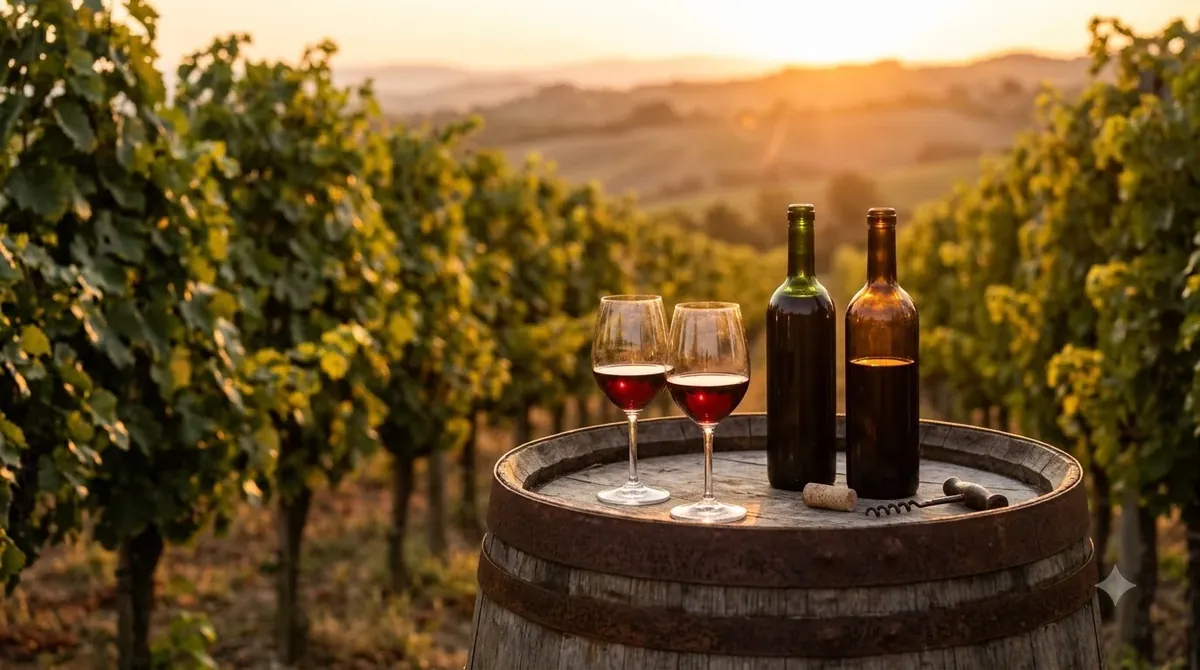
Many visitors combine a trip to the valley with time on the coast, since Carmel-by-the-Sea and the Monterey Peninsula are close by. Plan a visit around two or three tasting rooms rather than a long list, because the rural roads between estates are slower than the highway.
Reference sources on the AVA count about 25 wineries and 20 vineyards in the valley, so the choice is manageable. Many of the estates are small, and some sell most of their wine through a mailing list or on-site tastings, which is worth knowing before you plan a route.
Visitors who want a quick overview can ask for a flight that includes both a Cabernet and a Pinot Noir. That pairing shows the warmer and cooler sides of the valley in one sitting.
Spring and fall are generally the most comfortable seasons for walking and touring. Summer can be very hot in the valley, so bring water and start outdoor visits early in the day. Check each winery’s hours in advance, since some tasting rooms operate by appointment only.
Frequently Asked Questions
Where are the Carmel Valley vineyards located?
The vineyards are in Monterey County, California, in an inland valley southeast of Carmel-by-the-Sea. They sit roughly five miles from the coast, within the Santa Lucia Range.
What grapes are grown in Carmel Valley?
Cabernet Sauvignon and Merlot dominate the plantings, together making up more than 70 percent. Chardonnay, Pinot Noir, Syrah, and Zinfandel are also grown in smaller amounts.
When did Carmel Valley become a recognized wine region?
The Carmel Valley American Viticultural Area was recognized in 1983, when federal authorities approved the area as a distinct growing region.
Is Carmel Valley a good place to visit for wine tasting?
Yes, especially for visitors who also want to see the coast. The valley has a small number of tasting rooms, so plan a focused visit and check hours before you go.
Carmel Valley vineyards reward visitors who like focused, structured reds and a quiet, scenic setting. Begin with a Cabernet from the valley, then taste a Pinot Noir to compare the cooler style. For a wider look at how growing areas differ, the wine regions overview is a good next step.
If you are comparing valleys along the coast, the Edna Valley vineyards guide covers another central coast region, and the Carmel Valley wine profile looks at the wines themselves in more detail.
More in Wine Regions
 Willcox Wine Trail: Discover Arizona’s High-Elevation Wine CountryUpdated Nov 20, 2026
 Yakima Valley Wine Region: Find the Best Styles to TryUpdated Nov 20, 2026
 Vosne Romanee Wine Tasting: Identify Aromas and Choose Better PairingsUpdated Nov 20, 2026
 Yakima Valley Wine Festival: Find the Best Seasonal Wine EventsUpdated Nov 20, 2026
 Wales Vineyards: Discover Cool-Climate Wines and Where to VisitUpdated Nov 20, 2026
 Yountville Wine Festival: Discover Napa Wines and Local FoodUpdated Nov 20, 2026