

We may earn a commission when you buy through links on this page, at no extra cost to you. Learn more.
Arroyo Grande wine comes from the Arroyo Grande Valley American Viticultural Area in San Luis Obispo County, California. The valley sits about 12 miles southeast of San Luis Obispo, and its cool, foggy climate suits Pinot Noir, Chardonnay, and Syrah. The area was established in 1990 and is known for crisp, cool-climate wines.
Arroyo Grande is a small wine region, and it is easy to confuse with its neighbors in San Luis Obispo County. This guide explains where the valley is, what shapes its climate and soils, which grapes grow there, and how to find and enjoy its wines.
Where the Arroyo Grande Valley Is
The Arroyo Grande Valley AVA lies in San Luis Obispo County, about 12 miles southeast of San Luis Obispo. Wikipedia’s entry on the Arroyo Grande Valley AVA describes the valley as about 16 miles long and covering roughly 67 square miles. Edna Valley lies to the northwest and the Santa Maria Valley to the southeast, while the coastal communities of Oceano, Grover City, and Arroyo Grande border the valley on its southwestern edge.
That position matters. The valley is close enough to the Pacific to feel its influence, but it is not directly on the coast, so the region sits between cool ocean air and warmer inland heat. For a visitor, that makes Arroyo Grande a good stop on a wider wine route through the county.
A Brief History of the Appellation
The AVA was established on January 3, 1990, by the Bureau of Alcohol, Tobacco and Firearms. The request came after a 1987 petition from Don Talley of Talley Vineyards and William S. Greenough of Saucelito Canyon Vineyard. Wikipedia also notes that in 2022 the TTB approved the overlapping San Luis Obispo Coast AVA, so some vineyards may be labeled under either name.
The valley has an older wine story as well. Wikipedia mentions St. Remy, a winery founded in 1880 in Saucelito Canyon that operated until Prohibition. The modern wine industry grew from that history, and today the valley is known for a small number of vineyards and wineries rather than large volume.

Climate, Soils, and Why They Matter
The climate is the main reason the region suits cool-climate grapes. Marine air brings frequent morning and evening fog, and the valley’s orientation lets Pacific breezes moderate its temperatures. Wikipedia places the valley within Winkler Regions I and II, which are cool to moderate growing zones, and notes about 20 inches of annual rain, most of it from December to March.
The climate is not uniform, though. Summer nights are cool, but highs near 100 degrees Fahrenheit occur nearly every year. Cold onshore winds in spring can delay early growth, so growers have to manage timing carefully. This mix of cool nights and warm days helps grapes keep acidity while still building ripeness.
Soils are another key feature. The valley floor has very deep, silty and sandy clay loams with varying drainage. The hills have shallower, steeper soils over Franciscan Complex bedrock, so vineyards on different slopes can produce different wines even within a small area.
| Factor | What Wikipedia reports | Effect on the wine |
|---|---|---|
| Fog and marine air | Frequent morning and evening fog | Cooler days and steady acidity |
| Rainfall | About 20 inches a year, mostly December to March | Wet winters, dry growing seasons |
| Valley-floor soils | Deep silty and sandy clay loams | Fertile ground with varied drainage |
| Hillside soils | Shallower, steeper soils over bedrock | Concentrated fruit on slopes |
Grape Varieties Grown in Arroyo Grande
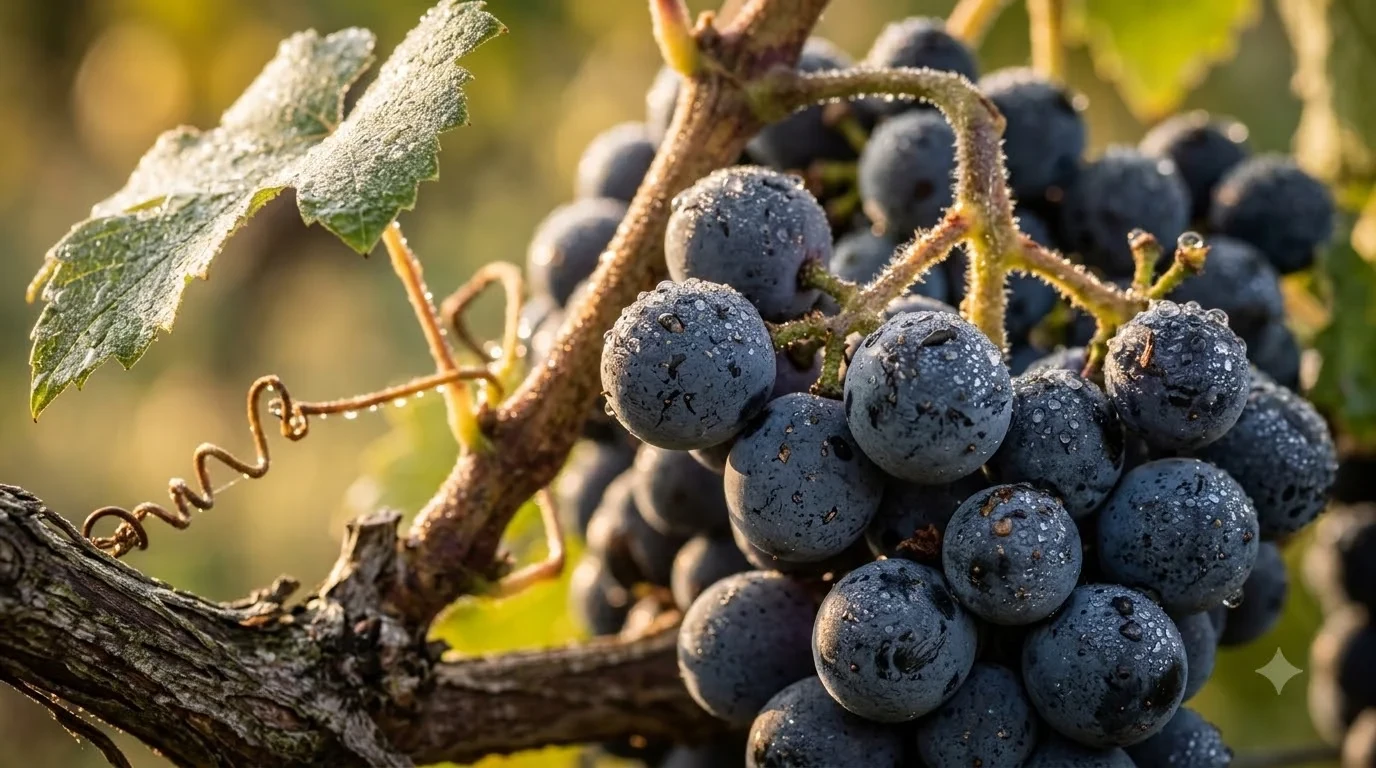
Pinot Noir, Chardonnay, and Syrah are the primary grapes of the valley. Pinot Noir suits the cool fog and long, gentle ripening, while Chardonnay gives the region its crisp white. Syrah adds darker fruit and spice in the warmer pockets of the valley.
Higher elevations near Lopez Lake are the home of Zinfandel, Petite Sirah, and Rhône varietals. Those warmer sites produce bolder reds, which shows how elevation shifts the style within a small appellation. A visitor who tastes across elevations can see the difference clearly.
Wineries and Where to Start
The Arroyo Grande area has a handful of notable wineries, and Talley Vineyards on Lopez Drive is one of the best known. Saucelito Canyon Vineyard is another name tied to the AVA’s founding, and it adds an important link between the modern valley and its history.
When you are choosing a bottle from the region, look for the Arroyo Grande Valley or the San Luis Obispo Coast designation on the label. A Pinot Noir or Chardonnay from the valley shows the cool-climate character that defines the area, and it is easy to compare with other cool regions such as Anderson Valley wine.
How the Valley Compares to Nearby Regions
Arroyo Grande sits between Edna Valley and the Santa Maria Valley, and the three share many climate traits. Each has its own soils, elevation, and grape mix, though, so a bottle from one area will not taste exactly like a bottle from another. Tasting across the county is one of the best ways to learn the differences. A useful exercise is to pour a Pinot Noir from Arroyo Grande beside one from a warmer part of the county and compare the acidity, the red fruit, and the texture. The contrast shows how much fog, wind, and soil shape the glass, and it makes the valley’s cool-climate identity easy to recognize.
The valley also shares the cool-climate style that makes coastal regions so distinctive. If you enjoy the freshness of a cool-climate Pinot, you might also explore Alentejo wine for a warmer, more rustic contrast, or Alaska wine for a very different cold-climate story.
How to Enjoy Arroyo Grande Wines
Serve Pinot Noir and Syrah slightly cool, not warm, so the fruit and acidity stay lively. Chardonnay from the valley is best served chilled, and it pairs well with seafood, fresh salads, and roasted chicken. The cool-climate character means the wines often suit lighter, fresh dishes rather than heavy sauces.
Visitors should plan for fog in the morning and warm afternoons in summer. Dress in layers, and check opening hours before you travel. Smaller tasting rooms can run on a tighter schedule than large estates, so it helps to plan a short route with two or three stops rather than trying to see the whole valley in one afternoon. Ask each host which vineyard blocks or elevations the wines come from, since that detail often explains the difference between two bottles on the same table.
Frequently Asked Questions
Where is Arroyo Grande wine made?
It is made in the Arroyo Grande Valley AVA, in San Luis Obispo County, California. The valley lies about 12 miles southeast of San Luis Obispo and borders Edna Valley and the Santa Maria Valley.
What grapes are grown in Arroyo Grande?
Pinot Noir, Chardonnay, and Syrah are the primary varieties. Zinfandel, Petite Sirah, and Rhône varietals grow at higher elevations near Lopez Lake.
Is Arroyo Grande a cool-climate region?
Yes. Marine air brings frequent morning and evening fog, and Wikipedia places the valley within Winkler Regions I and II. Summer nights are cool, though highs near 100 degrees Fahrenheit occur nearly every year.
When was the Arroyo Grande Valley AVA created?
The AVA was established on January 3, 1990, after a 1987 petition from Don Talley and William S. Greenough. In 2022, the overlapping San Luis Obispo Coast AVA was also approved.
Arroyo Grande is a small valley with a distinct cool-climate identity. Learn its grapes and its soils, and you will understand why its wines taste the way they do. For more on how wine regions shape flavor, see the wine regions section.
More in Wine Regions
 Willcox Wine Trail: Discover Arizona’s High-Elevation Wine CountryUpdated Nov 20, 2026
 Yakima Valley Wine Region: Find the Best Styles to TryUpdated Nov 20, 2026
 Vosne Romanee Wine Tasting: Identify Aromas and Choose Better PairingsUpdated Nov 20, 2026
 Yakima Valley Wine Festival: Find the Best Seasonal Wine EventsUpdated Nov 20, 2026
 Wales Vineyards: Discover Cool-Climate Wines and Where to VisitUpdated Nov 20, 2026
 Yountville Wine Festival: Discover Napa Wines and Local FoodUpdated Nov 20, 2026