

We may earn a commission when you buy through links on this page, at no extra cost to you. Learn more.
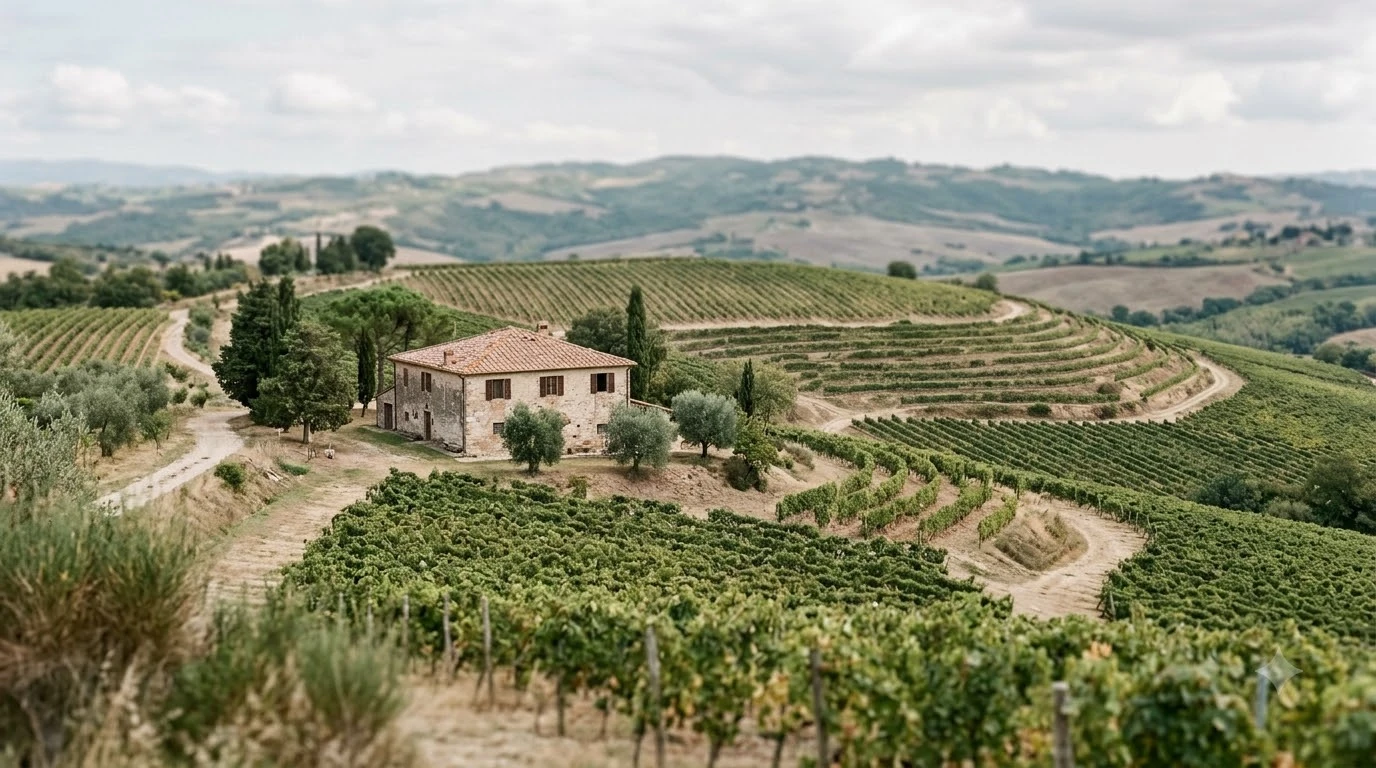
Dundee Hills vineyards are located in Oregon’s northern Willamette Valley and are best known for producing elegant Pinot Noir from distinctive red volcanic Jory soils. This historic American Viticultural Area (AVA) is where Oregon’s modern Pinot Noir industry began, with its first important plantings dating to 1966. Today, the region is recognized for expressive Pinot Noir, refined Chardonnay, sustainable vineyard practices, and a collection of wineries that highlight the differences between individual hillside sites.
For wine drinkers interested in Oregon, the Dundee Hills offers an especially useful starting point. Its combination of volcanic geology, varied elevations, relatively protected growing conditions, and generations of winemaking experience helps explain why this compact appellation has become one of the state’s most recognizable wine regions. Understanding its vineyards also makes it easier to appreciate why two Dundee Hills Pinot Noirs can taste noticeably different despite sharing the same regional designation.
Where Dundee Hills Vineyards Are Located and What Defines the AVA
Dundee Hills vineyards occupy a distinctive collection of slopes in the northern Willamette Valley, southwest of Portland. The appellation covers approximately 12,500 acres, including around 2,225 acres of planted vineyards, and is recognized as one of Oregon’s most densely planted wine-growing areas.
The Dundee Hills AVA was formally established on November 30, 2004. It sits within the larger Willamette Valley AVA, a region stretching approximately 150 miles through western Oregon. The Dundee Hills forms a recognizable elevated landmass above the surrounding valley floors, with its ridges and slopes providing a range of vineyard exposures.
The landscape runs generally north to south. The Willamette River lies to the south, while the Chehalem Valley extends toward the north. Portland is approximately 28 to 30 miles southwest of the appellation’s central wine-growing areas, making the region accessible for visitors traveling from the metropolitan area.
According to the Willamette Valley Wineries Association, the Dundee Hills includes approximately 98 vineyards and 28 wineries in its regional overview. These figures illustrate how a relatively compact appellation supports a concentrated wine industry with numerous individual vineyard sites and producers.
The surrounding geography also helps explain the region’s character. The Coast Range to the west reduces the direct influence of Pacific weather systems, while the higher surrounding terrain helps moderate some temperature fluctuations. The Dundee Hills receives less direct cooling influence from the Pacific Ocean and Columbia Gorge than certain other Willamette Valley locations, contributing to somewhat warmer growing conditions.
The appellation’s boundaries are important because they identify a specific growing environment rather than simply a town or tourism district. A wine labeled Dundee Hills must meet the applicable American Viticultural Area requirements, providing consumers with a geographic indication that is more precise than a general Willamette Valley designation.
For anyone exploring Wine Regions, the Dundee Hills provides a particularly clear example of how a smaller AVA can develop a recognizable identity within a much larger wine-producing area.
Jory Soil, Basalt Geology, and Vineyard Elevation
The signature feature of Dundee Hills vineyards is their red volcanic Jory soil, formed from ancient basalt. Combined with elevations ranging from approximately 200 feet to 1,067 feet, these geological and topographical conditions help shape the region’s distinctive Pinot Noir and Chardonnay.
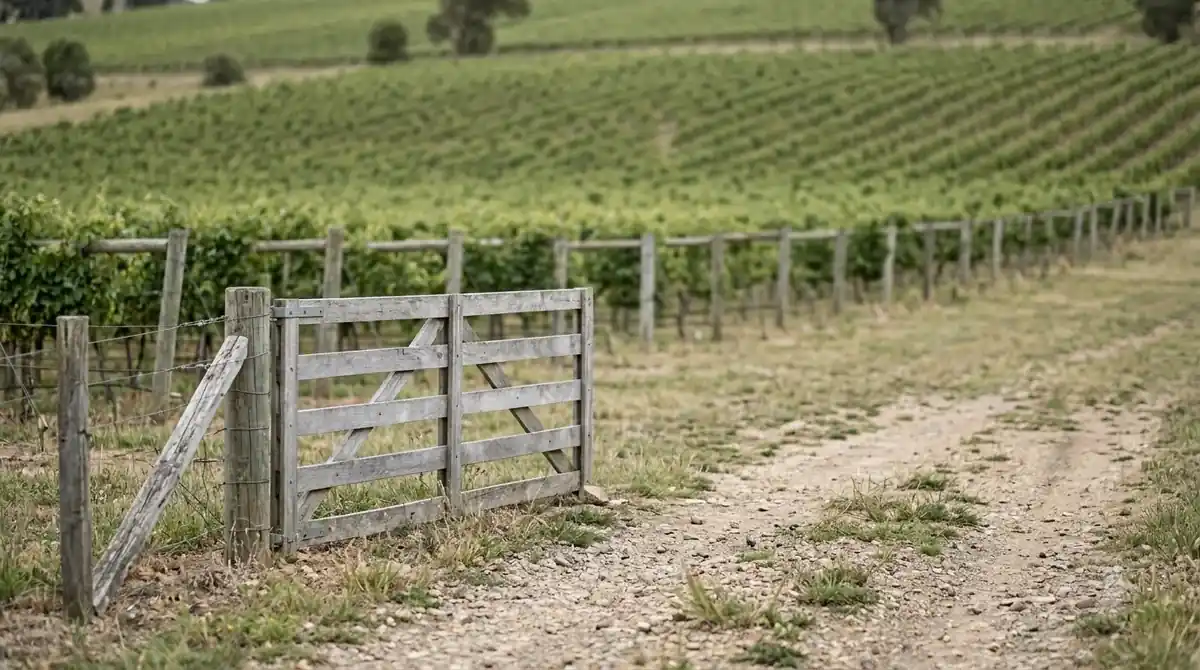
Jory soil developed from weathered volcanic material associated with ancient basalt flows. Its composition includes silt, clay, and loam, and regional descriptions commonly identify soil depths of approximately 4 to 6 feet. The characteristic reddish color comes partly from iron-rich material in the underlying volcanic geology.
Drainage is one of Jory soil’s important viticultural characteristics. The soil can retain useful moisture while allowing excess water to move away from the root zone. This is particularly relevant in western Oregon, where winter rainfall is substantial and vineyard soils must cope with wet conditions outside the main growing season.
Jory is not the only soil found in the appellation. Wine Enthusiast also identifies Nekia soils, which have their own composition and characteristics. Differences in soil depth, rock content, clay, and exposure mean that individual vineyard sites can behave differently even when they are relatively close together.
Elevation adds another layer of variation. Lower vineyard blocks and higher slopes may experience different temperatures, wind exposure, drainage patterns, and sunlight. A vineyard at 800 feet does not necessarily ripen grapes in exactly the same way as a block at 300 feet, even if both occupy the same general hillside.
Aspect is equally important. South-facing slopes generally receive more direct sunlight, while east-facing and west-facing sites experience different patterns of morning and afternoon exposure. These differences influence ripening speed and can contribute to variations in fruit concentration and aromatic development.
The interaction of soil and topography is more meaningful than treating either characteristic as a guarantee of quality. Jory soil does not automatically produce exceptional wine, and high elevation does not automatically produce better grapes. Vineyard management, vine age, farming decisions, harvest timing, and winemaking remain essential.
One useful way to understand the region is to compare several wines from different vineyard sites. Look for differences in fruit character, texture, acidity, and earthy notes rather than expecting every Dundee Hills bottling to taste identical.
The Climate and Growing Conditions Behind Oregon Pinot Noir
The Dundee Hills has a cool-climate growing environment moderated by its inland position, surrounding hills, and protection from some Pacific weather influences. Its relatively long ripening period helps Pinot Noir develop aromatic complexity while retaining the acidity that makes the region’s wines particularly food-friendly.
The Willamette Valley generally experiences a Mediterranean-influenced climate, with wet winters and comparatively dry summers. This seasonal pattern creates a growing season in which vineyard managers must balance winter moisture, spring development, summer warmth, and the possibility of autumn rain.
The Dundee Hills occupies a somewhat protected position compared with more directly exposed western parts of the Willamette Valley. Its distance from the coast and surrounding geographic features help moderate certain weather patterns. The region can therefore experience slightly warmer growing seasons than some neighboring AVAs.
That difference matters for Pinot Noir. The grape is relatively thin-skinned and sensitive to growing conditions. It needs sufficient time to ripen without losing its characteristic freshness and aromatic detail. A vineyard’s location, exposure, canopy management, and crop levels all influence how successfully that balance is achieved.
Temperature variation during the growing season also affects the resulting wines. Warmer conditions can encourage fuller fruit development and greater ripeness, while cooler conditions can preserve more pronounced freshness and emphasize delicate red-fruit and floral characteristics.
Rainfall presents another consideration. Although summer conditions are generally drier than winter conditions, growers must manage water availability and soil moisture carefully. Some vineyard sites can support dry farming, depending on soil composition, vine age, root development, and seasonal conditions.
According to Wine Enthusiast’s regional reporting, Dundee Hills soils include both rocky drainage areas and clay-rich components that can retain moisture. This variation helps explain why growers approach irrigation and vineyard management differently from one block to another. Its Dundee Hills regional overview also discusses how vineyard elevation and soil differences influence the wines.
Harvest timing is particularly important. Picking too early can leave fruit underdeveloped, while waiting too long can change the balance between acidity, sugar, and aromatic freshness. Individual producers make harvest decisions according to their vineyard conditions and the style of wine they want to produce.
These factors explain why vintage conditions matter when comparing Dundee Hills wines. A cooler, wetter growing season can produce a different expression from a warmer, sunnier season, even when the same vineyard and winemaking team are involved.
Pinot Noir and the Other Grapes Grown in Dundee Hills Vineyards
Pinot Noir is the defining grape of Dundee Hills vineyards, accounting for approximately 69.5% of planted varieties according to the Willamette Valley Wineries Association. Chardonnay is the second major variety, followed by smaller plantings of Pinot Gris, Pinot Blanc, and several other grapes.
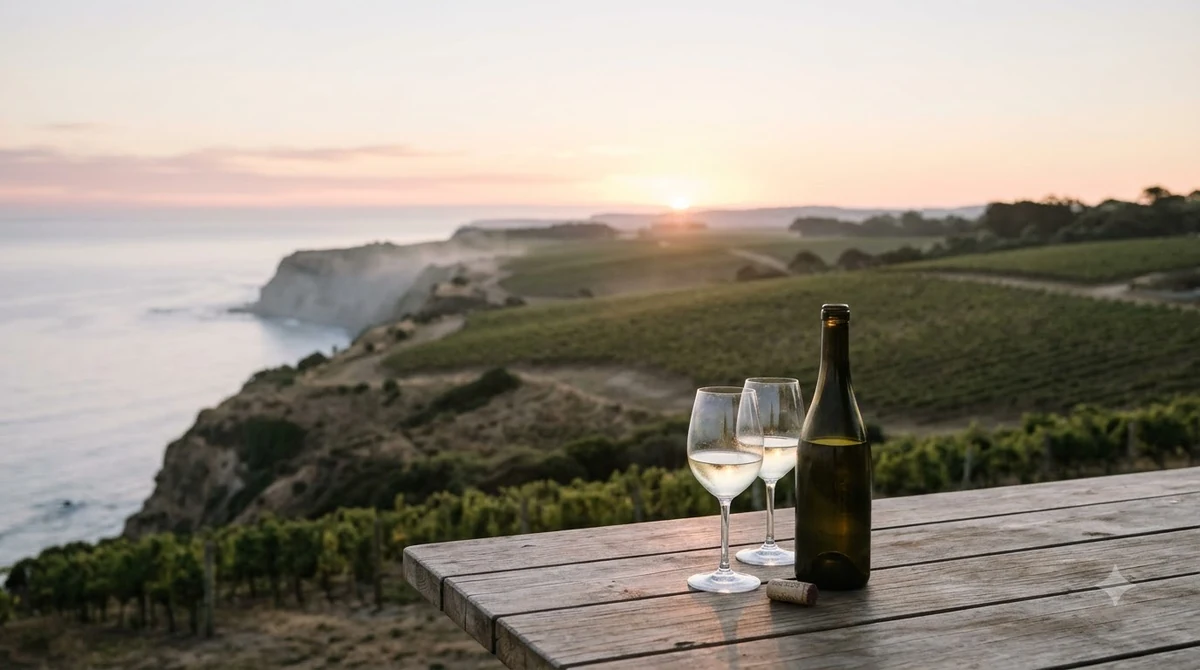
Pinot Noir became the region’s signature variety because its growing requirements align closely with the local climate and vineyard conditions. The grape can express subtle differences in soil, elevation, exposure, and growing-season temperature, making it particularly interesting in an appellation with numerous distinct hillside sites.
Typical Dundee Hills Pinot Noir emphasizes red cherry, raspberry, strawberry, and sometimes darker berry flavors. Depending on the vineyard and vintage, aromas can also include rose petals, violets, forest floor, mushroom, spice, and earthy mineral impressions.
The wines generally combine fresh acidity with relatively restrained tannins and a silky texture. They can be elegant without feeling light or lacking concentration. Some bottlings emphasize delicate red fruit and floral aromas, while others show deeper plum, black cherry, and more substantial structure.
Chardonnay is another important part of the appellation’s identity. The grape’s natural adaptability allows producers to create several different styles. Some wines emphasize citrus, green apple, pear, and fresh acidity, while others develop broader textures through lees contact, malolactic fermentation, or oak aging.
Pinot Gris offers another perspective on the region’s cool-climate conditions. It commonly produces fresh wines with pear, apple, citrus, and stone-fruit characteristics. Depending on the producer, the style can range from crisp and straightforward to more textured and aromatic.
Pinot Blanc is planted on a smaller scale but contributes to the appellation’s variety. It can produce wines with citrus, orchard fruit, and fresh acidity. Sparkling wines also appear among regional offerings, showing that Dundee Hills producers are not limited to still red wine.
Other varieties include Riesling and Cabernet Franc. These grapes represent a smaller part of the region’s overall identity, but they demonstrate the range of experimentation taking place among local growers and winemakers.
| Grape variety | Approximate share of plantings | Typical wine characteristics |
|---|---|---|
| Pinot Noir | 69.5% | Cherry, raspberry, floral notes, earthy complexity |
| Chardonnay | 5.75% | Apple, citrus, pear, fresh acidity |
| Pinot Gris | 2.23% | Pear, citrus, apple, stone fruit |
| Pinot Blanc | Smaller planting | Fresh citrus, orchard fruit, lively acidity |
| Other varieties | Smaller plantings | Styles vary by grape and producer |
The percentages in this table are the approximate planting shares reported by the Willamette Valley Wineries Association for the three leading varieties. They describe vineyard composition rather than the proportion of wines available in every tasting room.
For consumers, Pinot Noir remains the most useful starting point, but comparing it with Chardonnay from the same appellation can reveal how the same environment influences different grapes. Both varieties can express freshness and site-specific character, although their aromas, textures, and winemaking requirements differ considerably.
The Oregon Wine Board’s Dundee Hills regional profile provides additional information about the appellation’s planted area, predominant soil series, elevation, and principal grape varieties.
The Historic Vineyards and Producers That Established the Region
The modern Dundee Hills wine industry began in the 1960s, when pioneering growers demonstrated that Oregon could produce internationally respected Pinot Noir. David Lett, Dick Erath, the Knudsen family, and the Sokol Blosser family were among the early figures who helped establish the region’s reputation.
David Lett planted the first important post-Prohibition vineyard in the Willamette Valley at what became Eyrie Vineyards in 1966. His decision was based on the belief that the region’s cool growing conditions could support Pinot Noir with the complexity associated with Burgundy.
Eyrie Vineyards became especially influential after its Pinot Noir received international recognition at the 1979 Gault-Millau French Wine Olympiades. The result helped establish Oregon as a serious location for Pinot Noir production and brought attention to the potential of the Dundee Hills.
Dick Erath was another important pioneer. His early work contributed to the development of Oregon’s wine industry and encouraged other growers to consider the potential of hillside vineyards in the Willamette Valley.
The Knudsen family also played an important role in the region’s development. The family was among the early vineyard pioneers whose planting decisions helped establish a foundation for later producers.
The Sokol Blosser family joined the developing industry in 1971, when Susan Sokol and Bill Blosser planted vines in the Dundee Hills. Their winery became part of the region’s early generation of producers and helped build its reputation as a destination for Oregon wine.
Another significant development came in 1987, when Robert Drouhin expanded his family’s vineyard interests into the Dundee Hills. The arrival of a major Burgundian wine family reinforced the region’s growing international profile and its connection with traditional Pinot Noir and Chardonnay production.
Today, producers such as Eyrie Vineyards, Sokol Blosser, and Domaine Drouhin Oregon remain useful reference points for understanding the area’s history and winemaking diversity. Other producers, including smaller vineyard-focused operations, continue to explore individual sites and alternative winemaking approaches.
These producers should not be treated as representatives of one uniform Dundee Hills style. Their vineyard locations, grape sources, fermentation techniques, barrel programs, and harvest decisions can create noticeably different results.
For a consumer choosing a bottle, the producer’s identity is therefore just as important as the appellation name. Comparing different producers from the same vintage can reveal how winemaking choices influence the final expression of Dundee Hills fruit.
How to Understand Dundee Hills Wine Styles and Choose a Bottle
The best way to understand Dundee Hills wine is to start with Pinot Noir and then compare different producers, vineyard sites, and vintages. The region’s characteristic combination of fruit, acidity, and restrained tannins makes its wines versatile at the table and approachable for drinkers who enjoy balanced reds.
A typical Dundee Hills Pinot Noir offers red cherry, raspberry, strawberry, and floral aromas. Earthier examples can develop mushroom, forest-floor, dried-herb, and subtle spice characteristics. More concentrated wines may show darker cherry, plum, and a broader palate.
Texture is another useful point of comparison. Some wines feel light and delicate, with fine tannins and pronounced acidity. Others are more concentrated and structured, especially when sourced from warmer exposures or produced using more extraction and oak aging.
Chardonnay provides a useful alternative. A stainless-steel or minimally oaked example may emphasize citrus, green apple, and mineral impressions. A barrel-fermented or oak-aged Chardonnay may show greater weight, creamier texture, and flavors of baked apple, toasted nuts, or subtle vanilla.
Vintage information also helps. A wine from a cooler year may show brighter acidity and more delicate fruit, while a warmer vintage can produce riper fruit and a broader palate. Neither expression is automatically superior; the preferred style depends on the drinker’s taste.
Comparing regional wines
When evaluating several bottles, use a consistent tasting approach. Start by considering the fruit profile, then assess acidity, tannin, texture, and finish. These characteristics help distinguish a delicate, aromatic Pinot Noir from a fuller and more concentrated example.
It is also useful to compare Dundee Hills wines with Pinot Noir from other Oregon AVAs. Yamhill-Carlton, for example, is associated with predominantly marine sedimentary soils, while the Dundee Hills is particularly known for volcanic Jory soils. These differences can influence the wines, although climate, exposure, vineyard management, and winemaking remain important.
Consumers interested in broader regional comparisons can also explore Adelaide Hills vineyards, another cool-climate growing region known for varieties such as Pinot Noir and Chardonnay. Comparing the two regions illustrates how different continents, climates, and soils can produce distinct interpretations of familiar grape varieties.
Serving and food pairing
Serve Dundee Hills Pinot Noir at approximately 55 to 60 degrees Fahrenheit. This temperature range helps preserve its aromas and freshness without making the wine seem overly warm or alcoholic. If a bottle has been stored at room temperature, a short period in the refrigerator can bring it closer to the ideal serving temperature.
Chardonnay generally benefits from a serving temperature of 45 to 50 degrees Fahrenheit when made in a lighter style, or 50 to 55 degrees for a fuller, more substantial bottling.
Pinot Noir works particularly well with roast chicken, duck, mushroom dishes, grilled salmon, pork tenderloin, and roasted vegetables. Its relatively moderate tannin level and fresh acidity allow it to complement foods without overwhelming their flavors.
For a more substantial pairing, consider roasted lamb with herbs or pork with a mushroom sauce. The wine’s red-fruit character can complement the savory elements, while its acidity helps balance the richness of the meat.
Dundee Hills Chardonnay is a natural match for roast chicken, seafood, creamy pasta, and grilled vegetables. A fresher style works especially well with oysters, shellfish, and simply prepared white fish. A fuller Chardonnay can stand up to richer preparations, including butter-based sauces and roasted poultry.
Tip: When comparing Dundee Hills Pinot Noir, serve every bottle at approximately 55 to 60 degrees Fahrenheit and use similar glassware. This makes differences in fruit, acidity, tannin, and texture easier to identify without temperature becoming a distracting variable.
Visiting Dundee Hills Vineyards and Planning a Wine Country Trip
Visiting Dundee Hills vineyards provides an opportunity to connect the wines with their growing environment. The region’s concentration of wineries, relatively short distance from Portland, and range of tasting experiences make it a practical destination for a dedicated Oregon wine country visit.
The drive from Portland to the central Dundee Hills area is approximately 28 to 30 miles, depending on the starting point and destination. This makes a day trip possible, although spending more time in the region allows visitors to compare producers and vineyard sites without rushing between appointments.
The town of Dundee serves as a convenient reference point for exploring nearby wineries. Many producers occupy hillside locations, so travel between tasting rooms may involve narrow country roads, elevation changes, and winding vineyard routes.
Advance planning is helpful. Some wineries operate by appointment, while others offer scheduled public tasting experiences. Availability, group-size restrictions, tasting fees, and operating hours vary by producer and season. Checking individual winery arrangements before departure can prevent unnecessary detours.
Rather than attempting to visit every available tasting room, consider choosing two or three wineries with different approaches to Pinot Noir. One might emphasize estate-grown fruit, another might offer several vineyard-designated bottlings, and a third might provide a broader selection of Chardonnay and sparkling wines.
That approach creates a more informative tasting experience. Visitors can compare how producers interpret the same broad regional conditions and identify which wine styles they prefer.
Ask about vineyard elevation, soil differences, vine age, and harvest decisions. These subjects provide useful context for understanding why a particular wine tastes the way it does. A tasting-room professional may also be able to explain whether a bottling comes from one estate vineyard or several sites.
Seasonal conditions influence the experience. Spring can bring fresh vineyard growth and changing weather, while summer generally offers drier conditions and longer days. Autumn is associated with harvest activity and changing vineyard colors, although harvest schedules vary from year to year.
Responsible transportation should be part of the plan. Anyone visiting multiple wineries should arrange a designated driver, professional transportation, or another suitable option rather than driving after drinking.
For a more focused itinerary, explore Dundee Hills wine tasting options and select wineries that offer different perspectives on the appellation. This is generally more rewarding than choosing tasting rooms solely because they are close together.
Visitors can also look for wineries with vineyard walks, educational tastings, or seated flights. These experiences provide a better understanding of the relationship between vineyard conditions and wine style than a quick tasting of unrelated bottles.
Frequently Asked Questions
Are Dundee Hills vineyards open throughout the year?
Many Dundee Hills wineries offer visits during multiple seasons, but individual schedules vary. Some tasting rooms reduce their public hours during winter, while others use appointment-only arrangements. Special events and seasonal closures can also affect availability, so visitors should confirm arrangements directly with each winery before traveling.
What does the Dundee Hills AVA designation mean on a wine label?
An American Viticultural Area is a federally recognized grape-growing region with defined geographic boundaries. Under U.S. labeling regulations, at least 85% of the grapes in a wine bearing an AVA designation must come from that appellation. The designation identifies geographic origin rather than guaranteeing a particular quality level or winemaking style.
Can Dundee Hills Pinot Noir be aged in a wine cellar?
Some Dundee Hills Pinot Noir is made for early enjoyment, while more structured bottlings can develop additional complexity with bottle age. Age-worthy examples may develop dried cherry, forest floor, tea, mushroom, and savory spice characteristics over time. A cool, dark storage environment with a stable temperature near 55 degrees Fahrenheit is suitable for longer-term storage.
Is Dundee Hills Pinot Noir always made from estate-grown grapes?
No. Some producers make wines from estate vineyards, while others use purchased fruit or grapes from multiple vineyard sources. The distinction matters because estate-grown wines provide a more direct connection to a producer’s own vineyard management decisions. Reading producer information can help identify the source of a particular bottling.
Why is the Dundee Hills name associated with Burgundy?
The association comes from the region’s emphasis on Pinot Noir and Chardonnay, two important Burgundian varieties. Early Oregon pioneers believed that the Willamette Valley’s cool climate could support these grapes, and the arrival of Burgundy’s Drouhin family in 1987 strengthened the connection. However, Dundee Hills wines have their own Oregon identity rather than simply reproducing French wine styles.
Dundee Hills vineyards demonstrate how geology, climate, elevation, and generations of careful vineyard work can create a distinctive regional wine identity. Pinot Noir remains the appellation’s defining wine, but Chardonnay, Pinot Gris, Pinot Blanc, and sparkling wines add meaningful variety to its offerings. Whether exploring Oregon wine country or selecting a bottle for dinner, understanding the Dundee Hills makes it easier to appreciate the character behind one of America’s best-known Pinot Noir regions.
More in Wine Regions
 Willcox Wine Trail: Discover Arizona’s High-Elevation Wine CountryUpdated Nov 20, 2026
 Yakima Valley Wine Region: Find the Best Styles to TryUpdated Nov 20, 2026
 Vosne Romanee Wine Tasting: Identify Aromas and Choose Better PairingsUpdated Nov 20, 2026
 Yakima Valley Wine Festival: Find the Best Seasonal Wine EventsUpdated Nov 20, 2026
 Wales Vineyards: Discover Cool-Climate Wines and Where to VisitUpdated Nov 20, 2026
 Yountville Wine Festival: Discover Napa Wines and Local FoodUpdated Nov 20, 2026