

We may earn a commission when you buy through links on this page, at no extra cost to you. Learn more.
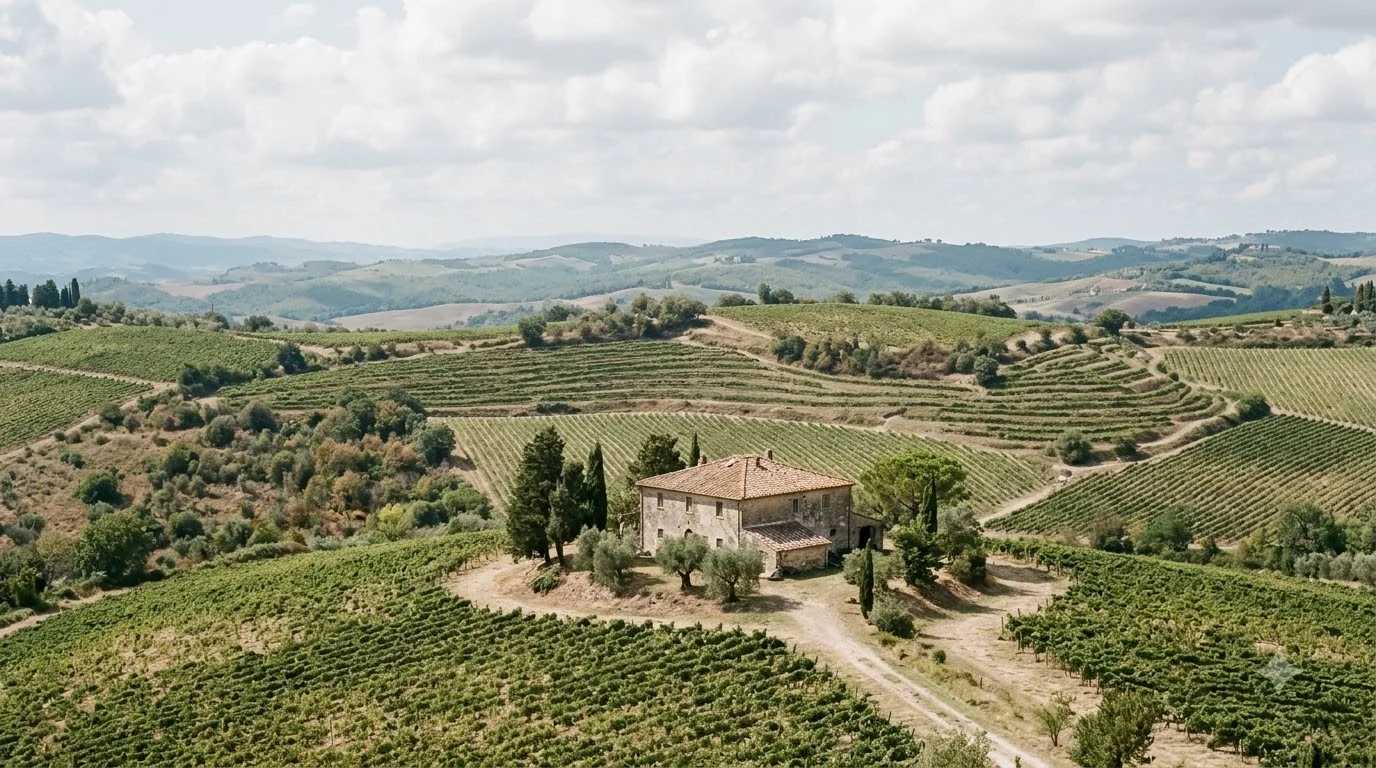
Dundee Hills wine tasting offers visitors an opportunity to explore Oregon’s celebrated Pinot Noir, distinctive volcanic soils, and small-production wines in one of the Willamette Valley’s most recognized wine regions. Located southwest of Portland, the Dundee Hills AVA is particularly known for elegant Pinot Noir and Chardonnay, with vineyards spread across rolling hillsides. Visitors can experience estate-grown wines, compare individual vineyard expressions, and enjoy tasting rooms with views of Oregon wine country. Understanding the region’s geography, grapes, and winery options makes it easier to plan a rewarding visit.
For wine enthusiasts, Dundee Hills combines an important place in Oregon wine history with a concentration of wineries that showcase the character of the region. Its red volcanic soils, varied elevations, and relatively moderate growing conditions contribute to wines that balance ripe fruit, freshness, and structure. Whether planning a dedicated wine weekend or adding a few winery visits to a Willamette Valley itinerary, knowing what distinguishes Dundee Hills helps visitors make better tasting choices.
What Makes Dundee Hills Wine Country Special?
Dundee Hills stands apart for its combination of volcanic geology, hillside vineyards, and a strong association with Oregon Pinot Noir. The region’s Jory soils, protected location, and differences in vineyard elevation contribute to wines with distinctive fruit character and lively acidity.
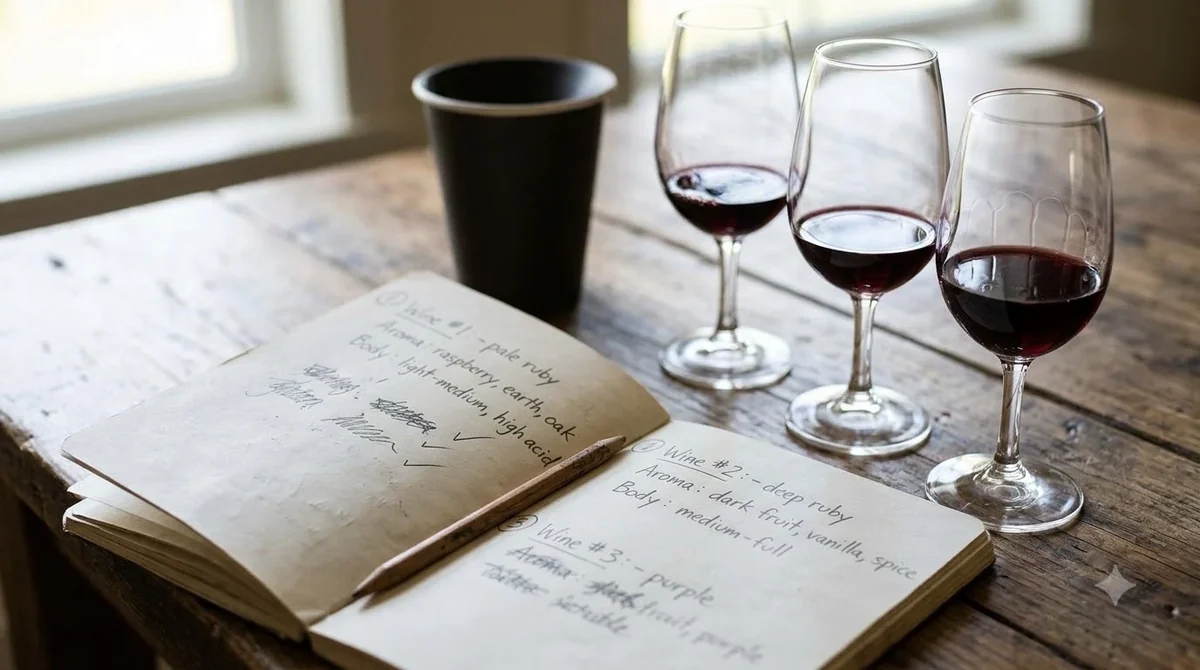
The Dundee Hills American Viticultural Area covers approximately 12,500 acres, with around 2,225 acres planted to wine grapes, according to Oregon Wine. It sits within the larger Willamette Valley AVA, approximately 28 to 30 miles southwest of Portland and about 40 miles inland from the Pacific Ocean. Its position between the Coast Range and the Chehalem Mountains helps moderate some of the climatic influences affecting surrounding areas.
One of the region’s defining characteristics is its red volcanic Jory soil. Formed from ancient basalt, this soil contains layers of clay and weathered volcanic material. According to Oregon Wine, Jory soils commonly extend 4 to 6 feet deep. Their structure supports drainage while retaining some moisture, creating useful conditions for grape growing during Oregon’s relatively dry summers. The Oregon Wine overview of the Dundee Hills AVA provides additional regional context on its geology, geography, and signature varieties.
Elevation also matters. Dundee Hills rises from approximately 200 feet above sea level to a high point of 1,067 feet. This variation creates differences in sunlight exposure, air movement, drainage, and growing conditions between vineyard sites. A vineyard on a sheltered slope may produce fruit with a different ripening pattern from one on a more exposed hillside, even when the properties are relatively close together.
These geographical differences explain why tasting wines from several Dundee Hills producers can be particularly interesting. One Pinot Noir might emphasize red cherry and floral aromas, while another shows darker fruit, earthy details, or a firmer structure. Such differences are not necessarily signs of quality variation; they can reflect vineyard location, grape selection, vintage conditions, and cellar decisions.
The regional reputation is also supported by its history and concentration of producers. The Willamette Valley Wineries Association identifies 28 wineries, 32 tasting rooms, and 98 vineyards in its Dundee Hills overview. This concentration gives visitors several opportunities to compare wines without traveling long distances between completely separate wine-growing districts.
The History Behind the Dundee Hills Pinot Noir Reputation
Dundee Hills played a central role in the development of Oregon’s modern wine industry. The planting of early vineyards in the 1960s helped establish Pinot Noir as the region’s signature grape, and subsequent generations of winemakers developed a recognizable local wine identity.
David Lett planted the first Pinot Noir vines in the Willamette Valley in 1966, establishing The Eyrie Vineyards in what is now the Dundee Hills AVA. His decision to grow Pinot Noir in Oregon helped demonstrate that the state could produce wines from this demanding grape variety with the freshness and complexity associated with established cool-climate regions.
Other pioneers followed, including Dick Erath, the Knudsen family, and the Sokol Blossers. Their vineyard plantings helped establish the foundation for the area’s wine-growing community. The region’s early producers were working with a relatively undeveloped Oregon wine industry, so their progress also depended on sharing knowledge about suitable vineyard locations, grape varieties, and growing practices.
An important moment in the region’s international recognition came in 1979, when The Eyrie Vineyards Reserve Pinot Noir received attention at the Gault-Millau French Wine Olympiad. Its performance helped demonstrate that Oregon Pinot Noir could compete with respected wines from established European regions.
The arrival of Maison Joseph Drouhin in 1987 further strengthened the region’s international connections. Robert Drouhin expanded his family’s vineyard interests into Dundee Hills, bringing additional attention to the area’s potential for Burgundian grape varieties. Domaine Drouhin Oregon subsequently became one of the region’s recognizable wine destinations.
The Dundee Hills received official AVA recognition in 2004. This designation formally identified the area’s particular geographical and growing characteristics within the broader Willamette Valley. For visitors, the distinction is useful because a Dundee Hills designation identifies a wine with grapes grown within this specific appellation rather than simply somewhere in Oregon.
Today’s wineries combine established family traditions with newer approaches to vineyard management and winemaking. Some focus on individual vineyard bottlings, while others emphasize estate blends or wines sourced from multiple sites. This mixture makes the region interesting for both newcomers and experienced Pinot Noir drinkers.
Which Wines Should You Look for During a Visit?
Pinot Noir should be the starting point for most Dundee Hills tasting visits, but Chardonnay, Pinot Gris, Pinot Blanc, and sparkling wines also deserve attention. Comparing several varieties provides a fuller understanding of the region than focusing on a single red wine.
Pinot Noir: The Signature Variety
Pinot Noir accounts for approximately 69.5% of planted grape varieties in the Willamette Valley Wineries Association’s Dundee Hills overview. Its prominence reflects the region’s long history with the grape and the growing conditions that favor cool-climate expressions.
Typical Dundee Hills Pinot Noir can display red cherry, raspberry, strawberry, cranberry, and other fresh fruit characteristics. Depending on the vineyard and winemaking approach, additional notes may include dried herbs, forest floor, subtle spice, earth, and floral aromas.
The wines generally have medium to high acidity and low to medium tannin compared with fuller-bodied red varieties such as Cabernet Sauvignon. Their texture can be silky rather than heavily structured, making them suitable for a broad range of food pairings.
During a tasting, pay attention to the relationship between fruit, acidity, and texture. A wine with bright red fruit and fresh acidity may feel particularly lively, while a bottle with greater concentration and oak influence may seem broader and more layered. Neither style automatically represents a better expression of Dundee Hills; they simply illustrate different winemaking choices.
Chardonnay: A Second Essential Tasting
Chardonnay represents approximately 5.75% of planted varieties in the regional overview. Although it occupies considerably less vineyard area than Pinot Noir, it is an important part of the area’s wine identity.
Dundee Hills Chardonnay can show citrus, apple, pear, and stone-fruit characteristics, often supported by refreshing acidity. Depending on the producer, oak aging and malolactic fermentation may contribute notes of toast, cream, butter, or baking spice.
When comparing Chardonnays, consider how the acidity interacts with the wine’s body. A more restrained style may emphasize lemon, green apple, and mineral impressions, while a richer example may offer a fuller texture and more pronounced oak influence.
Other Varieties Worth Exploring
Pinot Gris and Pinot Blanc are additional regional varieties worth requesting during a visit. Pinot Gris often offers pear, apple, citrus, and sometimes stone-fruit flavors. Pinot Blanc can be crisp and restrained, with orchard-fruit characteristics and refreshing acidity.
Sparkling wine also deserves a place in a tasting itinerary. Traditional-method sparkling wines undergo their second fermentation in the bottle, which can contribute fine bubbles and additional complexity. Some Dundee Hills producers work with Pinot Noir and Chardonnay for sparkling bottlings.
Occasionally, visitors may encounter varieties such as Cabernet Franc or other less common grapes. These wines offer an opportunity to see how producers work beyond the region’s most familiar varieties.
| Wine variety | Typical tasting characteristics | What to notice |
|---|---|---|
| Pinot Noir | Cherry, raspberry, earth, floral notes | Acidity, texture, subtle tannin |
| Chardonnay | Apple, citrus, pear, toast | Oak influence and freshness |
| Pinot Gris | Pear, apple, citrus, stone fruit | Fruit intensity and acidity |
| Pinot Blanc | Orchard fruit, citrus, delicate floral notes | Freshness and restrained texture |
| Sparkling wine | Citrus, apple, fine bubbles, sometimes brioche | Bubble texture and finish |
For a useful comparison, taste a Pinot Noir and Chardonnay from the same producer before moving to another winery. This approach can reveal how a single estate expresses its growing conditions through two different grape varieties.
Notable Wineries to Include in Your Dundee Hills Itinerary
Dundee Hills has established producers, family-owned vineyard estates, and smaller wineries offering different tasting formats. Knudsen Vineyards, Dusky Goose, Domaine Drouhin Oregon, and other regional producers provide useful starting points for exploring the area’s wine styles.
Knudsen Vineyards
Knudsen Vineyards is an important name in the history of Oregon wine. The family vineyard was established in 1971 and is located at 9419 NE Worden Hill Road in Dundee.
The estate grows Pinot Noir and Chardonnay and also produces traditional-method sparkling wines. Its tasting room, known as The Outlook, provides an opportunity to explore the winery’s portfolio while enjoying views of the surrounding wine country.
Knudsen welcomes walk-in visitors daily, with published tasting room hours of 10:30 a.m. to 4:30 p.m. Its tasting experiences include an estate wine tasting and a food-and-wine experience called Chapters. A seasonal vineyard hike and tasting is another option, with availability varying by season.
Dusky Goose
Dusky Goose offers a seated tasting experience at 8355 NE Warren Road in Dundee. Its tasting room is located at Rambouillet Vineyard, placing visitors among the vines rather than in a conventional downtown tasting environment.
The winery focuses on limited-production Pinot Noir and Chardonnay when available. Its estate tasting features current releases, with occasional selections from the cellar. This format is particularly useful for visitors interested in comparing current wines with older examples.
Dusky Goose lists daily tasting room hours of 11 a.m. to 5 p.m. Reservations are recommended, although walk-ins are welcome when space permits. A vineyard walk and tasting is also offered seasonally from June through September.
Domaine Drouhin Oregon
Domaine Drouhin Oregon is another important destination for visitors interested in the relationship between Oregon and Burgundy. The family’s arrival in Dundee Hills in 1987 helped bring additional international attention to the region.
The winery is particularly relevant for Pinot Noir and Chardonnay enthusiasts who want to explore a producer with Burgundian connections. Its wines provide an opportunity to consider how traditional grape varieties respond to Oregon’s soils and climate.
Visitors should confirm the current tasting format and appointment requirements before planning a stop. Winery experiences can differ according to the season, group size, and availability of particular wines.
Other Producers to Explore
The Dundee Hills Winegrowers Association directory lists many additional wineries, including Alexana Estate, Archery Summit, De Ponte Cellars, Domaine Serene, Domaine Roy & fils, and Lange Estate Winery. Each offers another perspective on the region’s wine-growing environment.
For visitors who prefer to compare several wineries, choosing producers with different vineyard locations or tasting formats can make the day more informative. One appointment might focus on estate Pinot Noir, while another introduces Chardonnay, sparkling wine, or older vintages.
The regional directory also identifies practical amenities, including food availability, picnic facilities, pet-friendly areas, family-friendly experiences, and winery tours. These details can help visitors select destinations that suit their travel arrangements.
For a broader overview of individual estates, the guide to Dundee Hills vineyards provides another starting point for researching the area’s wine producers.
How to Plan a Dundee Hills Wine Tasting Day
A successful Dundee Hills wine itinerary should prioritize a manageable number of appointments, allow enough time at each tasting room, and account for the hilly roads between vineyard properties. Two or three well-chosen winery visits usually provide a more comfortable experience than attempting to visit every available destination.
Choose a Practical Starting Point
Dundee is a useful base for exploring the region. It provides access to wineries along Worden Hill Road and other vineyard roads, as well as places to eat and stay. Visitors traveling from Portland can generally reach the Dundee Hills area by car in approximately 45 minutes to an hour, depending on traffic and the exact destination.
Begin by selecting a winery that offers the most important experience on your list. If estate Pinot Noir is your priority, choose a producer with a focused Pinot Noir flight. If you are interested in learning about the area’s history, include an established vineyard such as Knudsen Vineyards.
Make Reservations Before Traveling
Although some tasting rooms welcome walk-ins, many wineries operate by appointment or recommend advance reservations. Group size, tasting-room capacity, and seasonal visitor numbers can influence availability.
Check the winery’s official website for its current opening hours, tasting format, appointment requirements, and visitor policies. A reservation is particularly useful for groups, weekend visits, and experiences involving vineyard walks or food pairings.
Allow approximately 60 to 90 minutes for a seated tasting, especially when the experience includes several wines and explanations of vineyard sites. More specialized experiences may take longer.
Organize the Route Around Geography
Worden Hill Road is a useful area to consider when arranging visits. Knudsen Vineyards and several other producers are located along or near this road, making it possible to organize nearby stops without repeatedly crossing the region.
However, do not assume that every winery listed under Dundee Hills is directly beside the next one. Vineyard roads can be narrow and winding, and some properties require additional driving. Check the actual addresses before setting the order of appointments.
Allow Time for Food and Breaks
Food is an important part of a comfortable tasting itinerary. Some wineries offer food or curated pairing experiences, while others permit visitors to bring picnic items. Confirm the policy of each property rather than assuming outside food is allowed everywhere.
If you plan to eat between appointments, allow enough time for a proper meal rather than relying on snacks throughout the day. Food can also help demonstrate how Pinot Noir and Chardonnay work with different ingredients.
Tip: Plan no more than two or three seated winery tastings in one day, particularly if each visit includes a full flight. Arrange transportation with a designated driver or professional wine tour service, confirm appointments in advance, and leave enough time to enjoy the vineyard surroundings.
Consider the Season
Spring brings fresh vineyard growth and changing conditions, while summer generally provides more opportunities for outdoor seating and vineyard experiences. Fall is particularly interesting because harvest activity adds another dimension to the wine-growing landscape.
Winter visits can offer a quieter atmosphere, although some wineries may operate with reduced hours or appointment-only schedules. Always confirm seasonal availability before setting out.
How to Taste and Compare Dundee Hills Wines
The best way to understand Dundee Hills wines is to compare them systematically. Pay attention to grape variety, vineyard origin, acidity, fruit character, texture, and finish rather than relying only on general descriptions.
Begin with lighter wines before moving to fuller or more structured selections. If a tasting flight includes sparkling wine, Pinot Gris, Chardonnay, and Pinot Noir, follow the winery’s recommended sequence. Sparkling and lighter white wines generally provide a fresh beginning before more concentrated reds.
Look Beyond the Fruit Aromas
With Pinot Noir, consider the balance between fruit, acidity, and tannin. Red cherry and raspberry notes are common reference points, but also look for floral aromas, earth, herbs, and subtle spice. The wine’s texture can reveal as much about its style as its aroma.
Chardonnay deserves a similar examination. Notice whether citrus and green apple dominate, or whether the wine shows more ripe pear, peach, and oak-related characteristics. Consider how the finish changes as the wine warms slightly in the glass.
Compare Vineyard Expressions
One of the most useful tasting exercises is to compare wines from different vineyard sites. Dundee Hills producers may work with grapes grown at different elevations, on different slopes, and in soils with varying depths and rock content.
Wine Enthusiast’s Dundee Hills region overview discusses the area’s history, geography, and distinctive Pinot Noir identity. Its regional context helps explain why wines from neighboring vineyard sites can show different combinations of fruit, structure, and aromatic character.
For a more structured comparison, use the following approach:
- Start with the grape variety and identify the basic fruit profile.
- Note the wine’s acidity and whether it feels fresh or relatively soft.
- Consider the texture, particularly the level of tannin in Pinot Noir.
- Look for differences in oak influence, body, and aromatic complexity.
- Compare the finish and consider how the wine changes after several minutes in the glass.
Pay Attention to Serving Temperature
Serving temperature affects how aromas, acidity, and texture appear. Light-bodied reds such as Pinot Noir generally show well at approximately 55 to 60 degrees Fahrenheit, while full-bodied reds are usually served around 60 to 65 degrees Fahrenheit.
Chardonnay generally benefits from serving at approximately 50 to 55 degrees Fahrenheit when it has a fuller body. Lighter whites are typically served around 45 to 50 degrees Fahrenheit, allowing their acidity and fresh fruit characteristics to remain prominent.
A wine served too cold may seem restrained, while excessive warmth can make alcohol more noticeable and reduce the impression of freshness. Allowing a glass a few minutes to adjust can reveal additional aromas and texture.
Match Dundee Hills Wines with Food
Pinot Noir is particularly versatile at the table because its acidity and relatively moderate tannin work well with many dishes. Roast chicken, grilled salmon, mushroom dishes, duck, pork tenderloin, and herb-seasoned vegetables are useful pairing choices.
Chardonnay can accompany roast poultry, creamy pasta, seafood, and dishes featuring butter or mild cheeses. A fresher, unoaked style works especially well with lighter preparations, while a fuller oak-aged example can complement richer dishes.
For food with significant acidity, select a wine with equal or higher acidity so that the wine does not taste flat. Salt and fat can soften the perception of tannin, which is useful when pairing red wine with richer dishes. Very spicy food is more difficult because alcohol and tannin can intensify the perception of chili heat.
Visitors interested in exploring a different international hillside wine region can also compare the experience with Adelaide Hills wine tasting. Although the climates and grape varieties differ, comparing regional expressions provides another way to understand the influence of geography on wine.
Buying, Storing, and Enjoying Dundee Hills Wines at Home
Taking home a few bottles is a practical way to continue exploring the region after a tasting visit. Focus on wines that represent different producers, grape varieties, or vineyard sites rather than purchasing several bottles with nearly identical characteristics.
A useful starting selection might include one Dundee Hills Pinot Noir, one Chardonnay, and a sparkling wine if the producer offers a traditional-method bottling. This provides three different perspectives on the area’s winemaking.
When comparing bottles, consider the producer’s vineyard sourcing, grape variety, vintage conditions, and aging approach. A single-vineyard Pinot Noir may provide a more focused expression of a particular location, while a blended bottling can show how a producer combines fruit from multiple sites to achieve balance.
For additional regional context, the guide to Wine Regions explains how appellations help identify where grapes are grown and why geographical distinctions matter when selecting a bottle.
Storing Your Bottles
Store bottles in a cool, dark location with a relatively stable temperature. A temperature near 55 degrees Fahrenheit is a useful target for longer-term wine storage. Bottles sealed with natural cork should generally be stored on their sides to keep the cork from drying out.
Avoid locations near ovens, heating equipment, direct sunlight, or areas subject to frequent temperature changes. These conditions can negatively affect wine quality over time.
Serving After Opening
A standard wine pour is approximately 5 ounces, meaning a 750-milliliter bottle provides about five glasses. If serving Dundee Hills Pinot Noir, a slightly cooler serving temperature of 55 to 60 degrees Fahrenheit can help preserve its freshness and aromatic detail.
Once opened, still wines generally remain suitable for drinking for approximately 3 to 5 days when refrigerated and properly sealed, although the precise period varies with the wine and storage conditions. Sparkling wines generally keep their quality for about 1 to 3 days with an appropriate sparkling-wine stopper. Fortified wines can last several weeks after opening, depending on their style.
Young, fuller-bodied red wines sometimes benefit from 30 to 60 minutes of decanting. Pinot Noir usually requires less aggressive aeration than highly tannic reds, so assess the wine before deciding whether to decant it.
Build a Small Regional Collection
A thoughtful Dundee Hills collection can demonstrate the region’s diversity without requiring a large number of bottles. Choose one producer whose style you particularly enjoyed, then add a contrasting example from another vineyard or winemaker.
Keeping brief tasting notes is useful. Record the producer, grape variety, vintage, vineyard designation, fruit character, acidity, and texture. Over time, these notes make it easier to identify the styles you prefer and recognize the differences between individual Dundee Hills producers.
Visitors who enjoy exploring other Oregon appellations can also learn about Red Hills wine and compare the characteristics of different regional wine-growing areas.
Frequently Asked Questions
Is Dundee Hills the same as the Willamette Valley?
No. Dundee Hills is a smaller AVA located within the larger Willamette Valley AVA. American wine labeling rules allow qualifying wines to identify the more specific appellation when the applicable grape-origin requirements are met. This distinction helps consumers identify wines associated with a particular growing area rather than the entire valley.
What does AVA mean on a Dundee Hills wine label?
AVA stands for American Viticultural Area, a federally recognized grape-growing region defined by geographical characteristics. The United States established the Dundee Hills AVA on November 30, 2004. An AVA designation identifies the wine’s regional origin, but it does not by itself establish a particular quality level or winemaking style.
Can visitors find wines made from old vines in Dundee Hills?
Yes. The region has vineyards dating back to the early development of Oregon’s modern wine industry. Oregon Wine specifically highlights approximately fifty-year-old vines in its description of the area’s history. Older vines are of interest to collectors because their development and vineyard history can provide additional context when comparing bottlings.
Does Dundee Hills produce organic and sustainably farmed wine?
Some producers emphasize sustainable vineyard management and environmental stewardship, although farming certifications and practices differ between estates. The Dundee Hills Winegrowers Association highlights responsible land stewardship as part of its regional mission. Visitors interested in specific certifications should ask individual wineries about their farming and production practices.
Are Dundee Hills wines suitable for aging?
Some Dundee Hills Pinot Noir and Chardonnay can develop additional complexity with bottle age, but aging potential depends on the producer, vintage, vineyard, and wine style. More concentrated Pinot Noir bottlings may evolve toward dried fruit, forest floor, and savory characteristics over time. Many lighter and fresher wines, however, are intended to be enjoyed relatively young rather than held for extended periods.
Dundee Hills wine tasting provides an excellent introduction to Oregon’s distinctive Pinot Noir culture while revealing the influence of volcanic soils, elevation, and individual vineyard sites. By visiting a few carefully selected wineries, comparing Pinot Noir and Chardonnay, and paying attention to the details behind each bottle, visitors can develop a deeper appreciation for this important Willamette Valley appellation. Whether enjoying a tasting-room visit or bringing home a few memorable bottles, Dundee Hills offers plenty of reasons to explore Oregon wine country.
More in Wine Regions
 Willcox Wine Trail: Discover Arizona’s High-Elevation Wine CountryUpdated Nov 20, 2026
 Yakima Valley Wine Region: Find the Best Styles to TryUpdated Nov 20, 2026
 Vosne Romanee Wine Tasting: Identify Aromas and Choose Better PairingsUpdated Nov 20, 2026
 Yakima Valley Wine Festival: Find the Best Seasonal Wine EventsUpdated Nov 20, 2026
 Wales Vineyards: Discover Cool-Climate Wines and Where to VisitUpdated Nov 20, 2026
 Yountville Wine Festival: Discover Napa Wines and Local FoodUpdated Nov 20, 2026