

We may earn a commission when you buy through links on this page, at no extra cost to you. Learn more.
The best dundee hills wineries include Sokol Blosser, Domaine Drouhin Oregon, Domaine Serene, Archery Summit, Bergström Wines, and Knudsen Vineyards for their distinctive Oregon Pinot Noir, vineyard settings, and tasting experiences. Located in Oregon’s Willamette Valley, the Dundee Hills AVA is particularly known for elegant Pinot Noir, with Chardonnay and Pinot Gris providing additional variety. The right winery itinerary depends on whether you prefer guided estate tastings, beautiful vineyard views, food pairings, or opportunities to explore different expressions of the region’s volcanic soils.
The Dundee Hills is one of Oregon’s most recognizable wine destinations, offering a concentration of respected producers within a relatively compact area. Its combination of cool-climate growing conditions, basalt-based geology, rolling vineyards, and welcoming tasting rooms makes it an appealing destination for both experienced wine enthusiasts and first-time visitors. Rather than trying to visit every available tasting room, choose a few wineries that offer different perspectives on the area’s wines and hospitality.
Who Should Visit Dundee Hills Wineries
The Dundee Hills is particularly well suited to travelers who appreciate Pinot Noir, want to learn about Oregon wine, and enjoy visiting wineries in scenic agricultural settings. Its concentration of vineyards and tasting rooms makes it possible to build a focused wine-country itinerary without spending an entire day driving between distant producers.
Pinot Noir enthusiasts should put the region near the top of their Oregon wine itinerary. According to the Willamette Valley Wineries Association, Pinot Noir represents approximately 69.5% of planted grape varieties in the Dundee Hills AVA. That concentration gives visitors an opportunity to compare wines from different producers and vineyard sites while learning how farming decisions, fermentation, aging, and blending influence the finished wine.
Chardonnay drinkers also have good reasons to visit. Chardonnay represents approximately 5.75% of the AVA’s planted grape varieties, making it an important secondary variety. Pinot Gris accounts for approximately 2.23%. Although Pinot Noir dominates the region’s identity, tasting these additional varieties helps demonstrate the range of wines produced in the Dundee Hills.
The area is also suitable for travelers who value the experience surrounding the wine. Some wineries offer expansive vineyard views, seated tastings, food options, tours, and outdoor spaces. Sokol Blosser, for example, provides several distinct tasting areas, while wineries such as Domaine Willamette are listed with restaurant and tour amenities.
First-time Oregon wine visitors should consider the Dundee Hills because the region offers a concentrated introduction to Willamette Valley wine. Experienced collectors may prefer appointments at producers such as Bergström Wines, Domaine Serene, or Domaine Drouhin Oregon, where they can focus on comparing individual wines and discussing vineyard character.
Visitors should also consider their transportation arrangements. Downtown Dundee has tasting rooms and restaurants within walking distance, but estate wineries situated among the hills generally require a car or organized transportation. Anyone planning multiple tastings should arrange a designated driver or professional transportation rather than relying on spontaneous rideshare availability.
Key Factors to Compare When Choosing a Winery
The best winery for one visitor may not be the best choice for another. Compare the wine selection, tasting format, setting, reservation requirements, and available food before choosing your destinations.
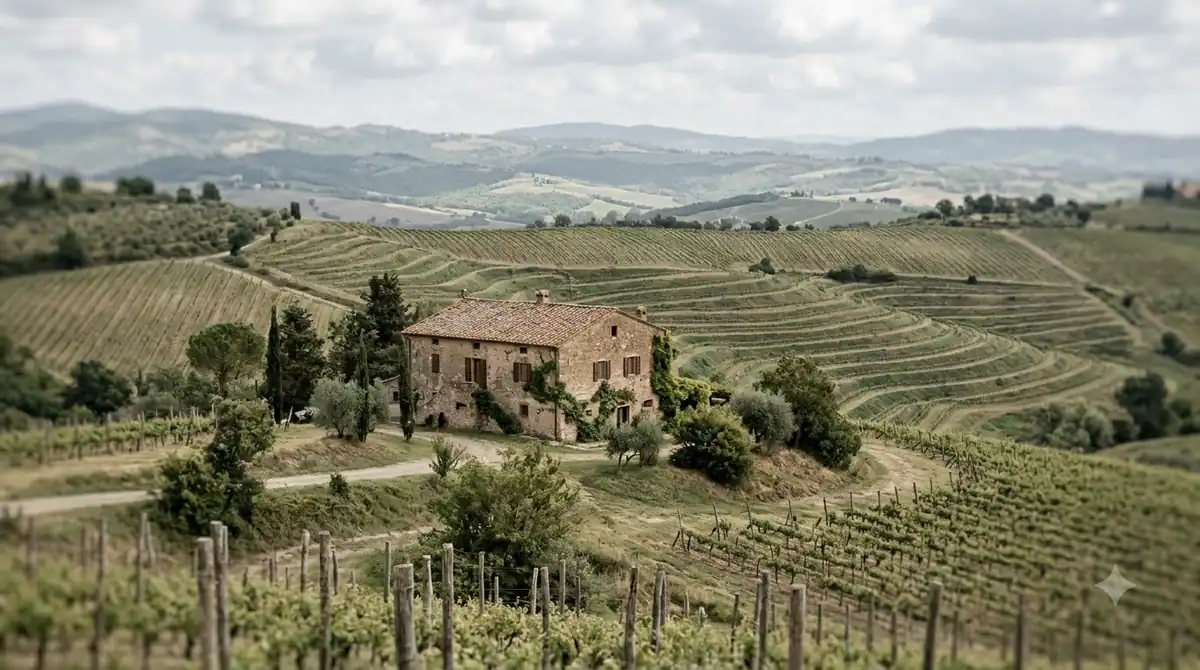
Start with the wine portfolio. A winery that emphasizes estate-grown Pinot Noir may be particularly interesting to someone who wants to understand individual vineyard sites. Another producer might offer a broader selection of Pinot Noir, Chardonnay, sparkling wine, and other Willamette Valley varieties. If Pinot Noir is your primary interest, ask whether the tasting includes multiple vineyard expressions rather than only a regional blend.
Next, consider the physical setting. Estate tasting rooms can provide a closer connection to the vineyards and surrounding landscape. Downtown tasting rooms, meanwhile, make it easier to visit multiple producers without repeatedly driving up and down the hills. Neither experience is inherently better; the right choice depends on whether the vineyard environment or convenience matters more.
The following comparison provides a practical starting point. The figures describe regional characteristics and a documented tasting experience rather than ranking the wineries by wine quality.
| Comparison factor | Typical figure or characteristic | Why it matters |
|---|---|---|
| Dundee Hills AVA area | 12,500 acres | Provides geographic context for the wine region. |
| Planted grape area | 2,225 acres | Shows the scale of viticulture. |
| Listed vineyards | 98 | Demonstrates the diversity of vineyard sources. |
| Listed wineries | 28 | Indicates the concentration of producers. |
| Pinot Noir planting share | 69.5% | Explains the region’s strong Pinot Noir identity. |
| Chardonnay planting share | 5.75% | Highlights an important white-wine variety. |
| Pinot Gris planting share | 2.23% | Identifies another regional white-wine option. |
| Sokol Blosser estate tasting | 75 minutes | Helps visitors plan their appointment schedule. |
These regional figures come from the Willamette Valley Wineries Association, while the tasting duration comes from Sokol Blosser’s official visitor information. They provide useful planning context, but they should not be interpreted as a quality ranking or a guarantee of what an individual tasting flight will include.
Reservation policies are another important comparison. Some wineries operate primarily by appointment, while others accommodate walk-ins when space allows. Group size, outdoor seating, food service, and seasonal opening schedules can also influence the experience. Review each winery’s current visitor information before finalizing the route.
Finally, consider the amount of time available. A leisurely visit at one estate can be more rewarding than rushing through four appointments. Visitors who have only an afternoon may prefer two carefully selected wineries, while those spending a full day in Dundee can add a downtown tasting room and a meal.
Step-by-Step: How to Plan a Dundee Hills Winery Visit
A successful Dundee Hills wine trip starts with a clear schedule and realistic travel expectations. Two or three well-chosen wineries, adequate time for lunch, and advance reservations generally provide a more enjoyable experience than an overloaded itinerary.
-
Choose your main wine interest.
Decide whether Pinot Noir, Chardonnay, sparkling wine, or a broader selection is your priority. Pinot Noir-focused visitors can start with producers such as Bergström Wines, Domaine Serene, and Archery Summit. Those interested in a broader estate experience may also consider Sokol Blosser.
-
Select two or three wineries.
Choose destinations with different strengths. For example, combine a winery known for its estate setting with a producer offering a different approach to Pinot Noir and a downtown tasting room. This creates a more varied experience than visiting several establishments with nearly identical tasting formats.
-
Check appointment requirements.
Review the official tasting pages for opening hours, available experiences, group policies, and reservation requirements. The Dundee Hills Winegrowers Association recommends making reservations so visitors can coordinate their appointments with their plans. Weekend visits deserve particular attention.
-
Allow enough time for each tasting.
A seated tasting can take considerably longer than a quick glass at a wine bar. Sokol Blosser, for example, lists a 75-minute estate tasting. Add time for arrival, parking, questions, browsing, and purchasing wine rather than scheduling appointments back-to-back.
-
Arrange transportation.
Downtown Dundee can be explored on foot, but estate tasting rooms spread across the hills are not all within convenient walking distance. Reserve a designated driver, private driver, or organized wine tour if visiting multiple vineyards.
-
Plan a meal.
Food makes a difference during a day of wine tasting. Consider a winery with food service or schedule lunch at a Dundee restaurant. Sokol Blosser offers seasonal small plates, while Domaine Willamette is listed with a restaurant among its amenities.
-
Finish with a purchase plan.
Identify the wines you particularly enjoyed and ask about availability, shipping, and wine club arrangements. Some Dundee Hills wines are offered exclusively through tasting rooms, so a favorite bottle may not be easy to find through ordinary retail channels.
Tip: Leave approximately 90 minutes to 2 hours for a winery visit when the experience includes a seated tasting, vineyard views, and time to browse. This is a planning allowance rather than a universal appointment duration. Sokol Blosser’s documented 75-minute tasting illustrates why a realistic schedule matters.
For visitors who want to explore other American wine destinations on a separate trip, guides to the best Temecula wineries and best Paso Robles wineries offer useful comparisons with California’s wine regions. The styles and growing conditions differ considerably, making these destinations interesting alternatives for travelers who enjoy comparing regional wine identities.
Types of Dundee Hills Winery Experiences Explained
Dundee Hills wineries offer several different ways to explore Oregon wine. Understanding the differences between estate tastings, vineyard-focused experiences, urban tasting rooms, and food-paired visits helps visitors choose experiences that match their interests.
Estate Vineyard Tastings
Estate tastings are a strong choice for visitors who want to connect the wine with its growing environment. These experiences generally take place at or near the winery’s vineyards, where guests can enjoy the landscape while learning about grape growing and winemaking.
Sokol Blosser is a particularly recognizable option for this type of visit. Its official visitor information describes a main tasting room with views of the Willamette Valley and Dundee Hills, a front porch overlooking the vines, and a vineyard landing with close-up vineyard views. The property also has several spaces for different types of visits.
Other producers worth considering include Knudsen Vineyards, which is listed by the Dundee Hills Winegrowers Association with vineyard tours, and Domaine Drouhin Oregon, which offers an appointment-based tasting experience. These wineries are appropriate choices for travelers who want to make the estate environment part of their wine-country day.
Pinot Noir-Focused Experiences
Pinot Noir should be the starting point for anyone exploring Dundee Hills wine. The variety accounts for approximately 69.5% of regional grape plantings, and the area’s basaltic soils and cool-climate conditions help define its wine identity.
Consider comparing wines from Domaine Serene, Archery Summit, and Bergström Wines. These are established names in the area’s winery directory, and their presence provides several starting points for visitors interested in Oregon Pinot Noir.
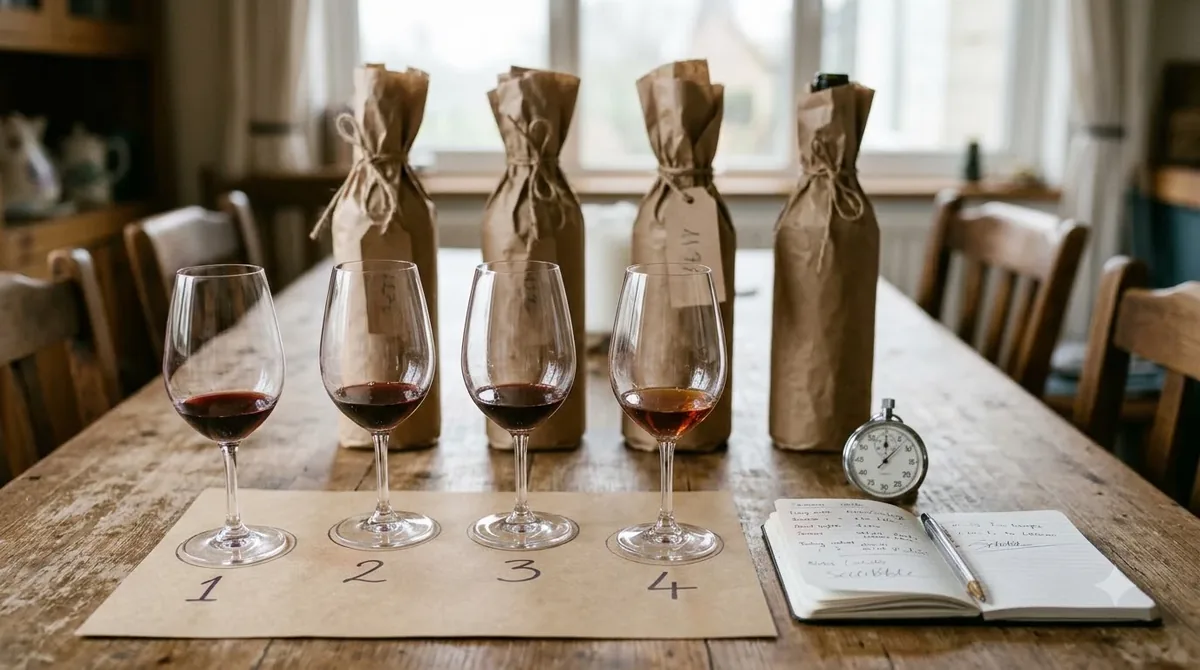
Rather than concentrating only on familiar labels, ask about differences between vineyard sources, vintages, and winemaking approaches. Compare acidity, tannin, red-fruit character, earthy notes, oak influence, and texture. Pinot Noir can be relatively delicate, but differences in site and cellar choices can produce noticeably different expressions.
Chardonnay and White-Wine Tastings
Visitors who prefer white wines should not overlook the Dundee Hills. Chardonnay accounts for approximately 5.75% of the region’s grape plantings, and Pinot Gris provides another useful variety to explore.
When comparing Chardonnay, consider acidity, body, oak treatment, and the balance between fruit and savory characteristics. Some wines may emphasize fresh citrus and orchard fruit, while others show greater richness or creaminess. Ask whether the winery offers different vineyard sources or aging approaches in the same tasting.
Pinot Gris is also worth including, particularly for visitors who prefer a refreshing white wine. Its fruit-forward character can provide a useful contrast with Chardonnay and the region’s more structured Pinot Noir selections.
Food-Paired and Culinary Experiences
Food-focused tastings are especially attractive for visitors who want more than a standard flight of wines. A carefully selected small-plate menu can demonstrate how acidity, texture, and fruit character interact with different foods.
Sokol Blosser offers seasonal small plates designed to complement its wines, along with a separate Farm & Forage culinary experience. Its official tasting and visitor information describes the available experiences and practical details for planning a visit. The winery’s wine bar also operates Friday through Sunday from 11 a.m. to 5 p.m., providing an alternative for visitors who prefer a more casual stop.
Other options include wineries listed with food availability, such as Domaine Serene, Archery Summit, and Domaine Willamette. Food availability and service formats vary, so confirm the actual experience before arriving.
Downtown Tasting Rooms
Downtown Dundee provides a practical alternative to visiting several hillside estates. Its central tasting rooms make it possible to enjoy different producers, walk between stops, and visit nearby restaurants without repeatedly driving through the countryside.
This format is particularly useful for visitors with limited time or those staying in Dundee. It also works well as the final stop after an estate visit, when a relaxed glass of wine is preferable to another scheduled tasting.
Travelers should remember that an urban tasting room may feature wines from vineyards elsewhere in the Willamette Valley. Ask about the origin of each wine if the goal is specifically to compare Dundee Hills AVA bottlings rather than Oregon wine generally.
Common Mistakes When Visiting Dundee Hills Wineries
The most common planning mistakes involve trying to visit too many wineries, overlooking reservation policies, and assuming every tasting room offers the same experience. A little preparation helps visitors make better choices and enjoy more meaningful tastings.
Scheduling too many appointments. A winery visit is not simply a matter of arriving, tasting three wines, and leaving. A guided flight may include explanations of vineyard sources, grape growing, fermentation, and aging. Add time for parking, walking around the property, and asking questions. Even a 75-minute appointment at Sokol Blosser requires a realistic schedule around it.
Assuming all wineries accept walk-ins. The region includes producers with appointment-based experiences and others that accommodate visitors when space is available. Bergström Wines and Domaine Drouhin Oregon are listed with appointment options in the regional winery directory. Check the reservation policy before building a route around either destination.
Choosing wineries only by reputation. A famous producer is not automatically the right destination for every visitor. Someone who wants a relaxed afternoon with food and vineyard views may prefer a different experience from a collector seeking a focused Pinot Noir comparison. Match the visit to the wines and hospitality you actually want.
Ignoring transportation distances. Downtown Dundee and the hillside estates offer different logistical experiences. Walking between central tasting rooms may be convenient, but that does not mean it is practical to walk between vineyards spread across the surrounding hills. Plan transportation before making appointments.
Failing to eat. Wine tasting on an empty stomach can make an otherwise enjoyable day uncomfortable. Arrange lunch or choose an experience with food service. Sokol Blosser’s seasonal small plates and Domaine Willamette’s listed restaurant are two possibilities to investigate.
Focusing on one grape variety exclusively. Pinot Noir deserves attention, but tasting Chardonnay or Pinot Gris can provide a broader understanding of the AVA. Try comparing at least one white wine with a Pinot Noir during the visit. Differences in acidity, body, fruit, and oak influence make the comparison educational.
Feeling pressured to buy wine. A tasting room may offer bottles or a wine club membership, but visitors do not need to purchase anything. The Dundee Hills Winegrowers Association specifically notes that there is no obligation to buy wine or join a club after a tasting. Ask questions, enjoy the experience, and purchase only what suits your preferences.
Assuming tasting policies are identical. Children, pets, food, outdoor seating, and group sizes are handled differently from one winery to another. Sokol Blosser, for example, welcomes supervised children and leashed dogs in outdoor spaces but does not permit outside food. Other wineries may have different policies.
Care, Storage, and Practical Tips for Buying Dundee Hills Wine
Buying wine directly from a Dundee Hills winery can be an excellent way to bring home bottles that reflect the region’s distinctive style. Proper transportation and storage help preserve the wine after the visit, particularly if the bottles are intended for a special meal or future occasion.
Start by asking about the wine’s drinking window. Pinot Noir can be approachable when young, but some structured examples benefit from additional bottle aging. Chardonnay also varies: fresher styles are often enjoyable relatively young, while more concentrated wines may develop additional complexity with time. The producer’s recommendations are more useful than applying one aging rule to every bottle.
Temperature control is important during transportation. Avoid leaving wine in a hot vehicle or in direct sunlight for extended periods. If traveling through Oregon during warm weather, keep purchased bottles in a temperature-controlled passenger compartment whenever possible. For longer journeys, ask the winery about appropriate shipping arrangements.
At home, store bottles in a cool, dark location near 55 degrees Fahrenheit. Bottles with traditional cork closures should generally be stored on their sides to keep the cork from drying out. Avoid frequent temperature fluctuations, strong light, and vibration.
Serving temperature also influences how a wine tastes. Light-bodied reds such as Pinot Noir generally show well at approximately 55 to 60 degrees Fahrenheit. Full-bodied reds are usually better around 60 to 65 degrees Fahrenheit. Chardonnay is generally served around 50 to 55 degrees Fahrenheit, while lighter white wines and rosé are best around 45 to 50 degrees Fahrenheit.
Do not serve Pinot Noir excessively warm simply because it is red wine. A slightly cool serving temperature can help preserve its freshness and make its acidity more noticeable. If a bottle has been stored at room temperature, a short period in the refrigerator can bring it closer to the preferred range.
For food pairings, Pinot Noir is a versatile choice with roast chicken, mushroom dishes, grilled salmon, and pork. Its relatively moderate tannin and refreshing acidity can complement savory dishes without overwhelming them. Chardonnay works well with roasted poultry, creamy seafood preparations, and dishes with butter-based sauces.
Once opened, refrigerate leftover still wine and aim to consume it within approximately 3 to 5 days. A proper wine stopper can help limit oxygen exposure. Before serving a stored bottle again, allow it to approach the appropriate serving temperature and check whether its aromas and flavors remain fresh.
For visitors who enjoy exploring additional American wine destinations, Fredericksburg wineries offer another regional perspective, with a different climate and grape-growing environment from Oregon. Planning future wine trips around distinct regions can make it easier to understand how geography influences wine styles.
Frequently Asked Questions
What makes Dundee Hills different from the rest of the Willamette Valley?
The Dundee Hills is a distinct American Viticultural Area within the larger Willamette Valley region. Its predominantly basaltic geological formations distinguish its landscape from several other parts of the valley, while its location overlooks both the Willamette River and Chehalem Valley. This combination gives the AVA a recognizable geographical identity.
When is harvest season in the Dundee Hills?
Harvest generally takes place in the fall, with timing depending on growing conditions, grape variety, and the producer’s picking decisions. Visitors traveling during harvest may encounter winery activity and changing vineyard landscapes, but access to working production areas is not guaranteed. Ask individual wineries whether harvest-related visits or events are available.
Is the Dundee Hills AVA suitable for sparkling wine enthusiasts?
Yes. Visitors interested in sparkling wine can ask participating producers about their sparkling selections and production methods. Traditional-method sparkling wine undergoes its second fermentation in the bottle, which can create finer bubbles and additional yeast-derived complexity. Availability varies by winery and release.
Can visitors buy Dundee Hills wines that are unavailable in regular stores?
Yes. Some wineries reserve certain wines for direct tasting-room sales, wine club members, or limited allocations. The Dundee Hills Winegrowers Association specifically advises visitors that some wines are available only through tasting rooms. Ask about release availability and shipping before leaving the winery.
Is the Dundee Hills AVA recognized as an official wine-growing region?
Yes. Dundee Hills received American Viticultural Area recognition on November 30, 2004. AVA designation identifies a geographically defined wine-growing region and establishes an official regional identity for qualifying wine labels. It does not guarantee that every wine from the area will have the same flavor or quality.
The best Dundee Hills wineries offer more than memorable bottles of Oregon Pinot Noir: they provide an opportunity to understand the vineyards, geology, and winemaking decisions that define this distinctive corner of the Willamette Valley. Start with two or three producers that match your interests, reserve the experiences that matter most, and leave enough time to enjoy the scenery and hospitality. A thoughtfully planned visit will provide a much better introduction to Dundee Hills wine than trying to fit every tasting room into a single day.
More in Wine Buying Guides
 Riesling Gift: Choose a Bottle They’ll LoveUpdated Nov 21, 2026
 Sweet Red Wine Gift: Choose a Bottle They’ll LoveUpdated Nov 21, 2026
 Malbec Gift: How to Choose a Memorable Bottle for Any OccasionUpdated Nov 21, 2026
 Sherry Gift Ideas That Match Every Wine LoverUpdated Nov 21, 2026
 Moscato Gift: How to Choose a Sweet Wine They’ll LoveUpdated Nov 21, 2026
 Merlot Gift: How to Choose a Bottle They’ll AppreciateUpdated Nov 21, 2026