

We may earn a commission when you buy through links on this page, at no extra cost to you. Learn more.
Adelaide Hills vineyards are located in South Australia’s Mount Lofty Ranges, east of Adelaide, where cool temperatures, elevated slopes, and diverse valley microclimates produce distinctive Sauvignon Blanc, Chardonnay, Pinot Noir, and Shiraz. The region includes two registered subregions, Lenswood and Piccadilly Valley, each offering different growing conditions and wine styles. Its combination of high-altitude vineyards, varied soils, and relatively cool summers makes it one of Australia’s most interesting destinations for discovering elegant wines and visiting cellar doors.
South Australia is famous for established wine destinations such as the Barossa Valley and McLaren Vale, but Adelaide Hills offers a different perspective on Australian winemaking. Rather than concentrating on powerful, full-bodied wines from warmer conditions, producers here often emphasize freshness, natural acidity, aromatic complexity, and restrained fruit character.
The region is also accessible from Adelaide, making it a practical destination for travelers interested in vineyard scenery, winery visits, regional food, and wine tasting. Understanding its geography, grape varieties, and individual growing areas makes it easier to recognize what distinguishes its bottles from wines produced elsewhere in South Australia.
Where Adelaide Hills Vineyards Are Located
Adelaide Hills vineyards occupy an elevated stretch of the Mount Lofty Ranges in South Australia, immediately east and southeast of Adelaide. The region extends approximately 70 kilometers through a landscape of hills, valleys, small towns, and agricultural properties.
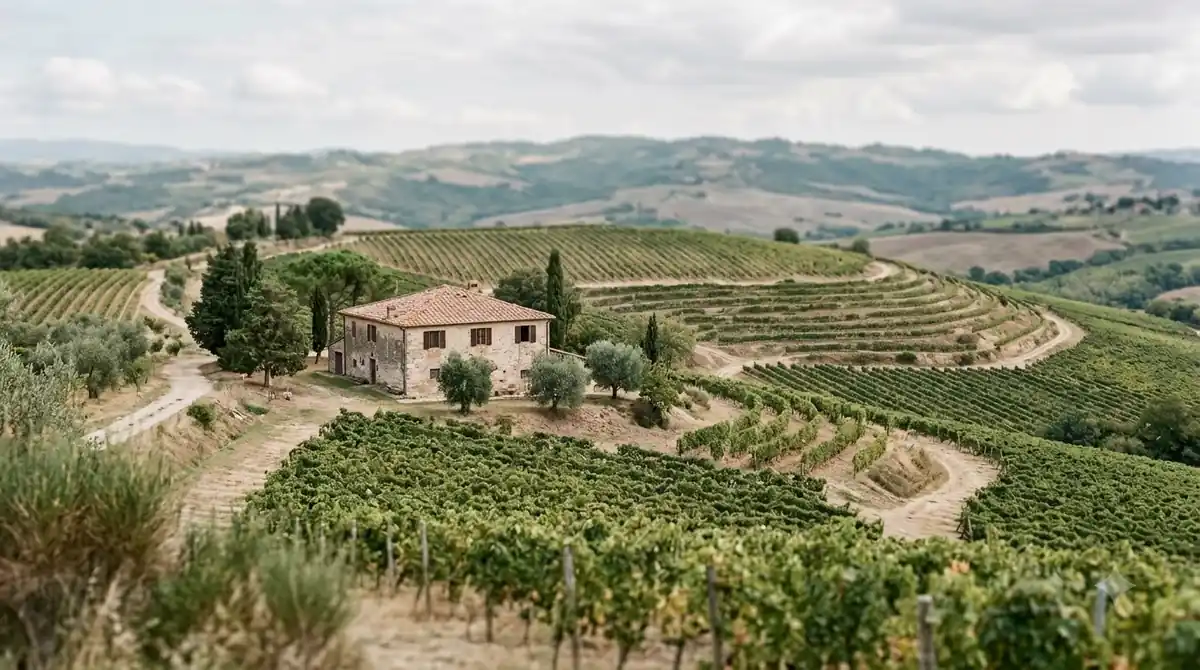
The Adelaide Hills wine region sits between several better-known South Australian wine destinations. The Barossa Valley lies to the north, while McLaren Vale and Langhorne Creek are located to the south. This position creates an interesting contrast: Adelaide Hills generally produces cooler-climate wines than its warmer neighboring regions.
The region is geographically extensive, with Wine Australia reporting approximately 3,957 hectares of vineyards. Its elevations vary considerably, from approximately 149 meters to 714 meters above sea level. These differences are important because elevation affects temperature, sunlight exposure, growing-season conditions, and the speed at which grapes mature.
Some of the highest vineyards are found around Crafers, Summertown, Piccadilly, and Carey Gully. Other important wine-growing locations include Lenswood, Ashton, Lobethal, Hahndorf, Macclesfield, and Kersbrook. Each area contributes a slightly different expression of the region’s overall wine identity.
Adelaide Hills is also a recognized Geographic Indication, or GI. This designation protects the regional name and establishes geographical requirements for wines carrying the Adelaide Hills designation. According to the regional wine association, grapes used in a wine labeled Adelaide Hills must originate within the designated region.
That distinction matters when comparing Australian wines. A bottle identified as Adelaide Hills represents a specific geographical origin rather than simply a general description of a cool-climate style.
The region is particularly convenient for visitors staying in Adelaide. The central wine-growing areas can be reached relatively quickly by car, although travel times vary according to the destination and winding mountain roads. Visitors can combine winery appointments with restaurants, historic villages, and countryside stops without organizing a lengthy interstate journey.
For a broader comparison of regional wine geography, the site’s Wine Regions resource provides useful context for understanding how climate, location, and growing conditions influence different wine styles.
Climate, Elevation, and Vineyard Conditions
The defining feature of Adelaide Hills is its cool-climate growing environment, shaped by elevation, steep terrain, and differences between individual valleys. These conditions encourage slower grape development and help preserve acidity, particularly in Sauvignon Blanc, Chardonnay, and Pinot Noir.

Wine Australia’s regional statistics report an average January temperature of 20.4 degrees Celsius and approximately 268 millimeters of growing-season rainfall. These figures provide a useful overview, but they do not describe every vineyard equally. A high vineyard in Piccadilly Valley can experience noticeably different conditions from a lower, warmer property.
Elevation is particularly important. Higher vineyards generally experience cooler conditions, including lower nighttime temperatures. Cool nights can help grapes retain acidity as they approach maturity, while the longer ripening period allows flavor development to progress without the same degree of heat pressure found in warmer regions.
The region’s slopes also influence sunlight exposure. A vineyard facing west may receive stronger afternoon sunshine than a site with a different orientation. This can help grapes reach maturity in locations that might otherwise be too cool for certain red varieties.
Soil composition adds another layer of variation. Wine Australia identifies grey-brown and brown loamy sands as predominant soil types, with additional sandy soils throughout the region. Differences in drainage, water retention, and vine vigor influence how growers manage individual blocks.
Vineyard work can be demanding because of the steep landscape. Adelaide Hills Wine explains that machinery is often restricted on steep slopes, so hand pruning and hand harvesting remain common practices. Growers also use trellising systems and summer pruning to manage canopy growth and improve sunlight penetration.
Cool, humid conditions create additional vineyard-management challenges. Fungal disease pressure can increase when rainfall and humidity are higher, making careful canopy management and integrated pest-management practices important.
These growing conditions explain why Adelaide Hills wines often have a recognizable combination of fresh acidity, aromatic detail, and moderate alcohol. They also explain why producers can grow several varieties successfully within one relatively compact geographical region.
For additional information about regional vineyard practices, the Adelaide Hills Wine viticulture overview explains how elevation, soils, and steep terrain influence local grape growing.
Tip: When comparing Adelaide Hills wines, pay attention to the vineyard location as well as the grape variety. A Chardonnay from a cooler, higher site may have a noticeably different balance and texture from one grown in a warmer valley.
Lenswood and Piccadilly Valley: Two Important Subregions
Lenswood and Piccadilly Valley are the two registered subregions within Adelaide Hills. Both are associated with distinctive growing conditions, but their individual vineyard environments contribute different expressions of cool-climate wine.
Piccadilly Valley is particularly associated with high-elevation vineyards and conditions suitable for Chardonnay and Pinot Noir. The Adelaide Hills regional association compares its ripening conditions with those found in Champagne, France. This comparison helps explain the area’s importance for traditional-method sparkling wine as well as still Chardonnay and Pinot Noir.
The cooler conditions in Piccadilly Valley support wines with freshness and structure. Chardonnay can show citrus, apple, and restrained stone-fruit characteristics, while Pinot Noir often emphasizes red berries, fine texture, and balanced acidity.
Piccadilly Valley also has an important place in the development of modern Adelaide Hills winemaking. The area’s reputation for cool-climate growing conditions helped establish its importance for premium Chardonnay, Pinot Noir, and sparkling wine production.
Lenswood is another significant growing area, particularly for premium Chardonnay and Pinot Noir. Its elevated vineyard sites and distinctive soils contribute to wines with freshness, aromatic definition, and regional character.
However, it is important not to assume that every vineyard within either subregion produces the same style. Slope orientation, elevation, soil depth, vineyard management, and harvest decisions can all influence the final wine.
Comparing bottles from Lenswood and Piccadilly Valley is a useful way to understand the importance of vineyard origin. For example, tasting two Chardonnays made with similar winemaking methods can reveal how differences in growing conditions affect acidity, fruit expression, and texture.
The wider Adelaide Hills region also includes warmer locations that offer a contrast to these higher areas. Macclesfield and Kersbrook, for example, can produce fuller-bodied red wines because of their comparatively warmer growing conditions.
For visitors, the two subregions offer a useful starting point when planning a tasting itinerary. Rather than visiting wineries without a particular objective, travelers can concentrate on comparing cool-climate Chardonnay, Pinot Noir, and sparkling wines from different vineyard locations.
The Main Grape Varieties Grown in Adelaide Hills
Adelaide Hills is best known for Sauvignon Blanc, Chardonnay, Pinot Noir, and Shiraz. These four varieties form the foundation of its reputation, although producers also work with Riesling, Grüner Veltliner, Pinot Gris, Cabernet Sauvignon, and several other grapes.
Sauvignon Blanc is the region’s most widely planted white grape. Its typical profile combines citrus, tropical fruit, gooseberry, and herbal notes with crisp acidity. The balance between fruit intensity and freshness makes it an important expression of Adelaide Hills’ cool-climate identity.
Unlike some warmer-climate Sauvignon Blancs, which can emphasize very ripe tropical fruit, Adelaide Hills examples frequently retain a refreshing edge. Depending on the vineyard and winemaking approach, flavors can include passion fruit, lime, green herbs, grapefruit, and subtle mineral impressions.
Chardonnay is another important variety. The wines are generally medium-bodied with good natural acidity, although style varies considerably between producers. Some emphasize citrus, apple, and restrained oak, while others use barrel fermentation, lees contact, and maturation to develop greater texture and complexity.
Cooler sites are also important for sparkling Chardonnay. The grape’s acidity and structure make it suitable for traditional-method sparkling wine production, where the wine undergoes a second fermentation in the bottle.
Pinot Noir is particularly significant because Adelaide Hills is recognized by Wine Australia as South Australia’s leading region for high-quality Pinot Noir production. Typical wines are medium-bodied, with ripe cherry and strawberry flavors and relatively soft tannins.
Some producers make fresh, fruit-focused examples, while others aim for greater structure and complexity through vineyard selection, fermentation choices, and oak maturation. Pinot Noir is also used in regional sparkling wine blends, frequently alongside Chardonnay.
Shiraz provides an interesting contrast. Although South Australia is internationally associated with rich, powerful Shiraz from warmer areas, Adelaide Hills produces a cooler-climate expression. These wines often emphasize peppery spice, fresh dark fruit, balanced acidity, and more restrained weight.
Wine Australia specifically highlights the region’s ability to produce both Pinot Noir and Shiraz. Their success reflects the differences in elevation, valley conditions, and vineyard locations across Adelaide Hills.
Other varieties add further diversity. Grüner Veltliner offers fresh acidity and savory or citrus-driven characteristics. Riesling can produce aromatic wines with lively acidity, while Pinot Gris offers a softer fruit profile. Some producers also work with Cabernet Sauvignon, Cabernet Franc, Merlot, Nebbiolo, and Tempranillo.
| Grape variety | Typical wine style | Common flavor characteristics | Food pairing ideas |
|---|---|---|---|
| Sauvignon Blanc | Light to medium-bodied white | Citrus, tropical fruit, herbs, gooseberry | Oysters, goat cheese, grilled fish |
| Chardonnay | Medium-bodied white | Apple, citrus, stone fruit, occasional oak | Roast chicken, scallops, creamy pasta |
| Pinot Noir | Light to medium-bodied red | Cherry, strawberry, subtle spice | Duck, mushrooms, roast salmon |
| Shiraz | Medium to fuller-bodied red | Dark berries, pepper, savory spice | Lamb, grilled vegetables, beef |
| Grüner Veltliner | Light to medium-bodied white | Citrus, green apple, savory herbs | Vegetables, pork, fresh salads |
| Riesling | Light-bodied aromatic white | Lime, lemon, floral notes | Spicy Asian dishes, seafood |
For shoppers, the best starting point is to compare the four principal varieties before exploring less familiar grapes. A Sauvignon Blanc, Chardonnay, Pinot Noir, and Shiraz from the same region can demonstrate how Adelaide Hills’ different vineyard conditions accommodate both white and red wine production.
For a useful regional comparison, Wine Australia’s Adelaide Hills regional profile provides vineyard statistics and descriptions of the principal grape varieties and their typical wine styles.
What Makes Adelaide Hills Sparkling Wine Special?
Adelaide Hills has an established reputation for sparkling wine, particularly bottles made using the traditional method with Chardonnay and Pinot Noir. Its cooler vineyard conditions help preserve acidity and provide the structure needed for sparkling wines with freshness and complexity.
The traditional method involves a second fermentation inside the bottle, which produces the bubbles. The wine then spends time in contact with its yeast lees, developing additional texture and flavors that can include bread, biscuit, pastry, and subtle nutty characteristics.
Chardonnay contributes freshness, citrus character, and acidity, while Pinot Noir can provide body, structure, and red-fruit complexity. Producers can use either grape individually or combine them to create a balanced blend.
Piccadilly Valley is especially relevant to this style because its high-altitude growing conditions are well suited to the two principal traditional-method sparkling varieties. Cooler harvest conditions can help preserve the acidity that gives sparkling wine its refreshing character.
Adelaide Hills sparkling wine is not limited to one flavor profile. Some bottles emphasize citrus, green apple, and delicate bubbles, while longer lees maturation can produce more developed notes of brioche, toast, and pastry.
When choosing a bottle, sweetness classification is another useful consideration. Brut Nature and Extra Brut are particularly dry styles, while Brut allows a little more dosage. Extra Dry, despite its name, is sweeter than Brut. Dry, Demi-Sec, and Doux become progressively sweeter.
For anyone exploring the region, tasting sparkling wine alongside still Chardonnay and Pinot Noir is especially informative. The same grape varieties can produce quite different experiences depending on whether the winemaker chooses a still or sparkling style.
Visitors interested in regional producers can explore names such as Petaluma, Deviation Road, Daosa, Ashton Hills, Bird in Hand, Sidewood, and The Lane. These producers offer opportunities to discover different approaches to cool-climate winemaking.
Serving temperature also matters. Sparkling wine is generally best served between 40 and 50 degrees Fahrenheit. Serving it too warm can make the alcohol and sweetness seem more prominent, while an excessively cold bottle can suppress its aromatic detail.
Visiting Adelaide Hills Wineries and Planning a Tasting Trip
Adelaide Hills is an accessible wine destination for visitors based in Adelaide, with cellar doors, restaurants, vineyard properties, and small towns spread throughout the region. A successful visit depends on choosing a manageable route and allowing sufficient time at each winery.
The regional association describes Adelaide Hills as a convenient destination for short getaways and weekend visits. Its location near Adelaide makes it possible to organize a tasting excursion without requiring an overnight stay, although spending more time in the region allows visitors to explore its different growing areas.
Start by deciding which wines interest you most. Visitors particularly interested in Chardonnay, Pinot Noir, and traditional-method sparkling wine may want to prioritize cooler vineyard areas such as Piccadilly Valley and Lenswood. Those seeking fuller-bodied reds can also explore warmer locations such as Macclesfield and Kersbrook.
It is sensible to plan two or three winery visits for a relaxed day rather than attempting to cover every cellar door. Some tasting experiences take longer than expected, especially when producers offer several wines, vineyard explanations, or food alongside the tasting.
Booking ahead is useful for scheduled tastings, seated experiences, and larger groups. Opening hours, appointment requirements, and available tasting options differ between wineries, so visitors should confirm these details directly before setting out.
Travel time also deserves attention. Adelaide Hills roads can be winding, and two wineries that appear close together on a map may require more driving time than expected. Planning a geographically concentrated route helps avoid unnecessary backtracking.
Visitors can make the most of the trip by including local food. Fresh produce, cheese, regional restaurants, and seasonal dishes provide natural opportunities to compare wines with different flavors and textures.
For example, Sauvignon Blanc works well with fresh seafood, goat cheese, and herb-based dishes. Chardonnay can complement roast chicken, grilled seafood, and creamy preparations. Pinot Noir is a natural partner for duck, mushrooms, and roasted vegetables, while Shiraz can work with lamb and grilled meats.
Wine tasting should also be approached with a little organization. Begin with lighter, fresher wines before moving to fuller reds or sweeter styles. This sequence helps prevent powerful flavors from overwhelming more delicate wines.
A standard tasting pour is often smaller than a restaurant serving. For reference, a 750-milliliter bottle contains approximately five standard 5-ounce glasses. Visitors planning several tastings should pace themselves and arrange safe transportation rather than driving after drinking.
The region also has seasonal appeal. Spring brings active vineyard growth and green landscapes, while summer and early autumn are associated with ripening and harvest activity. Cooler weather in autumn and winter can provide a different atmosphere for visiting cellar doors and enjoying longer meals.
For additional planning ideas, the site’s Adelaide Hills wine tasting resource can help visitors organize a more focused tasting experience. Travelers comparing other American wine destinations may also find the site’s coverage of Dundee Hills vineyards useful for understanding another region known for Pinot Noir.
How to Choose and Serve Adelaide Hills Wines
Choosing Adelaide Hills wine becomes easier when you begin with the grape variety, preferred body, and intended occasion. Sauvignon Blanc is a dependable choice for a fresh white wine, Chardonnay offers more texture, Pinot Noir provides an approachable red, and Shiraz is a good option for those seeking greater body and savory character.
For Sauvignon Blanc, look for a balance between citrus, tropical fruit, and acidity. A wine with pronounced freshness can work particularly well with seafood, salads, and dishes featuring fresh herbs. If you prefer a richer white, explore Chardonnay from different vineyard locations and compare unoaked or lightly oaked examples with wines that have more obvious barrel influence.
Pinot Noir is an excellent introduction to the region’s red wines. Its moderate body, red-fruit character, and softer tannins make it versatile at the table. Shiraz offers another perspective, especially when paired with grilled lamb, beef, and dishes featuring black pepper or roasted vegetables.
Serving temperature makes a noticeable difference. White wines served too cold can lose aromatic expression, while red wines served too warm can seem overly alcoholic or heavy.
| Wine style | Recommended serving temperature | Practical serving approach |
|---|---|---|
| Sparkling wine | 40–50°F | Chill before opening |
| Light white wines | 45–50°F | Serve chilled, not icy |
| Fuller-bodied Chardonnay | 50–55°F | Allow a little warming after refrigeration |
| Pinot Noir | 55–60°F | Serve slightly cool |
| Shiraz | 60–65°F | Serve below typical warm room temperature |
Glassware can also influence the experience. A standard white wine glass works well for Sauvignon Blanc, while Chardonnay benefits from a slightly wider bowl that allows its aromas to develop. Pinot Noir is often served in a larger-bowled glass, while Shiraz can be enjoyed in a generous red wine glass.
Food pairing should take the wine’s acidity, sweetness, body, and tannin into account. High-acid Sauvignon Blanc can complement acidic ingredients such as lemon and vinaigrette, provided the wine has sufficient acidity to stand alongside the dish. Pinot Noir generally pairs well with earthy ingredients such as mushrooms because its moderate tannin and red-fruit character do not overpower them.
Shiraz can work particularly well with fatty or protein-rich foods because salt and fat soften the perception of tannin. However, highly spicy dishes can make alcohol and tannin seem more pronounced, so moderately seasoned preparations are usually easier matches.
Storage matters if you plan to keep bottles for future occasions. Store unopened bottles away from direct sunlight and major temperature fluctuations. A consistent temperature near 55 degrees Fahrenheit is a useful storage target, and bottles with natural cork closures are generally stored on their sides.
After opening, refrigerate still wines and sparkling wines to slow their deterioration. Sparkling wines generally retain their best qualities for approximately one to three days with a suitable sparkling-wine stopper, while still wines commonly remain enjoyable for three to five days depending on style and storage conditions.
For young, fuller-bodied reds, decanting for approximately 30 to 60 minutes can help soften the initial impression and allow aromas to develop. This is not necessary for every Adelaide Hills Pinot Noir or Shiraz, but it can be useful for more structured bottles.
Exploring different producers and vineyard locations is more informative than relying on grape variety alone. Comparing several Adelaide Hills wines side by side can reveal how elevation, soils, harvest decisions, and winemaking choices shape the character of each bottle.
Frequently Asked Questions
How far are Adelaide Hills vineyards from Adelaide Airport?
Travel time depends on the particular vineyard and traffic conditions. As a general planning approach, visitors should allow additional time for airport transfers, vehicle collection, and the region’s winding roads rather than assuming every cellar door is a short drive from the airport.
What is the minimum age for purchasing wine in South Australia?
Australia’s legal drinking age is 18. Visitors purchasing wine or participating in tastings may be asked to provide valid photographic identification, particularly if their age is uncertain.
Does Adelaide Hills produce organic and biodynamic wines?
Some Adelaide Hills producers use organic, biodynamic, or other environmentally focused vineyard practices. These approaches are not universal across the region, so visitors interested in a particular certification should ask individual wineries about their production methods and independent certification status.
Can Adelaide Hills Pinot Noir age in the bottle?
Some structured examples can develop additional complexity over several years, particularly those made from carefully selected vineyard parcels. Aging potential depends on fruit concentration, acidity, tannin, winemaking, and vintage conditions, so not every bottle is intended for extended cellaring.
What is the difference between a cellar door and a vineyard tour?
A cellar door is a winery’s visitor-facing tasting venue, where guests can sample wines and learn about the producer. A vineyard tour typically involves visiting the actual growing area, learning about vine management, and seeing the landscape and growing conditions that influence the grapes.
Adelaide Hills offers an unusually varied introduction to Australian cool-climate wine, combining elevated vineyards, distinctive subregions, and an impressive range of grape varieties. Whether you begin with Sauvignon Blanc, explore the Chardonnay and Pinot Noir of Piccadilly Valley and Lenswood, or discover the region’s elegant Shiraz, its wines reward attention to vineyard origin and growing conditions. For anyone interested in South Australian wine, Adelaide Hills is a region well worth exploring one bottle and one cellar door at a time.
More in Wine Regions
 Willcox Wine Trail: Discover Arizona’s High-Elevation Wine CountryUpdated Nov 20, 2026
 Yakima Valley Wine Region: Find the Best Styles to TryUpdated Nov 20, 2026
 Vosne Romanee Wine Tasting: Identify Aromas and Choose Better PairingsUpdated Nov 20, 2026
 Yakima Valley Wine Festival: Find the Best Seasonal Wine EventsUpdated Nov 20, 2026
 Wales Vineyards: Discover Cool-Climate Wines and Where to VisitUpdated Nov 20, 2026
 Yountville Wine Festival: Discover Napa Wines and Local FoodUpdated Nov 20, 2026