

We may earn a commission when you buy through links on this page, at no extra cost to you. Learn more.
Duckhorn merlot food pairing works particularly well with grilled steak, roast duck, lamb, mushroom dishes, and aged cheeses because the wine combines ripe dark fruit, moderate tannins, and balanced acidity. Its plum, cherry, baking spice, and cocoa characteristics complement savory foods without requiring extremely rich or heavily seasoned recipes. For the most dependable dinner combination, serve Duckhorn Napa Valley Merlot with rosemary-seasoned beef, roasted mushrooms, or slowly braised short ribs.
Choosing food for Duckhorn Merlot starts with understanding its combination of fruit, structure, and oak influence. This Napa Valley red is more substantial than many lighter Merlots, but its relatively supple tannins make it adaptable to different cooking methods and ingredients. Whether planning a steak dinner, preparing duck breast, or putting together a cheese board, matching the wine’s richness with the intensity of the food produces the most satisfying results.
Understanding Duckhorn Merlot’s Flavor and Structure
Duckhorn Merlot combines ripe fruit, polished tannins, and savory complexity, making it especially suitable for flavorful dishes with moderate to substantial richness. Its dark-fruit character complements roasted meats, while its structure supports earthy ingredients and browned cooking surfaces.
Duckhorn Vineyards produced its first Napa Valley Merlot vintage in 1978. The winery’s approach includes blending Merlot with Bordeaux varieties to add complexity and structure. The proportions vary between vintages, so the finished wine can offer different expressions of fruit and tannin while retaining a recognizable Merlot foundation.
The 2023 Napa Valley bottling provides a useful example. Its composition is 78% Merlot, 19% Cabernet Sauvignon, 2% Malbec, and 1% Cabernet Franc. Duckhorn describes aromas of red currant, raspberry, black plum, baking spices, cardamom, and milk chocolate. On the palate, plum, cherry, and cocoa powder are supported by silky, fine-grained tannins.
Wine Enthusiast also identifies dark cherry, chocolate, balsamic, mint, black pepper, roasted raspberry, and red plum in its description of this bottling. These characteristics provide several practical pairing directions. Dark fruit complements roasted meat, cocoa and oak-related notes work with browned mushrooms, and moderate tannins make the wine comfortable alongside foods containing natural fat.
Alcohol and body also influence the pairing. The 2023 bottling contains 14.5% alcohol, giving it enough presence for substantial main courses. Its French oak aging lasts 15 months, with 40% new barrels and 60% neutral barrels. The resulting combination of fruit, spice, and structure suits dishes with roasted, grilled, or slowly cooked flavors.
Tip: Think about the entire dish rather than just its main ingredient. A grilled steak with rosemary butter is a more natural match for Duckhorn Merlot than the same steak served with a very sweet chili glaze or a sharp vinegar-heavy sauce.
For a closer look at the wine’s aromas, structure, and individual characteristics, see these Duckhorn Merlot tasting notes. Understanding its flavor profile makes it easier to select ingredients that complement rather than overpower the wine.
Best Beef and Steak Pairings
Grilled steak, roast beef, and braised short ribs are among the strongest choices for Duckhorn Merlot. Their savory flavors and natural fat balance the wine’s fruit concentration and soften its moderate tannins.
A grilled ribeye is an especially dependable choice. Its marbled fat creates a rich texture that works with Merlot’s smooth tannins, while the browned exterior introduces roasted flavors that complement black plum, cherry, and baking spice. Season the steak with salt, black pepper, and a little olive oil. Finish it with rosemary butter or roasted garlic rather than a very sweet sauce.
Filet mignon offers a more delicate alternative. Because it contains less fat than ribeye, the wine’s fruit and structure become more noticeable. A mushroom pan sauce, caramelized onions, or a modest amount of herb butter adds richness without overwhelming the meat. Medium-rare or medium cooking also preserves the tender texture that makes this cut attractive.
Braised short ribs are another excellent match, particularly when cooked slowly with beef stock, onions, carrots, garlic, and herbs. The long cooking process produces concentrated savory flavors and tender meat. These characteristics complement the wine’s dark fruit and cocoa notes. Avoid making the braising liquid excessively sweet, since concentrated sugar can make a dry red wine seem less balanced.
For a more casual meal, a cheeseburger with grilled onions and aged cheddar works well. The fat in the beef and cheese softens the wine’s tannins, while the toasted bun echoes the browned flavors of grilled meat. Keep the toppings relatively simple. Strongly acidic pickles and heavily sweetened barbecue sauces can distract from the wine.
Beef dishes worth considering
- Grilled ribeye: Marbling balances tannin and gives the pairing enough richness.
- Filet mignon: A mushroom or rosemary sauce supplies additional flavor and texture.
- Beef short ribs: Slow braising creates concentrated savory flavors that suit the wine’s dark fruit.
- Roast beef: A browned crust and garlic-herb seasoning complement its spice and oak characteristics.
- Grilled burgers: Aged cheddar, caramelized onions, and a toasted bun provide a satisfying combination.
Cooking method matters as much as the cut. Grilling and roasting develop savory browned notes, while slow braising produces concentrated flavors. Both approaches give Duckhorn Merlot enough food intensity to accompany it comfortably.
Duck, Lamb, and Other Poultry Pairings
Duck breast and roast lamb are particularly attractive partners for Duckhorn Merlot because their richness and savory flavors complement its dark fruit and moderate tannins. Roast chicken is a lighter alternative that works especially well with herbs and mushroom-based sauces.
Duck breast is an excellent choice for a special dinner. Its dark meat and natural fat provide enough intensity for Napa Valley Merlot, while a crisp, browned skin adds another layer of savory flavor. Serve it with roasted shallots, sautéed mushrooms, or a restrained cherry sauce. The cherry component can echo the wine’s fruit without making the entire dish taste like dessert.
Duck with orange sauce requires a little more attention. Orange introduces acidity and the sauce may contain considerable sweetness. A balanced preparation with restrained sugar is preferable to an intensely sweet glaze. The wine’s fruit can complement the dish, but a highly acidic or sugary sauce may make its structure seem less harmonious.
Roast lamb is another reliable option. A rack of lamb with rosemary, garlic, and black pepper complements Merlot’s baking spice and plum character. The meat’s fat also softens the wine’s tannins. For a larger gathering, slow-roasted leg of lamb with roasted carrots and potatoes provides a substantial meal with several compatible flavors.
Grilled lamb chops offer a quicker alternative. Season them with salt, pepper, garlic, and fresh rosemary. Their browned exterior and juicy interior work with the wine’s fruit and structure. Mint can also be used, although it is best kept subtle rather than presented as an extremely sweet sauce.
Roast chicken is appropriate when a lighter meal is preferred. A whole chicken seasoned with thyme, rosemary, garlic, and olive oil has enough roasted flavor to complement Merlot without overwhelming it. Adding sautéed mushrooms or a pan sauce creates more depth.
Turkey can work too, especially when roasted with herbs and served with savory stuffing. However, very sweet cranberry preparations and sugary glazes should be served in moderation. A dry red wine generally works better when the accompanying food is not noticeably sweeter than the wine.
Decanter identifies Merlot as one of the possible red-wine choices for duck, while emphasizing that the bird’s richness, accompanying sauce, and overall flavor intensity influence the final match. Its broader recommendations for roast duck also explain why acidity and fruit concentration matter when selecting a wine for richer poultry dishes. Read Decanter’s advice on wine with duck and goose for additional pairing context.
Mushrooms, Vegetables, and Savory Side Dishes
Mushrooms, roasted root vegetables, and caramelized onions complement Duckhorn Merlot by emphasizing its earthy, savory, and dark-fruit characteristics. These ingredients also provide alternatives to meat-heavy meals without making the wine feel disproportionately powerful.
Mushrooms are among the most dependable vegetable pairings. Their earthy flavor complements the wine’s cocoa, spice, and dark-fruit characteristics. Cremini, portobello, shiitake, and porcini mushrooms are all useful choices, depending on the recipe. Cooking them in olive oil or butter with garlic and thyme develops additional savory depth.
A mushroom risotto makes a particularly good main course. Arborio rice provides a creamy texture, while mushrooms introduce earthy flavors that complement Merlot’s savory side. Parmesan adds salt and richness, helping soften the perception of tannins. Keep the lemon juice and other strongly acidic ingredients restrained so they do not make the wine taste less balanced.
Roasted root vegetables provide another dependable direction. Carrots, parsnips, beets, and potatoes develop concentrated flavors as they cook. Their natural sweetness complements ripe plum and cherry notes when they are roasted rather than coated in a sugary glaze. Olive oil, rosemary, black pepper, and sea salt are sufficient seasonings for most preparations.
Grilled eggplant also deserves consideration. Its soft texture and browned exterior provide a savory accompaniment, especially when seasoned with garlic, herbs, and olive oil. A modest amount of tomato sauce can work, provided it is not excessively acidic.
Other useful side dishes include:
- Garlic mashed potatoes: Creamy texture and savory seasoning complement the wine’s smooth tannins.
- Caramelized onions: Their concentrated savory sweetness echoes the ripe fruit without requiring a sugary sauce.
- Grilled asparagus: Browning and olive oil make this vegetable more suitable than a raw, sharp preparation.
- Roasted Brussels sprouts: Their browned edges and nutty flavors work with the wine’s savory character.
- Herbed polenta: Its creamy texture provides a gentle base for mushroom ragout or braised beef.
- Roasted cauliflower: Garlic, olive oil, and browned surfaces create a flavorful accompaniment.
Preparation is important. Raw vegetables with strong vinegar dressings can make a red wine taste less expressive, while roasting and grilling create more compatible flavors. Adding some fat through olive oil, butter, or cheese can also improve the balance.
Cheese, Charcuterie, and Appetizer Pairings
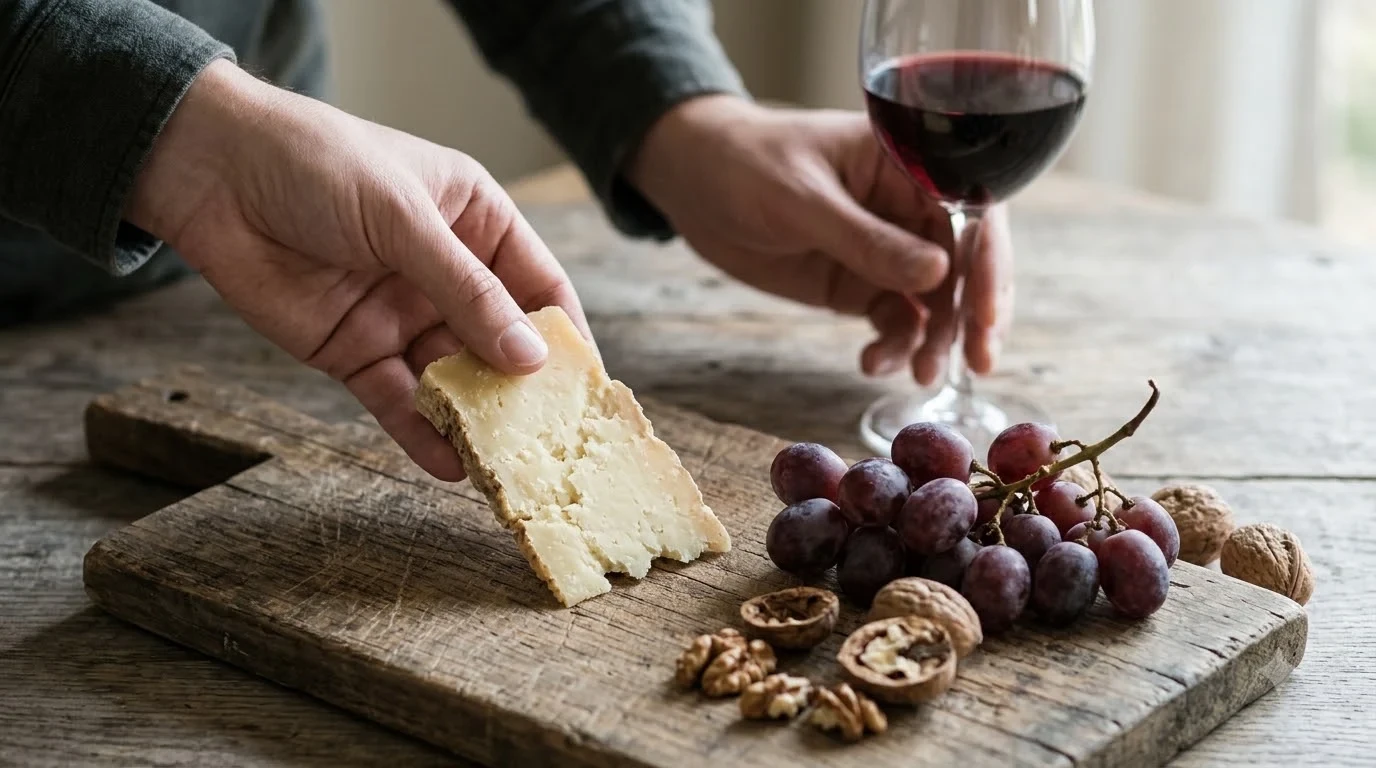
Aged cheddar, Gouda, hard Italian cheeses, and savory charcuterie are excellent choices for serving Duckhorn Merlot before dinner. Salt and fat help soften tannins, while concentrated cheese flavors complement the wine’s fruit and oak characteristics.
Aged cheddar is one of the easiest cheeses to serve. Its firm texture, savory intensity, and salty finish complement the wine’s cherry, plum, and cocoa characteristics. Aged Gouda provides another option, with nutty and caramel-like flavors that work particularly well with oak-influenced Merlot.
Parmigiano-Reggiano and other mature hard cheeses can also be successful. Their concentrated savory flavors provide sufficient intensity for the wine. Serve them in small pieces rather than combining them with very sweet fruit preserves that could overpower the dry red wine.
For a cheese board, consider combining three different textures and flavor intensities:
- Aged cheddar: Firm, salty, and savory.
- Aged Gouda: Nutty, rich, and slightly caramel-like.
- Soft-ripened cheese: Creamy and mild, offering a contrast to the wine’s darker flavors.
Charcuterie adds another dimension. Prosciutto, salami, and other cured meats contain salt and fat that can make tannins feel softer. Fennel-seasoned salami is particularly useful because its herbal character complements the wine’s spice notes.
Roasted almonds and walnuts are also appropriate additions. Their toasted flavors complement oak-related characteristics, while their relatively dry texture contrasts with the wine’s smooth palate. Include olives, crusty bread, and roasted mushrooms to make the board more substantial.
For appetizers, stuffed mushrooms, beef crostini, and small portions of pâté are reliable options. Keep sauces restrained and avoid excessive vinegar. The purpose of an appetizer is to prepare the palate for the wine rather than introduce flavors so intense that they dominate every subsequent sip.
Pairing Duckhorn Merlot With Pasta, Pizza, and Everyday Meals
Duckhorn Merlot can accompany pasta with meat sauce, mushroom pizza, and other everyday dishes when the food has enough savory intensity to match the wine. The most important consideration is controlling tomato acidity, sweetness, and seasoning.
Beef ragù is a particularly good pasta option. Slow-cooked ground beef or shredded beef provides concentrated savory flavors, while a moderate amount of tomato contributes acidity. The wine’s ripe fruit and tannins complement the meat, and Parmesan adds salt and richness.
Lasagna with beef, mushrooms, and a moderate amount of tomato sauce is another practical match. The meat and cheese provide enough richness for the wine, while the pasta’s texture makes the meal substantial. Avoid recipes that rely heavily on sharp vinegar or unusually acidic tomato preparations.
Mushroom pizza works well because browned mushrooms, mozzarella, and a crisp crust offer complementary textures and flavors. A small amount of Parmesan or aged Gouda adds further depth. For a meatier version, grilled sausage or beef can provide additional intensity.
Other everyday dishes worth considering include:
- Beef meatballs: Serve with a savory tomato sauce and Parmesan.
- Stuffed bell peppers: Use ground beef, rice, mushrooms, and restrained tomato seasoning.
- Shepherd’s pie: Savory minced lamb or beef with mashed potato provides a substantial combination.
- Grilled sausages: Choose savory varieties rather than heavily sweetened preparations.
- Beef tacos: Use moderate seasoning, avoiding excessive chili heat and sugary sauces.
- Roasted vegetable pasta: Mushrooms, eggplant, and caramelized onions create a savory vegetarian alternative.
Tomato acidity deserves special attention. Foods with high acidity can make a wine with lower or moderate acidity seem flat or less balanced. A richer sauce containing meat, olive oil, or cheese generally offers a better match than an extremely sharp tomato sauce served without balancing ingredients.
Spicy meals also require care. Alcohol and tannins can amplify the sensation of chili heat, so heavily spiced dishes may make Duckhorn Merlot seem hotter and less fruity. If serving tacos or barbecue, use moderate seasoning and avoid extremely hot sauces.
For another perspective on choosing food for a different red-wine style, compare these Alamos Malbec food pairing ideas. Malbec and Merlot share some useful meat-pairing possibilities, but their individual tannin and flavor profiles can lead to different choices at the table.
Serving Temperature, Decanting, and Meal Planning
Serve Duckhorn Merlot slightly cooler than a typical warm room, ideally around 60 to 65 degrees Fahrenheit. A little preparation before dinner can help its fruit, acidity, tannins, and oak characteristics remain balanced throughout the meal.
Many people serve red wine too warm. Excessive warmth can make alcohol seem more prominent and reduce the impression of freshness. If the bottle has been stored at room temperature, place it in the refrigerator briefly before serving and allow it to warm gradually in the glass if necessary.
Young, structured Napa Valley reds can also benefit from decanting. A practical starting point is 30 to 60 minutes before dinner, particularly when serving the wine with grilled beef, lamb, or braised short ribs. Decanting provides an opportunity for the wine to interact with oxygen and can make its aromas more expressive.
Older bottles may need a different approach. Extended aeration is not automatically beneficial for every mature wine, so start by assessing its condition and aroma. If sediment is present, careful pouring can separate the clear wine from the deposit without unnecessarily exposing the entire bottle to air.
For meal planning, a standard 750 ml bottle provides approximately five servings when each glass contains 5 ounces. That makes one bottle a practical starting point for a dinner for two, with enough wine for a glass alongside the main course and some additional pours.
| Serving detail | Recommended guideline | Practical application |
|---|---|---|
| Serving temperature | 60–65°F | Cool slightly before pouring |
| Standard pour | 5 ounces | Leave room for swirling |
| 750 ml bottle | About 5 glasses | Plan one bottle for two moderate drinkers |
| Young red decanting | 30–60 minutes | Consider for structured young bottles |
| Opened still wine | 3–5 days refrigerated | Reseal and refrigerate after serving |
| Long-term storage | Near 55°F | Keep bottles away from heat and light |
Food temperature matters too. A very hot dish can make the wine seem warmer and more alcoholic, while a meal served at a comfortable temperature allows its aromas and flavors to remain more distinct. For a relaxed dinner, pour the wine shortly before serving the main course rather than leaving glasses exposed for an extended period.
Duckhorn’s 2023 bottling contains 14.5% alcohol, so dishes with substantial flavor and moderate richness are sensible choices. A simple progression might begin with aged cheddar and roasted mushrooms, continue with rosemary-seasoned ribeye and garlic potatoes, and finish with a savory cheese course.
For more ideas across producers and wine styles, explore Wine Brands. Comparing different producers can help clarify how blending, regional characteristics, and winemaking choices influence the best food combinations.
Frequently Asked Questions
Is Duckhorn Merlot a dry or sweet wine?
Duckhorn Napa Valley Merlot is a dry red wine rather than a dessert wine. Its ripe plum, raspberry, and cherry flavors can create an impression of fruit sweetness, but that does not mean the wine contains substantial residual sugar. Serve it with savory dishes rather than treating it as a sweet after-dinner wine.
Can Duckhorn Merlot be used in cooking?
Yes. It can be used in beef braises, mushroom sauces, and other recipes that benefit from dry red wine. Use a moderate amount and allow the wine to cook with the other ingredients so its liquid can reduce and integrate into the sauce. Avoid using a bottle that has developed unpleasant oxidation or other faults.
Does Duckhorn Merlot need to be aged before drinking?
Not necessarily. Many Napa Valley Merlots are enjoyable while young, when their primary fruit characteristics remain expressive. More structured bottles may also develop additional savory and tertiary characteristics with careful cellar aging. Storage conditions and the individual vintage influence how well a particular bottle develops.
Can Duckhorn Merlot be served at a Thanksgiving dinner?
Yes. Roast turkey, herb stuffing, mushroom gravy, and savory roasted vegetables provide several compatible choices. The wine is particularly suitable when the meal emphasizes herbs, browned poultry skin, and savory sides rather than very sweet cranberry preparations. A lighter red such as Pinot Noir is another traditional option for this meal.
What glass shape is best for Duckhorn Merlot?
A medium-to-large bowl-shaped red wine glass is a good choice. A bowl with sufficient space for swirling helps release aromas such as dark cherry, plum, and baking spice. A narrower opening can help direct those aromas toward the nose while keeping the wine comfortable to drink in moderate pours.
The best Duckhorn Merlot food pairing combines savory intensity, moderate richness, and complementary flavors. Grilled steak, roast duck, rosemary lamb, mushroom risotto, and aged cheddar are dependable starting points for everything from casual dinners to special occasions. Serve the wine at 60 to 65 degrees Fahrenheit, keep sauces balanced, and choose dishes that complement its ripe fruit and polished tannins.
More in Wine Brands
 Underwood Wine Price: Compare Bottles, Cans, and Pack SizesUpdated Nov 21, 2026
 Zenato Wine Price: Compare Styles and Choose the Right BottleUpdated Nov 21, 2026
 Zuccardi Wine Price: Compare Bottles and Find the Right RangeUpdated Nov 21, 2026
 Yellow Tail Moscato Review: Taste, Sweetness and Serving TipsUpdated Nov 21, 2026
 Wolf Blass Yellow Label Review: Choose Your Best StyleUpdated Nov 21, 2026
 Wolffer Estate Rose Review: Choose the Right Bottle for Your TableUpdated Nov 21, 2026