

We may earn a commission when you buy through links on this page, at no extra cost to you. Learn more.
The clearest duckhorn merlot tasting notes point to ripe red and dark fruit, baking spice, cocoa, and a silky, structured palate with fine-grained tannins. In the current Napa Valley bottling, red currant, raspberry, black plum, and cherry meet accents of cardamom, rhubarb, and milk chocolate. Expect a plush but lively red wine, with enough acidity and structure to work at the dinner table as well as on its own.
Duckhorn Vineyards has made Napa Valley Merlot a signature wine for decades, and its style is more layered than a simple description of “soft and fruity” suggests. The best way to understand the bottle is to separate its fruit profile, oak influence, structure, and vintage details, then consider how serving temperature and food change what you notice.
Duckhorn Merlot Tasting Notes: Fruit, Spice, and Texture
The 2023 Duckhorn Vineyards Napa Valley Merlot leads with red currant, raspberry, black plum, and baking spice, then adds rhubarb crumble, cardamom, and milk chocolate. Duckhorn lists the wine at 14.5% alcohol and describes its palate as silky and refined rather than heavy.
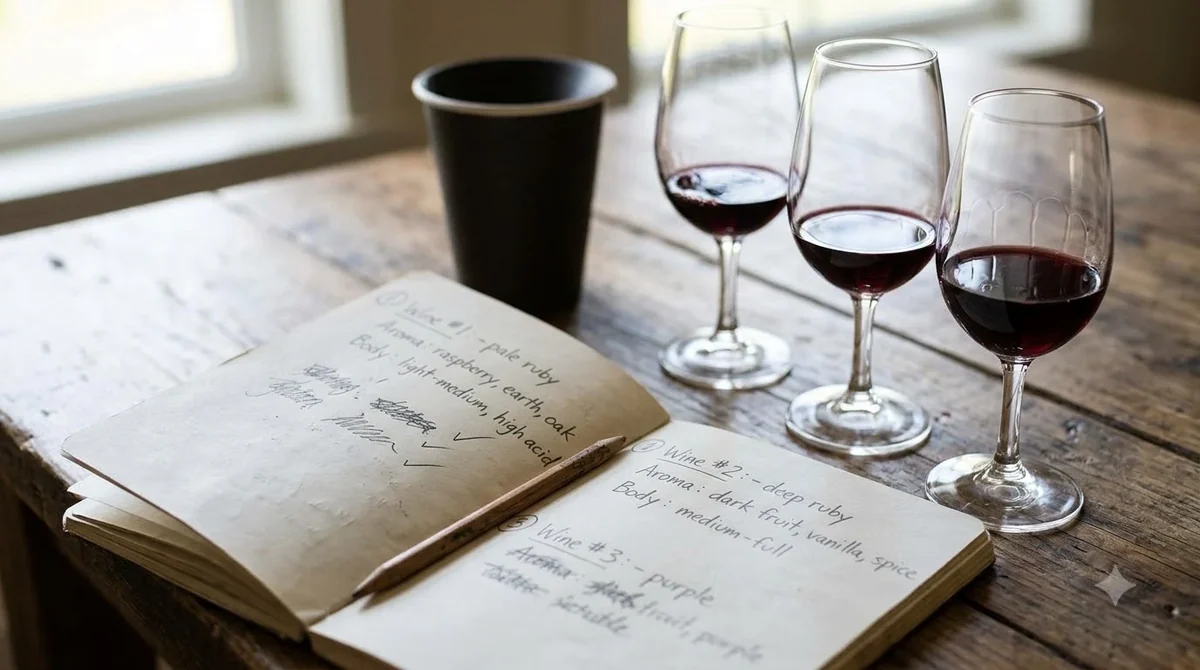
On the nose, look first for the darker fruit: black plum, cherry, and concentrated berry aromas. Red currant and raspberry provide a brighter edge, while baking spice gives the fruit a savory counterpoint. Depending on the glass and the wine’s temperature, the spice may suggest cinnamon, clove, or cardamom. The rhubarb-crumble and milk-chocolate references are useful because they point to a meeting of tart red fruit, pastry-like warmth, and a cocoa note, not to sweetness in the finished wine.
The palate centers on plum, cherry, and cocoa powder, supported by fine-grained tannins. Tannin is the drying sensation along the gums; here it should feel polished rather than rough. Fresh acidity keeps the fruit lively, and the finish is bright and elegant. That balance makes the wine feel plush but nimble.
An independent Wine Enthusiast review of the 2023 vintage finds dark cherry, chocolate, balsamic, mint, and black pepper, followed by roasted raspberry, red plum, cocoa, and fresh flowers. Different descriptors reflect each taster’s perspective and the wine’s temperature and time in the glass. For the producer’s vintage-specific language, see the Duckhorn Napa Valley Merlot profile.
How the Blend and French Oak Shape the Wine
Duckhorn lists the 2023 Napa Valley blend as 78% Merlot, 19% Cabernet Sauvignon, 2% Malbec, and 1% Cabernet Franc. It is aged for 15 months in French oak, using 40% new barrels and 60% neutral barrels, a combination that brings structure and oak complexity without making new-oak flavor the only thing you notice.
| 2023 wine detail | Producer specification |
|---|---|
| Merlot | 78% |
| Cabernet Sauvignon | 19% |
| Malbec | 2% |
| Cabernet Franc | 1% |
| Alcohol | 14.5% ABV |
| Oak aging | 15 months in 100% French oak |
| Barrel mix | 40% new, 60% neutral |
| pH | 3.66 |
| Total acidity | 0.54 g/100 ml |
Merlot supplies the central impression: ripe plum, cherry, supple texture, and medium, relatively soft tannins. Cabernet Sauvignon adds a firmer frame and more pronounced structure, which helps explain why the wine can feel more substantial than a very soft, uncomplicated Merlot. The small portions of Malbec and Cabernet Franc complete the blend, but the wine remains unmistakably Merlot-led. Its flavor should be read as the result of the whole blend, not as a pure expression of one grape in isolation.
French oak can suggest baking spice, toast, vanilla, and cocoa. New barrels contribute more noticeable oak character, while neutral barrels contribute less wood flavor as the wine matures. With 40% new and 60% neutral oak, the 2023 wine has a measured oak influence: milk chocolate and baking spice accompany the fruit rather than replace it.
Duckhorn lists pH 3.66 and total acidity of 0.54 grams per 100 milliliters for the 2023 wine. These are technical measurements, not flavors or a sweetness scale. The practical impression is ripe fruit supported by freshness and fine-grained tannin.
Napa Valley Sites and Vintage Variation
Duckhorn says its Napa Valley Merlot highlights estate vineyards and top sites across the valley’s many appellations. That broad sourcing matters because Napa Valley is not one uniform growing site: marine influence, elevation, slope, and soil can shift Merlot from fresh red-fruit character to deeper, richer plum and blackberry tones.
Carneros, at the southern end of Napa Valley, is cooled by marine fog and breezes from San Pablo Bay. Napa Valley Vintners describes summer highs there as rarely exceeding 80°F, with clay-dominated soils and elevations from sea level to 700 feet. Those conditions can help preserve a fresh, bright impression in the fruit. Oak Knoll, farther north, also receives fog and breezes; its growing season is long, with late-morning fog and afternoon air movement moderating the warmth.
Other Napa locations produce different balances. Napa Valley Vintners describes Stags Leap District Merlot as richer and more powerful, while Carneros Merlot tends to be fresher and more fruit-forward. The 2023 Duckhorn blend draws on several subregions, so its aim is a valley-wide balance rather than a single-site signature.
Vintage also changes the blend and tasting profile. The 2023 composition differs from the 2022 Napa Valley Merlot, and the weather pattern of each growing season influences ripeness, acidity, and tannin. A warmer period can push fruit toward ripe plum and dark berries; a cooler or more moderate season may preserve more red-fruit lift and freshness. When comparing bottles, read the vintage and producer’s blend details before assuming two releases will taste identical.
Serving Temperature, Glassware, and Decanting
Serve Duckhorn Napa Valley Merlot at about 60–65°F, a practical range for a structured, full-bodied red. A bottle served too warm can make the alcohol feel more obvious and mute the freshness; a bottle served too cold can make tannins seem harder and the fruit less expressive.
If the bottle has been stored at room temperature in a warm home, chill it briefly before pouring. Around 15–20 minutes in the refrigerator is often enough to take the edge off a warm bottle, but use the wine’s temperature rather than the clock as your guide. If it feels cool but not cold in your hand, pour a small taste and see whether the fruit and aroma are open. The wine will warm in the glass, so there is no need to serve it at refrigerator temperature.
Choose a medium-to-large red-wine glass with room above the pour for aromas to collect. A standard five-ounce pour leaves enough space to swirl without spilling. For a young, firmly structured bottle, try opening it 30–60 minutes before dinner or decanting it during that window. Decanting is optional: it can help the wine open and can separate sediment in an older bottle, but it is not a requirement for every vintage.
After opening, reseal and refrigerate the bottle. Still wines generally keep for three to five days, although fruit and aroma gradually fade. Bring the wine back toward serving temperature before pouring. Store unopened bottles on their sides near 55°F in a cool, dark place.
Food Pairings for Duckhorn Merlot
Pair Duckhorn Merlot with savory foods that have enough flavor to meet its dark fruit and structure without overwhelming its moderate tannins. Roast chicken, grilled pork tenderloin, beef short ribs, and lamb are strong starting points because their browned surfaces and savory juices complement plum, cherry, spice, and cocoa.
For beef, choose preparations with a seared crust or a slow-cooked texture. Grilled steak, braised short ribs, and a mushroom-topped burger bring savory depth that matches the wine’s ripe fruit. Salt and fat soften the perception of tannin, so a little seasoning, olive oil, butter, or a naturally rich cut can make the wine feel rounder. Avoid turning the dish very sweet: a sugary barbecue glaze can make a dry red taste sharper and less balanced.
Pork is flexible: try rosemary pork tenderloin, grilled chops with mustard sauce, or roast pork with mushrooms. Duck breast also works, especially with a savory cherry or plum sauce, while roasted chicken with thyme or sage keeps the meal lighter than beef. Vegetarian options include mushroom risotto, grilled eggplant, lentil shepherd’s pie, and roasted portobello mushrooms. Aged cheddar and Gouda also work; salt and fat soften tannin. Add walnuts and plain crackers to a cheese board, rather than very sweet preserves.
Be careful with dishes that have sharp acidity or prominent chili heat. Tomato-heavy sauces can work when the wine has enough freshness, but a very vinegary dressing may make the wine seem dull by comparison. Chili heat is amplified by alcohol and tannin, so intensely hot sauces can make a 14.5% red feel more forceful than expected. Oily fish is also a poor match for a tannic red; choose a crisp white instead. For a broad comparison with a brighter, higher-acid red, see these Meiomi Pinot Noir tasting notes.
Tip: Match the wine to the main flavor and texture of the dish, not just its protein. A mushroom risotto or grilled eggplant can be a better partner for Merlot than a lightly seasoned piece of fish.
How to Taste and Describe a Glass at Home
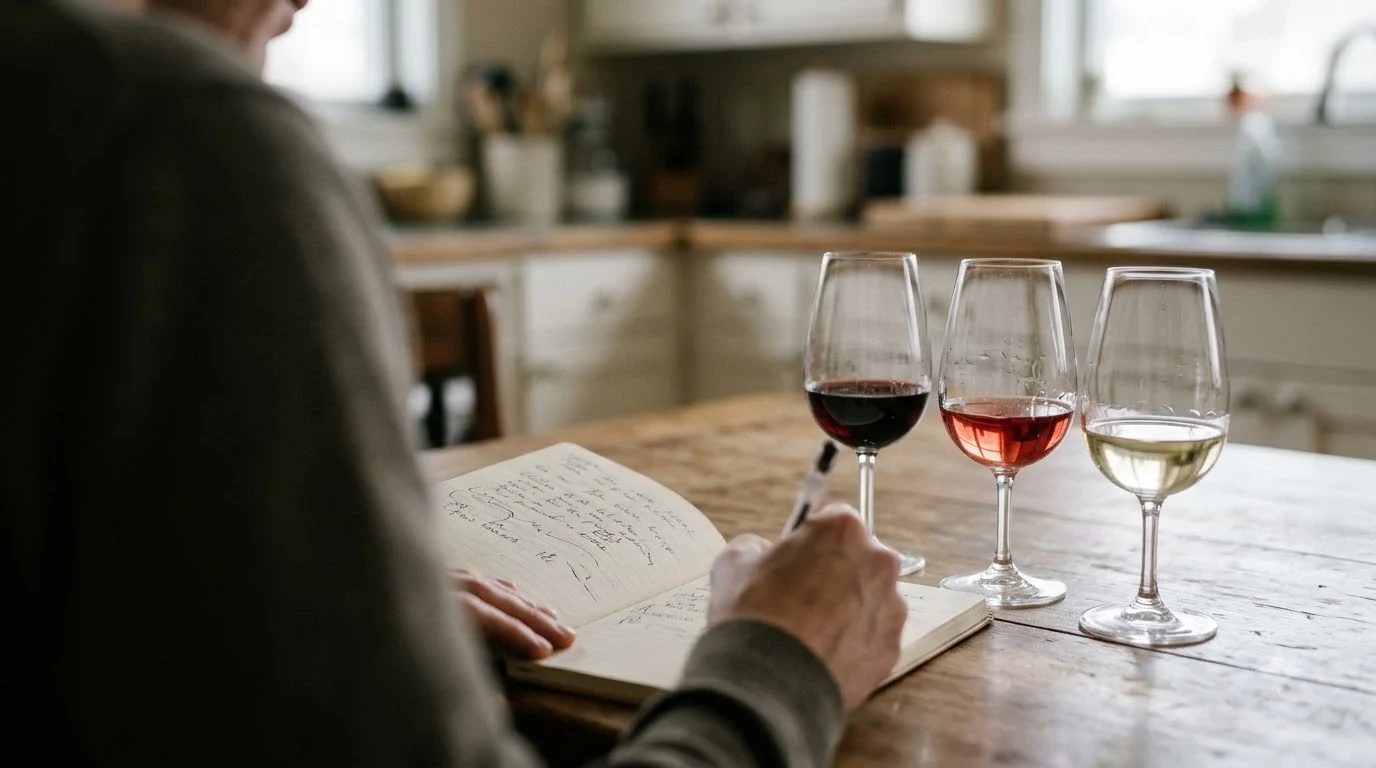
A useful tasting note follows four steps: appearance, aroma, palate, and finish. Look at the wine against a white surface and note whether it appears ruby, garnet, or deep purple. Color alone does not establish age or quality, but it gives you a first observation.
Swirl gently, then smell before taking a sip. Begin with broad categories: red fruit, dark fruit, spice, herbs, earth, or oak. Then make the description more precise. “Berry” might become raspberry or black currant; “spice” might become cardamom, cinnamon, or black pepper. The producer’s 2023 notes mention red currant, raspberry, black plum, baking spice, rhubarb crumble, cardamom, and milk chocolate, while the independent review adds mint and balsamic. You do not need to find every descriptor to understand the wine.
Take a sip and assess sweetness, acidity, tannin, alcohol, body, and finish. Most dry Merlot is not sweet, even when its aromas suggest ripe fruit. Acidity is mouthwatering; tannin dries the gums; alcohol can register as warmth. Body is the wine’s weight, while finish is how long flavors remain. Duckhorn’s 2023 bottling should show medium-to-full body, moderate acidity, and polished tannins, not Cabernet Sauvignon’s firmer grip.
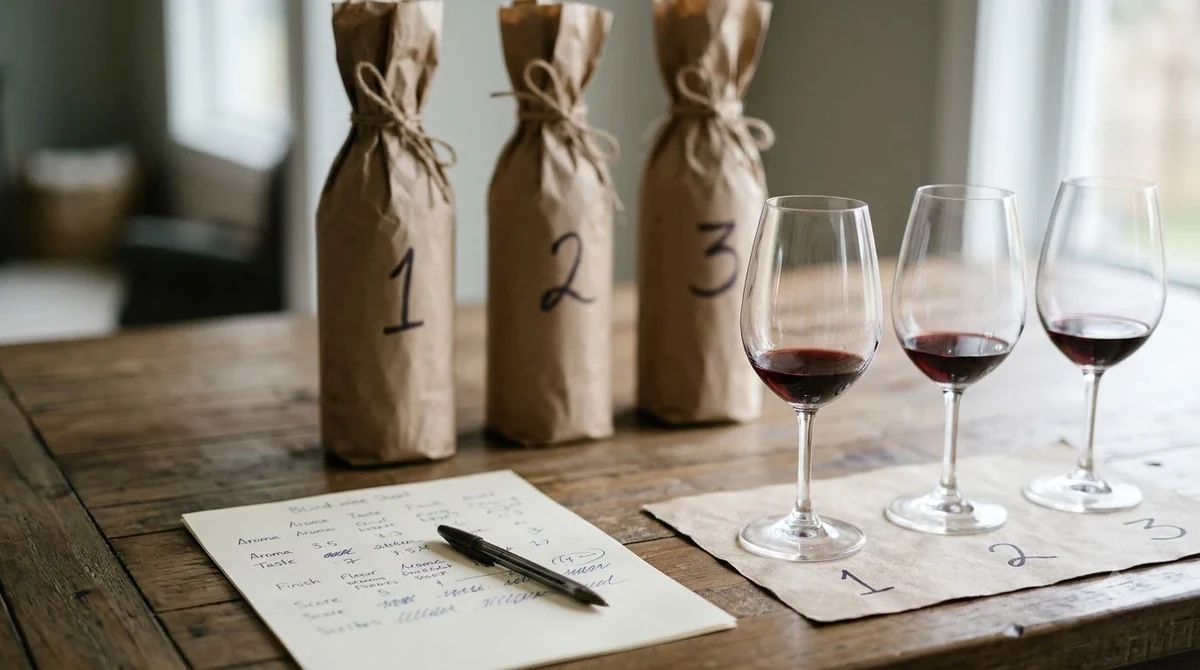
Write down two or three details. For example: “Black plum and cherry, with cardamom and cocoa; plush texture, fine tannins, bright finish.” This format captures the wine’s traits and makes vintage comparisons easier. A taster who notices mint first is not wrong if another person notices rhubarb or raspberry. Use other wines as reference points, not as a strict ranking. A ripe, oak-influenced Chardonnay such as the wine described in these Rombauer Chardonnay tasting notes will show a different balance of acidity, fruit, and texture because it is white wine. A sparkling wine such as La Marca Prosecco has bubbles and a lighter, brighter profile, so its La Marca Prosecco tasting notes provide a useful contrast rather than a direct substitute. The broader Wine Brands overview can also help explain why producer style and grape variety both matter when reading a label.
Frequently Asked Questions
When did Duckhorn begin making Napa Valley Merlot?
Dan Duckhorn produced the winery’s first Napa Valley Merlot vintage in 1978 after becoming interested in the grape during a visit to Bordeaux. The Napa Valley Vintners identifies the Duckhorn family as an early champion of Merlot as a stand-alone wine in California.
Does the word Merlot have a connection to blackbirds?
Yes. The French word merle means blackbird, and one commonly cited explanation is that the grape’s name refers to birds that ate the dark berries. The association is an etymological suggestion rather than a tasting description, but it is a memorable detail about the grape’s name.
What does a 92-point Wine Enthusiast score mean?
Wine Enthusiast places scores from 90 to 93 in its “Excellent” category, described as highly recommended. A 92-point rating is an editorial assessment of that specific 2023 bottling, not a promise that every vintage or every drinker will have the same impression.
Why did Merlot lose popularity in the United States?
The 2004 film Sideways included a widely repeated negative line about Merlot, and the Napa Valley Vintners recounts how the movie contributed to a decline in sales. The same article notes that California’s Merlot-planted acreage had fallen by about 10% by 2010, before the grape began regaining attention among Napa producers and drinkers.
How high does the Oak Knoll District reach?
Napa Valley Vintners places the Oak Knoll District from sea level to 800 feet. The organization also reports mid-summer temperatures around 92°F by day and about 50°F at night, illustrating the district’s substantial daily temperature swing.
Duckhorn Merlot is a layered Napa red: ripe plum and berry fruit meet baking spice, cocoa, polished tannin, and enough freshness to keep the finish lively. Serve it slightly cool with savory food, and use the vintage-specific details to understand the bottle in front of you rather than expecting every release to taste exactly the same.
More in Wine Brands
 Louis Latour Wine Price: Compare Bottles by Style and TierUpdated Nov 20, 2026
 Yellow Tail Moscato Price: What to Expect Before You BuyUpdated Nov 20, 2026
 Sutter Home Sweet Red Review: Find the Right Food PairingsUpdated Nov 20, 2026
 Franzia Chillable Red Review: Find the Right Serving StyleUpdated Nov 20, 2026
 Veuve Clicquot Rose Review: Flavor, Food Pairings and Buying AdviceUpdated Nov 20, 2026
 Rombauer Wine Price: Compare Bottles Before You BuyUpdated Nov 20, 2026