

We may earn a commission when you buy through links on this page, at no extra cost to you. Learn more.
Dry white wine with turkey pairs best when it balances the bird’s mild flavor with refreshing acidity, moderate body, and enough fruit to complement the accompanying dishes. Chardonnay, Sauvignon Blanc, dry Riesling, and Chenin Blanc are four dependable choices. The best bottle depends on whether the turkey is roasted, smoked, or grilled and whether the meal includes rich gravy, herb stuffing, cranberry sauce, or sweet potatoes.
Turkey is one of the most adaptable foods for wine pairing, but a holiday dinner presents a particular challenge: the wine needs to work with several different flavors on the same plate. A dry white can provide freshness alongside roasted meat, complement buttery sides, and keep each bite enjoyable. Rather than choosing a bottle based on its grape name alone, consider its acidity, body, oak influence, and fruit character. These qualities make it easier to find a wine that suits both the turkey and the rest of the meal.
Why Dry White Wine Works So Well With Turkey
Dry white wine complements turkey because its acidity refreshes the palate while its fruit and texture support the meat’s relatively mild flavor. Medium-bodied whites provide enough presence for roasted turkey without introducing the heavy tannins associated with some red wines.
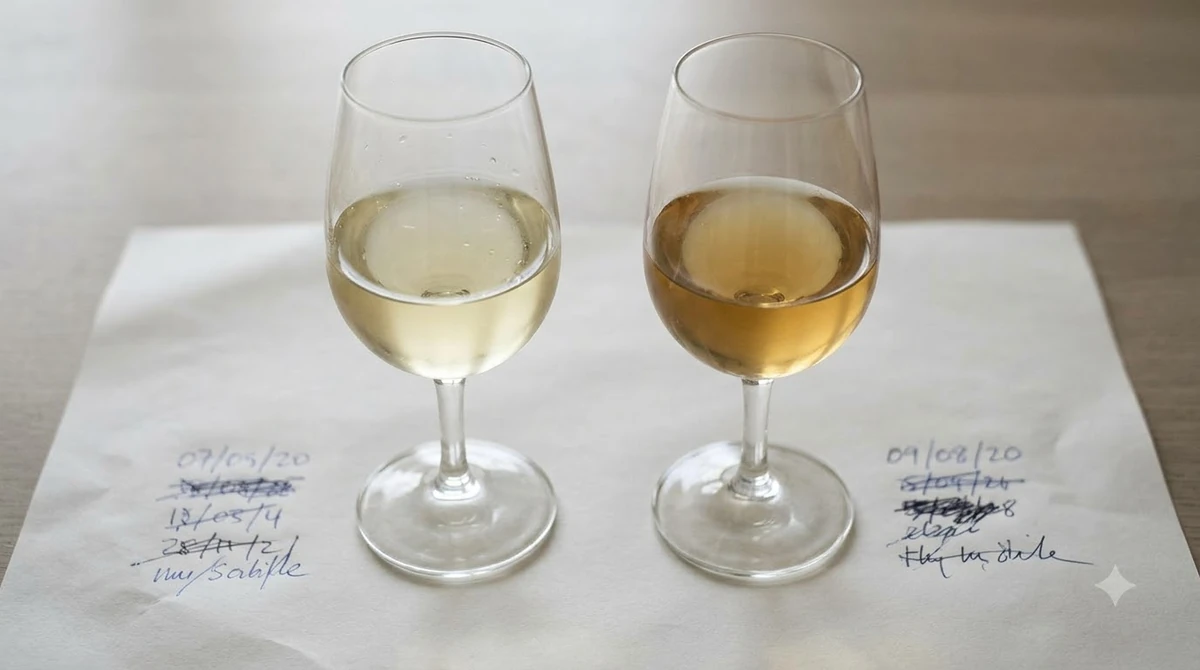
Turkey breast is relatively lean and delicate, while dark meat has a richer texture and more pronounced savory flavor. White wine can accommodate both, especially when the bottle has a balance of acidity and body. According to Decanter’s turkey pairing guidance, medium- to full-bodied whites are particularly useful because they combine freshness with enough complexity to stand alongside a substantial roast dinner.
The accompaniments also influence the pairing. Gravy, mashed potatoes, and buttery stuffing add richness, while cranberry sauce introduces tartness and sweetness. A white wine with good acidity helps refresh the palate after richer bites. Fruit-forward styles can also complement roasted vegetables and fruit-based sauces without requiring the wine itself to taste sweet.
Dryness and fruitiness are not opposites. A dry Riesling can smell strongly of peach, apple, or citrus while remaining low in residual sugar. Similarly, Chardonnay can taste like ripe pear or baked apple without being a sweet wine. Understanding this distinction helps when choosing a bottle for guests who enjoy fruit-forward flavors but prefer dry wines.
There is also a practical advantage to choosing white wine: its serving temperature makes it refreshing throughout a long dinner. A chilled bottle can move easily from appetizers to the main course, particularly when the menu includes salads, roasted vegetables, and lighter starters.
Best Dry White Wine Varieties for Turkey
Chardonnay, Sauvignon Blanc, Riesling, and Chenin Blanc offer four distinct approaches to pairing with turkey. Chardonnay supplies body, Sauvignon Blanc brings herbal freshness, Riesling provides pronounced acidity, and Chenin Blanc balances fruit with texture.
Chardonnay: The Best Choice for Rich Roasted Turkey
Chardonnay is an excellent starting point for traditional roasted turkey, particularly when the meal includes gravy, mashed potatoes, and buttery stuffing. Its medium acidity and fuller texture give it enough weight to complement the richness of the meat without requiring a heavily flavored wine.
Choose an unoaked or lightly oaked Chardonnay if the meal already contains plenty of butter and cream. These styles commonly feature apple, pear, lemon, and subtle mineral flavors. A more developed, barrel-aged Chardonnay can work particularly well with browned turkey skin, roasted vegetables, and savory gravy.
Regional styles provide useful clues. Chablis in Burgundy is known for a fresher, more restrained Chardonnay profile, while wines from Meursault and Chassagne-Montrachet can offer more body and complexity. Decanter also highlights Chardonnay’s ability to accompany turkey and traditional sides because balanced acidity can offset the richness of the meal.
Sauvignon Blanc: Best for Herbs and Lighter Turkey Dishes
Sauvignon Blanc is a strong choice for herb-roasted turkey, especially when the seasoning includes sage, thyme, parsley, or rosemary. Its high acidity and recognizable citrus and green fruit character create a refreshing contrast with roasted meat and savory stuffing.
New Zealand Sauvignon Blanc commonly offers pronounced citrus, tropical fruit, and fresh herbal aromas. Loire Valley examples, including Sancerre and Pouilly-Fumé, often have a more restrained profile with citrus and mineral notes. Either style can work, although the Loire approach may be preferable when the turkey seasoning is delicate.
Sauvignon Blanc is particularly useful when the menu includes green vegetables, fresh salads, or lemon-seasoned accompaniments. Its acidity keeps these dishes lively rather than allowing butter and gravy to dominate the meal. However, its sharper character may be less suitable than Chardonnay when the main course is especially rich and creamy.
Dry Riesling: Best for a Mixed Holiday Menu
Dry Riesling is one of the most versatile options for a Thanksgiving-style turkey dinner. Its high acidity, citrus character, and orchard fruit flavors complement savory meat while providing enough freshness to balance rich side dishes.
Look for dry Riesling from Germany, Alsace, or New York’s Finger Lakes region. German bottles labeled Trocken indicate a dry style. These wines often combine lime, green apple, peach, and mineral notes, creating a refreshing pairing with roast turkey, herb stuffing, and roasted root vegetables.
Dry Riesling is especially useful when cranberry sauce appears on the table. Its acidity helps accommodate tart fruit, while its fruit aromas complement the sauce. If the meal includes substantial sweet potato casserole or honey-glazed carrots, a slightly off-dry Riesling may work better than a completely dry version. However, for a strictly dry white wine selection, choose a Trocken bottling.
Chenin Blanc: Best for Sweet and Savory Accompaniments
Dry Chenin Blanc provides another versatile option, particularly for dinners with roasted vegetables and a mixture of creamy and fruit-based side dishes. Depending on its origin and production method, it can combine crisp acidity with apple, quince, pear, and subtle honey-like aromas.
Look toward the Loire Valley in France for dry Chenin Blanc from areas such as Savennières. South African Chenin Blanc is another useful choice, with styles ranging from fresh and citrus-driven to fuller and more textured. A dry example offers enough structure for turkey without overwhelming the meat.
Chenin Blanc is particularly appealing when the dinner includes roasted squash, parsnips, sweet potatoes, or creamy sauces. Its combination of acidity and texture can accommodate several of these dishes without making the wine seem overly sharp or heavy.
| Wine variety | Acidity | Body | Best turkey pairing |
|---|---|---|---|
| Chardonnay | Medium | Medium to full | Roasted turkey and gravy |
| Sauvignon Blanc | High | Light to medium | Herb-roasted turkey |
| Dry Riesling | High | Light to medium | Turkey with cranberry sauce |
| Chenin Blanc | Medium to high | Light to full | Turkey with roasted vegetables |
These are general style descriptions rather than fixed rules. Climate, ripeness, winemaking, and oak treatment can change the final character of a bottle. When choosing between two wines of the same variety, consider which one has the body and acidity that best match the meal.
Matching White Wine With Turkey Preparation and Side Dishes
The preparation method changes the richness, seasoning, and texture of turkey, so it should influence the wine selection. Chardonnay works particularly well with traditional roasting, while Sauvignon Blanc suits herb-seasoned preparations and Riesling handles menus with sweet and tart accompaniments.
Roasted Turkey With Gravy
Classic roasted turkey is an ideal match for Chardonnay. The wine’s medium body can complement both breast and dark meat, while its apple and citrus flavors provide a refreshing contrast with savory gravy. A lightly oaked bottle can add subtle spice and toasted notes that work with browned skin.
For a lighter alternative, choose dry Chenin Blanc. Its acidity can refresh the palate between bites of meat, potatoes, and gravy. Avoid choosing a particularly thin white if the gravy is rich and concentrated, as the wine may seem less substantial alongside the food.
Herb-Roasted and Brined Turkey
Turkey seasoned with sage, thyme, rosemary, and garlic pairs naturally with Sauvignon Blanc. Its herbal aromas complement the seasoning, while its acidity helps balance the savory flavors. A dry Riesling is another good choice when the herbs are accompanied by lemon or other citrus ingredients.
Brining adds moisture and seasoning to turkey, sometimes producing a slightly saltier flavor. A crisp white wine can provide a useful contrast. Consider Sauvignon Blanc from the Loire Valley or a dry Riesling with enough freshness to keep the combination balanced.
Smoked Turkey
Smoked turkey has a more pronounced savory character than a conventional roast. A fuller-bodied Chardonnay can stand alongside the meat, particularly when the smoke is subtle and the turkey is served with creamy potatoes or roasted vegetables.
For a more aromatic alternative, consider a dry Riesling. Its fruit and acidity provide contrast with smoky flavors without introducing excessive weight. If the smoked turkey has a sweet glaze, a slightly off-dry wine may be a better match than a completely dry bottling.
Turkey With Cranberry Sauce and Sweet Potatoes
This combination presents the greatest challenge because the plate includes sweet, sour, savory, and rich elements. Dry Riesling is a strong choice because its acidity accommodates cranberry sauce, while its fruit character complements roasted vegetables and sweet potatoes.
Chenin Blanc is another option, especially when the sweet potatoes are roasted rather than covered with a very sweet topping. Chardonnay can also work with buttery sweet potatoes, although a particularly rich, heavily oaked style may feel excessive beside an already substantial meal.
Fried Turkey
Fried turkey benefits from a white wine with refreshing acidity. Sauvignon Blanc is a practical choice because its citrus character provides contrast with the crispy skin and richer texture. Dry sparkling wine is another option, with its bubbles adding freshness throughout the meal.
Tip: Choose your wine according to the most prominent flavors on the plate, not just the turkey. For a meal dominated by gravy and butter, begin with Chardonnay. For herb seasoning and cranberry sauce, start with Sauvignon Blanc or dry Riesling.
How to Choose a Bottle Based on Body, Acidity, and Oak
Wine style matters as much as grape variety when selecting a bottle for turkey. Body determines how substantial the wine feels, acidity influences its freshness, and oak treatment affects its texture and aromatic character.
Body is particularly important because turkey breast and dark meat have different textures. A light-bodied white can be refreshing with lean breast meat, while a medium-bodied Chardonnay may provide a better match for darker meat and gravy. A full-bodied white can work with richer preparations, but excessive weight may make the combination tiring over a long meal.
Acidity is another important consideration. Sauvignon Blanc and Riesling are generally high-acid varieties, making them useful with rich or tart accompaniments. Chardonnay usually has medium acidity, giving it a rounder impression. Chenin Blanc can vary considerably, so consider the particular style rather than relying on the grape name alone.
Oak also deserves attention. Stainless-steel fermentation and aging generally preserve a fresher fruit profile, while oak barrels can contribute vanilla, toast, spice, and a richer mouthfeel. Neither approach is automatically better for turkey. The ideal choice depends on the seasoning and side dishes.
For example, an unoaked Chardonnay may work beautifully with herb-roasted turkey and green vegetables, while a lightly oaked Chardonnay can complement browned skin and mashed potatoes. A strongly oaked wine might be better reserved for a dinner where creamy sauces and roasted flavors dominate.
Residual sugar is another useful distinction. A wine described as dry has little perceptible sweetness, but that does not mean its fruit aromas are absent. If the table includes very sweet cranberry relish or candied yams, a completely dry wine may taste sharper by comparison. A slightly off-dry style can sometimes produce a more balanced pairing.
For additional pairing advice, Decanter’s guide to wine with roast turkey explains how body, acidity, and the selection of side dishes influence the final choice.
Serving Temperature, Glasses, and Wine Quantities
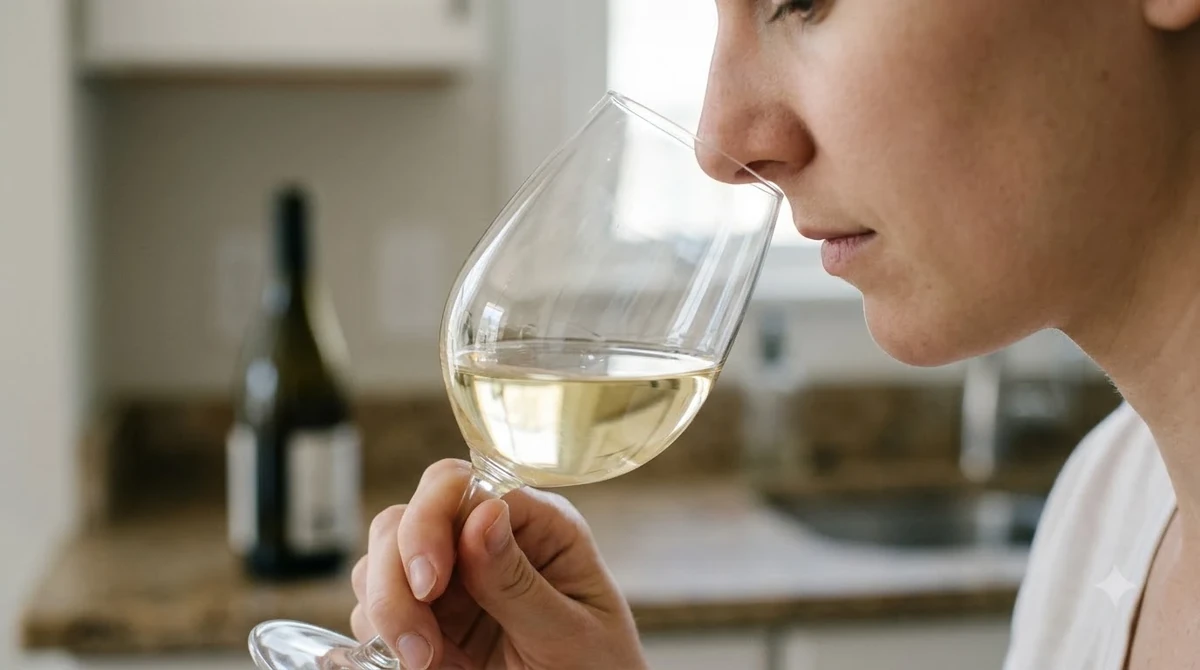
Dry white wine should be served chilled, but not so cold that its aromas disappear. Most light white wines benefit from a temperature of 45–50°F, while fuller-bodied whites generally show better at 50–55°F.
Chardonnay is particularly sensitive to serving temperature because excessive chilling can suppress its fruit and texture. A fuller-bodied Chardonnay should be served closer to 50–55°F. Sauvignon Blanc and dry Riesling are generally refreshing at 45–50°F, while Chenin Blanc can be served according to its body, usually within the same range.
Allow a bottle to warm slightly after removing it from the refrigerator if it feels excessively cold. This is especially useful for wines with more body and oak influence. The goal is to preserve freshness without hiding the aromas that make the wine interesting.
How Much Wine to Pour
A standard 750 ml bottle provides approximately five glasses when each serving is 5 oz. For a dinner lasting several hours, plan the quantity according to the number of guests, the number of wine drinkers, and whether other beverages are available.
For a group of 10 guests who each want two 5 oz glasses, approximately four 750 ml bottles provide 20 servings. If you are offering two different white wines, divide the quantity according to the expected preferences of the group.
Offering both Chardonnay and Sauvignon Blanc is a straightforward approach. The Chardonnay gives guests a richer option for roasted meat, while Sauvignon Blanc supplies a fresher alternative for herb-seasoned dishes and lighter side plates.
Glassware and Opening the Bottle
A standard white wine glass works well for all four varieties. A moderately sized bowl allows Chardonnay and Chenin Blanc to release their aromas, while a narrower opening helps preserve the freshness of Sauvignon Blanc and Riesling.
Most fresh white wines can be opened shortly before serving. Pour a small amount first to check the temperature and allow the remaining wine to warm gradually in the glass. There is generally no need to decant an ordinary young dry white wine before a turkey dinner.
After dinner, reseal opened bottles and place them in the refrigerator. Still white wines generally retain good quality for approximately three to five days when properly sealed and chilled. Keeping them refrigerated helps slow the oxidation that gradually changes their aromas and flavors.
Wine Enthusiast also discusses the importance of acidity and versatile wine styles for a holiday table in its Thanksgiving wine pairing recommendations.
Building a Complete Turkey Dinner Wine Selection
A successful turkey dinner does not require one wine to match every dish perfectly. Offering two contrasting dry whites gives guests more flexibility and makes it easier to accommodate different preparations, seasoning preferences, and side dishes.
For a traditional holiday dinner, consider a medium-bodied Chardonnay alongside a crisp Sauvignon Blanc. The first is suited to roasted turkey, gravy, and creamy potatoes, while the second works particularly well with herbs, green vegetables, and lighter starters.
If cranberry sauce and sweet potatoes are central to the menu, substitute the Sauvignon Blanc with dry Riesling. Its fruit character and high acidity can complement both savory and fruit-based accompaniments. Alternatively, choose Chenin Blanc if the meal features roasted squash, parsnips, and several creamy side dishes.
It is also useful to think about the order in which the wines will be served. A crisp Sauvignon Blanc can accompany appetizers and salads before the main course. Chardonnay can then take over when the turkey and gravy arrive. This creates a natural progression from a lighter wine to a fuller one.
For a smaller gathering, one versatile bottle may be sufficient. Dry Riesling is a particularly practical option when the menu includes several different flavors, while Chardonnay is a reliable selection for a straightforward roast turkey dinner. The choice should reflect the food rather than an assumption that every holiday meal needs multiple wines.
Guests who enjoy exploring different styles can also consider alternatives such as dry rosé or sparkling wine. A dry rosé provides fruit and freshness, while sparkling wine offers acidity and bubbles that can refresh the palate between richer bites. For readers comparing other styles, is rosé sweet or dry is a useful starting point.
Understanding the differences among grape varieties also makes future wine selections easier. The broader Wine by Type resource can help explain how body, acidity, and sweetness differ across wine styles. For readers interested in sweeter alternatives, is Moscato sweet or dry explains why Moscato offers a different experience from the dry whites usually selected for roasted turkey.
Frequently Asked Questions
Is Pinot Grigio a good alternative to Chardonnay with turkey?
Yes. Pinot Grigio generally has a lighter body and a clean citrus or green apple profile. It is especially suitable for simple roast turkey breast, lighter vegetable sides, and meals without particularly rich sauces. Italian Pinot Grigio is often a useful choice when you prefer a lighter wine than Chardonnay.
Can white wine be used in turkey gravy?
Yes. A dry white wine can add acidity and aromatic complexity to gravy. Chardonnay and Sauvignon Blanc are practical options, although a heavily oaked wine may introduce stronger toasted or vanilla notes. Use a wine that you would be comfortable drinking alongside the finished dish.
Does white Burgundy work with Thanksgiving turkey?
Yes. White Burgundy is made primarily from Chardonnay and ranges from restrained, mineral-driven styles to fuller, oak-influenced examples. Bottles from Meursault and Chassagne-Montrachet are particularly interesting choices for richer turkey preparations and elaborate holiday menus.
Is Albariño suitable for leftover turkey sandwiches?
Yes. Albariño often has citrus, stone fruit, and refreshing acidity that can complement cold turkey with lettuce, tomato, or mayonnaise. Its freshness is particularly useful when the sandwich includes richer condiments. Serve it chilled rather than allowing it to become too warm.
Can you serve white wine with turkey soup?
Yes. A light Chardonnay, Pinot Grigio, or dry Chenin Blanc can work well with turkey soup. For a broth-based soup with vegetables, choose a fresher style. A creamy turkey soup can accommodate a fuller Chardonnay with more texture and subtle oak influence.
Dry white wine with turkey is a flexible pairing, and Chardonnay, Sauvignon Blanc, dry Riesling, and Chenin Blanc each offer a different way to complement the meal. Match the wine’s body and acidity to the turkey preparation and the richest or sweetest dishes on the table. With the right balance, a well-chosen white wine can accompany everything from the first serving of roasted turkey to the final plate of leftovers.
More in Wine Types & Grapes
 What Does Ruby Port Taste Like? Flavor Notes, Styles, and Serving TipsUpdated Nov 21, 2026
 What Does Ribolla Gialla Taste Like? Crisp White and Amber Styles ExplainedUpdated Nov 21, 2026
 What Does Semillon Taste Like? Flavor Profile, Styles & PairingsUpdated Nov 21, 2026
 What Does Scuppernong Taste Like? Flavor, Styles, and Pairing GuideUpdated Nov 21, 2026
 What Does Saperavi Taste Like? Flavors, Styles, and Pairing GuideUpdated Nov 21, 2026
 What Does Natural Wine Taste Like? Flavors, Styles, and Serving TipsUpdated Nov 21, 2026