

We may earn a commission when you buy through links on this page, at no extra cost to you. Learn more.
The best dry red wine at costco is generally a Kirkland Signature Cabernet Sauvignon for shoppers who enjoy bold fruit, noticeable tannins, and a structured finish. Malbec, Merlot, Pinot Noir, and European red blends are also worth considering when available. The right bottle depends on your preferred body, acidity, tannin level, and food pairing. Because Costco’s wine inventory changes between warehouses, knowing which grape varieties and regional styles to look for is more useful than relying on one bottle always being available.
Costco offers a distinctive mix of Kirkland Signature wines, recognizable producers, and rotating regional selections. Its red wine department can include California Cabernet Sauvignon, Argentine Malbec, Oregon Pinot Noir, Italian Sangiovese-based wines, and Spanish Rioja. Some selections are familiar repeat purchases, while others are limited to particular warehouses or shopping periods. This guide explains how to identify dry reds, compare the main styles, and make a confident purchase based on your preferences rather than packaging or unfamiliar producer names.
Who Should Buy Dry Red Wine at Costco?
Dry red wine at Costco is a good choice for shoppers who prefer savory, structured wines rather than noticeably sweet reds. Cabernet Sauvignon, Malbec, Pinot Noir, and European regional wines offer different combinations of tannin, acidity, body, and fruit character.
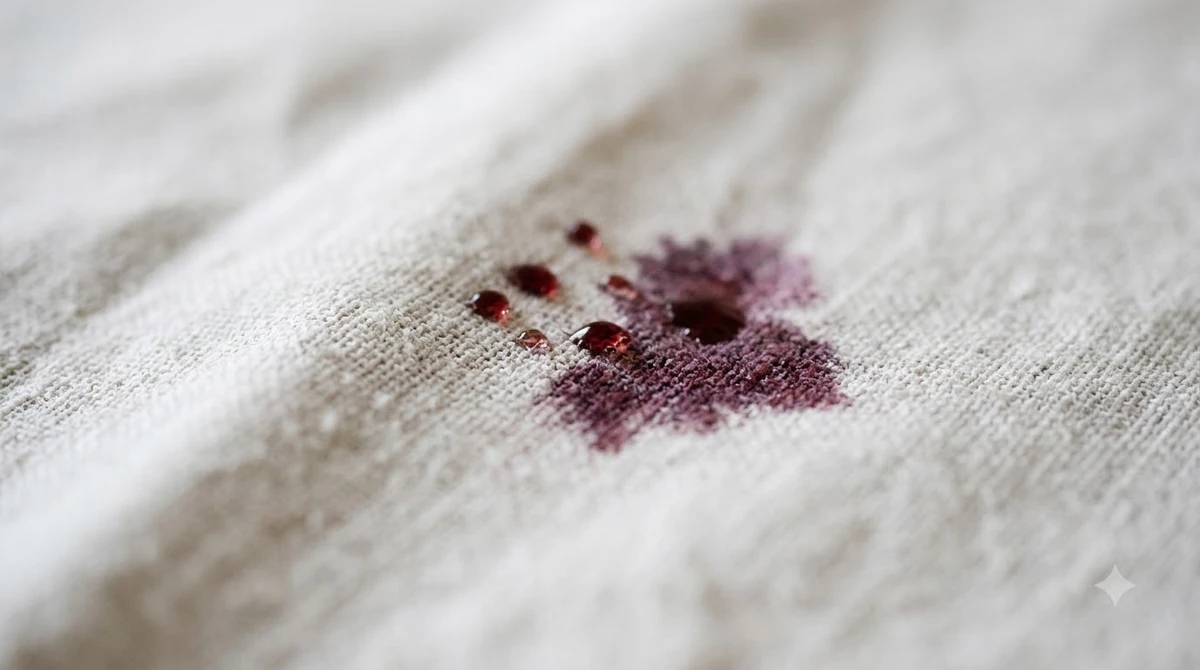
The first distinction to understand is the difference between fruitiness and sweetness. A dry red wine can smell strongly of cherries, blackberries, plums, or blueberries without containing much residual sugar. These aromas come from the grapes and winemaking process, not necessarily from added sweetness.
Shoppers who enjoy bold wines should begin with Cabernet Sauvignon or Syrah. Both varieties can deliver substantial tannin and structure, particularly when grown in warmer climates or aged in oak. They are useful choices for grilled beef, lamb, burgers, and other dishes with rich flavors.
People who prefer less aggressive tannins should consider Merlot or Pinot Noir. Merlot typically has medium tannin and a softer texture, while Pinot Noir generally has lower-to-medium tannin and higher acidity. These characteristics make both varieties useful for meals that do not require a powerful red wine.
Costco is also an interesting place to explore international wine regions. A bottle of Chianti Classico, Rioja, or Bordeaux offers a different experience from a familiar California Cabernet. However, availability depends on the warehouse, local alcohol regulations, and changing inventory.
For shoppers comparing more than dry wines, our guide to the best red wine at costco covers additional red wine categories. Those who prefer noticeable sweetness can also explore our best sweet red wine at costco recommendations.
Key Factors to Compare Before Buying
The most useful comparison points are grape variety, tannin, acidity, body, alcohol content, and regional origin. These characteristics help predict how a wine will taste and feel, even if you have never purchased that particular bottle.
| Wine style | Tannin | Acidity | Body | Typical serving temperature |
|---|---|---|---|---|
| Cabernet Sauvignon | High | Medium | Full | 60–65°F |
| Merlot | Medium | Medium | Medium to full | 60–65°F |
| Pinot Noir | Low to medium | High | Light to medium | 55–60°F |
| Malbec | Medium to high | Medium | Medium to full | 60–65°F |
| Syrah | Medium-plus to high | Medium | Medium to full | 60–65°F |
| Sangiovese | Medium | High | Medium | 60–65°F |
Grape variety and tannin
Tannin is one of the biggest differences between dry red wines. It creates the drying sensation you may notice on your gums and tongue after taking a sip. Cabernet Sauvignon typically has high tannin, making it a strong choice for people who enjoy structured reds. Syrah can also provide a firm, concentrated experience.
Merlot generally has softer, medium tannins. Pinot Noir tends to feel lighter because it has lower-to-medium tannin and higher acidity. These wines can be especially appealing to shoppers who find heavily structured Cabernet Sauvignon too drying.
Acidity and body
Acidity determines how refreshing and lively a wine feels. Pinot Noir and Sangiovese are useful options when you want a red with more noticeable freshness. Cabernet Sauvignon and Malbec often feel broader and more substantial, particularly alongside rich food.
Body describes the wine’s overall weight and texture. A light-bodied Pinot Noir will generally feel less dense than a full-bodied Cabernet Sauvignon. Neither is automatically better. The ideal body depends on your preferences and the food being served.
Alcohol content and regional origin
Alcohol content can influence how warm and full a red wine feels. Costco lists a Kirkland Signature California Cabernet Sauvignon in a 3-liter format at 13% alcohol by volume. This provides a useful reference point when comparing the wine with other Cabernet options.
Regional origin also matters. California Cabernet Sauvignon can deliver ripe dark-fruit character, while Bordeaux blends often emphasize a different balance of fruit, acidity, and structure. Argentine Malbec, Italian Chianti, and Spanish Rioja provide further alternatives for shoppers who want something beyond a familiar California red.
For a more detailed explanation of sweetness, tannin, and acidity, see our guide to dry red wine.
Step-by-Step: How to Choose a Dry Red Wine at Costco
A simple shopping process makes it easier to compare bottles without relying on unfamiliar producer names or attractive packaging. Start with the grape, narrow your options by taste preference, and then consider the occasion and food.
-
Decide how much tannin you enjoy.
If you like a firm, drying finish, start with Cabernet Sauvignon or Syrah. If you prefer something smoother, look for Merlot or Pinot Noir. This first decision eliminates many options that may not suit your palate.
-
Choose your preferred body.
Light-to-medium-bodied reds are generally more versatile for casual dinners. Pinot Noir is a useful starting point, while Malbec and Cabernet Sauvignon are better candidates if you prefer a fuller mouthfeel.
-
Look for the grape variety on the front label.
Cabernet Sauvignon, Merlot, Malbec, Pinot Noir, and Syrah are useful starting points. For European wines, look for regional names such as Chianti Classico, Rioja, or Bordeaux, which may represent a grape blend or regional production tradition rather than a single variety.
-
Compare the alcohol percentage.
For example, a bottle showing 13% ABV differs in alcohol concentration from one showing 14.5% ABV. Alcohol is not a sweetness measurement, but it can contribute to a warmer, fuller impression.
-
Consider the food you intend to serve.
Choose Cabernet Sauvignon for grilled steak, Malbec for burgers, and Pinot Noir for roast chicken or mushroom dishes. For tomato-based pasta, a fresh, acidic Sangiovese-based wine can be particularly useful.
-
Check the bottle format and intended occasion.
A standard 750 ml bottle supplies approximately five 5-ounce glasses. A 3-liter format contains four times that volume, making larger formats practical for gatherings when several people will share the wine.
-
Consider availability and the specific bottling.
Costco’s selection can vary between warehouses. A regional Cabernet may be available at one location while a Malbec or Italian red occupies the shelf at another. Compare the actual wine descriptions and characteristics rather than assuming every Kirkland bottle has the same style.
Tip: If you are uncertain between Cabernet Sauvignon and Merlot, choose Cabernet for stronger tannins and a firmer finish, or Merlot for a softer texture. If you are unsure whether a fruit-forward red is dry, remember that ripe cherry and plum aromas do not necessarily mean residual sugar is high.
Types of Dry Red Wine Worth Looking For
Costco’s wine department can include several useful dry red categories, from familiar California Cabernet Sauvignon to European regional wines. The following styles provide a practical shortlist when deciding which bottles deserve attention.
1. Cabernet Sauvignon: Best for bold, structured reds
Cabernet Sauvignon is one of the easiest varieties to identify when shopping for a full-bodied dry red. It typically has high tannin, concentrated dark-fruit character, and enough structure to complement substantial meals.
Kirkland Signature Cabernet Sauvignon is a logical starting point. Costco’s product listing describes a California 3-liter bottling with red-fruit and black-cherry flavors, lightly spiced oak notes, a soft finish, and 13% ABV. These are useful details when comparing the wine with other Cabernet options in the warehouse.
The Costco Kirkland Signature Cabernet Sauvignon product listing provides the official product description and bottle specifications. Availability is warehouse-dependent, so the listing is best treated as a reference rather than a guarantee that every location carries the wine.
Regional variations are also worth considering. Costco and wine publications have listed Kirkland Cabernet bottlings associated with Sonoma County, Columbia Valley, and Napa Valley. These should not be treated as interchangeable wines: growing conditions, winemaking, oak treatment, and individual bottling choices can produce meaningful differences in structure and flavor.
Choose Cabernet Sauvignon if you enjoy firm tannins and want a red for grilled steak, roast beef, or a rich burger. If you dislike a drying finish, Merlot or Pinot Noir may be more comfortable choices.
2. Malbec: Best for dark-fruit character
Malbec is a particularly useful choice for shoppers who want a generous, fruit-forward dry red without necessarily choosing Cabernet Sauvignon. Argentine Malbec often features blackberry, plum, and dark cherry character, with a medium-to-full body and noticeable tannin.
Kirkland Signature Mendoza Malbec is a regional bottling worth recognizing when browsing Costco’s wine department. However, the exact vintage and availability can differ between locations. It is better to compare the individual bottle than assume every release has the same character.
Malbec works well with grilled burgers, barbecue, roasted beef, and hard cheeses. Its dark-fruit character makes it appealing to people who enjoy rich flavors, while its tannin gives it enough structure for meat-based meals.
One important distinction is that fruit-forward does not mean sweet. A Malbec can taste generously of ripe blackberries while remaining dry. If sweetness is your main concern, pay attention to the wine’s residual sugar rather than relying on fruit descriptions alone.
3. Pinot Noir: Best for lighter-bodied dry reds
Pinot Noir is a strong alternative for shoppers who want a red wine with more freshness and less tannic weight. Its typical combination of high acidity and low-to-medium tannin creates a more delicate structure than Cabernet Sauvignon or Syrah.
Costco’s Kirkland wine range has included Pinot Noir bottlings associated with Carneros and Napa Valley. These regional names can help shoppers identify wines from important American Pinot Noir-growing areas.
Carneros Pinot Noir can offer ripe cherry and berry character, while other California and Oregon bottlings may show different combinations of freshness, earthiness, and fruit. The specific bottle still matters, but regional information offers a useful starting point for comparing styles.
Pinot Noir pairs nicely with roast chicken, pork, grilled salmon, and mushroom-based dishes. It is also a sensible option for people who want a red wine that does not overpower lighter meals.
4. Merlot: Best for softer tannins
Merlot is a good category to explore if Cabernet Sauvignon feels too firm or drying. Its medium tannin and generally softer texture can make it approachable while still offering the dark-fruit character associated with dry red wine.
Merlot can appear as a standalone varietal or as part of a Bordeaux-style blend. In the latter case, Cabernet Sauvignon and Merlot can work together to create a wine with both structure and a softer mid-palate.
Look for Merlot or Bordeaux on the label when you want a smoother alternative to a heavily structured Cabernet. Bordeaux wines are blends governed by regional traditions, so the exact grape composition can differ between bottles.
For food, Merlot works well with roast pork, meatloaf, grilled vegetables, and pasta with a rich tomato sauce. Its moderate tannin also makes it easier to pair with dishes that are less fatty than steak.
5. Chianti Classico and Rioja: Best for European wine styles
European reds are useful alternatives when you want a wine with a stronger sense of regional character. Chianti Classico is primarily based on Sangiovese, while Rioja reds are typically based on Tempranillo, sometimes blended with other permitted varieties.
Sangiovese is known for its high acidity and medium tannin, making Chianti Classico a practical choice for tomato-based pasta, pizza, and roasted vegetables. Its acidity can help the wine remain lively alongside dishes containing tomato sauce.
Rioja can offer a different experience, with red-fruit flavors, oak influence, and varying levels of aging character. Look for Crianza, Reserva, and Gran Reserva classifications when comparing Spanish bottles. These terms describe different minimum aging requirements under Rioja regulations.
For example, the Rioja regulatory council specifies a minimum of three years of total aging for Reserva wines, including at least one year in oak barrels and six months in bottle for red wines. These requirements provide useful context when comparing Rioja bottles with younger, fruit-focused reds. The official Rioja classification explanation describes the regional aging categories.
These wines are particularly useful for shoppers who want to explore dry reds beyond familiar New World varieties. Their flavor profiles can be more savory, making them attractive choices for Mediterranean dishes, grilled meats, and aged cheeses.
Common Mistakes When Shopping for Dry Red Wine
The most common mistakes involve confusing fruitiness with sweetness, assuming darker wines are automatically better, and overlooking the importance of acidity and tannin. A little label knowledge can prevent a disappointing purchase.
Confusing fruit aromas with residual sugar
A wine that smells like blackberry jam, ripe plum, or black cherry is not necessarily sweet. Aromas describe what the wine smells like, while residual sugar describes how much sugar remains after fermentation.
This distinction is especially important with warm-climate Cabernet Sauvignon and Malbec. Both can have generous ripe-fruit aromas while maintaining a dry finish. If you want a genuinely dry wine, do not reject a bottle simply because its description mentions ripe fruit.
Assuming higher alcohol means higher sweetness
Alcohol percentage and residual sugar are different measurements. A wine with 14.5% ABV is not automatically sweeter than one with 13% ABV. Alcohol can make a wine feel warmer and fuller, but it does not establish its sweetness level.
For shoppers who dislike heavy wines, alcohol content can still be a useful comparison point. A high-alcohol red may feel more powerful, particularly when combined with concentrated fruit and substantial tannin.
Choosing only by grape name
Two Cabernet Sauvignon wines can taste very different. A California Cabernet and a Bordeaux blend may differ in grape composition, acidity, tannin, oak influence, and fruit expression.
The same applies to Pinot Noir. A Carneros bottling and a Willamette Valley bottling may have noticeably different profiles even though both are made primarily from the same grape.
Ignoring food pairing
Even an excellent dry red can feel unsuitable when paired with the wrong dish. High-tannin Cabernet Sauvignon is generally more comfortable alongside fatty beef than delicate seafood. Oily fish can clash with tannic reds, while chili heat can become more pronounced with wines high in alcohol and tannin.
Food acidity is another important consideration. Tomato sauce and other acidic dishes generally work better with wines that have equal or higher acidity. A low-acid, heavy red may seem flat alongside a strongly acidic meal.
Buying more wine than you can use
A large-format bottle may seem convenient, but it is only practical if the wine will be consumed within a reasonable period after opening. Still wines generally retain their best character for approximately 3–5 days when refrigerated and properly resealed.
If you regularly drink only one glass at a time, smaller bottles may be more convenient. If you host dinners frequently, a larger format may make more sense.
Care and Storage Tips for Dry Red Wine
Correct serving temperature, sensible storage, and proper handling after opening help preserve the character of dry red wine. Even an affordable Cabernet Sauvignon or Malbec benefits from being served at the right temperature rather than directly from a warm kitchen counter.
Serve red wine slightly cooler than room temperature
Full-bodied reds such as Cabernet Sauvignon, Syrah, and many Malbecs are generally best served around 60–65°F. Lighter reds such as Pinot Noir are better around 55–60°F.
Serving a red wine too warm can make alcohol feel more prominent and reduce the impression of freshness. If the bottle has been stored in a warm room, a short period in the refrigerator can help bring it closer to the recommended range.
A useful approach is to chill a full-bodied red briefly before serving and then allow it to warm naturally in the glass. This is generally more effective than serving it at typical indoor temperatures that may exceed 70°F.
Decant young, structured reds when appropriate
Young, full-bodied Cabernet Sauvignon and Syrah can benefit from approximately 30–60 minutes of decanting. Exposure to air can help soften the initial impression of a tightly structured wine and make its aromas easier to appreciate.
Decanting is not essential for every bottle. A lighter Pinot Noir or an older delicate red may need less exposure to air. If the wine already smells expressive and balanced after opening, there may be little reason to wait.
Store unopened bottles properly
Wine should generally be stored in a cool, dark location with a relatively stable temperature near 55°F. Traditional cork-sealed bottles are best stored horizontally so the cork remains in contact with the wine.
Avoid locations with strong temperature changes, direct sunlight, or frequent vibration. A kitchen cabinet beside an oven is less suitable than a cool interior storage area. If you purchase several bottles during a Costco shopping trip, keep them away from direct sunlight and excessive heat during transport and storage.
Preserve opened bottles
Reseal opened bottles securely and store them in the refrigerator, including red wine. Refrigeration slows the oxidation process and can help preserve the wine for approximately 3–5 days.
Remove the bottle from the refrigerator before serving and allow it to approach the appropriate temperature. A full-bodied red may need more warming time than a lighter Pinot Noir.
For a standard 750 ml bottle, five 5-ounce servings is a useful planning estimate. This makes it easier to estimate how many bottles are appropriate for a dinner involving several guests without opening more wine than necessary.
Frequently Asked Questions
Does Costco sell completely sugar-free dry red wine?
Dry wine is not necessarily chemically sugar-free. Fermentation leaves varying amounts of residual sugar, even in wines classified as dry. Some wine labeling systems use approximately 4 grams of residual sugar per liter as a reference threshold for dry table wine, although classification rules can differ.
Can a dry red wine have a sweet smell?
Yes. Oak aging can contribute vanilla, baking spice, and sweet-smelling aromas, while ripe grapes can produce jammy fruit notes. Neither aroma proves that the wine contains substantial residual sugar. The distinction between smell and actual sweetness is particularly useful when shopping for California reds.
Are red wine blends at Costco usually dry?
Many traditional Bordeaux-style and European red blends are made in dry styles. However, a blend can contain different grape varieties in varying proportions, and its sweetness depends on the winemaking rather than the number of grapes used. Look for the regional classification and producer information to understand the style.
How long can an unopened bottle of dry red wine age?
There is no universal aging period for every dry red. Many everyday wines are intended to be enjoyed within a few years of release, while structured Cabernet Sauvignon, quality Rioja Reserva, and age-worthy Barolo can develop over longer periods. Storage conditions and the producer’s intended drinking window are important considerations.
What does Reserva mean on a Costco Spanish red wine label?
In Rioja, Reserva is a regulated aging classification rather than simply a description of quality. Rioja Reserva red wines require at least 36 months of total aging, including at least 12 months in oak barrels and at least six months in bottle. The classification helps distinguish the wine’s maturation requirements from those of younger Rioja categories.
The best dry red wine at Costco depends on whether you prefer Cabernet Sauvignon’s firm structure, Malbec’s dark-fruit character, Pinot Noir’s freshness, or the savory character of European reds. Start with the grape variety and food pairing that match your preferences, then compare the individual bottles available at your warehouse. With those basics in mind, Costco’s changing wine selection becomes much easier to shop confidently.
More in Wine Buying Guides
 Riesling Gift: Choose a Bottle They’ll LoveUpdated Nov 21, 2026
 Sweet Red Wine Gift: Choose a Bottle They’ll LoveUpdated Nov 21, 2026
 Malbec Gift: How to Choose a Memorable Bottle for Any OccasionUpdated Nov 21, 2026
 Sherry Gift Ideas That Match Every Wine LoverUpdated Nov 21, 2026
 Moscato Gift: How to Choose a Sweet Wine They’ll LoveUpdated Nov 21, 2026
 Merlot Gift: How to Choose a Bottle They’ll AppreciateUpdated Nov 21, 2026