

We may earn a commission when you buy through links on this page, at no extra cost to you. Learn more.
dom perignon red wine usually refers to Dom Pérignon Rosé, a vintage pink Champagne made with a still red Pinot Noir component, not a conventional still red wine. It remains sparkling Champagne, combining a Chardonnay-led white base with red wine added before the second fermentation in the bottle. That addition contributes its color, red-fruit character, and extra structure. The best way to understand the bottle is to consider its vintage, blend, texture, and serving style rather than compare it directly with Cabernet Sauvignon or Merlot.
People searching for Dom Pérignon red wine are usually looking for the brand’s Rosé cuvée. The distinction matters: Rosé is made in the Champagne region of France, develops its bubbles through bottle fermentation, and is released as a vintage wine. Its Pinot Noir component makes it more vinous and visibly colored than the white Dom Pérignon, but the wine is not a still red Burgundy or Bordeaux. The guide below explains what is in the bottle, why vintages differ, how to serve it, and which foods complement its combination of fruit, acidity, and fine bubbles.
What Dom Pérignon Red Wine Actually Is
The name “Dom Pérignon red wine” is an informal search phrase for Dom Pérignon Rosé, a pink sparkling wine from Champagne. Dom Pérignon’s Rosé range dates to 1959, and the house’s wines are vintage Champagnes rather than non-vintage blends.
The grapes come from the harvest named on the label. A bottle marked 2009, for example, is made from that year’s grapes rather than a blend intended to taste identical to every other release. The producer decides which harvests can support a Rosé, so availability and style vary by vintage.
Rosé is also not simply the white wine with a pink tint added after bottling. Decanter’s report on the 2009 Rosé describes the Dom Pérignon method as rosé d’assemblage: still red Pinot Noir wine is blended into a white base that includes Chardonnay before the sparkling wine’s second fermentation. The result is a Champagne with both the lift of bubbles and a more pronounced red-wine character. For a broader look at the house’s standard bottling, see Dom Pérignon white wine, which makes a useful comparison without suggesting that one is a red-wine version of the other.
How Dom Pérignon Rosé Gets Its Color and Structure
Dom Pérignon Rosé gets its color from the addition of still red Pinot Noir wine to a white Champagne blend. The amount can vary between vintages, so there is no single percentage that defines every bottle.
In its profile of the 2009 vintage, Decanter identifies red Pinot Noir from Hautvillers, Aÿ, and Bouzy as the still-wine component, added to a Chardonnay blend drawn almost entirely from Grand Cru villages. Decanter reports a 13% red-wine addition for the 2009 Rosé, compared with 20% for the 2006. Those figures describe two separate vintages, not a fixed house formula. A different harvest can call for a different balance between the red wine’s fruit and tannin and the white base’s acidity and freshness.
The wider Champagne category uses two main approaches to rosé. A blended rosé combines white base wine with still red Champagne wine; a macerated rosé obtains color by allowing juice from black grapes to remain in contact with their skins. The Comité Champagne’s explanation of rosé Champagne gives a usual red-wine share of 5% to 20% for blended rosé and notes that maceration can last about 36 hours. Dom Pérignon Rosé follows the blending approach, not the short skin-contact method. After the blend is assembled, Champagne undergoes a second fermentation in the bottle: yeast and sugar create carbon dioxide that stays in the sealed bottle and forms the bubbles. The wine then rests on its lees, the spent yeast cells left after fermentation, adding texture and developed aromas that can include toast, pastry, and savory notes alongside red fruit.
Flavor, Body, and Vintage Variation
Dom Pérignon Rosé generally combines red-fruit flavor with Champagne’s freshness, fine bubbles, and mature notes from cellar aging. Its exact balance changes with the vintage and the proportion and character of the red wine addition.
Expect a profile that can include wild strawberry, raspberry, cherry, citrus peel, and floral notes, with toast, spice, or earthy details becoming more apparent as the wine develops. The red-wine component gives the palate more grip and substance than a delicate, pale rosé might have, while Chardonnay and the wine’s acidity keep the finish lively. The Comité Champagne notes that rosé Champagne can range from light to full-bodied and from fresh citrus and wild-strawberry aromas to deeper red-fruit and savory expressions. Vintage variation is central: Decanter characterizes the 2009 as generous and soft, with acidity from the white wine balancing tannin from the red addition. Different harvests can produce different color, density, and aromas.
Wine Enthusiast’s review of the 2005 Dom Pérignon Brut Rosé describes a mature, full-bodied wine with ripe fruit, toast, yeast, and balancing acidity. It is a reminder that vintage Rosé can combine richness and freshness; older bottles, storage history, and harvest conditions affect what appears in the glass. With age, fresh berry and citrus can give way to dried fruit, spice, pastry, and toast. That does not mean every bottle should be held for decades: provenance, storage, and personal preference matter more than a blanket rule that older is always better.
Vintage Labels and Bottle Choices
Start with the vintage printed on the label, then consider whether you want a younger, fruit-led expression or a more developed bottle. Dom Pérignon is a vintage Champagne, and its Rosé is released later than the white cuvée.
The vintage year is the most useful identifier because the blend is adjusted to the harvest. Decanter reports that the 2009 Rosé spent at least 12 years on its lees before release, contributing to its developed texture and complexity; the red-wine percentage also changed between the 2006 and 2009 examples. Some bottles carry a Plénitude designation, such as P2, to signal a later stage of development rather than a different grape variety. It is a release-stage marker, not a promise that every bottle will reach its peak on one precise date.
For shoppers comparing the Rosé with the classic cuvée, the Dom Pérignon vintage wine overview helps clarify the brand’s vintage approach. A Rosé label identifies the pink style; a white Dom Pérignon label identifies the standard white cuvée. Neither should be confused with a still red wine from another French region. Readers exploring established producers more broadly can also browse Wine Brands for context on how major wine houses organize their ranges. For an older bottle, ask about provenance, temperature, and light exposure; a pristine label cannot prove that the wine was stored well or reverse heat damage and a compromised closure.
Serving Temperature, Glassware, and Storage
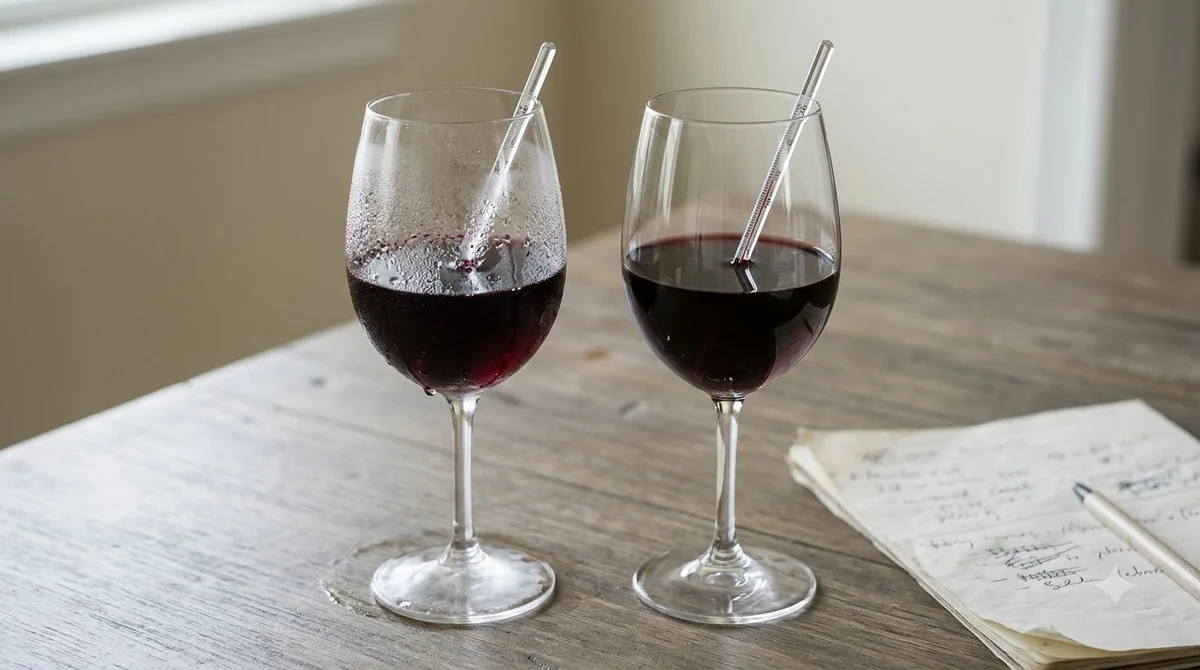
Serve Dom Pérignon Rosé chilled, but not so cold that its aromas disappear. A practical target for sparkling wine is 40°F to 50°F; the Comité Champagne recommends 8°C to 10°C, or about 46°F to 50°F.
Allow enough time for the bottle to cool evenly. The Comité Champagne suggests placing it in an ice bucket half-filled with water and ice for 20 to 30 minutes, or chilling it in the refrigerator for a few hours; avoid leaving it in a freezer for an extended period. Once open, pour a small first measure, let the aroma develop briefly, and then serve gradually so the bubbles and temperature remain lively. A tulip-shaped sparkling-wine glass is a good choice because its wider bowl gives the wine room to show its aroma while the narrower opening helps retain the bubbles. A standard 5-ounce pour gives about five glasses from a 750-milliliter bottle. A flute can preserve a narrow stream of bubbles, but its slim shape may make it harder to appreciate the layered aromas of a mature vintage Rosé.
| Serving detail | Practical figure | How to use it |
|---|---|---|
| Serving temperature | 40°F–50°F | Pour chilled; aim near 46°F–50°F for aromatic detail. |
| Ice-bucket chilling | 20–30 minutes | Use a bucket with both ice and water for even cooling. |
| Standard pour | 5 ounces | Leaves room for the wine’s bubbles and aromas. |
| 750 ml bottle | About 5 glasses | Assumes five standard pours of roughly 5 ounces. |
| Opened sparkling wine | 1–3 days refrigerated | Use a proper sparkling-wine stopper and keep the bottle cold. |
For storage, protect an unopened bottle from light, vibration, and sharp temperature swings. A cool space close to 55°F is a useful target for wine storage; keeping the bottle on its side is a sensible choice for long-term storage when it has a natural cork. The Comité Champagne gives a broader storage range of 10°C to 15°C and notes that Champagne bottles may be stored upright or on their sides. Consistency matters more than moving a bottle repeatedly between warm and cold locations. After opening, keep the bottle in the refrigerator with a stopper made for sparkling wine. The remaining wine is best enjoyed within one to three days; it may still be drinkable later, but the mousse will gradually fade. Do not rely on a regular flat-wine stopper to hold the pressure of a sparkling bottle.
Tip: Chill the bottle to around 45°F to 48°F, then let it warm slightly in the glass. This gives the bubbles time to settle while allowing the red-fruit, citrus, and toast notes to become easier to recognize.
Food Pairings for Dom Pérignon Rosé
Pair Dom Pérignon Rosé with food that can meet its acidity and richer texture without overwhelming its bubbles. Roast poultry, duck, salmon, and savory dishes with herbs or mushrooms are strong starting points.
The Comité Champagne specifically recommends roast fowl with Champagne Rosé. Roast chicken, turkey, and duck have enough savory depth to meet the wine’s red-fruit character, while crisp skin and a lightly seasoned pan sauce add richness without burying the wine. Duck breast with cherry or berry accents can echo the wine’s fruit; roast chicken with thyme, mushrooms, and a modest amount of butter gives the pairing a more savory direction. Salmon and tuna can also work when prepared simply with citrus, herbs, or a light beurre blanc. The wine’s freshness helps balance richness, while its bubbles refresh the palate; avoid heavily smoked, intensely spicy, or very sweet sauces. Chili heat is amplified by alcohol and tannin, so a very hot preparation can make the wine seem harsher.
Choose cheeses with enough flavor to stand beside the wine without taking it over. Aged Comté, Gruyère, mild washed-rind cheese, and creamy triple-cream styles can work; pair them with plain crackers rather than sweet chutneys or heavily spiced condiments. A dessert should be at least as sweet as the wine, so a very sweet finish can make a dry Brut Champagne taste sharper. To learn about another French wine name that appears in conversations about prestige labels, see Baron Philippe de Rothschild wine; its still-wine categories are a useful contrast to a vintage Champagne.
Frequently Asked Questions
These answers address common label and cellar questions that arise when people search for Dom Pérignon red wine. They also help distinguish the Rosé’s vintage identity from Champagne terms that describe sweetness, aging, and handling.
Is Dom Pérignon Rosé made every year?
No. Dom Pérignon’s chef de cave has explained that the Rosé is not obligatory every year, even though the aim is to make it in most years. The decision depends on whether the harvest can support the intended balance between the red-wine component and the white Dom Pérignon style.
What does P2 mean on a Dom Pérignon label?
P2 is the second stage in Dom Pérignon’s Plénitude concept, which presents a wine at a later point in its development. Decanter describes P2 as arriving at roughly 15 years after the vintage, with about 12 years spent on the lees; P3 is a much later stage, generally around 30 to 40 years after the vintage.
Does Brut mean that Dom Pérignon Rosé is completely sugar-free?
No. Under Champagne’s sweetness categories, Brut contains less than 12 grams of sugar per liter, while Extra Brut ranges from 0 to 6 grams per liter. Brut is dry in style, but the category does not mean that the wine contains absolutely no residual sugar.
How should a Champagne bottle be opened safely?
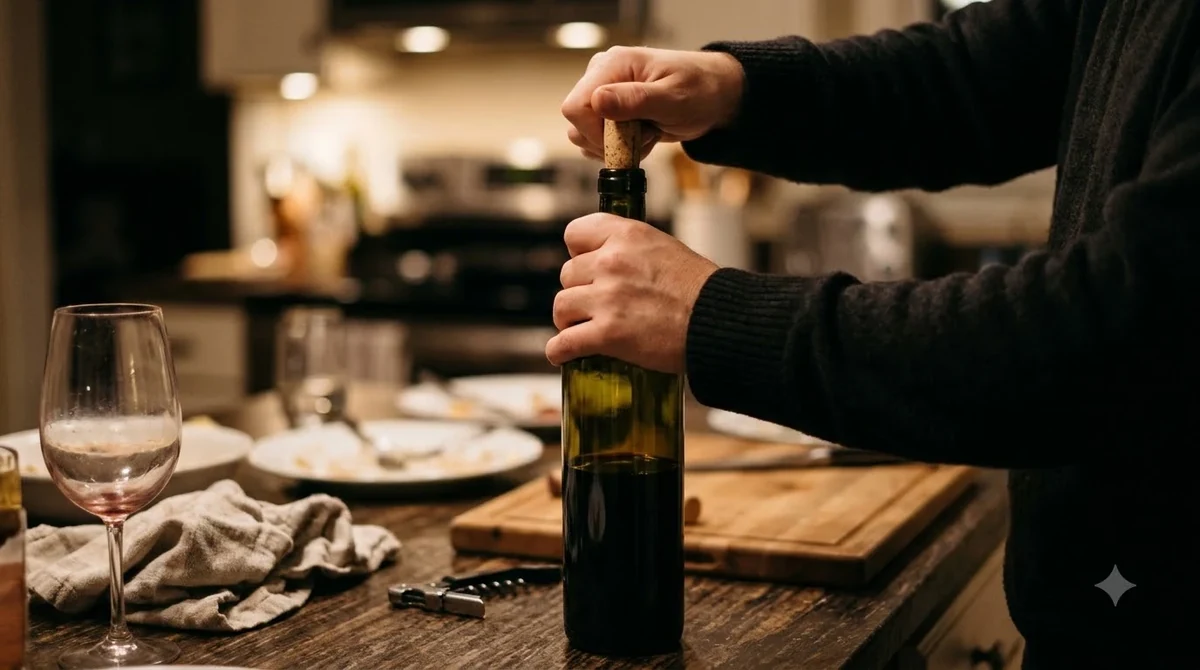
Keep a firm hand over the cork after removing the wire cage, and point the bottle away from people and breakable objects. Rotate the bottle while holding the cork steady, allowing the cork to ease out with a quiet sigh rather than a sharp pop. A chilled bottle is easier to control because pressure is lower.
Can Champagne be stored upright instead of on its side?
Yes. The Comité Champagne says bottles may be stored upright or horizontally, provided the space stays cool at roughly 10°C to 15°C, with humidity around 60% to 80%. The bottle should also be protected from direct light, vibration, and strong odors.
Dom Pérignon Rosé is the answer most people are looking for when they search for Dom Pérignon red wine, but it is a vintage sparkling rosé Champagne rather than a still red. Understanding its Pinot Noir addition, vintage variation, and long bottle aging makes it easier to choose a bottle and serve it well. Chill it carefully, use a glass that shows its aromas, and pair it with roast poultry or other savory foods that leave room for its freshness.
More in Wine Brands
 Louis Latour Wine Price: Compare Bottles by Style and TierUpdated Nov 20, 2026
 Yellow Tail Moscato Price: What to Expect Before You BuyUpdated Nov 20, 2026
 Sutter Home Sweet Red Review: Find the Right Food PairingsUpdated Nov 20, 2026
 Franzia Chillable Red Review: Find the Right Serving StyleUpdated Nov 20, 2026
 Veuve Clicquot Rose Review: Flavor, Food Pairings and Buying AdviceUpdated Nov 20, 2026
 Rombauer Wine Price: Compare Bottles Before You BuyUpdated Nov 20, 2026