

We may earn a commission when you buy through links on this page, at no extra cost to you. Learn more.
Does tawny port need to breathe? No, Tawny Port does not need to breathe before serving because it has already developed through controlled oxygen exposure during its years of aging in wooden casks. Unlike Vintage Port, which may benefit from decanting to remove sediment and release its aromas, Tawny Port is generally ready to pour directly from the bottle. You can let it sit briefly in a glass or use a decanter for presentation, but neither step is necessary for an enjoyable glass.
Tawny Port is a fortified Portuguese wine known for its amber color, smooth texture and flavors of dried fruit, nuts, caramel and spice. Its extended time in wood gives it a different structure from bottle-aged Port, which explains why its serving requirements are relatively simple. Understanding how aging affects the wine helps you decide whether to open and pour immediately, give it a few minutes in the glass, or prepare it in a decanter for a special occasion.
Why Tawny Port Does Not Need to Breathe
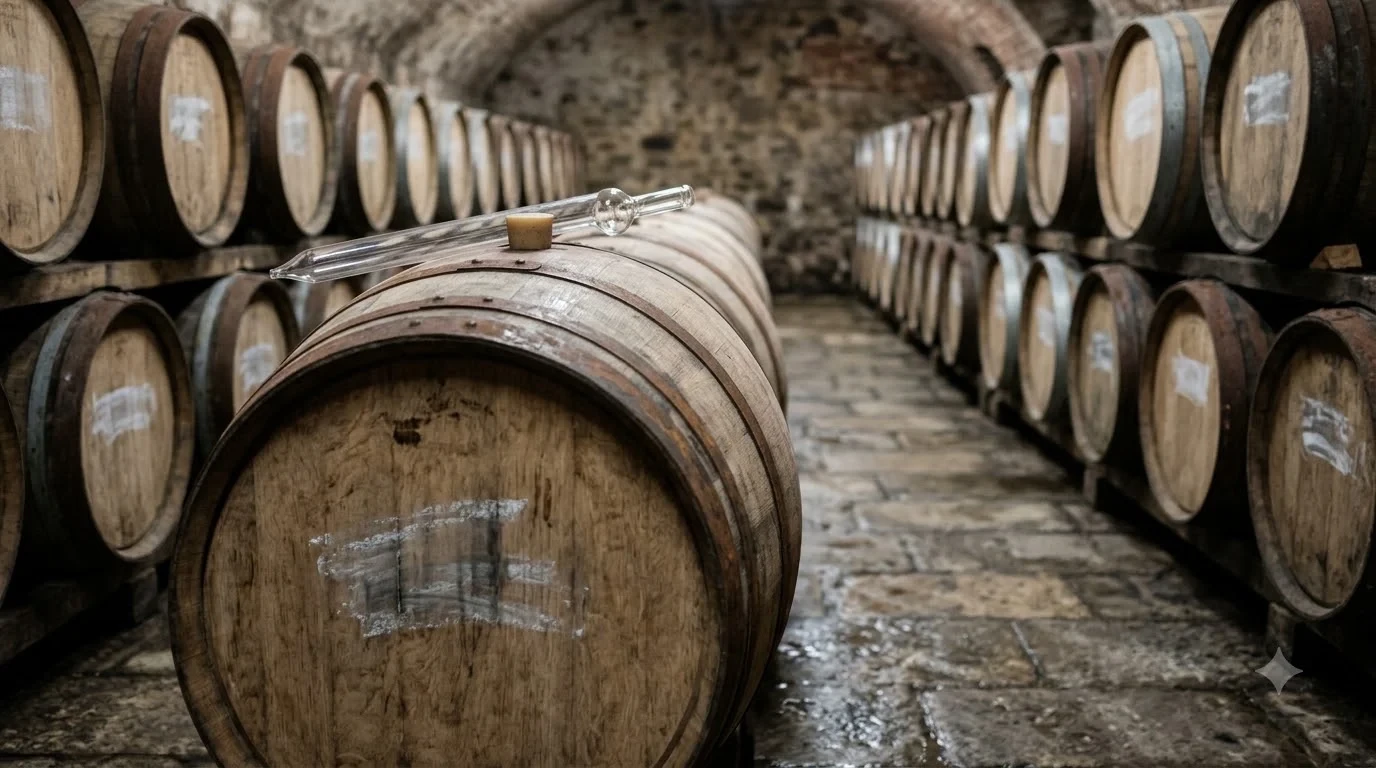
Tawny Port generally does not need additional aeration because its maturation in wooden casks has already exposed it to oxygen gradually over an extended period. This controlled process helps develop its mellow texture, amber color and complex aromas before the wine reaches the bottle.
During maturation, small amounts of oxygen interact with the wine through the wood. This gradual oxidation changes the wine’s original fruit character and contributes to the flavors associated with mature Tawny Port. Depending on the blend and its age, these characteristics can include dried figs, raisins, toasted nuts, caramel, orange peel and gentle spice. The process also softens the wine’s structure, making it feel smoother and more integrated than many younger Ports.
The difference between barrel aging and bottle aging is important. According to Krohn, its Tawny spends three years in wooden casks that generally hold approximately 630 liters. During that time, the wine develops its tawny color and increasingly mellow aromas before different batches are blended and bottled. Older age-indicated Tawny styles undergo much longer maturation, developing further layers of complexity through prolonged contact with oxygen.
This means opening a bottle does not begin the wine’s first meaningful exposure to air. Much of the development that drinkers associate with breathing has already taken place during production. Additional oxygen from a decanter or glass is therefore not a necessary step for bringing out the wine’s character.
There is also a practical difference between making a wine more expressive and making it ready to drink. Tawny Port is bottled in a condition intended for consumption, rather than requiring a period of aeration before it can be enjoyed. Its aromas may change slightly as the wine sits in a glass, but this is a matter of gradual development rather than a requirement for proper service.
For a typical bottle of 10-, 20- or 30-year-old Tawny, opening it and pouring a small serving is entirely appropriate. If the wine seems restrained at first, give it a few minutes in the glass before deciding whether it needs more time. There is no standard breathing period that every Tawny Port must follow.
How Barrel Aging Changes Tawny Port
The reason Tawny Port can be served immediately becomes clearer when you understand how it matures. Its time in wood produces changes that are different from the bottle development of Vintage Port, creating a wine that is generally smoother, more oxidatively developed and ready to enjoy after bottling.
Port is produced in Portugal’s Douro Valley, where red grapes are fermented before grape spirit is added to stop fermentation and preserve natural sweetness. The resulting fortified wine is then matured according to the intended style. For Tawny Port, producers generally use wooden casks, where slow oxygen exposure contributes to the wine’s gradual transformation.
According to Decanter’s explanation of Tawny Port, traditional lodge pipes commonly hold approximately 600 to 640 liters. The relationship between the wine, wood, oxygen and evaporation influences the development of aromas and texture. As maturation continues, the deep red color fades toward amber and brown, while fresh fruit notes develop into more mature characteristics.
These changes explain why Tawny Port often smells and tastes different from Ruby Port. Ruby styles generally emphasize youthful fruit and retain a deeper red color. Tawny styles develop more pronounced dried-fruit, nutty and caramel-like characteristics. Neither style is automatically better; they represent different approaches to Port production.
Age-indicated Tawny Port commonly carries 10-, 20-, 30- or 40-year indications. These numbers describe the approximate age profile of the blend rather than guaranteeing that every component in the bottle spent precisely that number of years in wood. Producers combine wines of different ages to achieve the intended style and consistency.
The longer maturation of older Tawny styles can produce greater aromatic complexity, although the exact result depends on the producer and blending decisions. A 10-year-old Tawny may emphasize dried fruit, caramel and approachable sweetness, while a 30- or 40-year-old example can show more developed nut, spice and orange-peel characteristics.
Importantly, extended barrel aging does not mean that every bottle benefits from additional breathing. The wine has already undergone the maturation process responsible for its characteristic profile. Opening a 40-year-old Tawny does not create a new need for a long decanting period simply because the age indication is higher.
When to Pour, Decant or Give Tawny Port Air
For most Tawny Port, the best approach is to open the bottle, pour a serving and enjoy it immediately. A short rest in the glass is optional, while decanting is mainly useful for presentation or unusual bottles that have developed a deposit.
Decanting has two separate purposes that are sometimes confused. The first is separating wine from sediment, which is particularly important for certain bottle-aged wines. The second is exposing wine to oxygen to influence its aromas and texture. Tawny Port usually needs neither intervention.
Taylor Fladgate specifically distinguishes Aged Tawny from Vintage Port in its serving recommendations. Vintage Port matures in the bottle and can develop natural sediment, while Aged Tawny matures in wooden vessels, where sediment generally settles before bottling. Consequently, the producer explains that Aged Tawny does not require decanting. Its practical serving advice is available in Taylor Fladgate’s guide to serving Port.
There are nevertheless situations in which a decanter makes sense. A clean glass decanter can provide an attractive way to present Tawny Port at a dinner party, particularly when serving an older 20-, 30- or 40-year-old bottle. The transparent vessel also allows guests to appreciate the wine’s amber and copper tones.
Presentation does not require prolonged aeration. You can transfer the wine to a clean decanter shortly before serving and pour it into glasses without waiting an hour or two. A conventional wine decanter is perfectly suitable, provided it is free of detergent residue, dust and lingering aromas from previous wines.
For everyday drinking, pouring directly into a glass is simpler. A small Port glass or a modest white wine glass allows the aromas to collect while keeping the serving size manageable. A generous wine glass can also work, although filling it too high leaves less room for the aromas to develop.
There is no universal breathing time for Tawny Port. Some drinkers prefer the first aromas immediately after pouring, while others enjoy watching the wine change slightly over five or ten minutes. Neither preference indicates that the wine was improperly served.
Tip: If an older Tawny Port seems muted immediately after opening, pour a small amount into a glass and wait five to ten minutes. Compare its aromas before and after resting. This simple approach lets you assess the wine without exposing the entire bottle to unnecessary air.
One exception deserves attention: an unusually old bottle or a Colheita with a questionable storage history may behave differently from a typical commercial Tawny. If it contains visible sediment, handle it carefully and pour gently. A short rest or careful transfer may help with clarity, but a long breathing period should not be assumed necessary.
Best Serving Temperature and Glassware
Serving Tawny Port slightly chilled generally gives the best balance between its sweetness, alcohol and mature aromas. A practical starting point is 50–55°F, with adjustments depending on the style, bottle and personal preference.
Producers and wine publications offer slightly different serving temperatures. Decanter recommends approximately 50–54°F for Tawny and Colheita Port, while Krohn recommends 54–61°F for its Tawny. These recommendations overlap around the low-to-mid 50s, making approximately 52–55°F a useful starting range for many bottles.
Temperature influences how the wine smells and feels. If Tawny Port is served too warm, its alcohol may become more noticeable and the wine can seem heavier. If it is served excessively cold, its aromas may appear subdued and its sweetness less expressive. A moderate chill allows the dried-fruit and nutty characteristics to remain accessible without making the wine feel overly warm.
A practical method is to place the bottle in the refrigerator before serving and pour a small sample to assess its temperature. The exact chilling time depends on the starting temperature, bottle size and refrigerator conditions. If the wine seems too cold, allow it to warm gradually in the glass rather than using an aggressive heating method.
Glassware also makes a difference. A small Port glass is traditional because it accommodates a modest serving while concentrating the wine’s aromas. However, a standard white wine glass with a moderately narrow rim can work particularly well for older Tawny, allowing the drinker to observe its color and assess its complex aromas.
A 750-milliliter bottle provides approximately five standard 5-ounce wine servings, although Port is usually poured in smaller portions because of its sweetness and alcohol content. A serving of around 2 to 3 ounces is a useful starting point for enjoying Tawny as an after-dinner wine.
For a tasting with several Port styles, serve Tawny at a slightly cooler temperature than a full-bodied red wine. This helps preserve the wine’s freshness and keeps its mature aromas from becoming overwhelmed by warmth. The same principle applies whether the bottle is a straightforward Tawny or an age-indicated example.
If you are learning how different styles compare, exploring Wine by Type can provide useful context for understanding fortified wines alongside still and sparkling varieties.
Does Age Change the Need for Aeration?
The age indication on a Tawny Port bottle does not create a requirement for additional breathing. Whether the bottle says 10, 20, 30 or 40 years, its wood-aged production generally means that it is ready to serve without a prescribed decanting period.
However, age can influence how the wine responds to air after opening. Older Tawny blends often contain more developed aromas and may show greater aromatic subtlety. These characteristics deserve attention when serving, even though they do not justify automatically giving the wine an extended breathing period.
10-year-old Tawny Port
A 10-year-old Tawny is often an approachable introduction to age-indicated Port. Its aromas may include raisins, figs, caramel, nuts and gentle spice, with enough freshness to balance its sweetness. It is generally suitable for pouring directly from the bottle and serving slightly chilled.
There is little reason to decant this style for aeration. If the wine seems closed at first, a few minutes in the glass should be sufficient to observe whether its aromas become more expressive.
20-year-old Tawny Port
A 20-year-old Tawny often offers greater aromatic development, with combinations of dried fruit, walnuts, toasted almonds, orange peel and caramel. Its smoother texture makes it particularly suitable for serving on its own after a meal.
Producers such as Sandeman and Krohn provide examples of Tawny styles intended to be enjoyed without conventional decanting. Sandeman’s 20-year-old Tawny guidance describes the wine as ready to drink without requiring decanting, while noting that aeration can be beneficial. This illustrates an important distinction: additional air may be enjoyable, but it is not an obligatory preparation step.
30- and 40-year-old Tawny Port
Older Tawny blends can develop more pronounced nutty, spicy and dried-fruit aromas, with a softer and more integrated palate. These wines are often served in smaller portions because their complexity can make a little wine particularly satisfying.
For these bottles, begin with a small pour and evaluate the aromas over several minutes. A short rest in the glass is a sensible way to observe the wine without committing the entire bottle to a decanter. The objective is to preserve its freshness while allowing its mature characteristics to show.
It is useful to distinguish age from fragility. A 40-year-old Tawny has spent a long time aging in wood before bottling, but that does not mean it behaves like a 40-year-old bottle-aged red wine. The production method matters more than the age number when deciding whether decanting is necessary.
For a closer look at the sensory differences between these styles, see what Tawny Port tastes like. Understanding its characteristic aromas can help you recognize the effects of barrel maturation without confusing them with changes caused by aeration.
How to Store Tawny Port After Opening
Although Tawny Port does not require breathing, it still changes after opening. Oxygen exposure continues once the bottle is uncorked, and the wine gradually loses some of its freshness and aromatic precision.
Its previous exposure to oxygen during barrel aging generally makes Tawny more tolerant of an opened bottle than many delicate table wines. However, that does not mean it remains unchanged indefinitely. The quality of the closure, storage temperature, amount of wine remaining and the wine’s age all influence how long it stays enjoyable.
For a practical routine, replace the stopper securely after each serving and keep the bottle upright in the refrigerator. Refrigeration slows the development of unwanted oxidative and aromatic changes. Upright storage also reduces the wine’s exposed surface area compared with storing an opened bottle horizontally.
Published recommendations vary between producers. Krohn states that its Tawny can remain fresh for an extended period and identifies two months as the optimum drinking period after opening. Decanter’s expert guidance is more conservative for older Tawny and Colheita, describing approximately one week as a period in which the wine can remain in good condition, while delicate flavors may begin to diminish over subsequent weeks.
These differences should not be treated as contradictions. Port styles, bottle closures and storage conditions vary. A straightforward Tawny may remain enjoyable longer than a particularly delicate older example, so the producer’s guidance for the specific wine is useful.
Use the following general comparison as a practical reference rather than a guarantee for every bottle.
| Storage factor | Practical recommendation | Purpose |
|---|---|---|
| Before opening | Cool, dark, stable location | Protects wine from heat and light |
| After opening | Refrigerate promptly | Slows freshness loss |
| Bottle position | Upright | Limits exposed wine surface |
| Closure | Replace stopper securely | Reduces additional air contact |
| Krohn opened Tawny | Within 2 months | Producer’s optimum drinking period |
| Decanter expert guidance | About 1 week | Older Tawny and Colheita freshness reference |
Pay attention to changes in aroma and flavor rather than relying exclusively on a calendar. A wine that has lost its freshness may smell flat, show less pronounced dried-fruit aromas or develop an unpleasant stale character. If the wine no longer provides the expected balance, it is past its best drinking condition.
Unopened bottles are a separate matter. Age-indicated Tawny is already mature when bottled, so further cellaring is generally not required to achieve its intended character. For more information about storage before opening, see how long Tawny Port lasts unopened.
It is also useful to distinguish Tawny Port from ordinary red wine when considering storage. Red wines with different tannin levels, structures and aging histories can respond differently to air. The question of whether red wine needs to breathe therefore has a different answer depending on the wine’s style and production method.
Frequently Asked Questions
These common questions cover practical details that go beyond the basic rule that Tawny Port is ready to serve without mandatory aeration.
Can you drink Tawny Port straight from the refrigerator?
Yes, Tawny Port can be served directly from the refrigerator if it has reached a suitable serving temperature. A very cold bottle may initially show muted aromas, so allowing a small pour to warm in the glass can improve its aromatic expression. Aim for approximately 50–55°F as a useful starting point.
Can Tawny Port be served in a wine decanter overnight?
It is better to avoid leaving Tawny Port in an open decanter overnight. A decanter usually exposes more wine surface to oxygen than a closed bottle, and the aromas can lose definition during extended exposure. If you have transferred wine for presentation, return the unused portion to a suitable sealed container and refrigerate it.
Does Colheita Port need more breathing than aged Tawny?
No, Colheita Port generally follows the same serving principle because it also matures in wood before bottling. It comes from a single harvest year, unlike age-indicated Tawny blends, but its barrel maturation means it is normally ready to serve. Its exact aromatic development depends on the producer and the length of maturation.
Can Tawny Port develop sediment in an old bottle?
Although Tawny Port is generally free from significant sediment, an unusually old bottle can occasionally show deposits or crystals. These may be natural components that have separated during storage rather than evidence of a fault. Pour slowly if you notice visible material collecting at the bottom.
Does Tawny Port need to be served in a special Port glass?
No special glass is essential. Traditional Port glasses are designed for smaller servings, but a small white wine glass can also work well because its bowl provides room for aromas to collect. For a tasting of several Ports, using similar glasses makes it easier to compare their aromatic characteristics.
Tawny Port is one of the easiest fortified wines to serve because its characteristic complexity develops during years of barrel maturation rather than requiring extended aeration after opening. Pour it slightly chilled, give it a few minutes in the glass if desired, and enjoy its mature flavors without unnecessary preparation. For most bottles, opening and pouring is all the breathing Tawny Port needs.
More in Wine Types & Grapes
 What Does Ruby Port Taste Like? Flavor Notes, Styles, and Serving TipsUpdated Nov 21, 2026
 What Does Ribolla Gialla Taste Like? Crisp White and Amber Styles ExplainedUpdated Nov 21, 2026
 What Does Semillon Taste Like? Flavor Profile, Styles & PairingsUpdated Nov 21, 2026
 What Does Scuppernong Taste Like? Flavor, Styles, and Pairing GuideUpdated Nov 21, 2026
 What Does Saperavi Taste Like? Flavors, Styles, and Pairing GuideUpdated Nov 21, 2026
 What Does Natural Wine Taste Like? Flavors, Styles, and Serving TipsUpdated Nov 21, 2026