

We may earn a commission when you buy through links on this page, at no extra cost to you. Learn more.
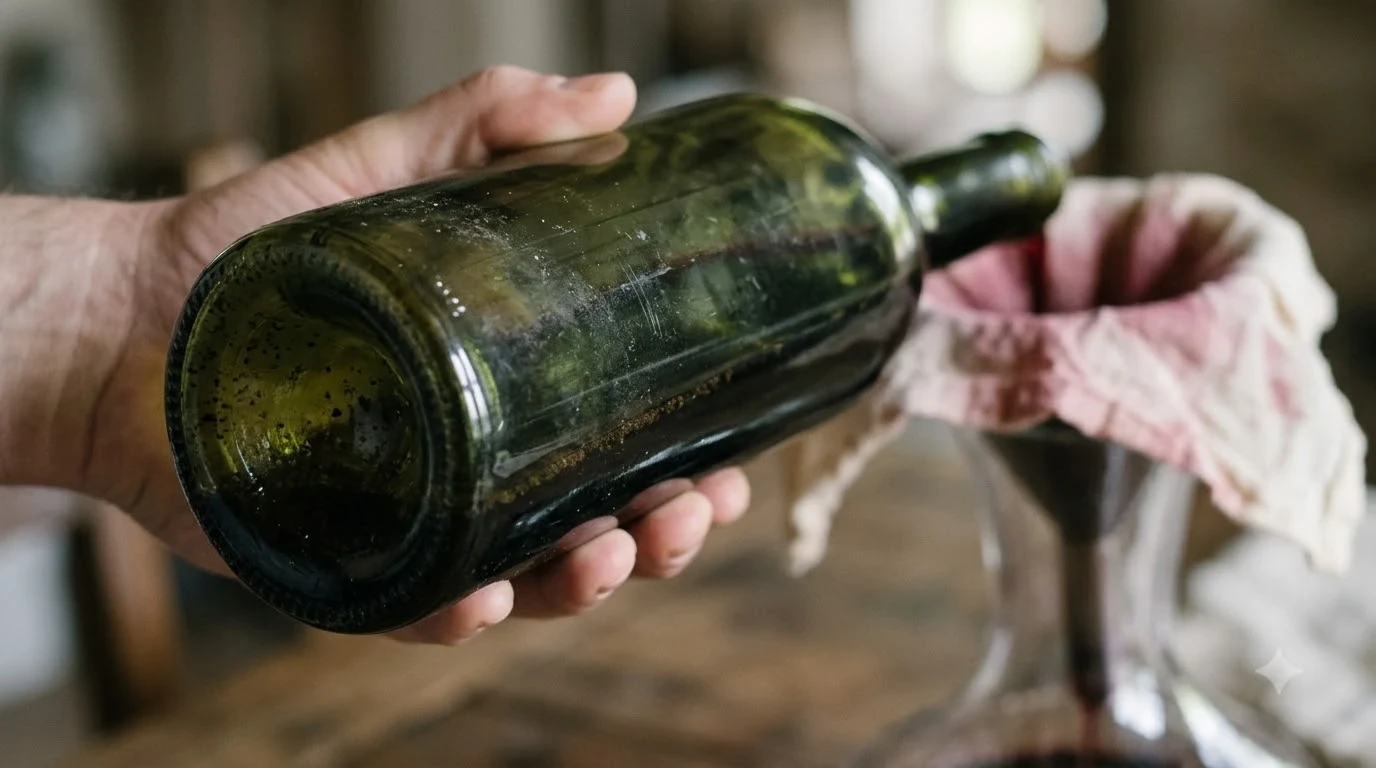
Does mead need to breathe? Mead can benefit from a little breathing time, but most bottles do not need extensive aeration before drinking. A few minutes in a glass can help release honey, fruit, floral, and spice aromas, particularly in complex or higher-alcohol examples. However, too much oxygen can eventually dull fresh flavors and damage the wine-like character of the drink. The best approach is to pour a small sample, give it time to open, and decide whether additional breathing improves the experience.
Mead is often compared with wine because both beverages develop aromas and flavors through fermentation, aging, and careful handling. Made primarily from fermented honey and water, mead ranges from light, refreshing, and floral to rich, sweet, spiced, and intensely aromatic. These differences matter when deciding how much air to give a bottle. A young, delicate traditional mead may show its best qualities immediately, while an older, powerful honey wine or a complex spiced mead may reveal additional layers after sitting in a glass. Understanding the relationship between oxygen, temperature, and mead style makes it easier to serve each bottle at its best.
How Breathing Changes Mead’s Aroma and Flavor
Breathing allows a small amount of oxygen to interact with mead after pouring, while volatile aromatic compounds escape into the surrounding air. This process can make certain aromas easier to recognize and help a tightly wound wine-like beverage become more expressive. The changes are often gradual rather than immediate.
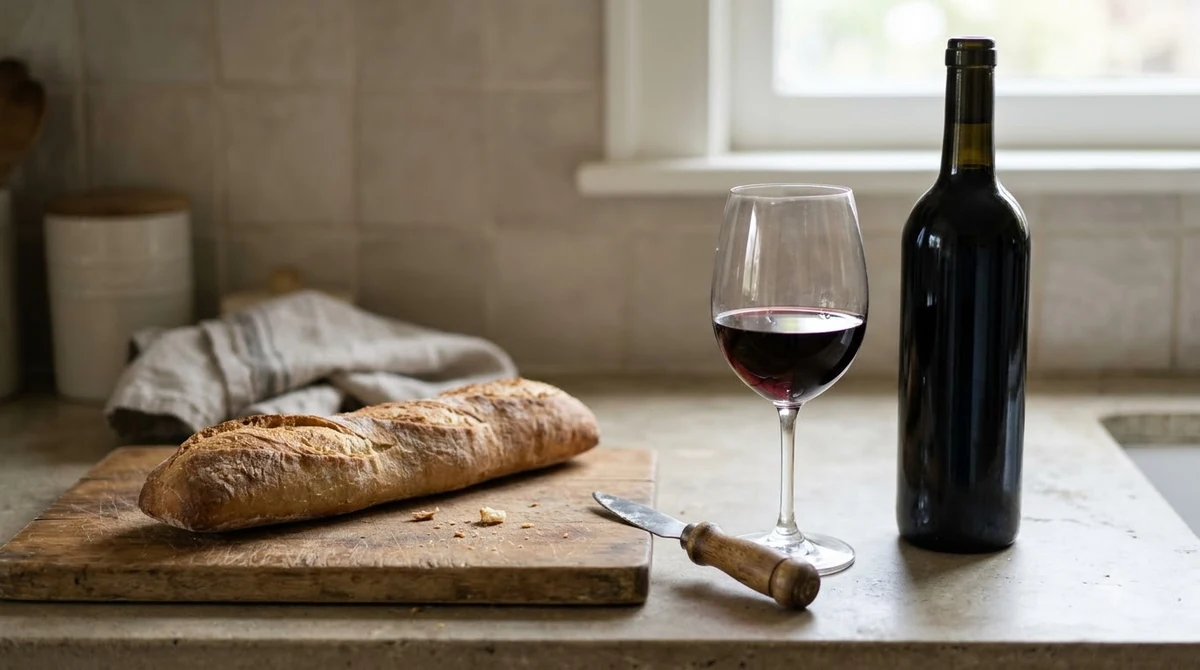
Freshly opened mead sometimes presents a concentrated aroma of honey, alcohol, or fermentation character. After approximately 5 to 15 minutes in a glass, the initial impression may soften, allowing more delicate characteristics to emerge. Depending on the ingredients, these can include orange blossom, wildflower honey, apple, pear, berries, dried fruit, vanilla, cinnamon, or toasted oak.
Oxygen does not automatically make every mead better. Some bottles are already expressive when opened, and additional exposure can cause their delicate aromas to fade. A light floral mead, for example, may lose some of its freshness if left sitting for an extended period. A powerful, mature mead with honey, spice, and oak characteristics may benefit from a longer tasting period.
The Beer Judge Certification Program (BJCP) discusses this development in its examination of mead judging. Experienced judges explain that some meads continue changing in the glass for an hour or longer. Certain examples may even improve over three or four hours, although that is not a universal recommendation for ordinary serving. Its Mead Exam Study Guide also distinguishes beneficial maturation from unwanted oxidation, an important difference when deciding how to handle an opened bottle.
This distinction is important: breathing is a short-term serving technique, whereas aging is a longer process that develops the beverage over months or years. A bottle that needs several minutes to open is not necessarily a bottle that needs additional months of storage. Likewise, a mead that improves with age does not necessarily benefit from aggressive exposure to air when opened.
For everyday drinking, begin with a short wait rather than assuming that every bottle needs decanting. Smell and taste the mead immediately after pouring, then revisit it after another 5 to 10 minutes. Comparing the two impressions is the easiest way to determine whether oxygen is helping.
How Long Should Different Mead Styles Breathe?
Most meads benefit from a brief 5-to-15-minute rest in the glass, although the ideal time depends on their strength, ingredients, age, and aromatic intensity. Delicate examples often need little or no waiting, while richer and more complex bottles can benefit from 15 to 30 minutes or longer.
The following times are practical starting points rather than strict requirements. They describe how long to evaluate a poured serving before deciding whether additional exposure is useful. They are not mandatory waiting periods for opening an entire bottle.
| Mead style | Suggested breathing time | What to look for |
|---|---|---|
| Light traditional mead | 0–5 minutes | Fresh honey and floral aromas |
| Dry traditional mead | 5–10 minutes | Honey, acidity, and fermentation character |
| Sweet traditional mead | 5–15 minutes | Honey richness and balanced aromas |
| Fruit mead (melomel) | 5–15 minutes | Fresh fruit and honey integration |
| Spiced mead (metheglin) | 10–20 minutes | Layered spice and botanical aromas |
| Oak-aged mead | 15–30 minutes | Honey, vanilla, wood, and mature aromas |
| High-alcohol or mature mead | 15–30 minutes | Alcohol integration and developing complexity |
| Light sparkling mead | 0–5 minutes | Fresh aromas and lively carbonation |
These suggested windows reflect the expected intensity of different styles, not a guarantee that every bottle will improve. For example, a fresh raspberry melomel may be most appealing immediately because its fruit character is lively and recognizable. A heavily spiced metheglin might initially emphasize cinnamon or clove, then reveal softer honey and herbal notes after several minutes.
Traditional mead can vary considerably according to its honey source. Clover honey, orange blossom honey, and wildflower honey each contribute different aromatic characteristics. A delicate floral example may lose some of its appeal through prolonged aeration, while a more concentrated honey wine may benefit from additional time.
Sweetness alone does not determine breathing time. A sweet mead can be delicate and immediately expressive, while a dry mead can be powerful and relatively closed when first poured. Alcohol strength, fermentation character, acidity, fruit concentration, and oak influence the result alongside residual sugar.
It is also useful to distinguish still mead from sparkling mead. Carbonated mead loses bubbles as it sits, so extended aeration can undermine the texture that makes it enjoyable. Pour sparkling examples carefully and evaluate them promptly rather than leaving them in a wide decanter.
Tip: Start with 5 minutes in the glass, smell and taste the mead, and then wait another 5 to 10 minutes. If the honey, fruit, or spice aromas become clearer, continue enjoying it slowly. If the aroma becomes muted, there is no reason to leave it exposed longer.
Which Mead Styles Benefit Most From Aeration?
Complex, concentrated, and heavily spiced meads are often the strongest candidates for breathing because their aromas can become more noticeable as the beverage opens. Light, delicate, and sparkling styles generally need less exposure, particularly when their freshness is an important part of their appeal.
Traditional mead: Traditional mead relies primarily on honey for its fermentable sugars and characteristic flavor. Its profile can range from subtle and floral to rich and concentrated. A young, light traditional mead may be enjoyable immediately, while a stronger bottle with pronounced alcohol warmth may benefit from 10 to 20 minutes in a glass. Pay attention to whether the honey aromas become more recognizable rather than assuming that every traditional example needs the same treatment.
Melomel: Melomel is mead made with fruit. Strawberry, raspberry, cherry, blackberry, apple, and other fruit ingredients can contribute fresh, jammy, tart, or dried-fruit characteristics. A brief rest may help the fruit and honey aromas become more integrated. However, delicate fresh-fruit notes can disappear with excessive exposure, making a short tasting window preferable for many fruit-forward examples.
Metheglin: This style incorporates spices and herbs, which can create a layered aromatic profile. Cinnamon, ginger, cloves, nutmeg, and other botanicals may initially appear concentrated. A little air and a slightly longer tasting period can help reveal how the ingredients interact with the underlying honey character. Spiced mead is particularly interesting to revisit after 10, 15, and 20 minutes.
Cyser: Cyser combines honey and apple ingredients in a fermented beverage. Depending on its formulation, it can display characteristics associated with both traditional mead and apple-based fermentation. Fresh apple, baked apple, honey, and spice may become more apparent as the glass rests. A short 5-to-15-minute evaluation is a reasonable starting point.
Braggot: Braggot combines mead and beer ingredients, often incorporating malted grains alongside honey. Its character can include honey sweetness, toasted grain, caramel, and hop or fermentation aromas. Depending on the recipe, a brief rest may help the aromas become clearer, although excessive warming or aeration can weaken freshness.
Oak-aged mead deserves separate consideration. Oak can contribute vanilla, toast, spice, and wood characteristics that become more noticeable as the beverage changes in the glass. A concentrated, mature example may reward a 15-to-30-minute tasting period. However, the goal is to observe how the existing aromas develop, not to force the beverage into an oxidized style.
For a useful comparison with grape-based wines, the amount of breathing required by red wine also varies according to structure and style. The guidance for does red wine need to breathe explains why a powerful, tannic Cabernet Sauvignon may respond differently from a lighter Pinot Noir. Mead has its own chemistry and aromatic profile, so the same serving assumptions should not automatically be applied to both beverages.
How to Let Mead Breathe Without Overdoing It
The easiest way to aerate mead is to pour a serving into an appropriate glass and allow it to rest for a few minutes. Gentle swirling can encourage aromatic compounds to escape, but aggressive agitation and prolonged exposure are unnecessary for most bottles.
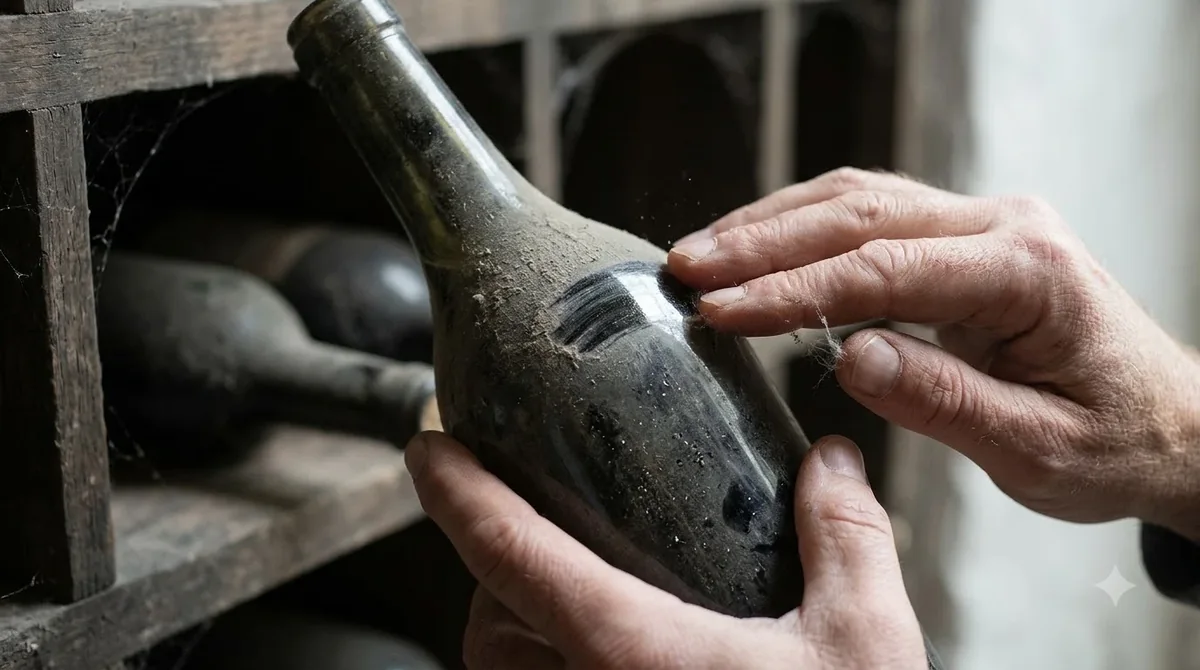
Follow these steps for a straightforward tasting approach:
1. Open the bottle carefully
Remove the closure without shaking the bottle or disturbing any sediment. If the mead is sparkling, open it slowly to manage the release of carbon dioxide and prevent excessive foaming. Avoid unnecessary splashing because the objective is controlled exposure, not introducing as much oxygen as possible.
2. Pour a small serving
A serving of approximately 3 to 5 ounces is sufficient for an initial evaluation. Choose a clean wine glass with enough space above the liquid to collect the aromas. A tulip-shaped glass is particularly useful for concentrated meads because its narrower opening helps direct aromatic compounds toward the nose.
3. Evaluate the freshly poured mead
Before swirling, smell the glass and identify its most obvious characteristics. Look for honey, flowers, fruit, herbs, spices, alcohol, and any oak influence. Take a small sip to establish the initial balance between sweetness, acidity, alcohol, and flavor intensity.
4. Allow 5 to 10 minutes of breathing
Leave the glass undisturbed for several minutes. During this time, some volatile compounds will dissipate and the aromas may become more expressive. Taste again and compare the result with the initial impression.
5. Swirl gently and reassess
If the mead still seems closed, give the glass one or two gentle swirls. This increases contact between the liquid and air, helping release additional aromas. Take another smell and sip rather than assuming that more swirling will always produce a better result.
6. Extend the tasting period only when useful
For complex spiced, oak-aged, or mature meads, continue evaluating the glass at 15-minute intervals. Some bottles may show additional complexity after 30 minutes or longer. Stop when the aromas become less appealing or when the beverage starts losing its freshness.
The most useful technique is to work with a single glass rather than immediately exposing the entire bottle. This gives you a chance to discover whether the particular mead responds positively to air while keeping the remaining contents protected.
For bottles with visible sediment, pour slowly and leave the final portion behind if you prefer a clearer serving. Sediment is not automatically a sign of spoilage, and unnecessary transfers can introduce oxygen without providing a meaningful improvement in flavor.
Glassware also matters. A small glass with limited surface area may release aromas more gradually than a broad wine glass. Neither is universally better. Use a shape that allows you to smell the mead comfortably while retaining enough space for gentle swirling.
Serving Temperature and Glassware Matter More Than You Think
Temperature has a substantial influence on how mead smells and tastes, and a properly served glass may need less breathing time than one poured too cold. Chilling suppresses aromatic expression, while excessive warmth can make alcohol seem more prominent and obscure the beverage’s balance.
There is no single serving temperature for every mead. A light, refreshing example generally benefits from cooler service, while a concentrated, oak-aged, or high-alcohol bottle often shows more detail when served slightly warmer.
| Mead characteristics | Practical serving temperature | Serving consideration |
|---|---|---|
| Light and refreshing | 45–50°F | Preserves freshness and lively character |
| Dry and medium-bodied | 50–55°F | Allows honey and fermentation aromas to emerge |
| Sweet and concentrated | 45–50°F | Keeps sweetness from becoming overwhelming |
| Oak-aged and full-bodied | 55–60°F | Encourages layered honey and oak aromas |
| Strong and mature | 55–60°F | Allows greater aromatic expression |
| Sparkling mead | 40–50°F | Maintains refreshing carbonation |
These are practical serving suggestions rather than formal temperature requirements for every commercial mead. The appropriate temperature depends on the producer’s style, the beverage’s alcohol content, and the balance of its ingredients.
For example, a floral traditional mead served directly from a very cold refrigerator may seem almost neutral at first. Allowing the glass to warm slightly can make its honey character more apparent without requiring extended aeration. Conversely, a high-alcohol mead served warm may seem dominated by alcohol rather than its more delicate aromas.
Glass shape can also change the experience. A white wine glass is a good general choice for light and medium-bodied meads. A larger red wine glass provides room for swirling and can be useful for concentrated, oak-aged examples. Sparkling mead is generally best served in a glass that preserves its bubbles while still allowing the drinker to appreciate its aroma.
Keep in mind that temperature and breathing work together. A mead that seems closed after 5 minutes may simply be too cold. Before leaving it exposed for another 30 minutes, consider whether allowing it to warm slightly would provide a better result.
Breathing, Decanting, and Aging Are Three Different Processes
Breathing, decanting, and aging can all influence mead, but they serve different purposes and involve different amounts of time and oxygen exposure. Understanding these distinctions helps prevent unnecessary handling and protects the character of the beverage.
Breathing: Short-term exposure to air
Breathing takes place after the mead has been poured. The beverage has contact with air in the glass, allowing aromas to develop over a relatively short period. A typical tasting session may involve 5 to 20 minutes of observation, although some complex examples continue changing much longer.
This method is appropriate for most everyday mead drinking. It requires no special equipment, and you can stop at any point if the beverage already smells and tastes appealing.
Decanting: Transferring the beverage into another vessel
Decanting involves pouring mead from its original bottle into a separate vessel. The technique can help separate clear liquid from sediment or provide additional surface area for aeration. It is generally unnecessary for ordinary bottles that are already clear and expressive.
A decanter may be useful for an older, concentrated mead that contains visible sediment or for a bottle that benefits from controlled aeration. However, a large decanter can expose the entire contents to oxygen at once. This creates a greater risk of losing fresh aromas if the mead is delicate or particularly vulnerable to oxidation.
For most bottles, pouring a single glass is a safer way to test how the beverage reacts. If you decide to decant, use a clean vessel and avoid leaving the mead exposed for hours without monitoring its development.
Aging: Long-term development
Aging occurs over a much longer period, usually in a sealed bottle or a suitable storage vessel. During this process, chemical reactions can gradually change the balance of aromas, flavors, and texture. Alcohol sharpness may soften, different flavor components can integrate, and suspended particles may settle.
The BJCP explains that maturation can reduce bitterness and flavor intensity while creating a smoother, more integrated character. Tannins may also contribute to mead’s ability to develop over an extended period.
Importantly, aging does not mean deliberately exposing mead to air. A bottle can mature successfully while being protected from excessive oxygen, heat, and light. In fact, controlling oxygen exposure is a central part of preserving quality during long-term storage.
For a comparison with other wine styles, the principles behind does Barolo need to breathe illustrate why some structured wines benefit from a period of aeration. Barolo is known for its Nebbiolo grape and substantial tannin and acidity, whereas mead derives its structure from honey fermentation, acidity, alcohol, and any additional ingredients. Both can change in the glass, but their individual needs are different.
The same distinction applies to does Beaujolais need to breathe. A lighter Gamay-based wine may need very little aeration, just as a delicate floral mead may be best enjoyed shortly after pouring. The important consideration is the beverage’s actual structure rather than the assumption that all fermented drinks require extensive breathing.
How Oxygen Can Damage Mead and How to Preserve an Open Bottle
Small amounts of oxygen can help certain meads develop in the glass, but excessive exposure can cause oxidation and spoilage. The signs include duller color, diminished freshness, stale aromas, and changes in fruit character that make the beverage less appealing.
Oxidation is not always immediately obvious. A bottle may initially smell normal but gradually develop characteristics associated with dried fruit, nuts, almonds, paper, or wet cardboard. Fresh berry and apple aromas can become less recognizable, while the overall impression may seem tired or muted.
The BJCP also explains that oxygen can encourage aerobic bacteria, including Acetobacter, to flourish. These microorganisms are associated with the production of acetic acid and can contribute to vinegar-like characteristics. This is one reason careful oxygen management matters during fermentation, storage, and bottling.
There are historical exceptions. Certain traditional Polish meads have incorporated intentional oxidative development, sometimes producing nutty and sherry-like aromatic qualities. These are deliberate stylistic characteristics, not evidence that uncontrolled oxidation improves every bottle of honey wine.
Once a bottle has been opened, proper storage helps preserve the remaining contents:
- Reseal promptly: Replace the original closure or use a suitable wine stopper after pouring.
- Refrigerate: Cold storage slows many reactions that contribute to flavor deterioration.
- Minimize headspace: A bottle with less empty space contains less air above the liquid.
- Avoid repeated splashing: Pour carefully instead of transferring the mead between several containers.
- Keep it away from light: Store the bottle in a dark or protected location.
- Maintain a stable temperature: Avoid leaving an opened bottle in a warm room for extended periods.
Still mead may remain enjoyable for several days after opening, but its condition depends on alcohol strength, sweetness, acidity, packaging, and how much air remains in the bottle. A practical starting point is to refrigerate it and reassess the aroma and flavor over the next 3 to 5 days rather than assuming that every opened bottle has the same shelf life.
Sparkling mead requires more attention to carbonation. Once opened, it gradually loses carbon dioxide, so a suitable sparkling-wine stopper can help retain its bubbles. Keep the bottle refrigerated and aim to enjoy it within approximately 1 to 3 days for the best carbonation and freshness.
For home meadmakers, oxygen management begins well before the bottle is opened. The American Homebrewers Association distinguishes between the initial aeration needed by yeast and the need to protect fermented mead from additional oxygen. Its How to Make Mead tutorial explains that oxygen can support healthy yeast activity when preparing the must, but splashing after initial aeration can cause oxidation and shorten shelf life.
During secondary fermentation and aging, sanitized equipment, careful transfers, and minimal headspace are important. The BJCP also recommends minimizing oxygen exposure during transfers, including purging suitable containers with carbon dioxide. These practices protect the finished beverage and are different from the brief aeration used when serving a glass.
For more information about different fermented beverages and their characteristics, explore Wine by Type. Understanding how individual styles are produced and served provides a useful foundation for deciding whether a particular bottle needs additional air.
Frequently Asked Questions
Can you drink mead straight from the bottle?
Yes. Mead is ready to drink when it has been properly fermented, finished, and packaged. Pouring it into a glass is generally preferable because the glass makes it easier to appreciate its aromas and observe any sediment. A sealed commercial bottle does not need to be opened in advance for the beverage to be enjoyable.
Does homemade mead need more breathing time than commercial mead?
Not necessarily. Homemade mead can vary significantly according to yeast selection, fermentation conditions, honey variety, and maturation. A freshly bottled batch may still have unsettled flavors, while a properly conditioned homemade mead can be immediately enjoyable. Commercial production does not automatically mean that a mead needs less aeration.
Can mead develop aromas similar to sherry?
Yes. Certain oxidative reactions can produce nutty, almond-like, and sherry-like aromatic characteristics. These qualities are associated with some intentionally oxidative traditional styles, including historical Polish meads. However, a strong sherry-like character in an otherwise fresh, delicate mead may indicate unwanted oxidation rather than desirable maturation.
Does mead become stronger after breathing?
No. Allowing mead to breathe does not increase its alcohol content. Its perceived warmth can change as the beverage reaches a different temperature and its aromas develop, but the actual alcohol concentration remains essentially unchanged during ordinary serving. Alcohol content is determined by fermentation and the finished beverage’s composition, not by how long it sits in a glass.
Can you use a wine aerator for mead?
A wine aerator can introduce additional air as mead passes through the device, but it is rarely necessary for ordinary serving. It may be useful as a small-scale experiment with a concentrated, closed example, provided you compare the result with a glass poured normally. Avoid using aggressive aeration on sparkling or delicate floral meads because it can diminish carbonation and fresh aromatic character.
Mead can benefit from breathing, but the best results usually come from gentle, controlled exposure rather than lengthy aeration. Start with a small pour, allow approximately 5 to 15 minutes for the aromas to develop, and adjust according to the beverage’s style and character. Whether you are opening a floral traditional mead, a fruit-forward melomel, or a mature oak-aged bottle, tasting it at the right temperature and giving it time to express itself are more important than following a rigid breathing schedule.
More in Wine Types & Grapes
 What Does Ruby Port Taste Like? Flavor Notes, Styles, and Serving TipsUpdated Nov 21, 2026
 What Does Ribolla Gialla Taste Like? Crisp White and Amber Styles ExplainedUpdated Nov 21, 2026
 What Does Semillon Taste Like? Flavor Profile, Styles & PairingsUpdated Nov 21, 2026
 What Does Scuppernong Taste Like? Flavor, Styles, and Pairing GuideUpdated Nov 21, 2026
 What Does Saperavi Taste Like? Flavors, Styles, and Pairing GuideUpdated Nov 21, 2026
 What Does Natural Wine Taste Like? Flavors, Styles, and Serving TipsUpdated Nov 21, 2026