


We may earn a commission when you buy through links on this page, at no extra cost to you. Learn more.
The best dessert wine brands include Château d’Yquem, Château Guiraud, Royal Tokaji, Graham’s, Dow’s, Inniskillin, and Braida, with each producer offering a different approach to sweetness, acidity, and flavor. The right choice depends on whether you prefer rich honeyed whites, concentrated fortified wines, refreshing Moscato, or intensely sweet Icewine. Understanding the main styles and their leading producers makes it easier to choose a bottle that complements your dessert, suits your preferences, and delivers the sweetness you actually enjoy.
Dessert wine deserves more attention than it usually receives. Some bottles are light, floral, and gently sparkling, while others are deeply concentrated, complex, and suitable for decades of cellaring. The producer matters because grape selection, harvesting conditions, fermentation, and aging all influence the finished wine. This guide covers established producers across the major dessert wine regions, explains what distinguishes their wines, and provides a practical approach to choosing your next bottle.
Who Should Look for These Dessert Wine Producers
The best dessert wine brands appeal to several kinds of wine drinkers, from people discovering sweet wine for the first time to experienced collectors seeking traditional bottles from Bordeaux, Portugal, or Hungary. Identifying your preferred drinking occasion is the easiest way to narrow the choices.
Newcomers often appreciate Moscato d’Asti because its gentle bubbles, floral aromas, and relatively low alcohol make it approachable. Producers such as Braida and Marenco offer recognizable examples of this Piedmont specialty. Someone who enjoys sparkling wine but wants something sweeter may find this style more appealing than a heavy fortified wine.
Drinkers who prefer concentrated, traditional dessert wines can explore Château Guiraud and Château d’Yquem for Sauternes, Royal Tokaji for Hungarian sweet wine, or Graham’s and Dow’s for Portuguese Port. These producers represent distinct regional traditions rather than interchangeable versions of the same drink.
There are also good choices for people who enjoy matching wine with food. Inniskillin’s Canadian Icewine can accompany fruit desserts and blue cheese, while Tawny Port works particularly well with caramel, nuts, and aged Gouda. Pedro Ximénez Sherry is another option for those who enjoy intensely concentrated dried-fruit flavors.
Consider these buying situations:
- First sweet wine: Start with Moscato d’Asti or a moderately sweet late-harvest Riesling.
- Formal dinner: Choose Sauternes or Tokaji Aszú for a more concentrated and complex finish.
- After-dinner sipping: Consider Tawny Port, Ruby Port, or sweet Madeira.
- Fruit-based desserts: Look for Canadian Icewine or a balanced late-harvest white.
- Chocolate and nuts: Explore Ruby Port, Pedro Ximénez, or Malmsey Madeira.
People who normally prefer dry wine should not automatically avoid dessert wine. High acidity can make a sweet bottle feel fresh rather than syrupy, and savory pairings can show a completely different side of the category. A useful starting point is a wine with noticeable freshness and moderate sweetness rather than the most concentrated bottle available.
Key Factors to Compare When Buying Dessert Wine
Choosing a good bottle involves more than finding the sweetest option. Compare the producer, wine style, acidity, alcohol level, bottle size, and intended food pairing before making a purchase.

Producer reputation provides a useful starting point, but the winemaking style is equally important. A bottle from Château Guiraud will offer a very different experience from one produced by Graham’s because Sauternes and Port use different grapes, fermentation techniques, and regional traditions.
| Producer or brand | Main style | Region | Best reason to consider it |
|---|---|---|---|
| Château d’Yquem | Sauternes | Bordeaux, France | Prestigious botrytized sweet wine |
| Château Guiraud | Sauternes | Bordeaux, France | Rich fruit and balanced acidity |
| Royal Tokaji | Tokaji Aszú | Hungary | Concentrated sweetness and acidity |
| Graham’s | Port | Douro, Portugal | Traditional fortified wine |
| Dow’s | Port | Douro, Portugal | Ruby and Tawny Port choices |
| Inniskillin | Icewine | Canada | Frozen-grape dessert wine |
| Braida | Moscato d’Asti | Piedmont, Italy | Light, floral sparkling sweetness |
| Marenco | Moscato | Piedmont, Italy | Aromatic and fruit-forward wines |
The table identifies representative producers and their principal styles, not a ranking of every wine they make. Individual bottlings differ in sweetness, alcohol, vintage character, and aging potential. A producer may offer several expressions, so choosing by the specific wine rather than the name alone is important.
Acidity is one of the most useful comparison points. A dessert wine needs enough freshness to balance its residual sugar. Tokaji made with Furmint, for example, can combine concentrated sweetness with lively acidity. Sauternes also relies on the relationship between sweetness, fruit concentration, and acidity to avoid tasting flat.
Alcohol provides another distinction. Moscato d’Asti is typically around 5–6.5% ABV, while Port commonly sits around 19–22% ABV. These figures illustrate why two wines with similar perceived sweetness can deliver very different drinking experiences. Fortified wines generally call for smaller servings, while lighter sparkling examples can work throughout a dessert course.
Bottle size also deserves attention. Dessert wines are often available in 375 ml half-bottles, which provide approximately two and a half standard 5 oz pours. A 750 ml bottle provides about five standard pours, although a 2–3 oz dessert wine serving is often more practical. Smaller bottles help reduce waste when serving a concentrated wine to only two people.
Tip: Compare acidity and alcohol before comparing sweetness alone. A wine with lively acidity can taste fresher and more balanced than a sweeter bottle with less structural freshness.
Step-by-Step: How to Choose the Right Dessert Wine
A straightforward buying process helps prevent mismatched purchases. Start with the food or occasion, identify your preferred style, and then compare producers and individual bottlings.
-
Decide when you will serve the wine.
A bottle for a casual afternoon gathering should not necessarily be the same as one for a formal dinner. Moscato d’Asti suits relaxed occasions, while Sauternes and Tokaji are particularly appealing for a more traditional dessert course. Port is another strong option for a slower after-dinner gathering.
-
Identify the dessert or food pairing.
Match the wine’s sweetness to the food. The wine should be at least as sweet as the dessert, otherwise the wine can seem sour or thin beside a sugary dish. Fruit tarts and cheesecake can work with Icewine, while chocolate desserts often benefit from Ruby Port or sweet Madeira.
-
Select a regional style.
Choose Bordeaux for Sauternes, Hungary for Tokaji, Portugal for Port, Italy for Moscato d’Asti, or Canada for Icewine. Each region has a recognizable production tradition, making this a practical way to narrow a large selection.
-
Choose a producer with a clear specialty.
Consider Château Guiraud or Château d’Yquem for Sauternes, Royal Tokaji for Aszú, Graham’s or Dow’s for Port, and Inniskillin for Canadian Icewine. For lighter sparkling sweetness, look at Braida and Marenco.
-
Compare the specific bottlings.
Within Port, distinguish Ruby from Tawny and Vintage expressions. For Tokaji, pay attention to the puttonyos designation where applicable. For Moscato, distinguish Moscato d’Asti from other Moscato wines, since sweetness, carbonation, and alcohol can vary.
-
Consider the bottle format.
A 375 ml bottle can be suitable for a concentrated dessert wine served to two or three people. A 750 ml bottle makes more sense for a larger gathering or a wine that will accompany several courses.
-
Plan the serving temperature.
Chill sweet white wines and Icewine before serving. A practical range for sweet whites is 43–50°F. Port and Madeira can be served according to their particular style, with Tawny Port generally benefiting from a slightly warmer serving temperature than sparkling Moscato.
This process works particularly well for online shopping, where tasting before buying is not always possible. Reading the producer description and identifying the wine’s grape varieties and production method can tell you more than a generic sweetness label.
For additional background on selecting bottles across different categories, the wine buying guide provides a useful starting point for comparing regions, styles, and labels.
Types and Styles Explained: Producers Worth Knowing
Dessert wines are produced through several distinct methods, including noble rot, late harvesting, fortification, and freezing grapes on the vine. Understanding these techniques explains why established producers can make such different wines while all serving the same general purpose.
Sauternes: Château d’Yquem and Château Guiraud
Sauternes comes from Bordeaux in southwestern France and is one of the most recognizable traditional dessert wine styles. It commonly uses Sémillon, Sauvignon Blanc, and Muscadelle, with Botrytis cinerea concentrating the grapes under suitable conditions. The resulting wines can show honey, apricot, tropical fruit, and butterscotch characteristics.
Château d’Yquem is an internationally recognized name for prestigious Sauternes. Its wines are associated with concentration, complexity, and substantial aging potential. It is an appealing producer for collectors and special occasions, particularly for drinkers interested in the traditional prestige end of sweet Bordeaux.
Château Guiraud is another established Sauternes producer. Wine Enthusiast describes its wines with ripe yellow fruit and balancing acidity. This combination illustrates an important feature of good dessert wine: sweetness should not eliminate freshness or definition.
Both producers are appropriate starting points for exploring the category, although individual vintages and bottlings can differ considerably. Sauternes is particularly suited to blue cheese, fruit-based desserts, and dishes with rich or savory components.
Tokaji: Royal Tokaji and Oremus
Tokaji Aszú comes from Hungary’s historic Tokaj region. Its traditional production involves botrytized grapes, often blended with a base wine made from varieties such as Furmint and Hárslevelű. Furmint contributes acidity that helps balance the wine’s concentrated sweetness.
Royal Tokaji is a recognizable producer for drinkers exploring Hungarian sweet wines. Its portfolio includes Tokaji Aszú and the exceptionally concentrated Essencia style. The wines can show apricot, citrus, honey, ginger, and dried-fruit flavors.
Oremus is another producer worth recognizing. Its Tokaji Aszú wines are featured in wine buying coverage for their combination of tropical fruit, honey, apricot, and fresh acidity. These characteristics make Tokaji especially versatile with fruit desserts and savory cheese courses.
The puttonyos designation traditionally communicates sweetness in Tokaji Aszú. Higher numbers indicate greater concentration and sweetness in the traditional classification. It is a helpful comparison when deciding between different expressions, although the overall balance and producer style still matter.
Port: Graham’s, Dow’s, and Quinta do Noval
Port comes from Portugal’s Douro Valley and is a fortified wine. Grape spirit is added during fermentation, stopping the process while natural grape sugar remains. The finished wine is considerably higher in alcohol than Moscato or most sweet white wines.
Graham’s is a recognized Port house with expressions suited to different occasions. Tawny styles are particularly useful with nuts, caramel desserts, and aged cheese. Ruby Port provides a darker fruit profile that can work with chocolate and berry desserts.
Dow’s is another established name in the Douro. Its range makes it worth considering for drinkers exploring the differences between youthful fruit-driven Port and more mature expressions.
Quinta do Noval is also a prominent Port producer. Its Vintage Port is associated with concentrated dark fruit, structured tannins, and aging potential. Vintage Port is generally better suited to drinking on its own after a meal than to pairing with a very sweet dessert.
For a more detailed introduction to sparkling alternatives for celebrations, see our guide to best prosecco brands. Prosecco is not normally a dessert wine, but its sweetness levels and fresh acidity can be useful when choosing a lighter sparkling option.
Icewine: Inniskillin
Canadian Icewine is made from grapes that freeze naturally on the vine. The frozen fruit is pressed while still frozen, concentrating sugars and other components in the juice. Vidal and Riesling are common white varieties, while Cabernet Franc can produce distinctive red Icewine.
Inniskillin is one of Canada’s best-known Icewine producers. Total Wine’s regional guide identifies the producer’s role in the development of Canadian Icewine, including its early production work in 1984. The style is known for tropical fruit, honey, and nut characteristics balanced by bright acidity.
White Icewine works particularly well with cheesecake, blue cheese, and fruit desserts. Cabernet Franc Icewine offers a different direction, with raspberry, strawberry, and baking spice characteristics that can complement berry desserts and dark chocolate.
Moscato d’Asti: Braida and Marenco
Moscato d’Asti comes from Piedmont in northwestern Italy and is made from Moscato Bianco. It is gently sparkling, aromatic, and generally lower in alcohol than Port or many traditional botrytized dessert wines.
Braida is a producer associated with Moscato d’Asti bottlings that show floral and fruit-forward characteristics. Its wines are a useful starting point for someone who wants sweetness without the heavier texture of fortified wine.
Marenco is another Piedmont producer to consider. Its Moscato wines are associated with aromatic fruit, honeyed notes, and freshness. These characteristics make the style particularly suitable for fruit desserts, pastries, and informal gatherings.
If your preference is for sparkling wine rather than a still dessert wine, you can also explore our guide to best champagne brands. Champagne and Moscato d’Asti have different production methods and flavor profiles, but both can bring freshness and bubbles to a celebratory meal.
Other Sweet Wine Producers and Styles
Some excellent dessert wines do not fit neatly into the most familiar categories. Late-harvest Riesling, sweet Sherry, Madeira, and Italian passito wines all deserve consideration.
Pedro Ximénez Sherry is made from grapes that are dried before fermentation and produces concentrated flavors of raisins, figs, and caramel. It can be an excellent match for chocolate desserts, vanilla ice cream, and blue cheese. Sweet Madeira, particularly Bual and Malmsey, offers notes of nuts, dates, coffee, and caramel.
Late-harvest Riesling is another worthwhile choice for drinkers who prefer sweetness supported by pronounced acidity. German producers such as Joh. Jos. Prüm and Weingut Robert Weil are associated with late-harvest and sweet Riesling traditions. These wines can complement fruit desserts and spicy dishes when their sweetness is balanced appropriately.
Common Mistakes When Choosing Dessert Wine
The most frequent mistake is assuming that every dessert wine tastes alike. A lightly sparkling Moscato, a botrytized Sauternes, and a fortified Port may all be sweet, but their alcohol, acidity, texture, and food compatibility differ substantially.
Another mistake is selecting a wine that is less sweet than the dessert. Imagine serving a relatively dry late-harvest wine with a very sugary chocolate cake. The dessert can make the wine seem acidic, thin, and less fruity than it really is. Choose a wine that matches or exceeds the dessert’s sweetness instead.
Pairing Port with every type of chocolate dessert is also an oversimplification. Ruby Port can complement dark chocolate and berry flavors, while Tawny Port is often better suited to caramel, toasted nuts, and baked desserts. A very rich chocolate pudding may need a wine with sufficient concentration rather than a delicate sweet white.
Some buyers focus too much on prestige. Château d’Yquem is an important reference point for Sauternes, but it is not the only route to a satisfying bottle. Château Guiraud and other established Bordeaux producers provide different expressions of the region’s style. The best choice depends on the occasion and the drinker’s preferences.
Other mistakes include:
- Ignoring alcohol: A Port around 19–22% ABV feels substantially different from Moscato d’Asti at approximately 5–6.5% ABV.
- Confusing sparkling and still wines: Moscato d’Asti has gentle bubbles, while many Sauternes and Tokaji wines are still.
- Choosing only by grape: Riesling can produce dry, off-dry, and very sweet wines depending on harvesting and winemaking decisions.
- Serving every wine at room temperature: Sweet white wines generally benefit from chilling, while fortified wines have different serving requirements.
- Buying too much: Concentrated dessert wines often need only small pours, making half-bottles practical.
- Ignoring savory pairings: Blue cheese, pâté, and rich dishes can make excellent partners for certain dessert wines.
It is also a mistake to assume that a higher sweetness designation automatically means a better wine. A very concentrated wine can be impressive, but a moderately sweet bottle with good acidity may be more enjoyable with the food being served. Balance matters more than sweetness alone.
For another useful overview of the production methods behind these categories, Total Wine’s guide to dessert wine types explains the differences between fortified wines, frozen-grape wines, late-harvest styles, and botrytized wines.
Care, Serving, and Storage Tips for Dessert Wine
Proper serving temperature and storage help preserve the aromatic character of dessert wine. Most sweet white wines benefit from chilling, while fortified wines can be served slightly warmer depending on their style and maturity.
Use these serving temperatures as practical starting points:
- Sweet white wines: 43–50°F.
- Light sparkling dessert wines: 40–50°F.
- Fuller sweet white wines: 50–55°F.
- Fortified Port: Adjust according to style, generally serving Tawny and Ruby below typical warm room temperature.
Small pours help maintain the wine’s temperature and prevent overly rich flavors from becoming tiring. A 2–3 oz serving is usually sufficient for concentrated dessert wine. Moscato d’Asti can be poured more generously, particularly when served alongside fresh fruit or light pastries.
Storage after opening depends on the style. Keep opened bottles of still dessert wine refrigerated and tightly sealed. A general guide is three to five days for still wines, while sparkling wines generally retain their best character for approximately one to three days with an appropriate sparkling-wine stopper.
Fortified dessert wines often last longer after opening. Some Port and Sherry styles can remain enjoyable for several weeks, depending on their production and storage conditions. Oxidative styles of Madeira are generally more stable than delicate fresh wines, although proper sealing and storage still matter.
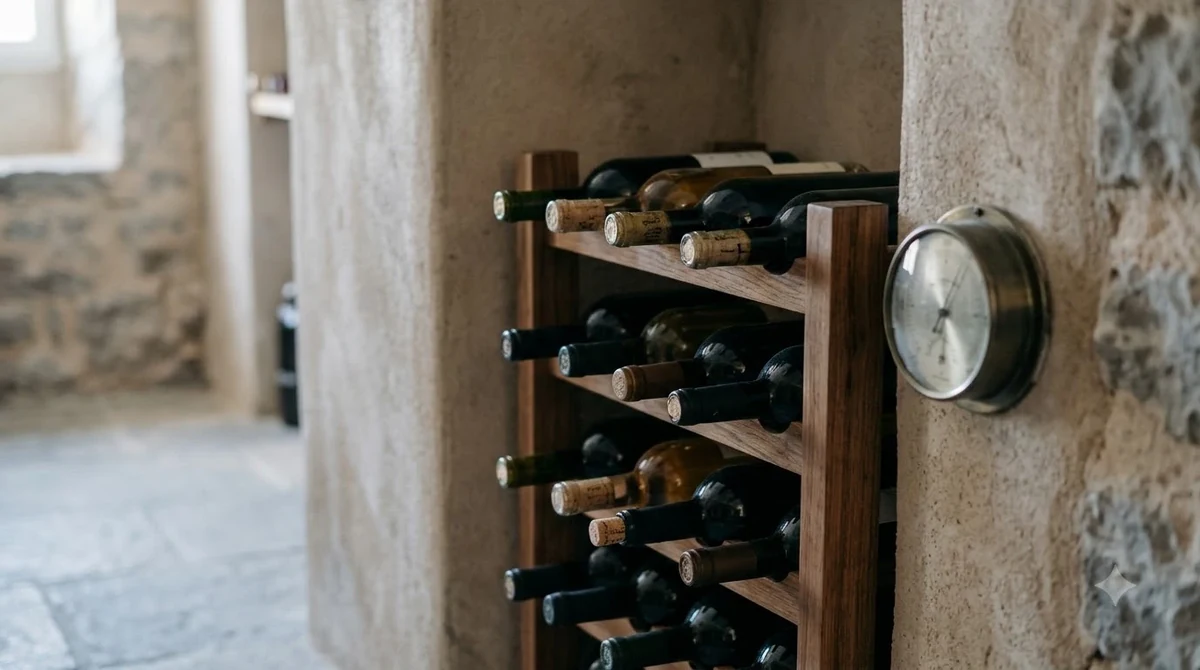
Unopened dessert wine should be stored away from direct sunlight and large temperature fluctuations. A consistent temperature near 55°F is a useful cellar target. Traditional cork-finished bottles are generally stored on their sides to keep the cork from drying out, while bottles with different closures should follow their producer’s storage recommendations.
There are also practical ways to make an opened bottle last longer:
- Refrigerate opened sweet white wine promptly.
- Use a suitable closure to limit unnecessary oxygen exposure.
- Keep sparkling wine under a proper pressure-retaining stopper.
- Pour only the amount needed instead of leaving the bottle open during dinner.
- Record the opening date if the wine is intended to last several days.
Serving dessert wine in an appropriate glass can also improve the experience. A small white wine glass works for Sauternes and Tokaji, while a Port glass is suitable for fortified wines. A regular wine glass is perfectly acceptable when specialized glassware is unavailable, provided the pour remains moderate.
Finally, think about the whole meal rather than treating dessert wine as an isolated final course. A glass of Tokaji with blue cheese, Sauternes with fruit tart, or Tawny Port with pecan pie can create a more balanced finish than serving an extremely sweet wine with an already sugary dessert.
For a deeper look at specific bottles and regional examples, Wine Enthusiast’s dessert wine buying guide covers Sauternes, Tokaji, Port, Icewine, Moscato, and other traditional styles.
Frequently Asked Questions
Are dessert wines always made from white grapes?
No. Dessert wines can be made from both white and red grape varieties. Cabernet Franc Icewine from Canada is a notable red example, while Brachetto d’Acqui from Piedmont is a sweet sparkling red wine. These styles demonstrate that dessert wine is defined more by sweetness and production method than by grape color.
Can dessert wine be used in cooking?
Yes. Sweet Madeira, Port, and certain Sherry styles can be used in sauces, reductions, and dessert preparations. Madeira can add depth to savory sauces, while Port can contribute concentrated fruit character to berry sauces. Use a wine whose flavor complements the other ingredients rather than relying on sweetness alone.
What does noble rot mean on a dessert wine description?
Noble rot refers to Botrytis cinerea, a fungus that affects ripe grapes under particular weather conditions. It changes the fruit’s composition and concentrates sugars and flavors as water evaporates. The technique is central to traditional Sauternes and Tokaji Aszú production.
Does dessert wine improve after opening for several weeks?
Not usually. Some fortified styles can remain enjoyable for several weeks after opening, but that does not mean they improve indefinitely. Fresh sparkling wines and delicate sweet whites generally lose their most appealing aromas and freshness sooner. Storage conditions and the specific production style determine how well a bottle keeps.
Is there a difference between Icewine and Eiswein?
Both terms describe wines made from grapes naturally frozen on the vine, but they are associated with different national production traditions. Icewine is the Canadian spelling and regulated category, while Eiswein is the German term. The grape varieties and production conditions can differ between regions, producing distinct expressions of frozen-grape sweetness.
The best dessert wine brands offer more than sweetness: they provide distinctive regional character, balanced acidity, and styles suited to different foods and occasions. Start with Moscato d’Asti for a lighter introduction, explore Sauternes or Tokaji for concentrated white wines, and choose Port or Madeira for richer after-dinner drinking. Once you understand the differences between these producers and styles, finding a bottle that suits your next meal becomes considerably easier.
More in Wine Buying Guides
 Riesling Gift: Choose a Bottle They’ll LoveUpdated Nov 21, 2026
 Sweet Red Wine Gift: Choose a Bottle They’ll LoveUpdated Nov 21, 2026
 Malbec Gift: How to Choose a Memorable Bottle for Any OccasionUpdated Nov 21, 2026
 Sherry Gift Ideas That Match Every Wine LoverUpdated Nov 21, 2026
 Moscato Gift: How to Choose a Sweet Wine They’ll LoveUpdated Nov 21, 2026
 Merlot Gift: How to Choose a Bottle They’ll AppreciateUpdated Nov 21, 2026