

We may earn a commission when you buy through links on this page, at no extra cost to you. Learn more.
What is sparkling red wine? It is an effervescent wine made from red grapes whose juice spends time macerating on the grape skins, giving it a deep ruby-to-purple hue, noticeable tannins, and dark berry flavors alongside lively carbonation. Unlike Champagne or Prosecco—which press red or white grapes immediately to avoid color extraction—sparkling reds retain the structure of a classic red table wine while delivering a refreshing, chilled lift.
Once dismissed by American drinkers because of overly sweet mass-market imports in the 1970s, sparkling red wine has experienced a serious revival among sommeliers and casual wine lovers alike. Ranging from featherlight, floral dessert styles to bone-dry, savory bottles with firm grip, this category bridges the gap between celebratory bubbles and food-friendly red wine.
What Is Sparkling Red Wine and How Is It Made?
Sparkling red wine combines the pigment, tannin, and berry depth of red wine with dissolved carbon dioxide created during a secondary fermentation. Winemakers produce it using the exact same sparkling methods as white bubbly, adjusting skin-contact time and sweetness to shape the final style.
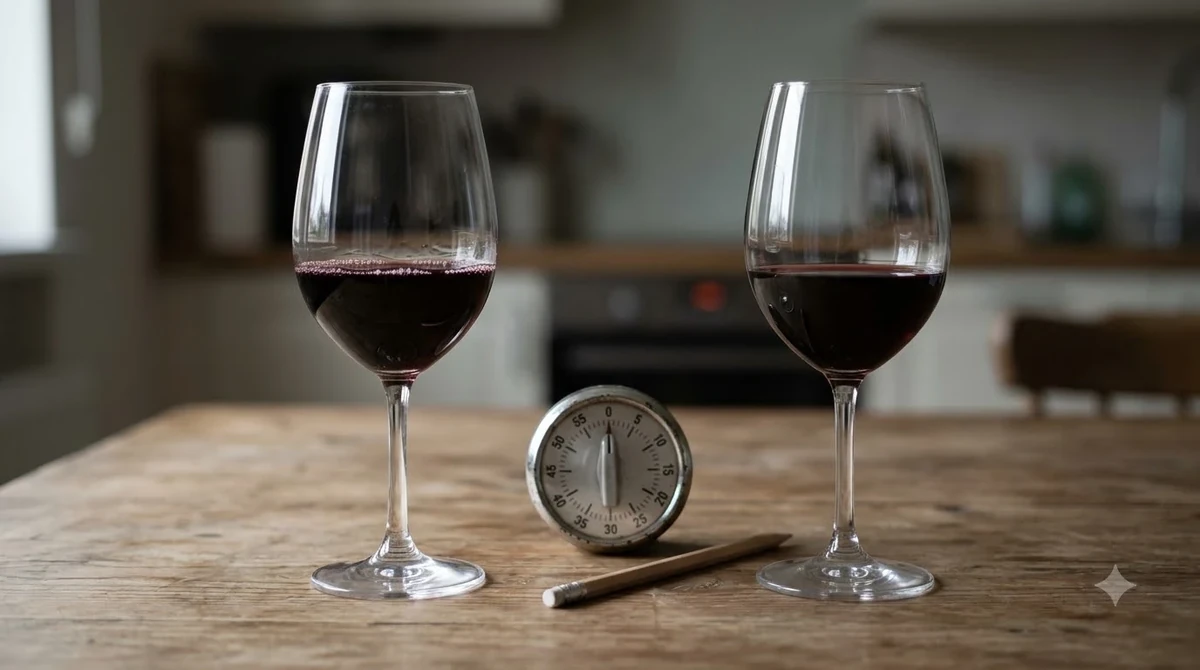
The defining difference between a white sparkling wine, a sparkling rosé, and a sparkling red comes down to maceration. Even in traditional Champagne, winemakers frequently use red-skinned grapes like Pinot Noir and Pinot Meunier, yet they press the fruit gently and separate the skins right away so the juice stays pale. For a sparkling red, the crushed grapes ferment in contact with their skins for days or weeks, extracting anthocyanins for color and polyphenols for tannic structure.
Once the base red wine is ready, producers trap carbon dioxide through one of three main production routes. High-volume bottles like most Italian Lambrusco use the Charmat (tank) method, where secondary fermentation happens in pressurized stainless-steel vats to preserve fresh fruit aromatics. Prestige bottles—such as Australian sparkling Shiraz or sparkling Gamay—often undergo the Traditional Method, completing their second fermentation inside the sealed bottle for finer bubbles and subtle yeasty complexity. Meanwhile, natural winemakers favor the ancestral method (pétillant naturel or pét-nat), bottling fermenting wine early so natural sugars finish converting under a crown cap.
Sweetness and carbonation pressure also vary widely across the category. Many Italian bottles are bottled as frizzante, meaning they carry a gentle prickle of roughly 1 to 2 atmospheres of pressure—or 3 to 5 atmospheres for fuller-sparkling Lambrusco—compared to about 7 atmospheres in full spumante styles like Champagne. Depending on the producer’s goal, the finished wine may be completely dry or retain noticeable residual sugar.
Flavor Profiles and Major Styles
Expect a vibrant interplay of tart red berries, dark stone fruits, baking spices, and gentle astringency lifted by bright acidity and bubbles. Depending on the grape variety and region, styles span from low-alcohol, candy-sweet bottles to bold, full-bodied reds with peppery tannins.
According to Wine Folly’s guide to sparkling red wine, three benchmark styles anchor the global category: Italian Lambrusco, Italian Brachetto d’Acqui, and Australian Sparkling Shiraz. Lambrusco is the most versatile, delivering notes of sour cherry, rhubarb, wild strawberry, and violet. When labeled Secco (dry), it drinks almost like unsweetened black tea infused with tart berries and snappy acidity; when labeled Semisecco (off-dry) or Amabile (sweet), it takes on a plush, berry-sauce richness balanced by a light tannic grip.
Brachetto d’Acqui occupies the opposite end of the spectrum. Made in northern Italy, this low-alcohol, lightly sparkling red hovers around 5.5% to 6% ABV and bursts with aromas of rose petals, maraschino cherry, raspberry, and cotton candy. Australian Sparkling Shiraz, on the other hand, brings full-throttle red wine intensity to the glass. Typically sitting around 12.5% to 14% ABV, it layers blackberry, plum, licorice, black pepper, and dark cocoa over a creamy, effervescent mousse.
| Style | Origin | Typical Sweetness | Alcohol (ABV) | Key Tasting Notes |
|---|---|---|---|---|
| Lambrusco (Secco) | Emilia-Romagna, Italy | Dry | 10.5%–11.5% | Sour cherry, rhubarb, violet, brisk tannin |
| Lambrusco (Amabile) | Emilia-Romagna, Italy | Sweet | 10.5%–11.5% | Wild strawberry, boysenberry, creamy berry sauce |
| Brachetto d’Acqui | Piedmont, Italy | Sweet | 5.5%–6% | Rose petal, maraschino cherry, raspberry |
| Sparkling Shiraz | South Australia | Off-Dry to Dry | 12.5%–14% | Blackberry, black pepper, licorice, dark chocolate |
| Sparkling Baga | Bairrada, Portugal | Dry | 11.5%–12.5% | Damson plum, blackberry, bitter cocoa, firm grip |
Beyond those big three, adventurous wine drinkers can track down several regional specialties. Portugal’s Bairrada region produces dry, traditional-method sparkling reds from the indigenous Baga grape, offering damson plum, sharp acidity, and earthy cocoa notes. In France’s Beaujolais region, small producers craft dry sparkling Gamay labeled under Vin de France, while Austria offers herbaceous, cherry-scented Zweigelt Sekt.
Where Sparkling Red Wine Grows
Italy is the undisputed heartland of sparkling red production, accounting for the vast majority of the world’s bottles, followed by Australia’s historic Shiraz regions. Smaller, cult-favorite pockets exist in Portugal, France, Austria, and cool-climate vineyards in England and North America.
In northern Italy, the Emilia-Romagna region—centered around Modena and Reggio Emilia—is home to the Lambrusco grape family. Producers in Modena began bottling sparkling Lambrusco for commercial sale as early as 1860 rather than serving it strictly from barrels. Different sub-zones yield markedly different wines: Lambrusco Grasparossa di Castelvetro produces deep purple, brawny, full-bodied bottles, whereas Lambrusco di Sorbara yields paler, delicate wines brimming with floral aromatics and bright citrus-berry lift. Neighboring Piedmont produces Brachetto d’Acqui alongside sweet, aromatic Freisa di Chieri, while Lombardy’s Oltrepò Pavese turns out fizzy Bonarda and sweet, grapey Sangue di Giuda.
Half a world away, South Australia turned sparkling red into a national institution. Winemakers in regions such as the Barossa Valley and McLaren Vale began crafting fizzy red Burgundy-style wines in the late nineteenth century, utilizing old-vine Shiraz plantings that survived the global phylloxera blight. Today, Australian sparkling Shiraz remains a staple at holiday tables and summer barbecues alike.
Elsewhere in the wine world, sparkling red remains a niche passion project. Portugal’s maritime Bairrada appellation leverages chalky clay soils to tame the naturally high tannins of the Baga grape. In the United Kingdom, sparkling red makes up such a tiny fraction of vineyard output that industry body WineGB tracks national production strictly as white (roughly 78%) and rosé (22%), leaving experimental English Pinot Noir fizz to small boutique estates.
How to Serve Sparkling Red Wine
Serve sparkling red wine cool—ideally between 46°F and 57°F (8°C to 14°C)—in a standard tulip-shaped white wine glass rather than a narrow flute. This moderate chill keeps the carbonation lively while preventing the wine’s tannins from tasting bitter or metallic.
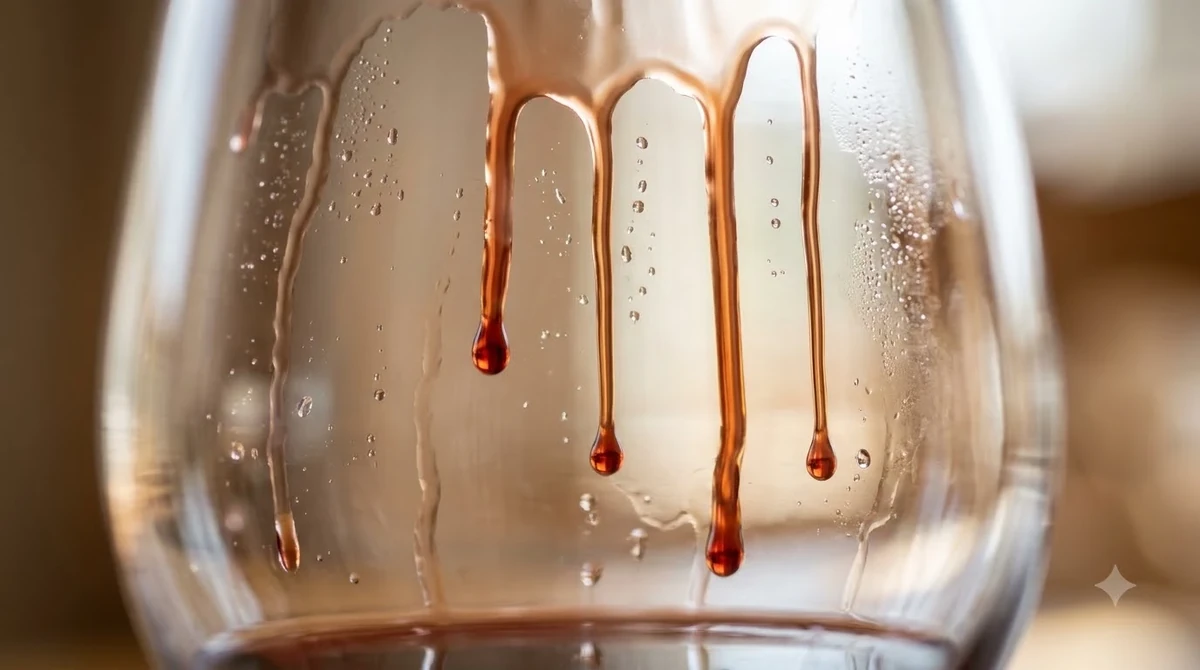
Temperature control matters even more for sparkling reds than for white bubbly. If you are wondering should sparkling wine be chilled to ice-cold temperatures across the board, red styles require a gentler touch. Serving a tannic sparkling Shiraz straight from a 38°F refrigerator clamps down on its dark fruit aromatics and makes the polyphenols feel harsh and astringent on the palate. Placing the bottle in the fridge for 30 to 45 minutes before opening—or pulling it out 15 minutes before pouring if stored in a standard refrigerator—lands it right in the sweet spot.
Glassware choice also shapes the drinking experience. Traditional narrow Champagne flutes trap carbonation well, yet they restrict airflow and mute the complex berry, floral, and spice aromas that define red grapes. Wine educators and sommeliers recommend pouring sparkling reds into a medium-bowled white wine glass or a universal tasting glass, which offers enough surface area for aromatics to open while maintaining a steady bead of bubbles.
Tip: Chill lighter, sweeter styles like Brachetto d’Acqui closer to 46°F, and serve fuller, tannic bottles like dry Lambrusco Grasparossa or Sparkling Shiraz slightly warmer around 54°F to 57°F.
Best Food Pairings for Sparkling Red Wine
Sparkling red wine is one of the most food-friendly categories in the cellar because its carbonation scrubs the palate while its acidity and tannins stand up to rich, fatty, and spiced dishes. It thrives alongside hearty meals that would completely overpower a delicate white Champagne or Pinot Grigio.
In Emilia-Romagna, dry Lambrusco is the classic regional partner for rich cured meats and aged cheeses. Sliced prosciutto di Parma, mortadella, salami, and chunks of aged Parmigiano-Reggiano carry high levels of salt and fat; the wine’s brisk bubbles cut through the richness, while its tart cherry fruit refreshes the palate between bites. Tomato-based pastas, wood-fired pepperoni pizza, and rich ragù alla Bolognese also pair effortlessly with dry or off-dry Italian sparkling reds.
Fuller-bodied sparkling Shiraz excels with smoky, savory, and spiced fare. Reviewers at Wine Enthusiast’s wine serving and pairing guides emphasize balancing intense fruit and acidity with structural dishes, and sparkling Shiraz handles barbecue ribs, grilled lamb chops, roast duck, and Thanksgiving turkey with ease. If a bottle carries a touch of residual sugar, it also cools the burn of spicy barbecue sauces, Korean fried chicken, or pepper-crusted meats.
Sweeter styles belong at the dessert table. Brachetto d’Acqui is widely prized as one of the few red wines that pairs smoothly with dark chocolate truffles, flourless chocolate cake, and fresh berry tarts, since its natural sweetness matches the dessert without turning bitter.
How to Choose a Bottle at the Wine Shop
Reading the back label and regional designations carefully is the fastest way to avoid buying an overly sweet bottle when you want something dry, or vice versa. Because producers rarely highlight residual sugar on the front label outside of Italy, knowing a few key terms guarantees you get the right style.
When shopping for Italian Lambrusco, scan the label for sweetness indicators and sub-zone names. Look for Secco if you want a crisp, dry dinner wine, Semisecco for a hint of fruitiness, and Amabile or Dolce if you prefer noticeable sweetness. Bottles specifying sub-zones such as Lambrusco di Sorbara, Lambrusco Salamino di Santa Croce, or Lambrusco Grasparossa di Castelvetro generally signal higher quality and more distinct terroir than generic bottles labeled simply “Lambrusco”.
For Australian sparkling Shiraz and other New World or boutique bottles, check the alcohol percentage and closure. Bottles around 12.5% to 14% ABV with traditional cork-and-cage closures usually indicate dry-to-off-dry, full-bodied wines suited for hearty meals. If you are exploring broader Wine by Type categories for guests with dietary restrictions, you can also check our guide on is sparkling wine gluten free before finalizing your dinner menu.
Frequently Asked Questions
Is sparkling red wine always sweet?
No, sparkling red wine ranges from bone-dry to dessert-sweet depending on the grape and producer. While styles like Brachetto d’Acqui and Amabile Lambrusco are intentionally sweet, top-tier Secco Lambrusco, Portuguese sparkling Baga, and many Australian sparkling Shiraz bottlings are completely dry.
Why is sparkling red wine chilled less than Champagne?
Sparkling red wine contains tannins extracted from red grape skins during maceration. Serving it ice-cold like white Champagne—around 40°F—causes those tannins to taste harsh, bitter, and astringent while muting the dark berry aromas, so a moderate chill of 46°F to 57°F works best.
What is the difference between Lambrusco and sparkling Shiraz?
Lambrusco is an Italian wine from Emilia-Romagna that is typically lighter in body, lower in alcohol (around 10.5% to 11.5% ABV), and bright with sour cherry and floral notes. Australian sparkling Shiraz is fuller-bodied, higher in alcohol (12.5% to 14% ABV), and packed with rich blackberry, black pepper, and dark chocolate flavors.
How long does an opened bottle of sparkling red wine last?
Sealed tightly with a hinged sparkling wine stopper and stored in the refrigerator, an opened bottle of sparkling red wine will retain pleasant fizz and fresh fruit character for two to three days. Gently sparkling frizzante styles lose their bubbles faster than full-pressure traditional-method bottles, so it is best to enjoy them within 48 hours.
Sparkling red wine rewards curious drinkers with a rare combination of celebratory effervescence and genuine red-wine structure. Whether you open a dry, savory Lambrusco alongside weekend pizza or pour a chilled sparkling Shiraz at a summer cookout, this versatile category deserves a regular spot on your table.
More in Wine Types & Grapes
 Zinfandel Sugar Content: Dry Red vs. White Zinfandel GramsUpdated Nov 21, 2026
 Best Zinfandel Substitute Options for Sipping and CookingUpdated Nov 21, 2026
 Zweigelt Food Pairing: Best Dishes, Cheeses, and Serving TipsUpdated Nov 21, 2026
 Zinfandel Tannins Explained: How Structure Shapes Every BottleUpdated Nov 21, 2026
 Zinfandel Sweetness Level: Dry Red vs. Sweet White Zin ExplainedUpdated Nov 21, 2026
 Xinomavro Food Pairing: Best Dishes, Styles, and Serving TipsUpdated Nov 21, 2026