

We may earn a commission when you buy through links on this page, at no extra cost to you. Learn more.
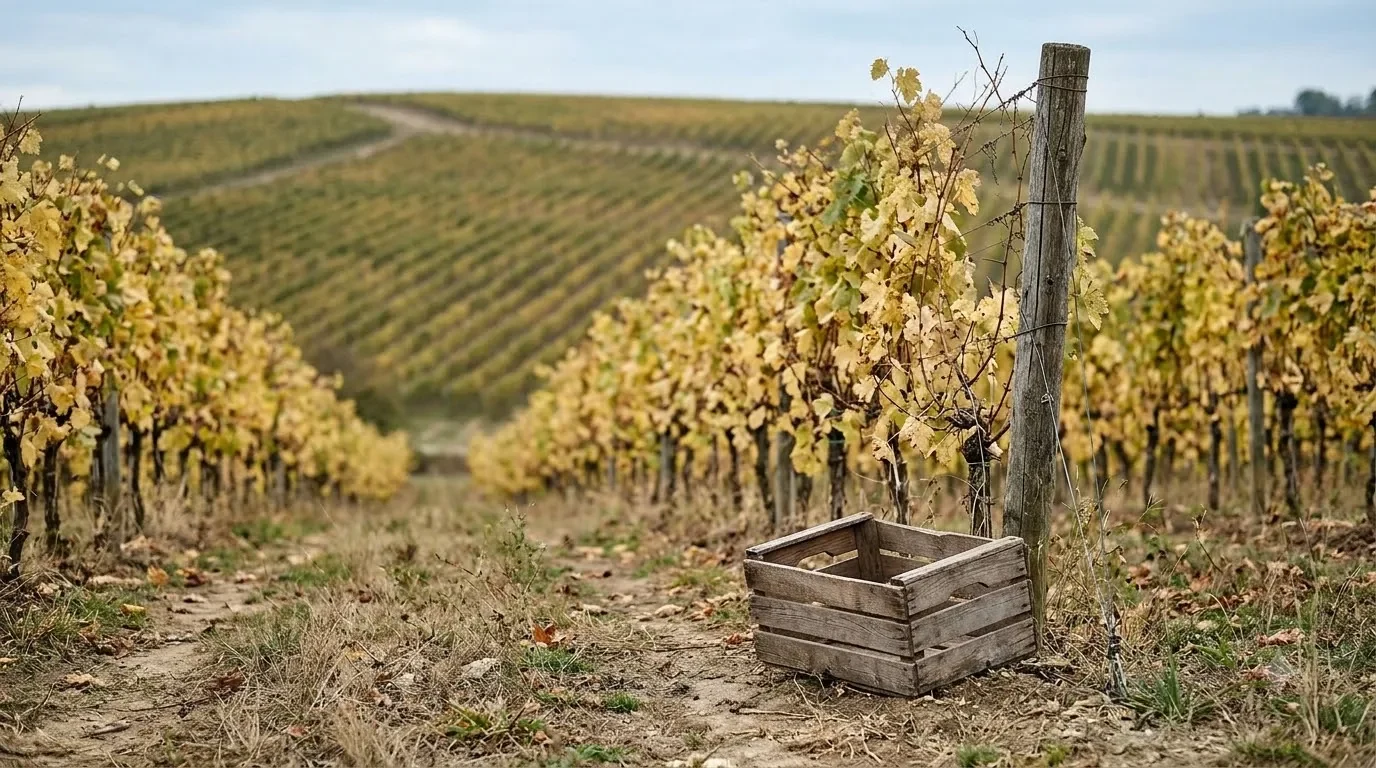
Dahlonega vineyards sit in the North Georgia mountains, about an hour north of Atlanta, inside the Dahlonega Plateau American Viticultural Area. The area was approved in 2018 as the state’s second AVA, and its vineyards grow a wide mix of European, French-hybrid and American grapes. The cool, wet climate and hilly ground give the region a character that is quite different from the coastal Georgia or Southern wine areas people might expect.
Dahlonega is best known to many visitors for its gold rush history, but its surrounding hills have become a working wine region with a growing list of vineyards and tasting rooms. This guide explains where the vineyards are, what the climate is like, which grapes grow well, and how to plan a visit to the area’s wineries.
Where the Dahlonega Vineyards Are
The Dahlonega Plateau AVA covers parts of Lumpkin and White counties in northern Georgia. It sits on the northeastern part of the Dahlonega Plateau, in the northern foothills of the Georgia Piedmont, and its average elevation is about 1,554 feet above sea level. That height helps moderate the heat that can build in lower parts of the state during summer, and it sets the vineyards apart from the flatter farmland farther south.
Because the region is compact, a visit can cover several vineyards without long drives. The Dahlonega tourism site describes the town as the “Heart of Georgia Wine Country,” and it lists a wine trail along with vineyard and tour pages, which makes it easy to plan a route by town rather than by highway. Most visitors base themselves in Dahlonega itself and drive out to the wineries for the day.
Climate and Growing Conditions
The climate is the main reason the region has become a wine area. The AVA’s petition data gives a mean growing season of about 195 days, and most of the terrain falls in the 190 to 200 day range. The area falls into Winkler Zones III and IV and has a rainfall total of about 62 inches a year, with roughly 17 inches falling in the winter months. Because rain is generally adequate, irrigation is seldom necessary, according to the same source.
The region’s USDA hardiness zones fall in the 7b and 8a range, which means winters are mild enough for many vines but cold snaps still matter. Growers must watch for humidity, which can encourage disease in the vineyard, and they manage the canopy to keep air moving through the rows. These conditions favor disease-resistant hybrids and vines suited to a humid, long growing season.
Grapes Grown in the Dahlonega Plateau
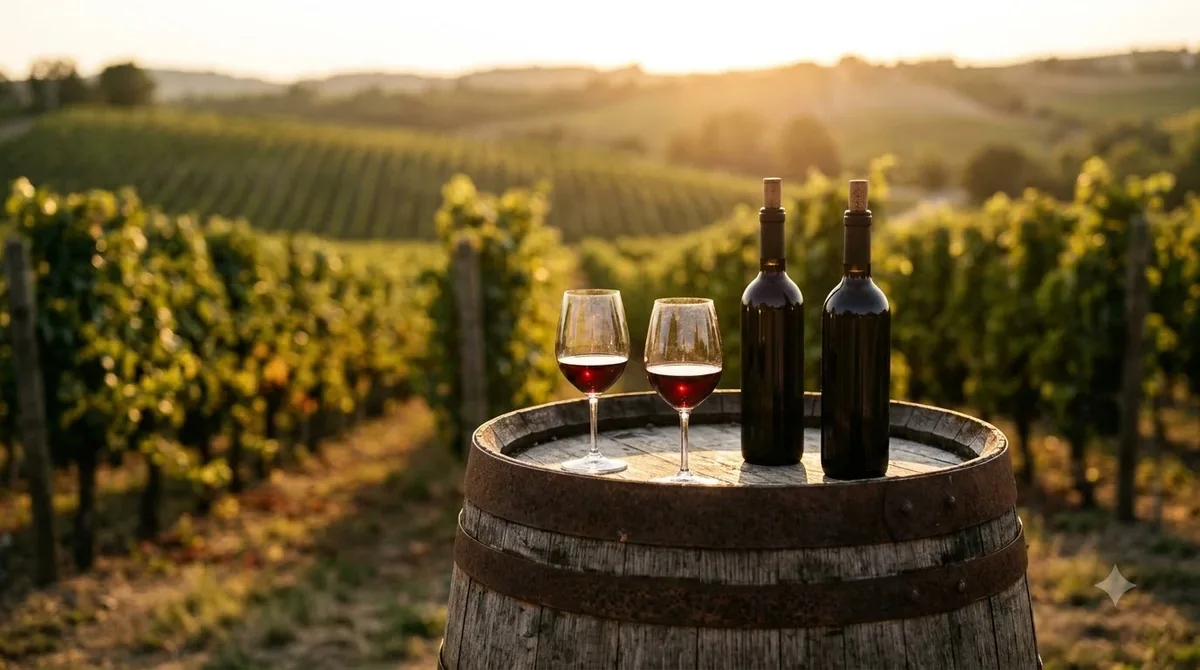
The AVA lists a broad set of varieties, which reflects the mix of European, French-hybrid and American grapes planted across the region. The approved list includes Cabernet Franc, Cabernet Sauvignon, Chardonnay, Merlot, Pinot Noir, Riesling, Sangiovese, Touriga Nacional, Vidal Blanc, Muscadine and Norton, along with Pinot Blanc. That spread is unusual for a small region, and it means you will find everything from crisp whites to firm reds on a single tasting list.
| Group | Examples from the AVA’s list | What to expect in the glass |
|---|---|---|
| European vinifera reds | Cabernet Sauvignon, Merlot, Pinot Noir, Sangiovese, Touriga Nacional | Structured reds that depend on site and vintage |
| European vinifera whites | Chardonnay, Riesling, Pinot Blanc | Crisp to rounded whites with fresh acidity |
| Hybrids and American grapes | Vidal Blanc, Norton (Cynthiana), Muscadine | Fruit-forward styles, with Muscadine known for its distinct aroma |
The table is a rough guide, not a ranking. Wineries decide which grapes to plant based on their own site and goals, so the list you see in a tasting room will vary from one farm to the next. Norton, an American variety, is often mentioned by Georgia producers because it suits the humid climate and gives deep color. Muscadine is a native grape with a strong aroma, and it is often made in sweet or semi-sweet styles.
Wine Styles You Will Find
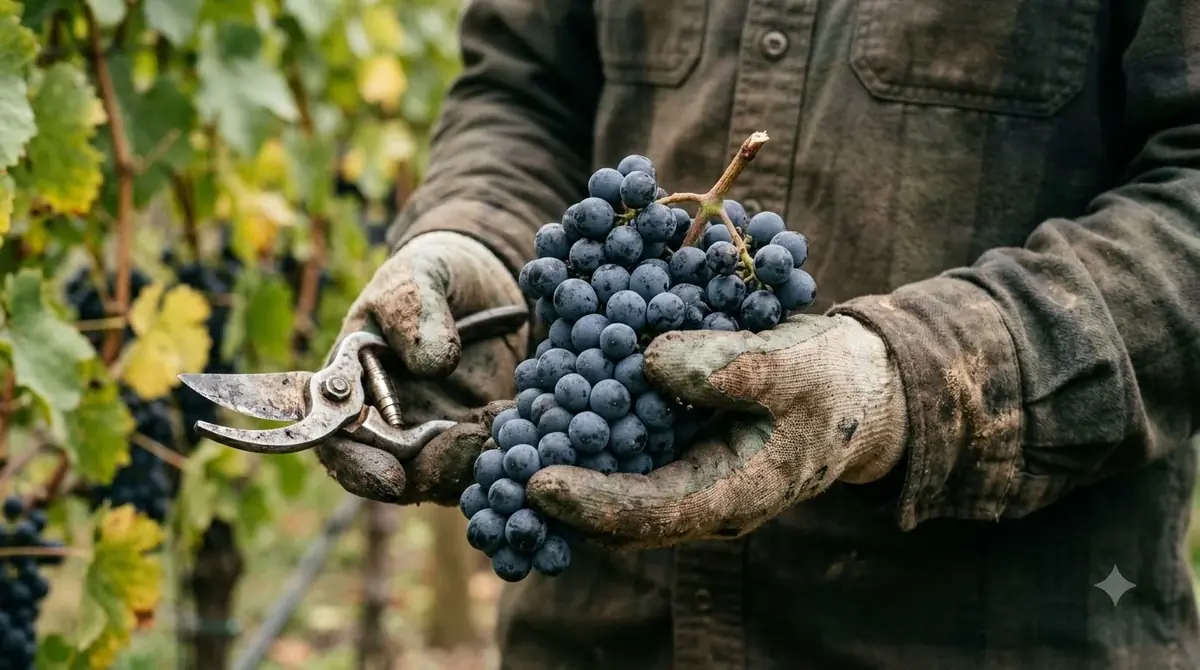
Most Dahlonega vineyards make a range of wines rather than focusing on one style. Dry whites and rosés are common in warm weather, while reds from the structured European varieties appeal to visitors who want something to pair with a hearty dinner. Sweeter and fruit-forward wines also have a place here, since many visitors come for a relaxed afternoon on a patio rather than a formal tasting.
Ask staff which bottles are made from estate fruit and which are sourced elsewhere. Estate wines usually reflect the local site more directly, while blends and sourced wines can show the producer’s style. Tasting notes on a winery’s website or on the menu often explain whether a wine is dry, off-dry or sweet, which helps you choose wisely.
Comparing Dahlonega With Other Wine Regions
Dahlonega shares a few features with other eastern wine regions that have humid summers and mixed terrain. Compared with a region like Fredericksburg vineyards in Texas, the Georgia region offers a cooler, more forested setting and a stronger focus on hybrids and native-influenced grapes. Compared with a coastal area such as Cape May vineyards, the North Georgia hills are higher and less influenced by the ocean, which changes the rhythm of the growing season.
If you want to see how cool-climate and lake-influenced regions differ, our guide to Traverse City vineyards shows another approach to a northern wine area. For a broader look at how climate and geography shape a wine’s style, our wine regions section explains the basics in plain language.
Planning a Visit to the Vineyards
The Dahlonega area works well for a weekend trip. Start in town, where you can find accommodations, dining, and the wine trail information. Then choose two or three vineyards in one direction rather than trying to reach all of them in a single day. Many tasting rooms offer flights, and some host live music or events in warmer months, so check the schedule before you go.
Plan for the hills. Mountain roads can be winding and slower than the highway, so leave extra time between stops and arrange a driver if you plan to taste several wines. Tasting rooms in the area also tend to be busiest on weekends and during fall color season, so arriving early in the day gives you more room to talk with staff and sample at a relaxed pace. Many producers also sell bottles directly at the farm, which is a good way to take home a wine that is hard to find elsewhere. If you want to ship wine home, check your state’s rules first, since shipping laws vary.
Frequently Asked Questions
Where are the Dahlonega vineyards located?
They sit in the North Georgia mountains inside the Dahlonega Plateau American Viticultural Area, which covers parts of Lumpkin and White counties. The area is about an hour north of Atlanta, on the northern foothills of the Georgia Piedmont.
What grapes grow in the Dahlonega Plateau?
The AVA lists a wide range, including Cabernet Sauvignon, Merlot, Pinot Noir, Chardonnay, Riesling, Sangiovese, Vidal Blanc, Norton and Muscadine. Wineries choose their plantings based on their own site and style.
When was the Dahlonega Plateau AVA established?
It was established on July 29, 2018, as the second AVA in Georgia. The petition was submitted by local vineyard and winery operators.
How many wineries are in the Dahlonega area?
The number changes as new producers open, and published sources do not agree. One reference cites seven wineries in the AVA and another cites six, so check current listings before you plan a route.
Dahlonega vineyards reward a relaxed approach. Pick a few farms, taste widely, and let the mountain setting and the mix of grapes shape your visit.
More in Wine Regions
 Willcox Wine Trail: Discover Arizona’s High-Elevation Wine CountryUpdated Nov 20, 2026
 Yakima Valley Wine Region: Find the Best Styles to TryUpdated Nov 20, 2026
 Vosne Romanee Wine Tasting: Identify Aromas and Choose Better PairingsUpdated Nov 20, 2026
 Yakima Valley Wine Festival: Find the Best Seasonal Wine EventsUpdated Nov 20, 2026
 Wales Vineyards: Discover Cool-Climate Wines and Where to VisitUpdated Nov 20, 2026
 Yountville Wine Festival: Discover Napa Wines and Local FoodUpdated Nov 20, 2026