

We may earn a commission when you buy through links on this page, at no extra cost to you. Learn more.
Cupcake Chardonnay is a Chardonnay, so its taste follows the grape: a clean, fruit-forward white that can range from crisp and lean to round and creamy depending on how it was made. Chardonnay is the second-most widely planted white wine grape in the world, and it is grown in almost every winemaking country. Reading the label for the grape, the vintage, and any mention of oak will tell you more about what to expect than the brand name alone.
This guide explains what to look for when you buy a Cupcake Chardonnay, how the grape changes with climate and oak, and how to serve and pair it so the bottle shows its best side at the table.
What a Cupcake Chardonnay is
Cupcake Chardonnay is a white wine made from the Chardonnay grape. The name on the front of the bottle is the brand, while the grape is the part that determines the basic style. When you compare this bottle with other Chardonnays on the shelf, focus on three things: the region printed on the label, whether the wine is described as oaked, and the vintage year. Those details tell you whether the glass will feel light and crisp or fuller and buttery.
Chardonnay is an unusually flexible grape. According to the Chardonnay entry on Wikipedia, it originated in the Burgundy region of east-central France, and DNA research at UC Davis suggests it is a cross between Pinot noir and Gouais blanc. Because the grape itself is fairly neutral, winemakers shape its character through climate, harvest timing, fermentation, and aging. That is why the same grape can taste so different from one bottle to the next.
Flavor without oak
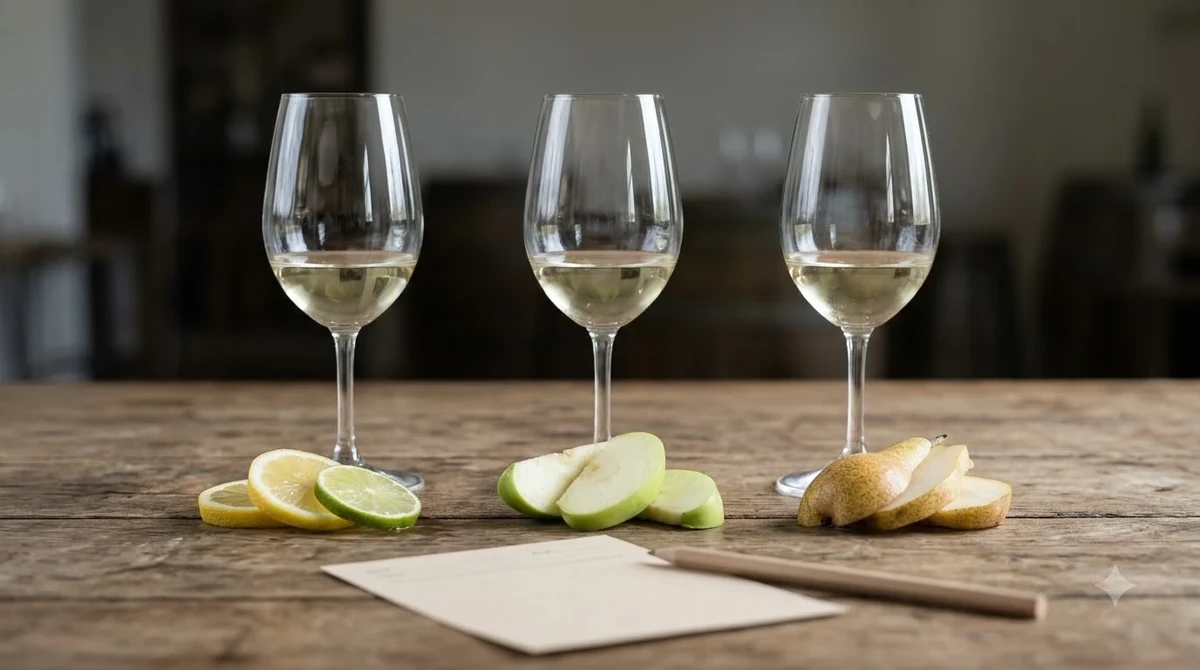
Unoaked Chardonnay is the lean, bright style. Wine Folly describes it as having aromas of green apple, pear, and citrus, sometimes with chalky or mineral notes, and a palate that is crisp with high acidity. It resembles Sauvignon blanc in its freshness but usually carries a little more body. Wines made without malolactic fermentation tend to show more green apple character.
This style works well for people who like white wine that refreshes rather than coats the palate. It is also easier to pair with a wide range of dishes because the acidity keeps the wine from feeling heavy alongside light food. If you are buying a Chardonnay for a warm afternoon or a simple dinner of fish and salad, look for language about crispness or freshness on the back label.
Flavor with oak and malolactic fermentation
Oaked Chardonnay sits at the other end. Wine Folly notes that oak adds notes of vanilla, butter, baking spices, and a creamy texture, while the palate feels fuller and rounder. Peach, mango, and lemon are common fruit notes in this style. Malolactic fermentation, a secondary process that converts sharper malic acid into softer lactic acid, adds buttery and hazelnut flavors that many drinkers associate with a classic Chardonnay.
Many people mistake the toasty, buttery character for something inherent in the grape, but it usually comes from the winemaking. That matters when you are comparing bottles. A Chardonnay with a strong vanilla and butter profile is an oak-and-malolactic style, not a sign that the grape itself is richer. If you prefer a softer, creamy wine, choose a bottle that describes itself as barrel-aged or partly oaked.
Where Chardonnay grows
The cool-climate regions tend to produce the leanest, most acidic wines. Chablis in Burgundy, Oregon’s Willamette Valley, California’s Carneros area, and New Zealand’s Waitaki Valley are often cited as examples. In these places the grape keeps its green apple, pear, and mineral edge. Warmer regions such as Australia’s Adelaide Hills and Mornington Peninsula, and New Zealand’s Marlborough, shift the flavors toward citrus, peach, and melon.
In the hottest vineyards, flavors move further toward tropical notes, with fig, banana, and mango named among the characteristics of very warm locations. Chardonnay is also a key component of Champagne and Franciacorta sparkling wines, which is why you will sometimes see a sparkling wine described as a blanc de blancs made only from Chardonnay.
How to serve Chardonnay at home
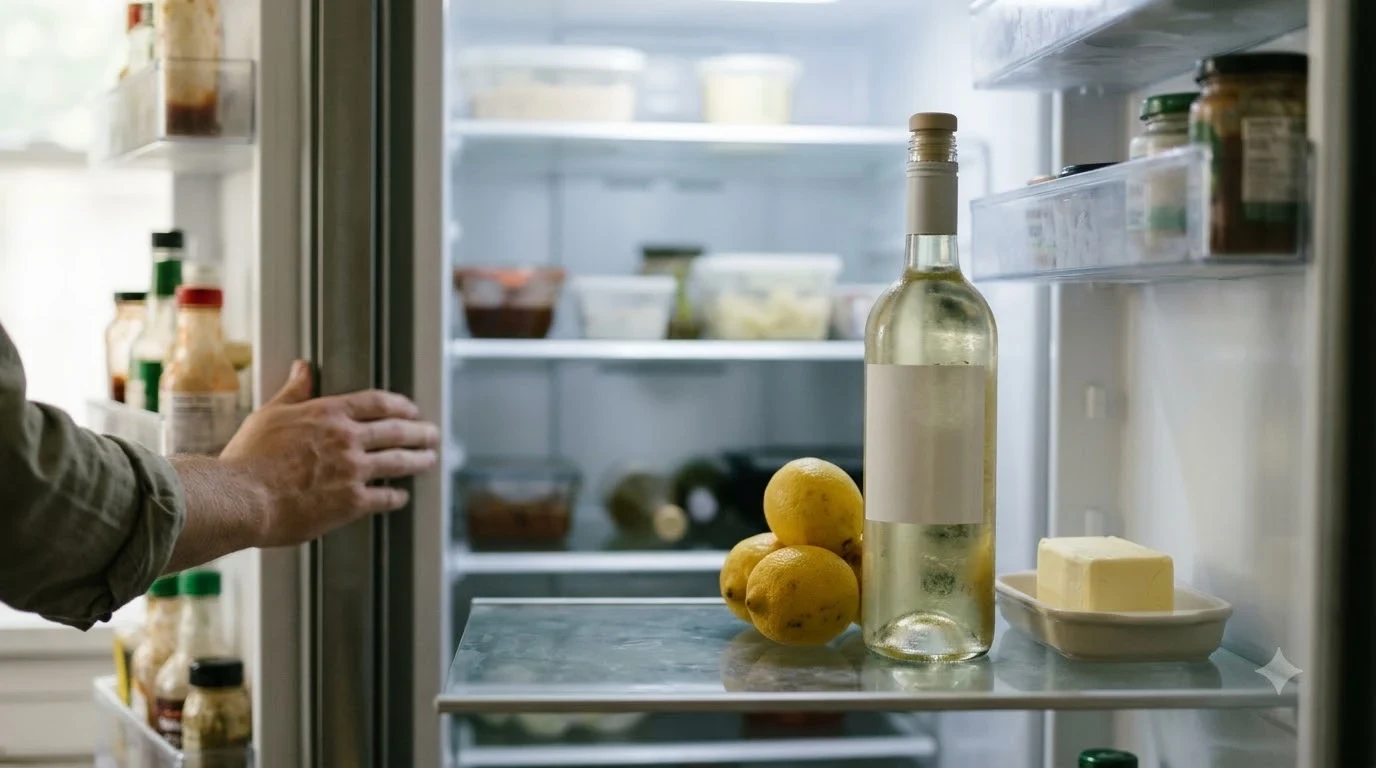
Serving temperature has a large effect on how the wine tastes. Sparkling Chardonnay is best served very cold, roughly 38 to 45 degrees Fahrenheit. Leaner, crisper styles such as Chablis taste best around 45 degrees Fahrenheit, while oaked, fuller Chardonnays show more of their character at about 55 degrees Fahrenheit. Taking a white out of the fridge a few minutes before pouring can help a richer bottle open up.
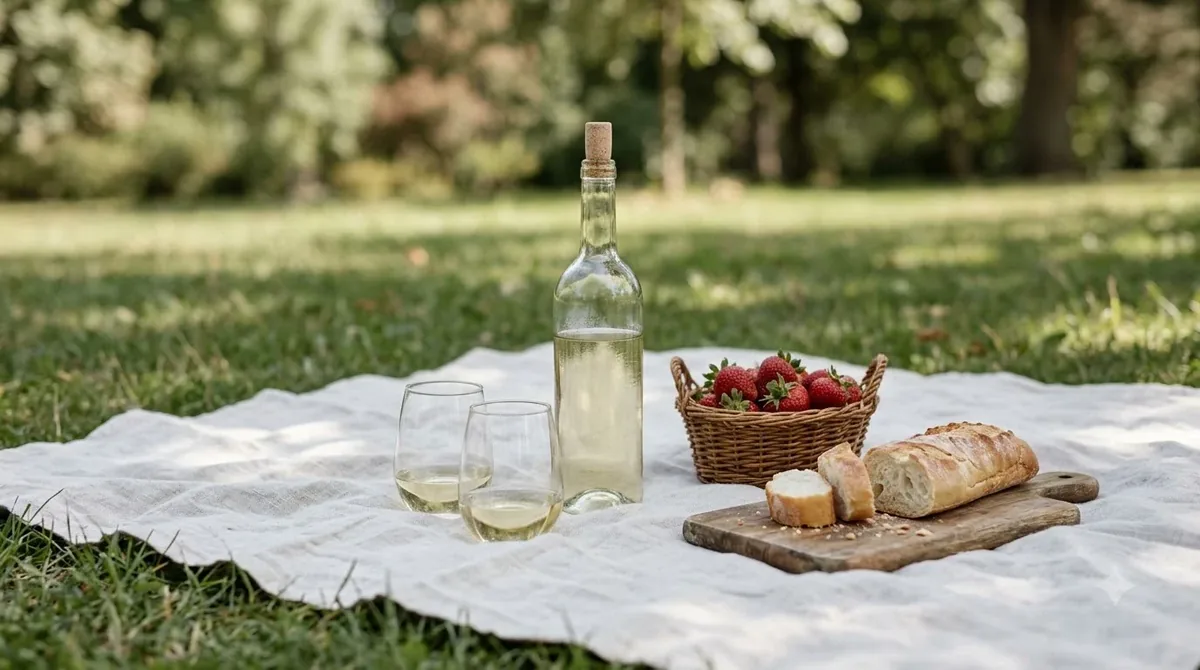
Glassware matters less than temperature, but a medium-sized white wine glass helps concentrate the aromas. Pour a moderate amount so the wine can warm slightly in the glass, and avoid leaving a bottle in a hot room where the freshness can fade.
Food pairings for Cupcake Chardonnay and other Chardonnays
Pairing starts with the style. Lean, unoaked Chardonnays work with shellfish, especially oysters, along with sushi, sautéed fish, and vegetable risotto. The acidity cuts through the richness of the dish and keeps the wine lively. These are good choices for a simple seafood starter or a light spring dinner.
Oaked Chardonnays handle richer food. Wine Folly suggests crab cakes, linguini with clams, halibut, and pork tenderloin served with apples. The buttery character echoes creamy sauces and roasted dishes. For vegetarian meals, rich or starchy vegetables such as corn, pumpkin, squash, and mushrooms pair well with fuller styles. A good rule is to match the richness of the wine with the richness of the food, then let acidity balance the rest.
How to choose a Chardonnay you will enjoy
Start with the style you already like. If you prefer crisp wines, look for cool-climate regions and descriptions that mention green apple or citrus. If you prefer creamy wines, look for oak, barrel aging, or malolactic fermentation on the back label. Vintage also matters: a younger Chardonnay is usually brighter, while an older one can develop hazelnut, honey, and toasted nut notes over time.
When you want a bottle for a group, choose a wine that most guests will recognize as a clean, familiar style. Chardonnay is a reliable choice for mixed tastes because it spans the crisp and the creamy. If you want to compare labels, the J Lohr Chardonnay and Meiomi Chardonnay guides on this site cover two other bottles from the same grape, and the Wine Folly Chardonnay guide explains the flavor differences in more depth.
Frequently Asked Questions
What does Cupcake Chardonnay taste like?
The taste depends on how the specific bottle was made. Chardonnay can be crisp and lean with green apple and citrus notes, or fuller and creamy with vanilla, butter, and stone fruit. Check the label and the tasting notes on the producer’s materials for the style of the vintage you are buying.
Should Cupcake Chardonnay be served chilled?
Yes, white wine is generally served chilled. Fuller, oaked Chardonnays are often enjoyed a little warmer, around 55 degrees Fahrenheit, while lighter styles do well closer to 45 degrees.
What is the difference between oaked and unoaked Chardonnay?
Unoaked Chardonnay tends to be lean, crisp, and fruit-forward. Oaked Chardonnay is rounder and creamier, with flavors of vanilla, butter, and spice that come from barrel aging and related winemaking choices.
What foods go well with Chardonnay?
Lean Chardonnays suit shellfish, sushi, and light fish dishes. Oaked versions pair with crab cakes, creamy pasta, halibut, and pork with apples. Rich vegetables like corn and squash work with fuller styles.
A Cupcake Chardonnay is easiest to enjoy when you read the label for grape, vintage, and oak, then serve it at the right temperature with food that matches its weight. For more guides on wine brands, browse the Wine Brands section and compare the bottles that fit your table.
More in Wine Brands
 Underwood Wine Price: Compare Bottles, Cans, and Pack SizesUpdated Nov 21, 2026
 Zenato Wine Price: Compare Styles and Choose the Right BottleUpdated Nov 21, 2026
 Zuccardi Wine Price: Compare Bottles and Find the Right RangeUpdated Nov 21, 2026
 Yellow Tail Moscato Review: Taste, Sweetness and Serving TipsUpdated Nov 21, 2026
 Wolf Blass Yellow Label Review: Choose Your Best StyleUpdated Nov 21, 2026
 Wolffer Estate Rose Review: Choose the Right Bottle for Your TableUpdated Nov 21, 2026