

We may earn a commission when you buy through links on this page, at no extra cost to you. Learn more.
The Cooper And Thief Wine Price for standard 750 ml bottles generally falls around $25 to $28 at Total Wine, based on its Red Blend and Cabernet Sauvignon listings; prices vary by state and retailer. That range is a useful starting point, but the right bottle depends on whether you want a dark, jammy red blend, a fuller Cabernet Sauvignon, or a fruit-forward Pinot Noir. The standard red bottlings are California wines with a three-month bourbon-barrel finish, although their alcohol levels and flavor profiles differ.
Cooper & Thief is aimed at drinkers who enjoy the meeting point of wine and whiskey: ripe fruit, toasted vanilla, caramel, and spice rather than a restrained, delicate red-wine profile. The label offers more than one expression, so comparing the grape, barrel treatment, alcohol level, and retailer listing is more useful than treating every bottle as interchangeable. This guide explains the core styles, what affects their shelf prices, and how to choose and serve a bottle with confidence.
Who This Is For
Cooper & Thief is best suited to shoppers who actively enjoy bold California reds and the vanilla, caramel, and baking-spice notes associated with spirit barrels. Its core Red Blend is listed at 16% alcohol by volume, the Cabernet Sauvignon at 15%, and the Pinot Noir at 15.5%, so these are relatively full, concentrated styles rather than low-alcohol, light-bodied dinner wines.
The range can appeal to someone who usually chooses bourbon, whiskey, or richer cocktails but wants a wine to pour with dinner. The Red Blend is described as dark and jammy, with blackberry, dark currant, toasted vanilla, and bourbon spice; Cabernet Sauvignon leans toward dark cherry and plum, while Pinot Noir emphasizes red fruit, jammy cherry, salted caramel, and baking spice. All three have a noticeable barrel signature.
These wines are less suited to shoppers looking for crisp whites, lean Pinot Noir, or subtle reds where fruit and acidity take center stage. The three core reds list 15% to 16% ABV, so compare alcohol level and style before choosing by grape name alone. For a fuller overview of the label, consult the site’s Cooper and Thief wine page.
Key Factors to Compare
Compare Cooper & Thief bottles by style, alcohol level, and the type of barrel finish, then use retailer pricing as the final check. The table summarizes details published on the producer’s product pages; the Larceny release has a distinct barrel description, so its stated treatment should not be assumed to match the three-month finish on the standard reds.
| Wine | Format and ABV | Barrel treatment | Published flavor profile |
|---|---|---|---|
| Red Blend | 750 ml; 16% | Three months in bourbon whiskey barrels | Blackberry, dark currant, toasted vanilla, bourbon spice |
| Cabernet Sauvignon | 750 ml; 15% | Three months in bourbon whiskey barrels | Dark cherry, plum, vanilla, caramel, spice |
| Pinot Noir | 750 ml; 15.5% | Three months in bourbon barrels | Red fruit, jammy cherry, salted caramel, oak, baking spice |
| Larceny Red Blend | 750 ml; 16% | Finished in Larceny bourbon barrels | Dark ripe fruit, caramel, butterscotch, toasty oak |
For a practical shelf estimate, Total Wine’s Red Blend listing and its Cabernet Sauvignon listing put those standard 750 ml bottles in a broad range of about $25 to $28, although prices vary by state and retailer. Local stock, vintage, and fulfillment method can affect what appears at checkout, so treat that band as a guide to those two listings rather than a guaranteed price for every release.
Alcohol content changes the wine’s overall impression. Red Blend is listed at 16% ABV, Cabernet Sauvignon at 15%, and Pinot Noir at 15.5%. That difference may look small on paper, but it can matter to shoppers sensitive to alcohol warmth, especially when the wine is served too warm.
Barrel wording matters as well. The standard Red Blend, Cabernet Sauvignon, and Pinot Noir pages each specify a three-month bourbon-barrel aging period. The Larceny Red Blend page instead says it is finished in Larceny bourbon barrels and identifies Napa Valley, California; it does not state the same three-month duration. Compare the description attached to the particular bottle rather than transferring details from one expression to another.
Step-by-Step: How to Choose a Bottle
A simple buying process keeps the choice focused on what is actually in the bottle rather than on the label design or the word bourbon. Start with flavor preference, match the wine to the meal, and then compare the bottle size and retailer price.
- Choose the flavor direction. Pick the Red Blend for blackberry, dark currant, and toasted vanilla; choose Cabernet Sauvignon for dark cherry, plum, and a fuller red-wine structure; or select Pinot Noir for red fruit and jammy cherry with salted caramel and baking spice. The Larceny Red Blend is the option to consider when the specific Larceny-barrel finish and caramel-butterscotch profile appeal to you.
- Check the alcohol level. The published figures are 15% ABV for Cabernet Sauvignon, 15.5% for Pinot Noir, and 16% for Red Blend and Larceny Red Blend. If a warm, powerful finish is not your preference, start with the lowest listed figure, while remembering that serving temperature and the food on the table also affect perception.
- Match the wine to dinner. Cabernet Sauvignon is a natural candidate for grilled beef, lamb, roasted mushrooms, or aged hard cheese. The Red Blend’s dark fruit and vanilla can work with barbecue, burgers, smoked meats, or a rich tomato-based dish. Pinot Noir can be a more flexible match for roast chicken, pork, mushroom pasta, and dishes with savory herbs.
- Compare the exact expression and retailer. Confirm whether the bottle is the standard Red Blend, the Larceny release, Cabernet Sauvignon, or Pinot Noir. Look at the 750 ml format, ABV, and the stated barrel treatment. Then compare the retailer’s local listing rather than relying on an old shelf tag or an online price from another state.
- Plan the quantity. A 750 ml bottle provides about five standard 5 oz pours. For a dinner with four adults, one bottle gives roughly one glass each with a little left over; for a longer meal or a tasting of more than one wine, calculate the number of pours before buying.
Do not decide by grape name alone. Although Pinot Noir is often lighter than Cabernet Sauvignon, Cooper & Thief’s 15.5% version has a rich, barrel-influenced profile; tasting notes and alcohol figures tell you more than category alone.
Tip: For a first bottle, choose the expression whose fruit and barrel notes sound most appealing, then serve it slightly cool rather than at a warm room temperature. That makes the alcohol feel less dominant and gives the fruit and oak a better chance to show together.
When choosing for a group, consider whether the guests enjoy spirits-influenced flavors. A bottle with noticeable vanilla, caramel, and toasted oak can be an interesting conversation starter, but it is not a neutral crowd-pleaser. Serving a second, more traditional red alongside it is a sensible way to accommodate guests who prefer less barrel influence.
Types or Styles Explained
The Cooper & Thief range is built around California red wines with a pronounced spirits-barrel character, but each expression emphasizes a different fruit and structure profile. The standard Red Blend, Cabernet Sauvignon, and Pinot Noir share a three-month bourbon-barrel treatment, while Larceny Red Blend is a separate release finished in Larceny bourbon barrels.
Red Blend: The Dark, Jammy Option
The Red Blend is the clearest expression of the brand’s whiskey-inspired style. The producer lists it at 16% ABV and describes blackberry, dark currant, toasted vanilla, and a gentle bourbon-spice note. The combination suggests a plush, fruit-forward red with a warm finish rather than a lean or highly aromatic table wine. It is a good starting point for drinkers who want the barrel influence to be obvious and who enjoy bold flavors with barbecue, grilled sausages, or hard cheeses.
Cabernet Sauvignon: Dark Fruit and Firmer Structure
The Cabernet Sauvignon is listed at 15% ABV and aged for three months in bourbon whiskey barrels. The producer highlights dark cherry and plum, with vanilla, caramel, and spice from the barrel. Cabernet Sauvignon generally brings more tannin than Pinot Noir, so this expression is the one to consider for grilled steak, short ribs, or a rich burger. Fat and salt in the food can soften the impression of tannin, helping the wine feel more rounded alongside a savory meal.
Pinot Noir: Red Fruit With a Richer Finish
The Pinot Noir is listed at 15.5% ABV and aged for three months in bourbon barrels. Cooper & Thief describes red-fruit aromas, jammy cherry, salted caramel, toasted vanilla, oak, and baking spice. Those notes make it richer and more overtly oak-influenced than shoppers may expect from a delicate, cool-climate Pinot Noir. Choose it for roast pork, roast chicken, mushrooms, or a cheese board rather than assuming it will be especially light.
Larceny Red Blend: A Separate Barrel Finish
Larceny Red Blend has its own identity within the range: the producer says it is finished in Larceny bourbon barrels, and lists its origin as Napa Valley, California, with 16% ABV. Its description focuses on dark, ripe fruit, warm caramel, butterscotch, and toasty oak. It is the clearest choice for shoppers specifically interested in the Larceny barrel connection, but its product page does not state the three-month timing shown for the standard Red Blend, Cabernet, and Pinot Noir.
In practical terms, Red Blend emphasizes blackberry and currant; Cabernet adds firmer structure and dark cherry; Pinot Noir moves toward red fruit and cherry; and Larceny focuses on caramel and butterscotch. The Wine Brands section offers a broader way to compare labels.
Common Mistakes
The most common buying mistake is assuming that every Cooper & Thief bottle tastes the same because the range shares a spirits-barrel theme. The standard Red Blend, Cabernet Sauvignon, and Pinot Noir have different grape profiles and ABV figures of 16%, 15%, and 15.5%, while Larceny Red Blend has a separate named-barrel finish.
Another mistake is assuming bourbon-barrel aging means the wine will taste exactly like bourbon. The producer describes blackberry, dark currant, plum, and cherry alongside vanilla, caramel, oak, and spice. In a published interview, cellarmaster Chris Leamy says the challenge is adding barrel character while maintaining fruit purity and integrating tannins; the wine remains a red wine, not a cocktail.
Pinot Noir can also be misjudged by grape reputation alone. Cooper & Thief’s 15.5% ABV and bourbon-barrel notes make its version richer than many lighter Pinot styles, so shoppers seeking a delicate red should consider another producer.
Do not pair a high-alcohol red with every spicy or delicate dish: alcohol and tannin can amplify chili heat, while tannic reds can clash with oily fish. Grilled meat, mushrooms, barbecue, and rich cheeses are safer matches. Also distinguish Cooper & Thief from the separate Cooper Mountain wine label; when comparing value-focused bottles such as Barefoot wine, compare style and size rather than assuming they are interchangeable.
Care or Storage Tips
Serve Cooper & Thief reds slightly cooler than a warm room, and store unopened bottles in a stable, dark place. A sensible target for fuller-bodied reds is about 60°F to 65°F, while long-term bottle storage is best kept near 55°F with minimal temperature swings.
If the bottle has been stored at room temperature, a short spell in the refrigerator can bring it closer to serving range. At 15% to 16% ABV, these wines can show more alcohol warmth as the glass heats up. A 5 oz pour leaves room for the wine to open; a young, full-bodied red that seems closed may benefit from a 30- to 60-minute decant.
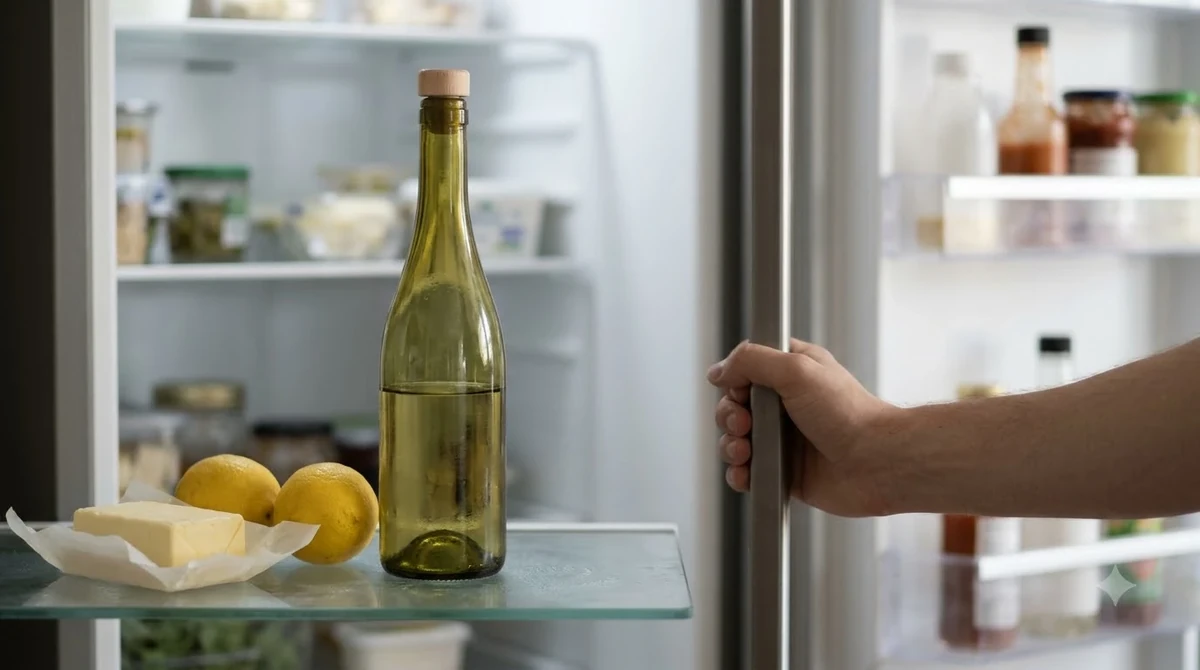
After opening, reseal the bottle and keep it in the refrigerator, even if the wine is red. Most opened still wines are best used within about three to five days; bring a serving back toward 60°F to 65°F rather than leaving the whole bottle on the counter. A vacuum stopper can reduce air exposure, but it does not stop the wine from gradually changing, so make a note of when the bottle was opened.
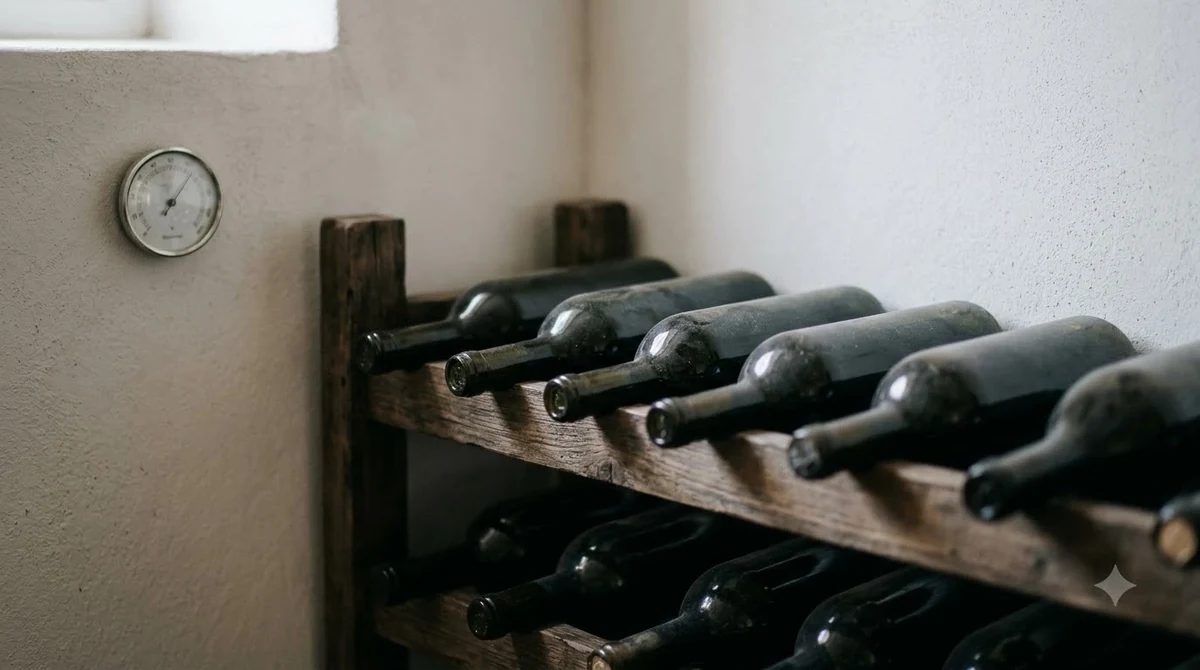
Keep unopened bottles away from direct sunlight, a warm cabinet above the oven, and places with large temperature swings. Store bottles on their sides near 55°F when practical. The producer does not publish a guaranteed cellaring window, so plan to drink the wine in the near term rather than assuming every bottle will improve for a decade.
Frequently Asked Questions
These answers cover details that can matter after comparing the 750 ml bottles and their three-month barrel finishes, including the brand’s name, earlier releases, and California base.
How did Cooper & Thief get its name?
The producer explains that a cooper is the craftsperson who makes wooden barrels. A thief is a traditional tool used to take a sample from a barrel while wine is aging, so the name refers to two parts of barrel craft and cellar work.
Who is Cooper & Thief’s cellarmaster?
A published profile identifies Chris Leamy as the brand’s cellarmaster. It reports that he studied Biological Sciences at the University of California, Davis, worked as a microbiologist, and later moved into wine through a laboratory role in Lodi, California.
Has the brand used barrels other than bourbon barrels?
Yes. In a published interview, Leamy described a broader spirits-barrel program that included tequila barrels for Sauvignon Blanc and whiskey barrels for Cabernet Sauvignon. Those comments describe the range discussed in that interview, not a promise that every style is currently available.
Why might an older Cooper & Thief Pinot Noir listing mention brandy barrels?
Wine Enthusiast’s entry for the 2019 Cooper & Thief Pinot Noir identifies it as brandy-barrel aged, while the producer’s current Pinot Noir page describes a 2023 wine aged in bourbon barrels. Release details can change, so an older review may describe a different bottling from the one currently listed by the producer.
Where is Cooper & Thief Cellarmasters based?
The producer’s website footer identifies Cooper & Thief Cellarmasters in Ripon, California. Its individual wine pages also identify the standard Red Blend, Cabernet Sauvignon, and Pinot Noir as made in California, while the Larceny Red Blend page specifies Napa Valley, California.
Cooper & Thief makes the most sense for shoppers who want ripe California fruit with a noticeable spirits-barrel signature, not for those seeking a restrained red. Start with the flavor profile and ABV that fit your preference, then compare the local 750 ml listing because prices and availability vary across retailers.
More in Wine Brands
 Underwood Wine Price: Compare Bottles, Cans, and Pack SizesUpdated Nov 21, 2026
 Zenato Wine Price: Compare Styles and Choose the Right BottleUpdated Nov 21, 2026
 Zuccardi Wine Price: Compare Bottles and Find the Right RangeUpdated Nov 21, 2026
 Yellow Tail Moscato Review: Taste, Sweetness and Serving TipsUpdated Nov 21, 2026
 Wolf Blass Yellow Label Review: Choose Your Best StyleUpdated Nov 21, 2026
 Wolffer Estate Rose Review: Choose the Right Bottle for Your TableUpdated Nov 21, 2026