

We may earn a commission when you buy through links on this page, at no extra cost to you. Learn more.
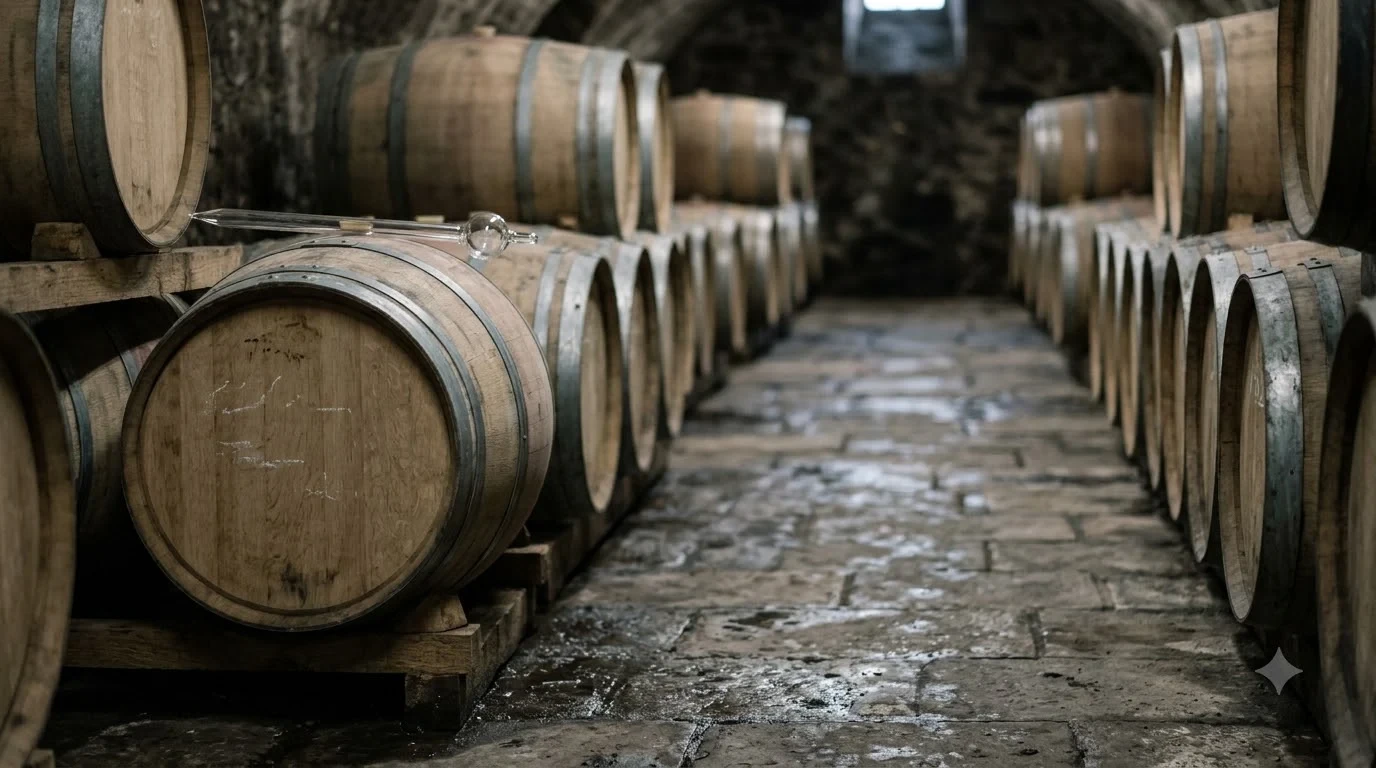
Cooper and Thief wine is a line of red wines made by Cooper & Thief Cellarmasters in Ripon, California, and the brand is known for ageing its wines in used bourbon whiskey barrels. According to the producer’s website, the Red Blend, Cabernet Sauvignon and Pinot Noir each spend three months in bourbon barrels, which adds vanilla, caramel and spice notes on top of the fruit. The name comes from the barrel trade: a cooper builds the barrel, and a thief is the tool used to draw a sample out of it.
This guide explains what the brand is, how the bourbon barrel process works, which wines make up the lineup, how they taste, and what foods suit them. It sticks to what the producer publishes and to general knowledge about barrel ageing, so you can judge whether the style fits your taste before you buy.
What Cooper and Thief Wine Is
Cooper and Thief is a wine brand produced by Cooper & Thief Cellarmasters, which the producer’s footer lists as based in Ripon, California, in the northern part of the San Joaquin Valley. The brand presents itself as wine that departs from tradition. Its website says the cellarmaster believes people should not have to choose between wine and spirits, and that belief shapes the whole lineup.
Instead of treating whiskey barrels as a novelty, the brand builds its identity around them. Most red wines are aged in oak made for wine, so the bourbon-barrel approach is what sets this brand apart on a shelf full of similar-looking bottles. If you have seen the name in a wine shop or online and wondered whether it is a serious wine or a gimmick, the answer depends on how you feel about barrel character, which the rest of this guide covers.
How Bourbon Barrel Ageing Shapes the Wine
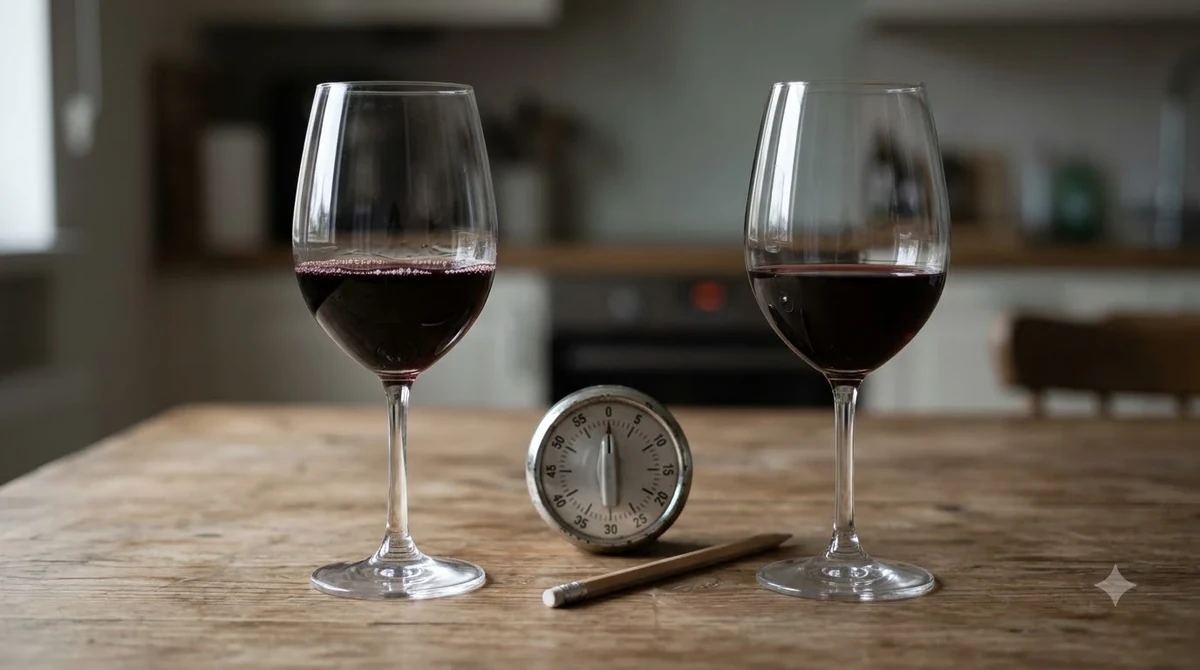
Ageing wine in barrels that once held bourbon is the signature of the brand. The producer’s website states that the Red Blend, Cabernet Sauvignon and Pinot Noir each age for three months in bourbon whiskey barrels. It also lists a Larceny Red Blend, described as an exclusive release finished in Larceny bourbon barrels, so the barrel treatment is a feature of the range rather than a single bottling.
Oak barrels give wine flavours such as vanilla, toast and baking spice, and a barrel that previously held bourbon carries some of that spirit’s sweetness and caramel character into the wine. Three months is a relatively short stay compared with many premium reds that spend a year or more in oak, which helps keep the wood in the background while the fruit still leads. The effect is a red that feels rounder and a little warmer than an unoaked wine of the same grape.
For a buyer, the practical point is that these wines tend to read as smoother than a traditional dry, firm, oak-aged red. If you usually prefer very tannic wines from Bordeaux or Barolo, the softer and more rounded style may feel different. You can read more about the producer’s own description on its official website, which describes the process in its product copy.
The Main Wines in the Lineup
The brand’s website lists a Red Blend, a Larceny Red Blend, a Cabernet Sauvignon and a Pinot Noir. The table below summarises each wine using the producer’s own wording and general knowledge of the grapes, so you can see at a glance which bottle fits your plans.
| Wine | Grape style | Barrel treatment (per producer) | Who it may suit |
|---|---|---|---|
| Red Blend | Blend of red varieties | Three months in bourbon whiskey barrels | Drinkers who want an easy, everyday red |
| Larceny Red Blend | Red blend (exclusive release) | Finished in Larceny bourbon barrels | Buyers who want a special-release style |
| Cabernet Sauvignon | Cabernet Sauvignon | Three months in bourbon whiskey barrels | Fans of fuller-bodied, structured reds |
| Pinot Noir | Pinot Noir | Three months in bourbon barrels | Drinkers who prefer lighter, silkier reds |
Because the lineup is short, it is easy to choose. If you want one bottle to serve a crowd with a range of tastes, the Red Blend is the most flexible starting point. If you already know you like Cabernet, the Cabernet Sauvignon gives you the bourbon-barrel style in a more familiar grape. The Pinot Noir is the lightest option and a good test for people who usually avoid heavily oaked wine.
Flavour Profile and What to Expect in the Glass
Cooper and Thief wines are best approached as reds with a barrel-driven finish. The Cabernet Sauvignon is the style most people will recognise, with darker fruit, a firmer structure and a finish that carries the oak. The Pinot Noir is lighter in body and tends to show red fruit with a soft, warm edge from the barrels, which can make it easier to drink on its own than many Pinots that are very dry.
The Red Blend sits in the middle, offering a more approachable profile for weeknight meals. Barrel-aged reds of this kind are commonly described as showing vanilla, caramel and spice on the nose. Those aromas come mainly from the wood and the spirit residue, not from added sweetness, so a wine can still taste dry on the palate even when it smells rich.
Tasting notes change with each vintage, and the grapes in any given year can shift in ripeness and balance. The most reliable guide is the back label or the producer’s current description for the bottle you are buying. A short tasting at home, with a glass of each wine side by side, will tell you more about your own preference than any written description.
How to Serve and Pair Cooper and Thief Wine
Serve the reds at a cool room temperature rather than warm, and give them a few minutes in the glass so the aromas open. A medium-sized glass with room to swirl suits all of them. Because barrel notes can feel strong when the wine is too warm, a short time in the refrigerator before pouring can bring the balance back for the Pinot Noir and the Red Blend.
For food, the Cabernet Sauvignon pairs well with grilled steak, burgers and hearty dishes with roasted mushrooms, where its structure and oak can stand up to rich, savoury flavours. The Pinot Noir suits roast chicken, salmon and tomato-based pasta. The Red Blend works with pizza, barbecue and weeknight dishes that have some smoke or spice. The caramel notes from the barrels also suit dishes with a little sweetness, such as glazed pork or a sticky barbecue sauce.
Tip: Taste each wine on its own first, then with food. Barrel notes often feel more pronounced without a meal and softer once paired with something savoury.
Who Cooper and Thief Wine Suits and Who Might Skip It
This style suits people who enjoy bourbon or whiskey flavours and want to bring them into a glass of wine. It is also a practical choice for a casual dinner or a gathering, where an approachable red that is easy to share is useful. Buyers who prefer the lean, mineral, low-oak wines of Burgundy or the Old World may find the barrel character more prominent than they like.
If you are comparing it with other reds in the same price segment, look at how each producer uses oak. Our guides to pedernales wine and spottswoode wine describe the styles of those brands, and a side-by-side tasting with a friend is a simple way to find which approach you prefer. For a wider view of how producers are grouped by style, the wine brands guide is a useful next stop.
Frequently Asked Questions
Is Cooper and Thief wine aged in bourbon barrels?
Yes. The producer states that the Red Blend, Cabernet Sauvignon and Pinot Noir each spend three months in bourbon whiskey barrels, and the Larceny Red Blend is finished in Larceny bourbon barrels.
Where is Cooper and Thief wine made?
The producer’s website lists Cooper & Thief Cellarmasters in Ripon, California. Check the label of a specific bottle for any more detailed origin information the producer provides for that release.
Is Cooper and Thief wine sweet?
It is not presented as a dessert or sweet wine. Barrel ageing adds vanilla and caramel notes that can make the wine taste rounder, so part of the softness comes from the wood rather than from sugar. Check the bottle’s own description for the style of the vintage you buy.
What food goes well with Cooper and Thief wine?
The Cabernet Sauvignon and the Red Blend suit grilled meats, burgers and hearty pasta. The Pinot Noir is a good match for roast chicken and salmon. Try a small amount with a meal first, since the barrel notes shift with the food.
Cooper and Thief is a clear example of a brand built around one idea, and that idea is easy to test. Start with the Red Blend if you want a versatile bottle, or choose the Cabernet Sauvignon if you already enjoy firmer reds. Once you have tried one, the other wines in the lineup give you a simple way to compare how the bourbon-barrel character changes from grape to grape.
More in Wine Brands
 Underwood Wine Price: Compare Bottles, Cans, and Pack SizesUpdated Nov 21, 2026
 Zenato Wine Price: Compare Styles and Choose the Right BottleUpdated Nov 21, 2026
 Zuccardi Wine Price: Compare Bottles and Find the Right RangeUpdated Nov 21, 2026
 Yellow Tail Moscato Review: Taste, Sweetness and Serving TipsUpdated Nov 21, 2026
 Wolf Blass Yellow Label Review: Choose Your Best StyleUpdated Nov 21, 2026
 Wolffer Estate Rose Review: Choose the Right Bottle for Your TableUpdated Nov 21, 2026