

We may earn a commission when you buy through links on this page, at no extra cost to you. Learn more.
Cooper Mountain wine comes from Cooper Mountain Vineyards, a certified organic and biodynamic estate in Beaverton, Oregon, best known for Pinot Noir, Pinot Gris and Chardonnay. The winery was founded in 1978 and farms its own vineyards in the Willamette Valley. Whether a bottle suits you depends on the style you enjoy and how you plan to serve it.
This guide explains who makes Cooper Mountain wine, where the grapes are grown, which varieties and styles to expect, and how the estate compares with other Oregon producers. It also covers food matches and simple storage habits, so you can shop with more confidence.
Who Makes Cooper Mountain Wine
Cooper Mountain Vineyards is a family-run winery with roots going back to 1978. The winery’s own description, listed on the Oregon Wine Board site, frames the estate as a long-running commitment to quality wine and a welcoming tasting room. Dr. Robert Gross and his wife Corrine founded the estate, and it released its first vintage in 1987, according to the winery history summarized on Wikipedia.
Over the years the winery has added new lines. Reference sources note a third tier of wine called Cooper Hill, released in 2004, alongside the older Cooper Mountain Reserves and 5 Elements Series. A balsamic vinegar followed in 2006, which sets the estate apart from many Oregon wineries that focus only on wine.
Farming practices are central to the brand’s identity. The vineyards hold state organic certification and biodynamic certification, and the winery says its wines are estate bottled. A 2006 travel report also describes the emphasis on biodynamic farming as a core part of the estate’s philosophy. If farming methods matter to you, this is one of the easier Oregon estates to research.
Where Cooper Mountain Grapes Are Grown
The grapes come from the Willamette Valley, the region that the Oregon Wine Board calls the state’s oldest wine region. The estate sits inside that valley, which is one of the best-known winegrowing areas in the Pacific Northwest.
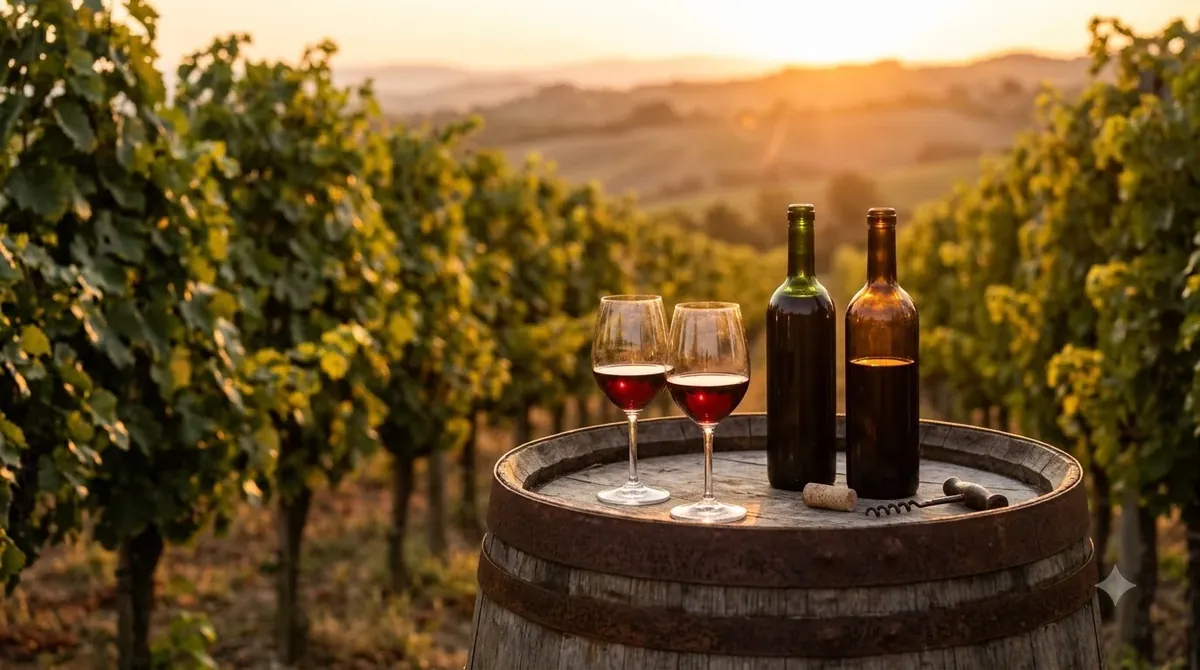
According to the Oregon Wine Board listing for Cooper Mountain Vineyards, the valley holds about two-thirds of the state’s wineries and vineyards and includes more than 700 wineries. It sits between the Coast Range to the west and the Cascades to the east, which gives growers a range of climates and soils to work with.
The estate is on the western slopes of Cooper Mountain, an extinct volcano in the Portland metropolitan area. Wikipedia describes the site this way, and the volcanic setting is part of the story winemakers tell about the wines. The vineyard is also surrounded by housing, which creates practical challenges for an organic and biodynamic operation. Spray drift and runoff from nearby yards are concerns the vineyard has to manage, according to a travel report on the estate.
Acreage figures differ between sources and over time. A 2006 travel report cites about 123 acres within five miles of the tasting room, Wikipedia reports about 120 acres in production, and the Oregon Wine Board listing describes more than 200 acres. Treat these numbers as snapshots. Named blocks include Old Vines, planted in 1978, and Meadowlark, planted in 1982, according to Wikipedia.
Cooper Mountain Wine Varieties and Styles
Cooper Mountain builds its identity around a short list of grapes, with Pinot Noir at the center. The winery also produces Pinot Gris, Chardonnay and Pinot Blanc. The Oregon Wine Board listing adds Gamay Noir and Tocai Friulano to the broader list of varieties the estate has produced.
Pinot Noir is a thin-skinned red grape that often shows red fruit, earthy notes and a crisp finish in cool-climate Oregon. Pinot Gris usually gives a lighter, citrus-leaning white. Chardonnay can range from fresh and lean to richer and oak-influenced, depending on how the winemaker handles it. Pinot Blanc is a softer white that often appears in blends.
| Variety | Typical style | What to look for on the label |
|---|---|---|
| Pinot Noir | Red, medium body, red fruit and earthiness | Reserve or Old Vines bottlings, which the travel report describes as crisp |
| Pinot Gris | White, crisp, citrus and grapefruit notes | Estate-grown fruit from the onsite vineyard |
| Chardonnay | White, fruit-forward, may show oak | Any mention of barrels or oak aging |
| Pinot Blanc | Light white, often blended | Blend percentages on the back label |
| Life Wine | No-sulfite Pinot Noir | Sulfite statement and vintage year |
Organic and biodynamic are farming terms, not flavor terms. A certified organic or biodynamic wine can taste bright, earthy or rich depending on the grape, the vintage and the cellar work. Read the label for the variety and vintage rather than assuming every bottle from the estate tastes the same.
Popular Cooper Mountain Wines to Try
Most buyers start with the estate’s Pinot Noir and Pinot Gris, since those are the varieties the winery highlights most often. Reserve-level bottlings and the single-vineyard Old Vines Pinot Noir are common next steps for people who want more depth.

Life Wine is the one that stands out for shoppers who avoid added sulfites. Wikipedia describes it as a no-sulfite Pinot Noir from the estate. Because a no-sulfite claim is a specific label detail, read the back label and confirm the production statement before you buy.
The Cooper Hill tier offers another way to explore the estate without committing to the top bottlings. Check the current lineup on the winery’s website, since releases change from year to year.
Food matches are straightforward. Pinot Noir pairs well with roast salmon, mushroom dishes and roast chicken. Pinot Gris suits seafood, fresh salads and light cheeses. Chardonnay works with creamy pasta or roast pork. Match the body of the wine to the weight of the dish, and the pairing usually works.
How Cooper Mountain Compares to Other Oregon Wines
Cooper Mountain sits in the same region as many well-known Oregon producers, so the comparison is mostly about style and farming. The estate’s organic and biodynamic focus and its Pinot-led lineup are the main points that set it apart from many neighbors.
Wine Trail Traveler lists Cooper Mountain among Willamette Valley wineries alongside names such as Adelsheim, Argyle, Erath and Sokol Blosser. Those producers share the same valley, but each has its own vineyard sites, winemaking choices and house style. Tasting several of them side by side is the best way to see which style you prefer.
| Factor | Cooper Mountain Vineyards | What to compare with other Oregon estates |
|---|---|---|
| Location | Beaverton, inside the Willamette Valley | Subregion, such as the hills or valley floor |
| Farming | Certified organic and biodynamic | Certifications listed on the winery site |
| Core grapes | Pinot Noir, Pinot Gris, Chardonnay, Pinot Blanc | Share of Pinot Noir in the lineup |
| Visiting | Tasting room open to the public | Reservation and tasting-fee policies |
If you are comparing styles across regions, the broader Wine Brands section covers national labels. For a different white style to set beside a Pinot Gris, see the guide to Avaline white wine. Oregon Pinot Noir from other estates can also be compared with the Ariel wine profile for a sense of how a different producer approaches a similar grape.
Buying and Storing Cooper Mountain Wine
Buying Cooper Mountain wine is simple, but a few checks help you get the bottle you want. Start with the vintage year and variety, then confirm the bottling details on the back label. The winery’s website lists current tasting room hours and availability as of Nov 2026, so check there before a visit.
- Confirm the variety and vintage on the front label.
- Read the back label for estate bottling, certification and sulfite statements.
- Buy from a retailer that keeps bottles away from heat and direct sun.
- Store bottles at a steady, cool temperature away from appliances.
- Keep corked bottles on their side if you plan to hold them for a while.
Most Cooper Mountain wines are made to be enjoyed within a few years of release, especially the lighter whites and everyday reds. Higher-tier bottlings may reward patience. Ask your retailer or check the winery’s notes for guidance on each release.
Tip: Check the vintage year on each label, since style can shift from one year to the next. Pour in moderation and never drink and drive.
Frequently Asked Questions
What is Cooper Mountain wine best known for?
Cooper Mountain is best known for Pinot Noir, with Pinot Gris, Chardonnay and Pinot Blanc also part of the lineup. The estate is certified organic and biodynamic, and its wines come from grapes grown on its own vineyards in the Willamette Valley.
Where is Cooper Mountain Vineyards located?
The winery is in Beaverton, Oregon, in the Portland metropolitan area. The vineyard sits on the western slopes of Cooper Mountain, an extinct volcano, inside the Willamette Valley American Viticultural Area.
Is Cooper Mountain wine organic?
The vineyards hold state organic certification and biodynamic certification, and the winery says its wines are estate bottled. Check the label and the winery’s website for current certification details on each release.
What is Life Wine from Cooper Mountain?
Life Wine is a no-sulfite Pinot Noir produced by the estate, according to Wikipedia. If you avoid added sulfites, confirm the production statement on the current label before you buy, since bottlings can change.
Cooper Mountain wine rewards readers who want to know where a bottle comes from and how it is farmed. Start with the Pinot Noir or Pinot Gris, then compare the estate with other Willamette Valley producers. For more brand context, return to the Wine Brands section.
More in Wine Brands
 Underwood Wine Price: Compare Bottles, Cans, and Pack SizesUpdated Nov 21, 2026
 Zenato Wine Price: Compare Styles and Choose the Right BottleUpdated Nov 21, 2026
 Zuccardi Wine Price: Compare Bottles and Find the Right RangeUpdated Nov 21, 2026
 Yellow Tail Moscato Review: Taste, Sweetness and Serving TipsUpdated Nov 21, 2026
 Wolf Blass Yellow Label Review: Choose Your Best StyleUpdated Nov 21, 2026
 Wolffer Estate Rose Review: Choose the Right Bottle for Your TableUpdated Nov 21, 2026