

We may earn a commission when you buy through links on this page, at no extra cost to you. Learn more.
Willamette Valley wineries are the heart of Oregon wine country, and Pinot Noir is the grape that defines the region. The valley is a large American Viticultural Area in northwestern Oregon, where a mild growing season and a wet winter give the vines a slow, steady ripening period. Wineries here range from family estates that have farmed the same hillsides for decades to small producers making only a few barrels each year. This guide explains where the valley sits, how its sub-regions differ, and how to plan a visit without trying to see everything at once.
If you are heading to Oregon, or you simply want to understand how this region differs from California, the Willamette Valley is the right place to begin. Its wineries are spread across farmland and forested hills, so a good visit is planned by sub-region rather than by picking names from a random list.
What the Willamette Valley Is
The Willamette Valley is a large growing area covering much of northwestern Oregon. According to Wine Spectator’s overview of Oregon wine, the appellation stretches about 150 miles long and 60 miles wide, and it was approved in 1983. Within that footprint, more than 10,000 acres are planted to vineyards, which means most of the valley is still farms, orchards, and forest.
The climate is cool by wine-region standards. Growing seasons are described as mild, and most of the year’s rain falls in winter and early spring. A long, slow ripening period keeps acidity in the grapes, and that is a big reason the valley is known for elegant, lighter-bodied red wines rather than the heavy, sun-driven reds of warmer regions. Visitors who are used to big California reds often notice the difference on the first pour.
The soils add variety. Wine Spectator describes a mix of old volcanic soils, ancient seabed deposits, and rock and silt left behind by the Missoula Floods. Because these soil types sit close together, two wines made from the same grape can taste noticeably different from one hillside to the next. That variety is a large part of the valley’s appeal for drinkers who like to compare bottles side by side.
The Seven Sub-AVAs to Know
The valley is divided into seven smaller appellations, and most wine trips are organized around them. Knowing which hills a winery sits on helps you understand the style in the glass before you taste it, and it makes route planning much easier.
| Sub-AVA | What to know |
|---|---|
| Chehalem Mountains | One of the seven named sub-appellations |
| Dundee Hills | Where the first Pinot Noir vines in the valley were planted, and a common starting point for first-time visitors |
| Eola-Amity Hills | Pinot Noir country that guides also associate with Chardonnay and sparkling wine |
| McMinnville | One of the seven named sub-appellations |
| Ribbon Ridge | One of the seven named sub-appellations |
| Van Duzer Corridor | One of the seven named sub-appellations |
| Yamhill-Carlton | One of the seven named sub-appellations |
The sub-regions most often recommended in guides are Dundee Hills and Eola-Amity Hills, so they make a sensible starting point for a first trip. Pick two sub-regions that sit near each other, and you will spend more time tasting and less time driving between tasting rooms.
How Pinot Noir Put the Valley on the Map
Pinot Noir is the valley’s signature grape, and its history is tied to one early planting decision. According to Wine Spectator, David Lett of Eyrie Vineyard planted the first Pinot Noir vines in the valley in 1965, and those first vines went into Dundee Hills. That early bet established the region as a serious home for the variety, and it still shapes what visitors find on most tasting menus.
Pinot Noir remains the dominant variety. Wine Spectator calls it the largest crop by far, and statewide acreage data from 2017 lists about 19,697 acres of Pinot Noir across Oregon. Pinot Gris and Chardonnay are planted too, but they sit well behind. For a visitor, that means most tasting flights include at least one Pinot Noir, and many wineries focus on single-vineyard or single-block bottlings to show how one hillside differs from another.
Pinot Noir is a thin-skinned grape that responds strongly to site and vintage. That is why the valley’s sub-regions matter. The same grape can produce bright, red-fruited wines in one spot and deeper, earthier wines in another. Tasting across two or three sub-regions gives a clearer picture of the valley than a single winery can, even a very good one.
What to Taste for in Valley Pinot Noir
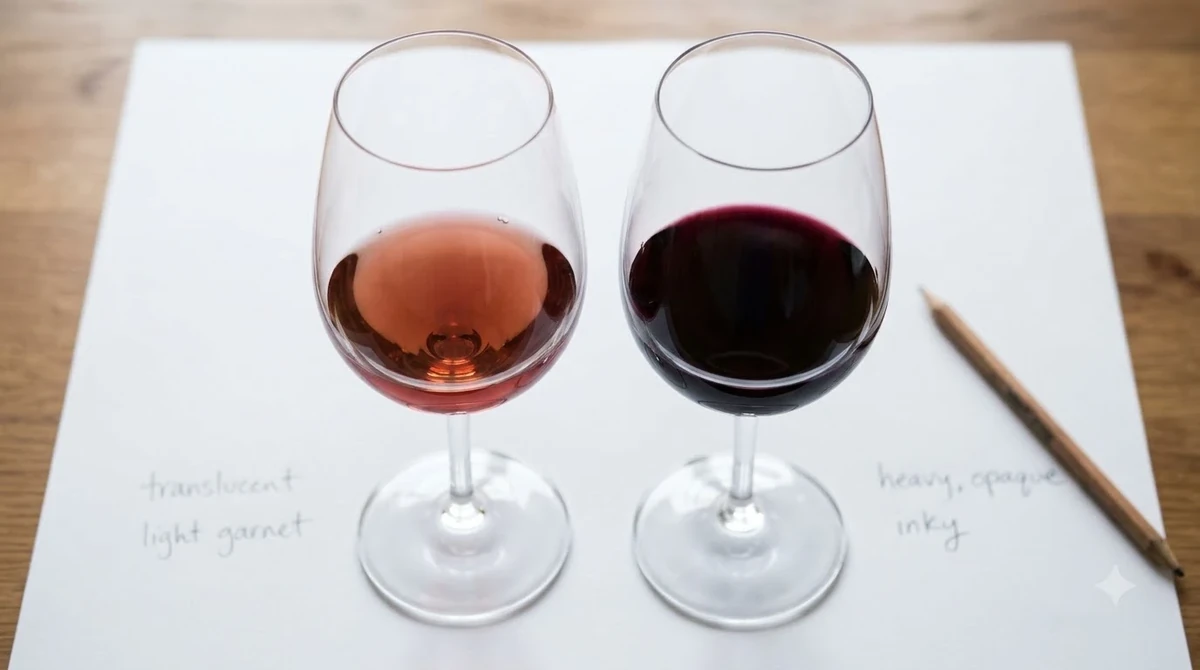
Valley Pinot Noir is often described by its fruit, its acidity, and its texture. Many tasters look first for red fruit such as cherry and raspberry, then for savory notes like forest floor or dried herbs. Acidity is the spine of the wine, and it keeps the finish fresh rather than heavy.
A useful way to taste is to pour two bottles from neighboring sub-regions and compare them directly. Notice whether one tastes brighter, more structured, or more earthy. Write down what you find, because the notes you make on a first trip help you choose bottles later at home or at the next winery.
Texture is the last thing to pay attention to. Some Pinot Noir feels silky and round, while others feel firmer and more tannic. Both styles can be elegant, and the valley’s wineries produce examples of each, so tasting a range is the best way to learn your own preference.
How Oregon Wine Fits the Bigger Picture
The Willamette Valley sits inside a much larger state industry. Wine Spectator’s figure for Oregon as a whole is 769 wineries, which shows how much wine country exists beyond the valley.
Comparing the valley with other famous regions makes its style clearer. If you already know Napa Valley, the Willamette Valley will feel leaner and more restrained, and that contrast is a helpful reference point. The Napa Valley wineries guide covers the warmer style, while Loire Valley wineries offer another cool-climate contrast worth tasting side by side with Oregon bottles.
Within Oregon, the valley also shows how a single state can hold many climates and soils. The wine you pour depends on the hillside, the vintage, and the winemaker’s choices, so a broad view of the state helps you understand why the valley’s wines differ so much from one another.
How to Plan a Winery Visit
A good Willamette Valley visit usually works better with a plan. Pick one or two sub-regions for the day, book tasting appointments where a winery asks for them, and leave room in the schedule for drives between hillsides, which can take longer than the map suggests.
Plan fewer stops than you think you need. Three or four tastings in a day is a comfortable pace for most people, and a longer visit at a single estate often teaches more than a rushed circuit. Many visitors ask about the best time of year, and the answer depends on what you want. Spring shows fresh green vineyards, while harvest in the fall shows the valley at its busiest. Check each winery’s hours before you go, since small estates often open by appointment only.
Arrange a designated driver or a driver service before the day begins. Spit buckets are common at serious tasting rooms, and asking for one is normal. Staff can also recommend which bottles pair well with the local food you plan to eat. Pacing your tastings keeps the day enjoyable from start to finish and makes it easier to remember what you liked.
Frequently Asked Questions
Is the Willamette Valley known for Pinot Noir?
Yes. Pinot Noir is the dominant variety in the valley, and Wine Spectator calls it the largest crop by far. The first Pinot Noir vines were planted in 1965 by David Lett of Eyrie Vineyard, and most tasting rooms pour at least one Pinot Noir.
How big is the Willamette Valley?
The appellation is about 150 miles long and 60 miles wide, and it was approved in 1983. More than 10,000 acres are planted to vineyards, so most of the valley is still farmland and forest.
How many sub-appellations are inside the valley?
There are seven named sub-AVAs: Chehalem Mountains, Dundee Hills, Eola-Amity Hills, McMinnville, Ribbon Ridge, Van Duzer Corridor, and Yamhill-Carlton. Each one gives a slightly different style, so picking two neighboring sub-regions is a practical way to plan a trip.
How should I plan a first trip to Willamette Valley wineries?
Start with one or two sub-regions, such as Dundee Hills and Eola-Amity Hills, and limit the day to three or four tastings. Book appointments where needed, arrange a designated driver, and allow extra time for drives between hillsides.
A Willamette Valley visit rewards a plan, a designated driver, and one or two sub-regions explored well. For the broader context of how wine regions differ, the Wine Regions guide is a good next step after this one.
More in Wine Regions
 Willcox Wine Trail: Discover Arizona’s High-Elevation Wine CountryUpdated Nov 20, 2026
 Yakima Valley Wine Region: Find the Best Styles to TryUpdated Nov 20, 2026
 Vosne Romanee Wine Tasting: Identify Aromas and Choose Better PairingsUpdated Nov 20, 2026
 Yakima Valley Wine Festival: Find the Best Seasonal Wine EventsUpdated Nov 20, 2026
 Wales Vineyards: Discover Cool-Climate Wines and Where to VisitUpdated Nov 20, 2026
 Yountville Wine Festival: Discover Napa Wines and Local FoodUpdated Nov 20, 2026