

We may earn a commission when you buy through links on this page, at no extra cost to you. Learn more.
Dundee Hills wine comes from a small appellation in Oregon’s Willamette Valley, best known for Pinot Noir with red fruit, earthy spice and bright acidity. The Dundee Hills American Viticultural Area was approved in 2004, and its reddish volcanic-derived soils and cool breezes from the Pacific shape wines that many reviewers compare to Burgundy.
This guide explains what makes Dundee Hills wine distinctive, where the vineyards sit, which grapes grow there, and how to choose and serve a bottle. It also covers how to plan a visit to the area’s tasting rooms, which are concentrated in a short drive from the town of Dundee and Newberg.
What Makes Dundee Hills Wine Distinctive
Dundee Hills is one of several sub-appellations inside the Willamette Valley, and it is among the most frequently cited names when people talk about Oregon Pinot Noir. The area became an official AVA on November 30, 2004, and it covers a range of hillside vineyards rather than a flat valley floor. That elevation matters, because slopes drain cold air, improve sun exposure and help the grapes ripen evenly.
Reference sources describe the Dundee Hills as a north-south range on the western side of the Willamette River valley, with vineyards rising from about 200 feet up to a highest peak of roughly 1,067 feet. The mix of altitude and marine air gives winemakers a long, gentle ripening period, which is one reason the region’s wines keep their structure even in warm years.
Soils, Climate and Elevation
The soil is the other half of the story. Reference descriptions point to the Jory series, a reddish silt, clay and loam soil that covers much of the appellation, while the steeper western slopes have sedimentary soils from the Willakenzie series. Vines planted in these soils tend to produce moderate yields and concentrated fruit, which many winemakers see as an advantage for Pinot Noir.
The climate is cool for a wine region in the western United States. Rain in the winter and spring supports the vines, while summer days are warm and the nights are cool. Pacific air moves inland through gaps in the coastal hills, which slows ripening and keeps acidity high. Compared with the warmer regions of California, the wines from this cooler setting generally show more freshness and a lighter frame.
| Feature | Dundee Hills detail | Effect on the wine |
|---|---|---|
| Elevation | About 200 ft up to roughly 1,067 ft | Cooler nights, steady ripening |
| Main soil | Jory series reddish silt, clay and loam | Concentrated fruit, firm structure |
| Western slopes | Willakenzie series sedimentary soils | Earthy, mineral character |
| Location | Yamhill County, about 28 miles southwest of Portland | Marine influence, easy day trips |
Grapes and Styles Grown in Dundee Hills
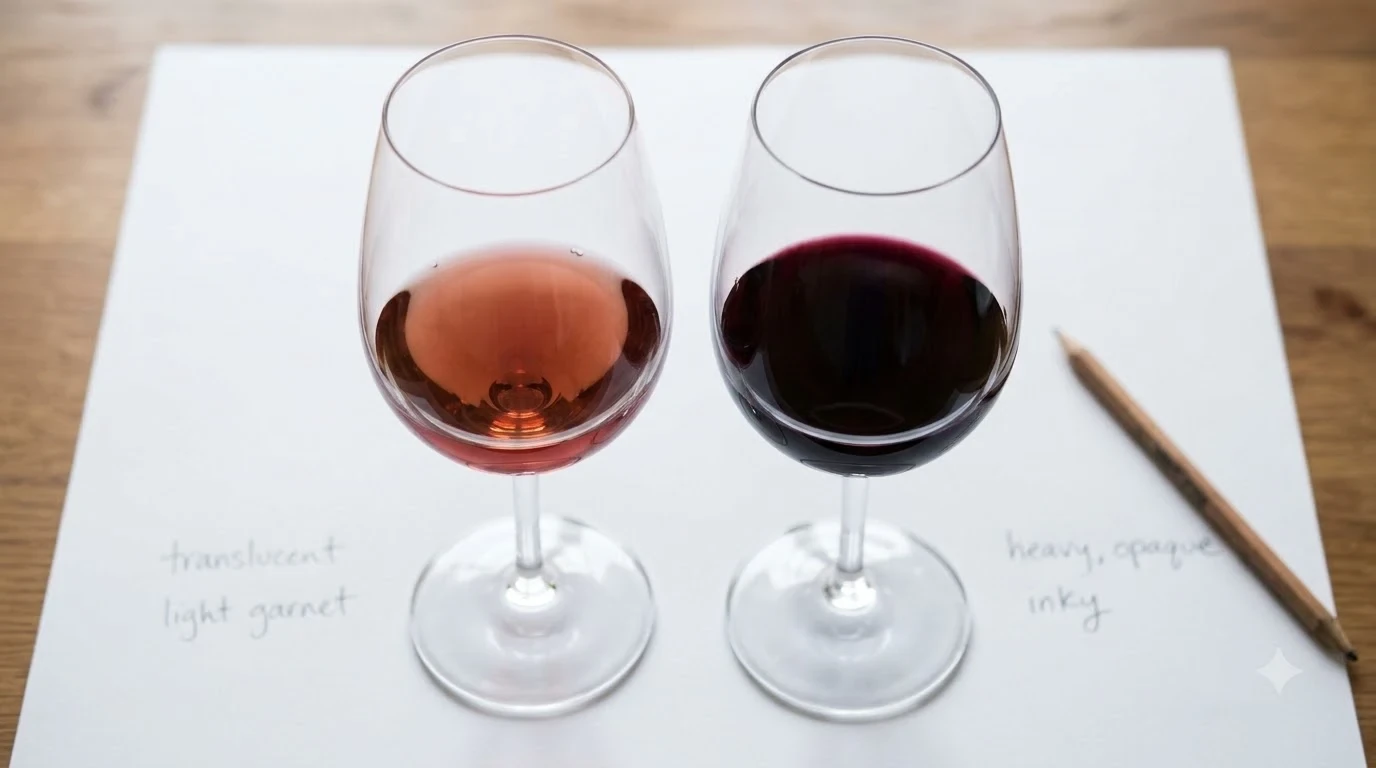
Pinot Noir is the headline grape, and it is the reason most visitors come. The wines are usually pale to medium in color, light to medium-bodied, with low tannins and medium-high acidity. Typical aromas include raspberry, cherry and a bit of mushroom or forest floor, with oak adding vanilla and smoke. Older bottles can develop leather and earthy notes.
The area also grows Chardonnay, Pinot Gris, Pinot Blanc, Riesling and Müller-Thurgau, along with a small amount of Melon. White wines from Dundee Hills tend to be crisp and food-friendly, while Chardonnay often has a more restrained oak style than wines from warmer parts of the country. Pinot Noir is the grape most producers build their lineups around, and it is the bottle most visitors ask about first.
For a comparison with the same grape from other parts of the world, the Wine Folly guide to Pinot Noir explains that Oregon examples are often lighter in color and more tart than California versions, with cranberry and cherry notes, and that Oregon Pinots are often the closest in style to Burgundy.
How to Choose a Dundee Hills Bottle
Start with the producer’s style rather than the vintage alone. Some estates aim for a lighter, more perfumed Pinot Noir, while others make denser wines with more oak and tannin. Check the back label or the winery’s website for the vineyard name, since single-vineyard bottlings show the specific character of one slope or soil type.
Price varies a lot across the region, so compare bottles from different producers before deciding how much to spend. A younger Pinot Noir is often enjoyable within a few years of release, while top bottlings from good vintages can age longer. For a California point of comparison, the Anderson Valley wine guide covers another cool-climate Pinot Noir area.
Tip: Ask your server or the tasting room staff which vineyard a bottle comes from. Knowing the hill or slope helps you link the taste on the glass to the place where it was grown.
Serving and Food Pairing
Pinot Noir from Dundee Hills shows best at cellar temperature, about 55 to 60 degrees Fahrenheit. Serving it too warm can make the alcohol feel heavy, while serving it too cold hides the fruit. Use a wide-bowled glass so the aromas can open up, and decant a young bottle for about 30 minutes if it feels tight.
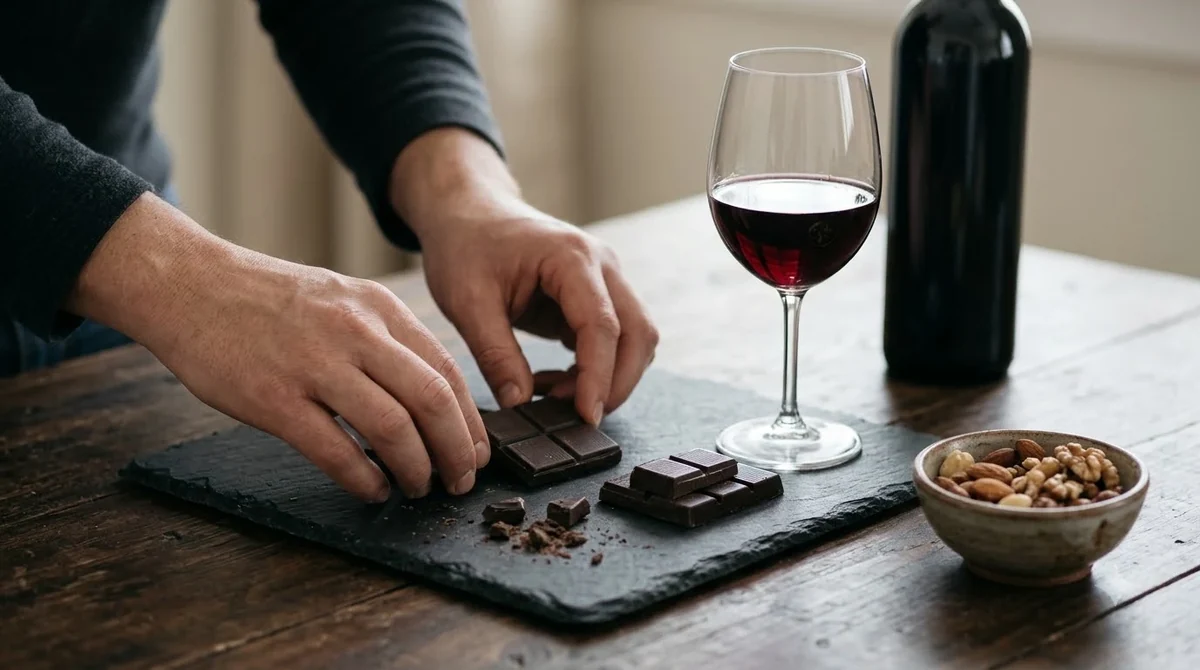
The wine’s acidity and earthy notes make it a flexible food partner. Duck is a classic pairing, since the acidity cuts through the fat. Salmon, roast chicken, mushroom risotto and grilled vegetables also work well. For a richer main course, try roasted pork or lamb with herbs, which match the wine’s spice. For a broader view of regional styles and how they connect to cooking, see the wine regions guide or the Alentejo wine guide for another region’s food-friendly reds.
Planning a Visit to Dundee Hills
The area is an easy day trip from Portland, and many tasting rooms cluster around Dundee and Newberg. Plan a route with two or three estates, because the hills are steep and the roads wind between vineyards. Weekend afternoons are the busiest time, so book ahead if you want a seated tasting or a tour through the vineyards.
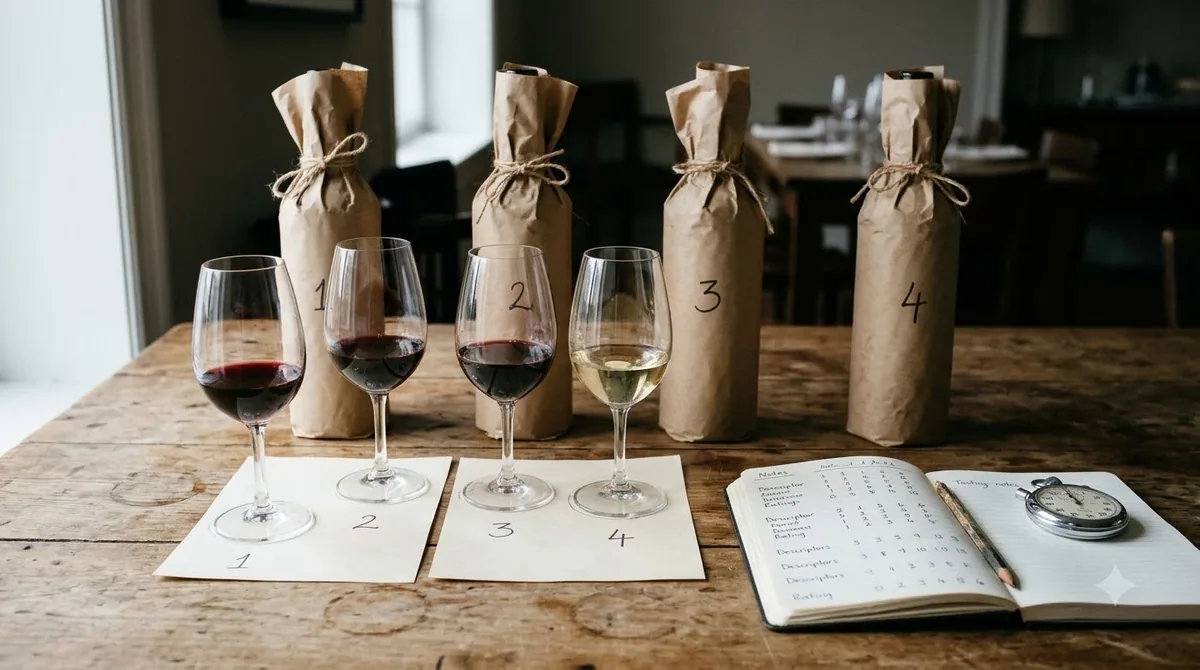
Ask each tasting room whether it offers a flight of single-vineyard Pinot Noir. These flights are often the best way to compare soils and slopes side by side, and staff usually enjoy explaining how each block was farmed. If you are visiting in the fall, expect harvest activity in the vineyards and a lively atmosphere in town.
Frequently Asked Questions
What is Dundee Hills known for?
Dundee Hills is best known for Pinot Noir. Its hillside vineyards, reddish soils and cool Pacific influence produce wines with red fruit, earthy spice and fresh acidity.
When did Dundee Hills become an AVA?
The Dundee Hills American Viticultural Area was approved on November 30, 2004. It sits inside Yamhill County in the Willamette Valley.
How is Dundee Hills Pinot Noir different from California Pinot Noir?
Oregon Pinot Noir is generally lighter in color and more tart than many California examples. Its flavors often lean toward cranberry, cherry and earthy notes, while warmer California sites tend to produce riper, darker fruit.
What temperature should Dundee Hills Pinot Noir be served at?
Reference guides suggest serving it around 55 to 60 degrees Fahrenheit. That range keeps the fruit lively and the tannins balanced without making the wine feel heavy.
Dundee Hills wine rewards curiosity. Pick a producer whose style appeals to you, compare two bottles from different hillsides, and note how the soil and elevation change the taste. Start with a Pinot Noir from a single vineyard, then try a white Pinot Gris or Chardonnay to see the region’s range. Drink responsibly, and arrange a designated driver or a tour when you visit the tasting rooms.
More in Wine Regions
 Willcox Wine Trail: Discover Arizona’s High-Elevation Wine CountryUpdated Nov 20, 2026
 Yakima Valley Wine Region: Find the Best Styles to TryUpdated Nov 20, 2026
 Vosne Romanee Wine Tasting: Identify Aromas and Choose Better PairingsUpdated Nov 20, 2026
 Yakima Valley Wine Festival: Find the Best Seasonal Wine EventsUpdated Nov 20, 2026
 Wales Vineyards: Discover Cool-Climate Wines and Where to VisitUpdated Nov 20, 2026
 Yountville Wine Festival: Discover Napa Wines and Local FoodUpdated Nov 20, 2026