


We may earn a commission when you buy through links on this page, at no extra cost to you. Learn more.
Cooking wine with steak is best chosen from dry, medium-bodied red wines such as Merlot, Cabernet Sauvignon, or Grenache, depending on the sauce and cooking method. These wines contribute fruit, acidity, and savory depth to beef without making a sauce excessively sweet. Merlot is a particularly versatile option for everyday steak sauces, while Cabernet Sauvignon provides a firmer structure for richer preparations. The most important considerations are dryness, acidity, tannin, and oak influence.
Wine can do considerably more than add flavor to a finished steak. A splash poured into the hot pan after searing helps release browned meat particles, creating the foundation for a concentrated sauce. Wine can also form part of a marinade, enrich a slow-cooked beef dish, or become the main liquid in a reduction served alongside grilled or pan-seared meat. Choosing the appropriate bottle makes these techniques easier to control and helps the finished dish retain a balanced flavor.
Best Red Wines for Cooking Steak
Dry, medium-bodied red wine is the most reliable starting point for cooking steak. Merlot, Grenache, and moderate-style Cabernet Sauvignon offer different combinations of fruit, acidity, and tannin that work with beef.
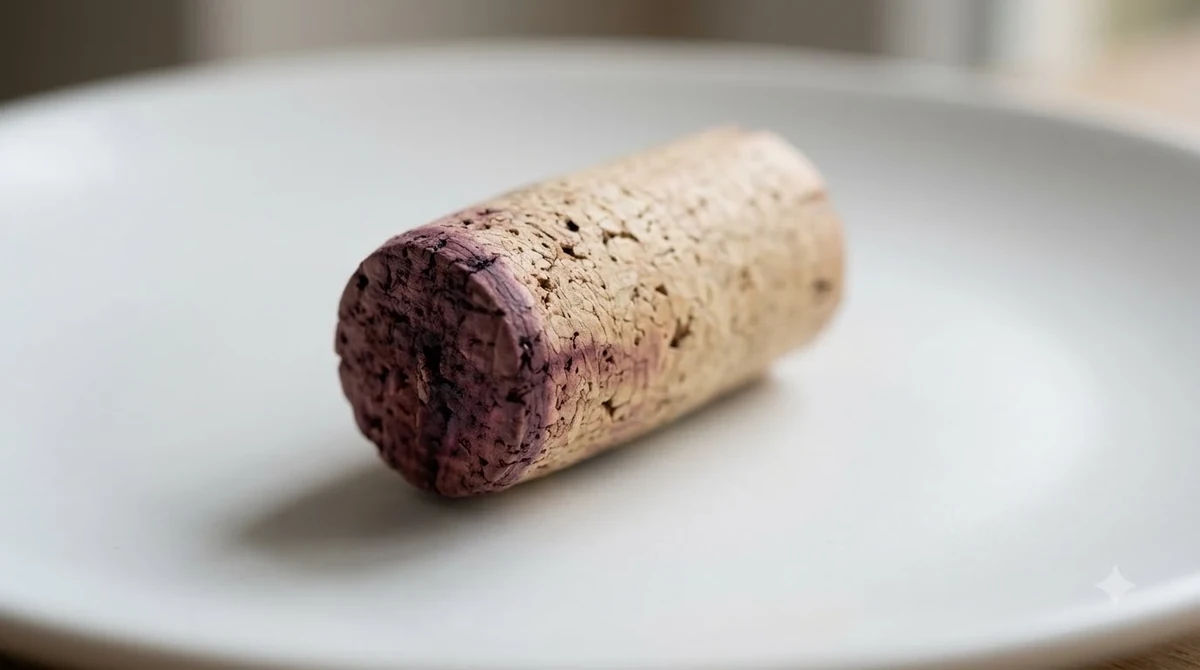
The best general-purpose option is a dry Merlot. Its softer tannins and medium-bodied character make it suitable for quick pan sauces, mushroom sauces, and reductions that accompany ribeye, strip steak, or filet mignon. Merlot also provides enough dark-fruit character to complement browned beef without requiring a long cooking time.
Cabernet Sauvignon is another familiar choice, especially for sauces accompanying fatty cuts. Its relatively high tannin content and structured flavor can complement the richness of ribeye and other well-marbled steaks. However, a heavily extracted, strongly oaked Cabernet may produce a harsh or bitter result after substantial reduction. A balanced, dry bottle with moderate oak influence is a better cooking choice than an intensely concentrated wine.
Grenache offers a fruitier alternative. Its approachable tannin structure and red-fruit flavors work well in beef reductions containing shallots, garlic, rosemary, and stock. A medium-bodied Rhône-style red blend can provide similar versatility. These wines are particularly useful when the sauce needs a combination of fruit, savory character, and moderate acidity rather than the pronounced structure of Cabernet.
Other grapes also have useful applications. Syrah can contribute dark fruit, pepper, and savory depth to grilled steak sauces, although its tannin level can vary. Pinot Noir offers lighter body, high acidity, and comparatively restrained tannin, making it appropriate for delicate mushroom sauces or filet mignon preparations.
The following comparison provides a practical starting point:
| Wine | Tannin | Best Steak Application | Flavor Contribution |
|---|---|---|---|
| Merlot | Medium, soft | Everyday pan sauces | Plum, cherry, soft spice |
| Cabernet Sauvignon | High | Ribeye and rich beef reductions | Blackcurrant, cedar, dark fruit |
| Grenache | Low to medium | Herb-based steak sauces | Red berries, spice |
| Syrah | Medium-plus to high | Grilled steak and pepper sauces | Blackberry, pepper, savory spice |
| Pinot Noir | Low to medium | Filet mignon and mushroom sauces | Cherry, earth, fresh acidity |
| Sangiovese | Medium | Tomato-based beef preparations | Sour cherry, herbs, acidity |
These are general grape-style characteristics rather than fixed rules for every bottle. Growing conditions, winemaking decisions, ripeness, and oak treatment influence the finished wine. A dry, balanced bottle is generally more useful than selecting a grape solely because its name is associated with steak.
How Wine Characteristics Affect Steak Sauce
Dryness, acidity, tannin, and oak influence the flavor of a sauce in different ways. Understanding these characteristics helps prevent a reduction from becoming too sweet, sour, bitter, or astringent.
Dryness is particularly important because cooking concentrates dissolved sugars. A wine that tastes slightly sweet before cooking can become noticeably sweeter after reduction. For a traditional savory steak sauce, choose a dry wine rather than an off-dry red or dessert wine.
Acidity provides balance against the richness of beef fat, butter, and meat juices. However, acidity also becomes more concentrated as wine reduces. A very tart wine may produce an aggressively sharp sauce if used in large quantities. This is why medium-acidity wines are often easier to manage in a straightforward steak preparation.
Tannin contributes a drying, sometimes slightly bitter sensation. Cabernet Sauvignon and Syrah generally have more tannin than Merlot or Pinot Noir. Although beef fat and protein can soften the perception of tannin when drinking wine alongside steak, excessive tannin in a concentrated sauce may create a drying finish.
Oak deserves attention as well. Wines aged extensively in new oak can have pronounced vanilla, toast, smoke, and baking-spice characteristics. These flavors may work in certain sauces, but heavy oak influence can become unpleasantly bitter or overpowering after reduction. A stainless-steel-fermented or moderately oaked wine is often a more flexible option.
Serious Eats illustrates the importance of sugar and acidity through its reduction comparisons. In one comparison, a cup of wine was reduced to one-quarter cup, concentrating its characteristics. The resulting Sauvignon Blanc reduction developed a particularly sharp, lemon-like acidity. This demonstrates why the original wine’s flavor profile matters before adding it to a pan. Its cooking wine comparison and reduction experiments also show why sweetness and acidity matter more than choosing an expensive bottle.
Tip: Taste the wine before cooking and consider how it will change after reduction. If it is already very sweet, sour, or heavily oaked, those characteristics may become more pronounced in the finished sauce. Choose a balanced dry red for a traditional savory steak preparation.
Choosing Wine for Different Steak Cuts and Cooking Methods
Different steak cuts benefit from different sauce styles. Fat content, texture, seasoning, and cooking method determine whether a light red, structured Cabernet, or fruit-forward Grenache is the better choice.

Ribeye contains substantial marbling, making it particularly suitable for sauces made with Cabernet Sauvignon or Syrah. Their structured flavors stand up to the meat’s richness. A red wine reduction with beef stock, shallots, and black pepper creates a concentrated accompaniment without requiring an elaborate ingredient list.
New York strip has a firmer texture and typically less internal fat than ribeye. Merlot and Grenache are useful choices because their softer structures complement the meat without overwhelming it. A simple shallot-and-wine pan sauce also allows the steak’s browned exterior to remain prominent.
Filet mignon is leaner and more delicate in flavor. Pinot Noir or Merlot can provide sufficient fruit and acidity without making the sauce excessively heavy. Mushroom, thyme, and butter are natural additions to this combination.
Cooking method matters just as much as the cut. Pan-seared steaks leave browned particles in the skillet, making red wine especially useful for deglazing. Grilled steaks do not provide the same convenient collection of fond, so their sauce may need to be prepared separately in a saucepan.
Matching wine to the preparation
- Pan-seared ribeye: Use dry Cabernet Sauvignon or Merlot with beef stock and shallots.
- Grilled strip steak: Choose Grenache or Syrah for a peppery, fruit-forward reduction.
- Filet mignon: Use Pinot Noir or Merlot with mushrooms and thyme.
- Steak with caramelized onions: Use a dry Merlot or Grenache to complement the onions without adding excessive sugar.
- Slow-braised beef: Choose a dry, medium-bodied red blend or Zinfandel that can maintain its character during longer cooking.
For a meal that includes a separate bottle for drinking, consider the finished sauce as part of the overall pairing. Cabernet Sauvignon’s high tannin works well with fatty beef because the meat softens the wine’s drying sensation. Pinot Noir can be more suitable for leaner preparations, particularly those containing mushrooms or delicate herbs.
How to Make a Red Wine Pan Sauce for Steak
A red wine pan sauce transforms the browned particles left after searing steak into a flavorful accompaniment. The basic method involves removing the meat, deglazing the pan, reducing wine, adding stock, and finishing with butter.
Begin with two steaks, approximately 1 to 1.5 inches thick. Season them with salt and black pepper, then sear in a hot skillet with a suitable cooking oil. The exact cooking time depends on thickness and the desired doneness. Once cooked, transfer the steaks to a plate and allow them to rest while preparing the sauce.
Leave approximately 1 tablespoon of fat in the skillet. Remove any burnt particles because they can contribute unpleasant bitterness. Add 2 tablespoons of finely chopped shallots and cook for approximately 1 to 2 minutes until softened. Add 1 minced garlic clove if desired, cooking briefly to release its aroma without allowing it to burn.
Pour in approximately 1/2 cup of dry red wine. Merlot is a dependable choice, although Grenache and moderately oaked Cabernet Sauvignon can also work. Stir and scrape the bottom of the skillet with a wooden spoon to release the fond. This process is called deglazing, and it transfers concentrated browned flavors into the liquid.
Allow the wine to simmer for approximately 2 to 4 minutes, depending on the pan temperature and desired concentration. Add 1/2 cup of beef stock and approximately 1 teaspoon of fresh thyme leaves. Continue simmering until the sauce reduces to a consistency that lightly coats the back of a spoon.
Remove the skillet from the heat and whisk in 1 to 2 tablespoons of cold unsalted butter. This finishing technique, commonly called mounting with butter, gives the sauce a smoother texture and a glossy appearance. Taste and adjust the seasoning before spooning the sauce over the rested steak.
Ingredients and quantities
| Ingredient | Quantity | Purpose |
|---|---|---|
| Dry red wine | 1/2 cup | Acidity, fruit, and depth |
| Beef stock | 1/2 cup | Savory body |
| Shallots | 2 tablespoons | Sweet-savory aroma |
| Garlic | 1 clove | Additional savory flavor |
| Fresh thyme | 1 teaspoon | Herbal character |
| Unsalted butter | 1-2 tablespoons | Texture and richness |
| Cooking oil | 1 tablespoon | Searing the steak |
This recipe produces a concentrated sauce for approximately two steaks. For a thinner consistency, add a small amount of stock. For a stronger wine flavor, reduce the wine slightly longer before incorporating the stock. Avoid boiling the finished butter sauce aggressively because excessive heat can cause the butter to separate.
The same method works with different herbs and aromatics. Rosemary creates a more pronounced herbal profile, while mushrooms contribute earthy flavors. Cracked black pepper provides additional spice, making it particularly suitable for steak au poivre-inspired preparations.
Using White Wine, Sweet Wine, and Fortified Wine With Steak
Red wine is the conventional choice for steak, but other wine styles can work in specific recipes. Dry white wines provide a brighter sauce, while fortified wines offer concentrated flavors that suit mushroom, onion, and pepper preparations.
Dry Chardonnay can be useful for a creamy steak sauce, particularly when combined with mushrooms, garlic, and cream. Choose a moderately oaked or unoaked style rather than an intensely buttery bottle. Its medium acidity gives the sauce some freshness while its fuller body provides enough weight for richer ingredients.
Sauvignon Blanc offers higher acidity and a lighter, more citrus-oriented flavor. It can work with lean steak preparations, herbs, and lighter sauces, but its sharp acidity may become pronounced during reduction. A moderate amount combined with beef stock and butter can produce a balanced result.
Sweet wine requires more careful handling. Residual sugar concentrates during cooking, potentially producing a sticky sauce that tastes more like a glaze than a traditional savory reduction. Sweet wines are better suited to recipes that intentionally include fruit, caramelized onions, or a sweet-and-savory flavor profile.
For example, cooking with sweet red wine can make sense in a beef preparation containing dried cherries, plums, or roasted fruit. Sweet white wine may be appropriate for a creamy sauce containing apples or pears. These are specialized applications rather than replacements for dry red wine in conventional steak sauces. Additional ideas are available in the guides to cooking with sweet red wine and cooking with sweet white wine.
Fortified wines provide another option. Madeira adds nutty, caramelized notes to beef reductions, while dry Sherry can introduce savory complexity. Marsala is useful in preparations where mushrooms and a slightly sweeter flavor are desirable. Because these wines can be more concentrated than ordinary table wines, begin with smaller quantities and adjust the balance with stock.
Moscato is generally too sweet and aromatic for a conventional steak sauce. It may be used in a deliberately sweet preparation, but its fruity character can conflict with the savory flavors of seared beef. Anyone interested in its culinary applications can explore cooking with Moscato for recipes where its sweetness is an intended feature.
Cooking Wine Versus Regular Drinking Wine
Regular drinking wine is generally a better choice for steak than commercial cooking wine. Bottles specifically labeled for cooking may contain added salt and other ingredients that make seasoning more difficult, while ordinary dry wine gives the cook greater control over the final flavor.
Commercial cooking wine is often formulated for extended shelf stability rather than drinking quality. Added salt is a particular concern in steak recipes because beef stock, seasoned meat, butter, and pan drippings may already contribute considerable salt. Reducing a salty liquid intensifies its concentration, potentially making the finished sauce unpleasantly seasoned.
A regular bottle does not need to be expensive. A simple, dry, medium-bodied red that tastes clean and pleasant is sufficient for most pan sauces and braises. Subtle aromas associated with premium wines are frequently less noticeable after cooking, especially when stock, garlic, shallots, herbs, and butter are incorporated.
Boxed wine is another practical choice for frequent cooking. Its packaging limits the amount of air that reaches the remaining wine, allowing convenient use of small quantities without opening a new bottle each time. A dry red blend or Merlot in this format can be useful for sauces, marinades, and slow-cooked beef dishes.
There is an important distinction between wine that is simply past its best drinking condition and wine that has developed a serious fault. A slightly tired bottle may remain suitable for certain cooked preparations, but cork taint, pronounced vinegar aromas, heat damage, or other unpleasant faults can spoil a sauce. Decanter specifically warns that cork-tainted wine can transfer its unpleasant character into food. Its expert advice on cooking with wine also explains why moderately tannic reds are useful in savory recipes.
For more information about grape varieties, wine styles, and their culinary characteristics, explore the broader Wine by Type resource. Understanding the difference between dry, off-dry, medium-bodied, and full-bodied wines makes selecting a suitable cooking bottle much easier.
Common Mistakes When Cooking With Steak Wine
The most common problems involve excessive reduction, unsuitable sweetness, heavy oak, and incorrect seasoning. A few straightforward adjustments help maintain the balance between wine, beef stock, butter, and meat juices.
Using an excessively sweet wine: Sugar becomes more concentrated during reduction, potentially changing a savory steak sauce into a sweet glaze. Choose dry red wine unless the recipe specifically requires sweetness. If the sauce contains caramelized onions or fruit, a small amount of sweetness may be appropriate, but the final balance should remain intentional.
Choosing an excessively tannic wine: Cabernet Sauvignon and Syrah can be useful with steak, but their tannins may become more noticeable in a concentrated sauce. Avoid reducing a large quantity of highly tannic wine without balancing it with stock and other ingredients. Merlot and Grenache are useful alternatives for a softer result.
Using heavily oaked wine: Strong oak characteristics can become bitter or overpowering in a sauce. Select a wine with restrained oak influence, particularly for preparations involving long reductions. Butter and stock can provide richness without requiring a strongly oaked bottle.
Adding too much wine: A large quantity of wine can dominate the beef flavor and take longer to reduce. For a two-steak pan sauce, approximately 1/2 cup of wine combined with 1/2 cup of stock is a reasonable starting proportion. Increase the quantities only when making a larger batch or a sauce intended for several servings.
Allowing the fond to burn: Browned meat particles are valuable, but blackened particles can contribute bitterness. Lower the heat if the skillet becomes excessively hot before adding the wine. Scrape the bottom gently during deglazing and remove badly burnt residue before preparing the sauce.
Adding butter over excessive heat: Butter helps create a smooth, glossy finish, but vigorous boiling can cause the emulsion to separate. Remove the skillet from the heat before whisking in cold butter. This final step is especially useful when preparing a sauce for filet mignon or other lean cuts.
Assuming all alcohol disappears: Cooking wine does not guarantee an alcohol-free dish. Alcohol evaporates during cooking, but some can remain depending on the cooking time, pan, and recipe. A quick pan sauce should not be treated as completely alcohol-free simply because it has simmered for several minutes.
Frequently Asked Questions
Can you use leftover red wine to cook steak?
Yes, leftover red wine can be useful if it has been stored properly and has no serious faults. Wine kept refrigerated in a closed bottle can retain useful cooking qualities for several days, although its freshness gradually declines. Frozen leftover wine in small portions can also be convenient for future sauces.
Does red wine make steak more tender?
Wine can contribute acidity to a marinade, but it does not automatically tenderize every steak. The effect depends on the cut, marinade composition, and contact time. Mechanical tenderization, appropriate cooking temperature, and resting remain important factors in achieving a tender result.
Can you substitute beef broth for red wine in steak sauce?
Yes, beef broth can replace red wine when a wine-free sauce is preferred. The result will have less fruit character and acidity, so a small amount of vinegar or lemon juice may help restore balance. Use unsalted or low-sodium broth when reducing the sauce to maintain control over seasoning.
Should steak wine sauce be served hot or cold?
A red wine steak sauce is generally served warm rather than chilled. Warm sauce distributes more easily over freshly cooked meat and allows butter-based preparations to maintain their intended texture. Avoid leaving a butter-mounted sauce over direct high heat while the steak rests.
Does the type of skillet affect a red wine steak sauce?
Yes, the cooking surface influences how much fond develops and how quickly the sauce reduces. Stainless-steel skillets are particularly useful because browned particles remain visible and can be released during deglazing. Cast-iron skillets also work, although their heat retention requires attention when adding wine to a very hot pan.
For most steak recipes, a dry Merlot or balanced Grenache is an excellent starting point, while Cabernet Sauvignon and Syrah provide more structure for richer beef preparations. Choose a wine with suitable acidity, restrained oak, and no excessive sweetness, then control the reduction carefully. With the right bottle and a few basic pan-sauce techniques, wine can turn the browned flavors left by a steak into a rich, balanced finishing sauce.
More in Wine Types & Grapes
 What Does Ruby Port Taste Like? Flavor Notes, Styles, and Serving TipsUpdated Nov 21, 2026
 What Does Ribolla Gialla Taste Like? Crisp White and Amber Styles ExplainedUpdated Nov 21, 2026
 What Does Semillon Taste Like? Flavor Profile, Styles & PairingsUpdated Nov 21, 2026
 What Does Scuppernong Taste Like? Flavor, Styles, and Pairing GuideUpdated Nov 21, 2026
 What Does Saperavi Taste Like? Flavors, Styles, and Pairing GuideUpdated Nov 21, 2026
 What Does Natural Wine Taste Like? Flavors, Styles, and Serving TipsUpdated Nov 21, 2026