


We may earn a commission when you buy through links on this page, at no extra cost to you. Learn more.
Cooking with sweet white wine works best when its residual sugar is treated as a deliberate seasoning, not an automatic swap for dry white wine. Its fruit, acidity, and sweetness can balance salty or rich ingredients, bring fragrance to fruit desserts, and form a glossy sauce. The key is to choose a wine whose sweetness suits the dish and to account for the way sugar becomes more concentrated as liquid reduces.
Sweet white wine is not one style. Off-dry Riesling, fragrant Moscato, and concentrated late-harvest wine behave differently, so choose according to the recipe and cooking time. A measured pour adds character; an unplanned reduction can make a savory sauce too sweet.
What Sweet White Wine Adds to Cooking
Sweet white wine contributes three things at once: residual sugar, acidity, and aromatic fruit. That combination is useful when a dish needs a touch of sweetness as well as lift, but it can overwhelm a recipe designed around a crisp, dry wine.
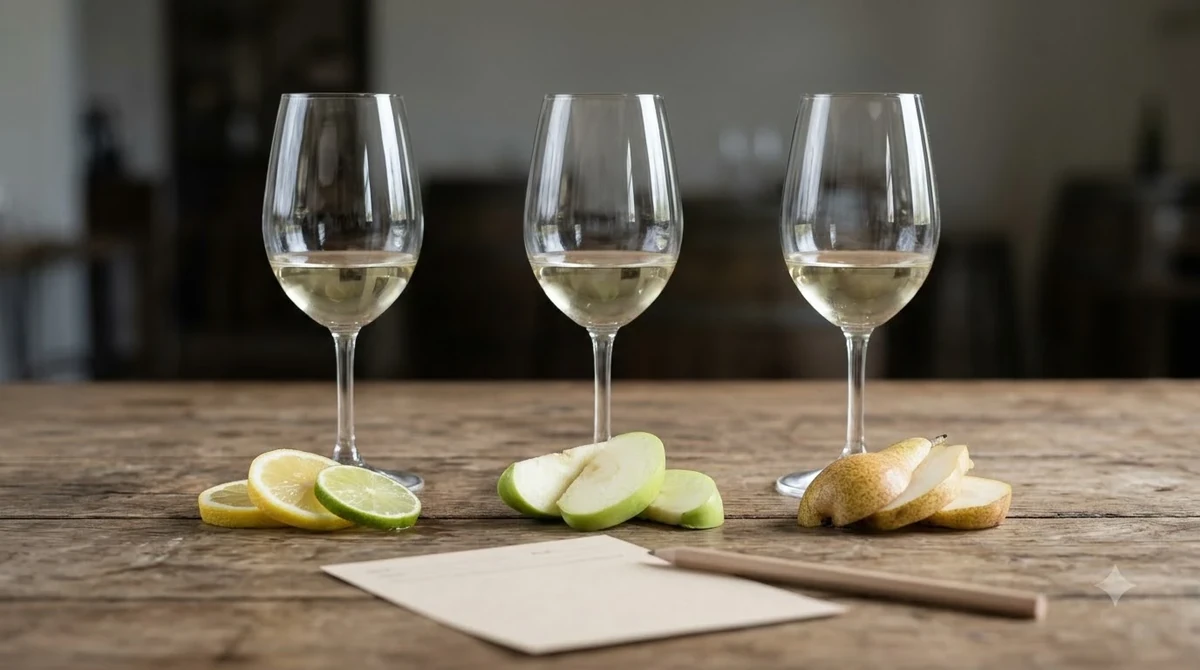
Residual sugar does not disappear just because wine goes into a hot pan. As water and alcohol evaporate, the remaining liquid becomes more concentrated. In a Serious Eats comparison, one cup each of off-dry Riesling, Sauvignon Blanc, and Chardonnay was reduced to one-quarter cup; the Riesling became close to syrupy. Sweet wine can therefore suit a glaze but make a sauce too sweet when a recipe expects dry wine.
Acidity is the counterweight: it can brighten cream, butter, poultry drippings, or ripe fruit, but it also concentrates. The same comparison found that reduced Sauvignon Blanc tasted almost lemony. A sweet white with lively acidity is often more useful than a very sugary, low-acid wine when a dish needs both roundness and freshness.
Aromas are the third contribution. Moscato and many Muscat wines suggest white peach, citrus, pear, grape, and honeysuckle; Riesling can lean toward apple and stone fruit; late-harvest styles can bring honeyed notes. These aromas show best in short-cooked sauces, poached fruit, and desserts because a long simmer softens delicate top notes. Treat sweet white wine as a flavor ingredient, not a general-purpose cooking liquid: a tablespoon or two can round a pan sauce, while a larger amount becomes a defining part of a braise or dessert.
Which Sweet White Wine Styles Work Best
Choose the style by sweetness intensity and aroma: off-dry wines suit lightly sweet sauces, aromatic Moscato works with fruit and spice, and concentrated dessert wines are best used in small quantities. The Muscat family includes more than 200 grape varieties and relatives, while Moscato d’Asti is a gently sparkling, sweet example from Piedmont in Italy.

Off-dry Riesling is a flexible starting point for savory cooking. Fruit and acidity make it useful in a pan sauce, pork glaze, or dressing for apples, roasted squash, onions, carrots, or mustard. A very sweet Riesling can also work, but start with less and reduce it cautiously.
Moscato and other Muscat wines are aromatic, often showing white peach, citrus, golden pear, grape, and honeysuckle. Gently sparkling Moscato d’Asti comes from Piedmont; dry Muscat is also made in California, Italy, and Australia. Sweet examples suit poached pears, peaches, berries, compotes, and lightly spiced glazes. For a closer look at the style, see is Moscato sweet or dry.
Gewürztraminer and off-dry Chenin Blanc can bring floral, tropical, or orchard-fruit notes that suit ginger, stone fruit, pork, and some creamy dishes. Their sweetness varies, so a lightly sweet bottle is better for a pan sauce, while a sweeter one suits a glaze or dessert. The categories in Wine by Type can help distinguish table wines from dessert styles. Late-harvest whites and Sauternes are more concentrated options for fruit, custards, cream desserts, and selected savory dishes; the MICHELIN Guide interview with chef Gabriel Kreuther describes using a little Sauternes with foie gras terrine and spices. Sweet fortified wines such as white Port, sweet sherry, and some Marsala styles have a pronounced, sometimes nutty character, so use them sparingly in recipes designed for that profile.
Pairing Sweet White Wine With Savory Food
Sweet white wine is most convincing in savory food when it balances salt, fat, gentle heat, or natural sweetness already present in the ingredients. Think pork with apples, glazed carrots, roasted squash, salty cheese, and dishes with ginger or warm spices rather than lean seafood in a delicate dry-wine sauce.
Salt and richness make sweetness taste less obvious, which is why a small pour can work in a sauce for roast pork, ham, or poultry. A little Moscato or off-dry Riesling can soften the salty edge of cured ham and complement the sweetness of caramelized onions. A sweet white glaze can also suit bacon-wrapped poultry or roasted root vegetables, provided the glaze is not reduced so far that it becomes sticky and cloying. Add herbs such as thyme, sage, or rosemary to keep the flavor anchored in the savory part of the dish.
For vegetables, match the wine to natural sugar. Carrots, sweet onions, parsnips, pumpkin, and butternut squash can take a modest amount of off-dry wine, especially with browned butter, toasted nuts, or salty cheese. A splash of Riesling can loosen the browned bits in a skillet of apples and onions before the liquid becomes part of a pork-chop sauce. With ginger, mild curry spices, or chili, keep the wine’s sweetness restrained and add garlic, citrus zest, or herbs so the sauce stays savory.
Seafood calls for more care. Sweet wine can suit sweet-and-sour shrimp, scallops with fruit, or spicy seafood, but can make mild fish taste sugary. Keep the wine light and aromatic with delicate seafood; a recipe built around crisp dry white wine for mussels, clams, or a butter sauce should not receive sweet Moscato by default.
Making Sauces, Glazes, and Pan Reductions
Use sweet white wine in a sauce by adding a small amount, dissolving the browned bits, and reducing only until the flavor is integrated. Because sugar concentrates as liquid evaporates, sweet wine usually needs a gentler reduction and more tasting than dry wine.
For a quick pan sauce, remove cooked pork or chicken from the skillet and pour off excess fat, leaving the browned residue. Add a few tablespoons of off-dry white wine over medium heat and scrape the pan with a wooden spoon. Let it bubble briefly, then add unsalted stock, a spoonful of mustard, or a little cream depending on the dish. Finish with butter and fresh herbs. The wine releases the browned flavor into the liquid, while the stock and butter keep the sauce from becoming a straight sweet-wine reduction. For a contrast in color and tannin, see cooking with sweet red wine.
For a glaze, combine sweet white wine with Dijon mustard, soy sauce, cider vinegar, citrus juice, or stock. Simmer until lightly thickened, then brush it onto pork, chicken, carrots, or squash near the end of cooking. Apply thin coats; sugars darken quickly on a hot surface. If the glaze tastes too sweet, add acid or stock rather than reducing it further.
For cream sauces and soups, use acidity to keep the finish lively. Add a splash of off-dry Riesling before cream in a chicken, mushroom, or pasta sauce, let its raw edge soften, then stir in dairy over gentle heat. For soup, add less wine after fennel, carrot, or onion has softened, then add stock and simmer briefly. Finish with herbs or lemon rather than reducing the wine for a long time.
Tip: Before reducing a sweet white wine, taste a teaspoon of it and decide how much sweetness you want in the finished dish. Start with half the amount of dry wine a recipe calls for, add stock or water to build volume, and adjust only after the sauce has simmered.
Baking, Poaching, and Fruit Desserts
Sweet white wine has a natural place in desserts because its fruit and sugar can reinforce ingredients such as pears, peaches, apples, citrus, berries, and stone fruit. Use aromatic wines for short preparations and more concentrated dessert wines when the recipe calls for only a small quantity.
For poached pears, combine white wine with water, citrus peel, and cinnamon, star anise, or vanilla; add sugar only if needed. Simmer peeled pears until a knife enters with slight resistance, beginning to check after about 15 minutes. Moscato adds peach and floral notes, while off-dry Riesling is brighter. Strain and reduce the poaching liquid separately, stopping while it is pourable because sugar thickens as it cools.
Peaches, plums, and berries need less cooking. Toss sliced fruit with a splash of Moscato or late-harvest white and lemon zest; add sugar only if needed. Let it stand for 10 to 15 minutes, then serve over pound cake, yogurt, panna cotta, or ice cream. For a warm compote, simmer gently until the fruit softens but keeps its shape, then add lemon juice gradually.
In cake batters and quick breads, sweet wine brings both sugar and acidity, so do not swap it cup for cup for another liquid. Keep the amount modest and reduce added sugar slightly; Moscato can suit a citrus loaf or peach cake, while Riesling can work in an apple or spice cake. Stronger dessert wines are better in a syrup or glaze than in a delicate batter. A quick dessert sauce can be made by warming a little wine with citrus peel, vanilla, or berries and spooning it over fruit, custard, or almond cake. Intense chocolate can dominate delicate Moscato aromas, and the wine should be at least as sweet as the dessert beside it.
Substitutions, Measurements, and Common Mistakes
When a recipe calls for dry white wine, a sweet white is not a neutral substitution; it changes the sugar-acid balance. Use a smaller amount, dilute with unsalted stock or water, and add a separate source of acidity only when the dish needs it.
The substitute depends on the wine’s job. For deglazing, use stock with a splash of cider vinegar or lemon; for cream sauce, use stock for body and add acidity at the end. For fruit poaching, use water with citrus and spices. Measure before pouring: for a small sauce for two, begin with 2 tablespoons of sweet wine; for a larger skillet sauce, try 1/4 cup. These are starting amounts, and concentrated dessert wines call for less.
Reduction and timing are the two common pitfalls. Serious Eats reduced 1 cup of wine to 1/4 cup in a comparison and found that sweet Riesling became close to syrupy, while a highly acidic Sauvignon Blanc tasted almost lemony. Add wine early enough to integrate with aromatics, but do not boil a sweet wine down aggressively; if the pan looks sticky, loosen it with stock or water. A raw pour right at the end can taste separate from the other ingredients.
Cooking does not remove all the alcohol. The Michelin Guide reports that a dish simmered or baked for 15 minutes retains about 40 percent of its starting alcohol, after 1 hour about 25 percent remains, and after 2 hours 30 minutes about 5 percent remains. Results vary with cooking method, surface area, heat, and liquid volume, so a brief simmer is not the same as complete removal.
| Cooking time | Approximate alcohol remaining | Practical meaning |
|---|---|---|
| 15 minutes | 40 percent | A quick pan sauce can retain a meaningful portion of the wine’s starting alcohol. |
| 1 hour | 25 percent | A longer simmer reduces alcohol further but does not remove it all. |
| 2 hours 30 minutes | 5 percent | Extended cooking leaves much less, but the figure is still not zero. |
Frequently Asked Questions
These quick answers address common decisions about wine sweetness, storage, and serving. A recipe’s cooking time and the wine’s style both matter, especially with aromatic Muscat and dessert wines.
Can sparkling Moscato be used in cooking?
Yes. The bubbles dissipate as the wine is heated, while its sweetness and aroma remain in the liquid. Use it in fruit poaching or a quick glaze, and avoid relying on its carbonation for lift in a baked recipe.
Does Moscato d’Asti have to be sweet?
Moscato d’Asti is a sweet, gently sparkling style, but Muscat wines appear under other regional names. In Spain and Portugal, they are often called Moscatel; in France, Muscat de Rivesaltes is a sweet wine from Languedoc-Roussillon made from Muscat Blanc à Petits Grains and Muscat d’Alexandrie.
Can sweet white wine be frozen for later cooking?
Wine can be frozen in small, measured portions in a freezer-safe tray or container, although its aroma may be less vivid after thawing. Freeze it promptly after opening, leave headspace for expansion, and reserve the portions for cooked dishes rather than occasions when fresh floral aromas are central.
Should sweet white wine be served cold after cooking?
Serving temperature applies to the wine in the glass, not to a finished sauce. Light whites and rosé are generally served around 45–50°F, while sweet whites are often served around 43–50°F; a hot sauce should be served at the dish’s normal serving temperature.
Can a sweet white wine replace vinegar in a marinade?
Not by itself in most marinades. Wine contributes liquid, aroma, and some acidity, but its sugar can brown quickly during high-heat cooking; use a small amount of wine alongside a measured acidic ingredient such as lemon juice or vinegar when a marinade needs a sharper edge.
For a first kitchen trial, add 2 tablespoons of an off-dry Riesling to a pan sauce for pork, then balance it with stock, mustard, and a little acidity. Once that proportion is familiar, try Moscato with poached fruit or a small amount of late-harvest wine in a dessert glaze.
More in Wine Types & Grapes
 Zinfandel Sugar Content: Dry Red vs. White Zinfandel GramsUpdated Nov 21, 2026
 Best Zinfandel Substitute Options for Sipping and CookingUpdated Nov 21, 2026
 Zweigelt Food Pairing: Best Dishes, Cheeses, and Serving TipsUpdated Nov 21, 2026
 Zinfandel Tannins Explained: How Structure Shapes Every BottleUpdated Nov 21, 2026
 Zinfandel Sweetness Level: Dry Red vs. Sweet White Zin ExplainedUpdated Nov 21, 2026
 Xinomavro Food Pairing: Best Dishes, Styles, and Serving TipsUpdated Nov 21, 2026