

We may earn a commission when you buy through links on this page, at no extra cost to you. Learn more.
The best constantia wineries include Groot Constantia, Klein Constantia, Constantia Glen, Beau Constantia, Buitenverwachting and Steenberg Vineyards, each offering a different combination of South African wines, vineyard scenery and tasting experiences. Located near Cape Town, Constantia is particularly appealing for its historic estates, cool-climate Sauvignon Blanc and distinctive natural sweet wines. A thoughtful itinerary can combine historic cellar visits, guided tastings, restaurant stops and scenic vineyard views without requiring a full day of driving.
Constantia is one of the most convenient wine destinations for visitors staying in Cape Town. Its vineyards sit beneath the Table Mountain range, with the surrounding mountains and coastal influences helping shape the area’s wine styles. The region’s uninterrupted winemaking history dates to 1685, and its estates range from heritage properties to smaller contemporary producers.
Choosing where to visit depends on what matters most: historic significance, Sauvignon Blanc, sweet wine, a relaxed restaurant experience or an intimate tasting room. The following guide explains the leading estates, what distinguishes each one and how to organize a worthwhile visit.
Who Should Visit Constantia’s Wine Estates
Constantia is an excellent choice for wine enthusiasts who want several distinct tasting experiences close to Cape Town. Its combination of historic estates, cool-climate wines and convenient visitor facilities makes it suitable for first-time South African wine travelers as well as experienced collectors.
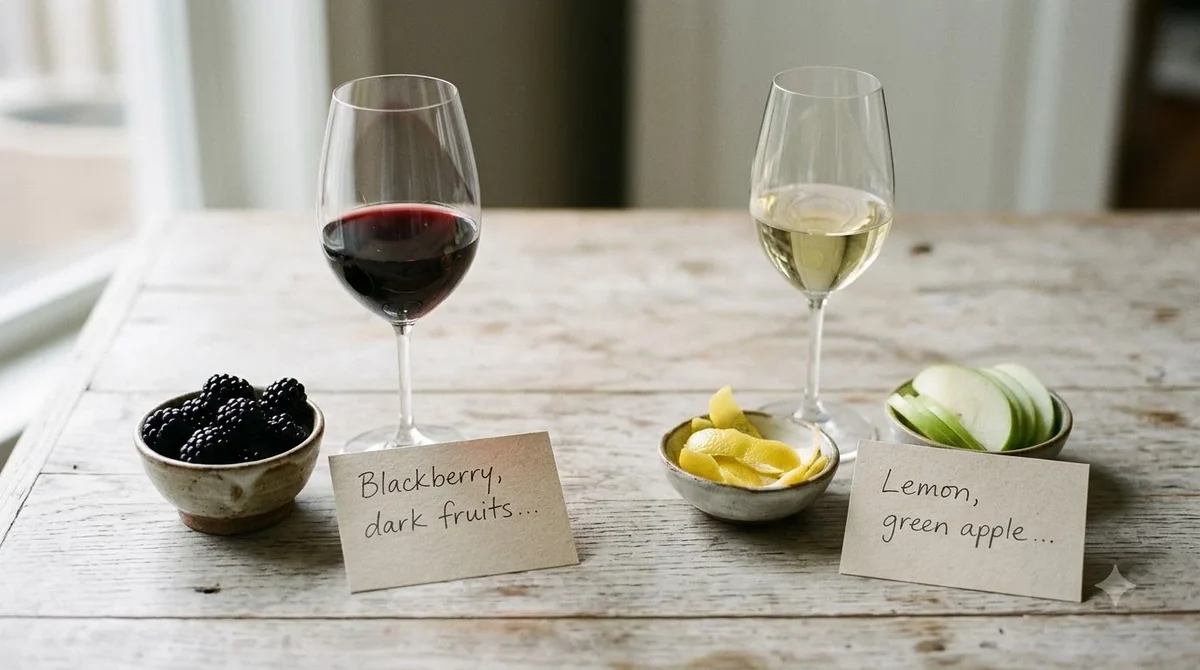
First-time visitors should consider starting with Groot Constantia. Its historical importance, museum, cellar access and five-wine tasting provide a useful introduction to the region. The estate offers more than a conventional tasting-room visit, making it particularly attractive to travelers interested in the development of South African wine.
Collectors and curious wine drinkers should put Klein Constantia high on their lists. Its famous Vin de Constance gives visitors an opportunity to explore a historic sweet-wine tradition, while its Sauvignon Blanc and red wines demonstrate other aspects of the estate’s production. The three-vintage vertical tasting is especially interesting for visitors who want to understand how a wine changes over time.
Travelers who prefer a leisurely meal alongside wine should consider Constantia Glen. Its tasting formats include dedicated white and red selections, and its food offering includes cheese, charcuterie, salads and wood-fired flammkuchen. This combination makes it a practical choice for visitors who do not want to spend the entire afternoon moving between tasting counters.
Smaller groups seeking contemporary wine experiences may also enjoy Beau Constantia. Its position near the top of Constantia Nek provides a different perspective on the valley, with views toward False Bay. Buitenverwachting and Steenberg are additional choices for visitors interested in exploring the broader character of the area rather than concentrating on only its best-known historical estates.
Constantia is also a good option for visitors with limited time in Cape Town. The wine route is approximately 15 minutes from the city center according to Constantia Valley Tourism, although actual journey times depend on traffic and the starting point. That accessibility makes it possible to enjoy an afternoon of wine tasting without arranging an overnight stay in the Winelands.
Key Factors to Compare Before Choosing a Winery
The best estate is not necessarily the one with the most famous wine. Compare the tasting selection, reservation requirements, food options, visitor facilities and amount of time available before deciding which Constantia properties deserve a place on your itinerary.
| Winery | Best reason to visit | Documented tasting detail | Planning consideration |
|---|---|---|---|
| Groot Constantia | History and cellar experiences | Five selected wines | Cellar tours run hourly from 10:00 to 16:00 |
| Klein Constantia | Vin de Constance and Sauvignon Blanc | Signature tasting: 45–60 minutes | Advance booking essential |
| Constantia Glen | Food and wine together | Flagship tasting: 7 wines | Restaurant and tasting reservations recommended |
| Beau Constantia | Boutique estate and scenery | Explore the estate’s tasting offering | Confirm current availability before traveling |
| Buitenverwachting | Mountain-side vineyard setting | Explore its estate wine selection | Confirm tasting arrangements and opening hours |
| Steenberg Vineyards | Established wine estate experience | Explore the estate’s wine range | Check tasting and dining availability |
The table highlights an important distinction: not every estate offers the same type of visitor experience. Groot Constantia emphasizes heritage and cellar access, Klein Constantia offers structured tastings centered on its wine collection, and Constantia Glen combines several tasting formats with dining.
Wine selection should be another major consideration. Constantia is particularly associated with Sauvignon Blanc, but visitors should not assume every winery specializes in the same grapes or wine styles. Look at the actual tasting lineup and consider whether you prefer aromatic whites, structured reds, sparkling wine or sweet wines.
Reservation policies can make a significant difference. Klein Constantia explicitly requires advance bookings because of limited tasting-room capacity. Constantia Glen also recommends reservations because its tasting room gets busy. Groot Constantia offers several visitor experiences, but checking the available tour times helps prevent a rushed visit.
Finally, consider the difference between a tasting and a complete estate experience. A tasting may take less than an hour, while a visit involving a museum, cellar tour, meal and vineyard exploration requires considerably more time. Choosing fewer wineries with enough time to appreciate them is generally more rewarding than trying to visit every estate in one afternoon.
Step-by-Step: How to Plan a Constantia Winery Visit
A successful Constantia wine itinerary begins with a realistic schedule and a clear tasting priority. Two carefully selected wineries can provide a more enjoyable experience than attempting to squeeze five or six visits into a single afternoon.
-
Choose your main wine interest.
Start by deciding what you want to discover. Visitors interested in South African wine history should prioritize Groot Constantia, while those fascinated by historic sweet wines should reserve time for Klein Constantia. Sauvignon Blanc enthusiasts can compare selections at several estates.
-
Select two or three suitable estates.
For a first visit, consider Groot Constantia and Klein Constantia as the main stops. If dining is important, include Constantia Glen instead of adding another short tasting. This creates a manageable itinerary with a mixture of wine styles and visitor experiences.
-
Check tasting availability and book ahead.
Review each winery’s current tasting menu, operating hours and reservation requirements. Klein Constantia requires advance reservations, while Constantia Glen recommends reserving a table. Confirm the time of any cellar tour at Groot Constantia.
-
Allow enough time at each property.
Set aside approximately 60 to 90 minutes for a straightforward tasting and additional time for tours, food or museum visits. Klein Constantia’s Signature Tasting alone takes approximately 45 to 60 minutes. Groot Constantia’s Visitors Route adds museum and cellar access to the experience.
-
Arrange transportation before the first tasting.
Use a designated driver, private wine-tour operator or suitable transportation service. Avoid planning to drive yourself between multiple estates after consuming alcohol. A prearranged driver also makes it easier to adjust the schedule if a tasting runs longer than expected.
-
Start with lighter wines when possible.
Beginning with Sauvignon Blanc or sparkling wine before moving to fuller reds and sweet wines can make comparisons easier. Ask the tasting-room staff about the recommended sequence for the particular wines being presented.
-
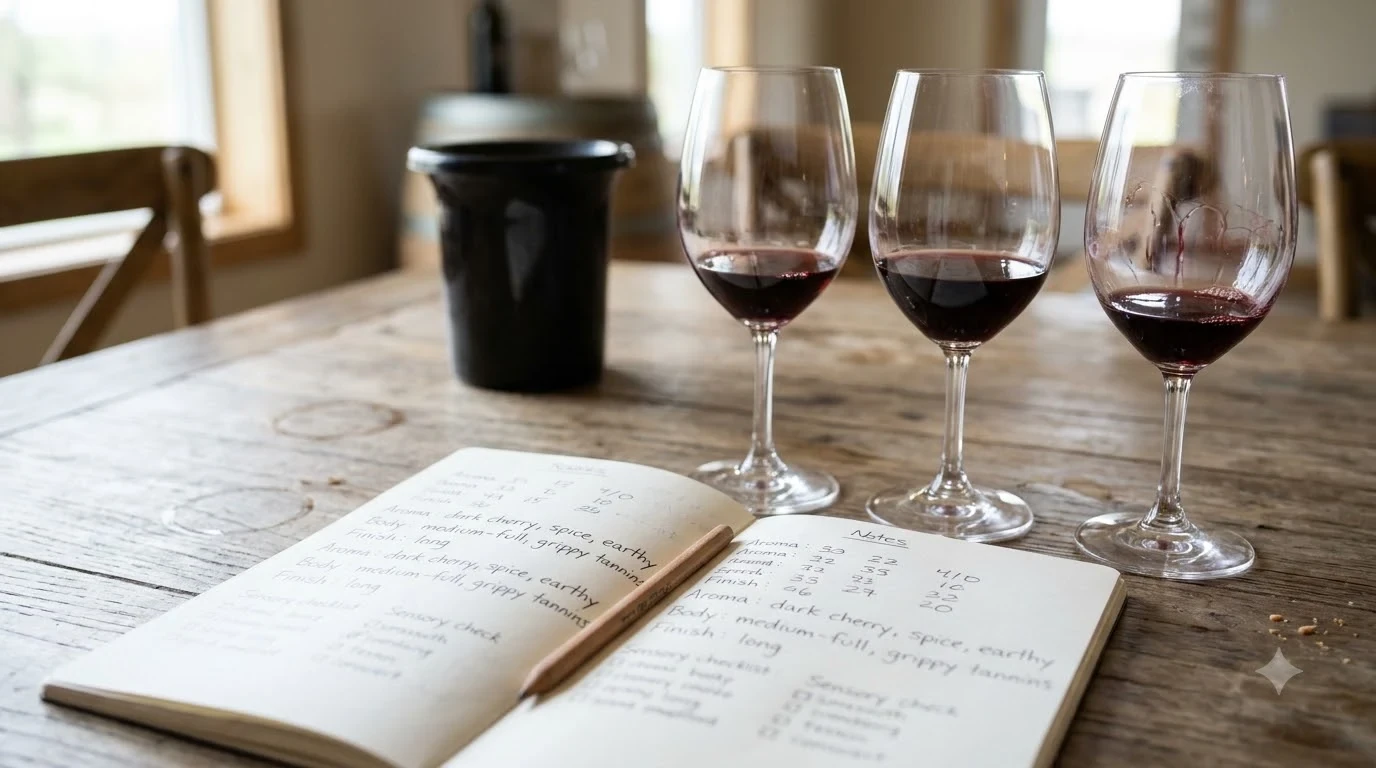
Keep tasting notes.
Record the winery, grape variety, wine name and characteristics you notice. Even a few words about acidity, body, fruit character and finish can help you remember which bottles you enjoyed when shopping later.
Tip: For a balanced first-time itinerary, schedule Groot Constantia in the morning, allow time for a proper meal, and reserve an afternoon tasting at Klein Constantia or Constantia Glen. Confirm the bookings and transport arrangements before setting out.
It also helps to avoid overloading the schedule with restaurant reservations and cellar tours at the same time. A guided experience has a fixed start time, while a leisurely tasting can be more flexible. Leave a buffer between appointments so that traffic, parking and conversations with winery staff do not turn the day into a race.
Visitors planning a longer South African wine trip can compare Constantia with other established American wine destinations. Our guides to the best Temecula wineries and best Paso Robles wineries offer useful examples of how tasting experiences differ between regions.
Types of Constantia Wineries and Their Wine Styles
Constantia’s estates differ in scale, setting and wine identity, but Sauvignon Blanc and other cool-climate expressions are particularly important to the area’s reputation. Understanding the main categories helps visitors select wineries that complement rather than duplicate one another.
Historic estates and traditional wine experiences
Groot Constantia is the clearest choice for visitors interested in the historical foundations of the region. The estate’s history reaches back to 1685, and its visitor offering combines wine tasting with heritage attractions. Its Manor House Museum and Cloete Cellar provide context that a conventional tasting room cannot replicate.
The estate’s five-wine tasting is a straightforward way to sample its production, while the chocolate and wine pairing offers another approach. That experience combines five selected wines with five handcrafted chocolates. Visitors can also purchase a Visitors Route ticket that includes museum access, cellar access and a guided or self-guided tour. The estate’s visitor experience information explains the available tasting and heritage options.
Cool-climate Sauvignon Blanc specialists
Klein Constantia is an important destination for visitors interested in Sauvignon Blanc and the influence of its vineyard environment. Its Signature Tasting includes Sauvignon Blanc, Rosé and Red Blend, together with Anwilka Red and Vin de Constance. The selection provides a broader introduction than a tasting focused on a single grape variety.
The estate also offers a Limited Edition Tasting featuring Cap Classique, Clara, Perdeblokke Sauvignon Blanc and Chardonnay. This is an appealing option for visitors who want to compare different expressions of white wine and sparkling wine within one structured session.
Historic sweet wine and collectible bottles
Vin de Constance is one of Constantia’s most distinctive wine experiences. This celebrated natural sweet wine gives the region a connection to an older tradition of premium dessert-wine production. It is particularly relevant for collectors and visitors who want to understand a style that differs considerably from the region’s dry white and red wines.
Klein Constantia’s vertical tasting is an especially useful way to explore the wine. The experience presents three vintages, allowing visitors to compare how the wine develops over time. For anyone interested in wine aging, vintage variation and the balance between sweetness and acidity, this is one of the most distinctive tasting formats in the valley. The estate’s wine tasting information describes its Signature, Limited Edition and vertical tasting options.
Boutique estates and contemporary wine experiences
Beau Constantia represents another side of the region. Its boutique setting above Constantia Nek offers views toward False Bay and makes it an attractive choice for travelers who appreciate a scenic estate visit. It is worth considering when building an itinerary around smaller producers and a contemporary atmosphere.
Buitenverwachting provides a contrasting vineyard setting on the east-facing slopes of the Constantiaberg. Its location, approximately 12 kilometers from False Bay according to Constantia Valley Tourism, illustrates the relationship between the mountain landscape and the surrounding coastal environment.
Food-focused winery visits
Constantia Glen is particularly suitable for guests who want a substantial food component alongside their tasting. Its menu includes cheese and charcuterie platters, salads, main dishes, desserts and flammkuchen, a thin flatbread baked in a wood-fired oven.
The estate’s five tasting formats offer different ways to explore the collection. The seven-wine Flagship Tasting provides a broad introduction, while the six-wine Full White Wine Tasting and five-wine Full Red Wine Tasting allow visitors to focus on a particular category.
Steenberg Vineyards is another useful addition for visitors interested in exploring the wider Constantia wine landscape. Its location close to central Cape Town makes it convenient for travelers who want to combine a wine estate visit with other activities in the southern suburbs.
Common Mistakes When Visiting Constantia Wineries
The biggest mistake is treating Constantia as a checklist rather than a wine destination to enjoy. A little advance planning prevents missed reservations, rushed tastings and disappointing transport arrangements.
One common problem is trying to visit too many estates in one day. Although the wineries are relatively close to Cape Town, tastings, cellar tours, meals and traffic all take time. Three full visits can easily occupy an entire day, particularly if each includes a guided experience or restaurant stop.
Another mistake is assuming every winery welcomes walk-in visitors. Klein Constantia specifically requires advance bookings because its tasting room has limited capacity. Constantia Glen also recommends booking ahead. A visitor arriving without a reservation may have fewer options during busy periods.
Some visitors also focus exclusively on red wines because they associate South African wine with powerful Cabernet Sauvignon or Shiraz. That approach misses a major part of Constantia’s identity. Sauvignon Blanc is an important regional style, and Vin de Constance offers a distinctive sweet-wine experience.
Ignoring the food offering can also make a visit less enjoyable. Tasting several wines on an empty stomach is not an ideal way to appreciate their differences. Constantia Glen provides food alongside wine, while Groot Constantia has restaurant options within the estate. Planning a proper meal between tastings creates a more comfortable schedule.
Another frequent oversight is overlooking the differences between tasting formats. A standard tasting, a vertical tasting and a cellar tour are not interchangeable. A vertical tasting compares different vintages of the same wine, while a conventional tasting usually introduces several wines from a producer’s range. Visitors should select the experience that matches their interests rather than booking solely on the basis of duration.
Finally, do not underestimate the importance of transportation. A wine-tasting itinerary should include a designated driver or professional transport. Planning transportation beforehand is safer and avoids the inconvenience of trying to arrange a ride between estates after the first tasting.
Care, Storage and Wine Buying Tips After Your Visit
Buying wine directly from an estate can be a memorable part of a Constantia visit, especially when the selection includes wines that are difficult to find elsewhere. Proper storage and a little attention to serving conditions will help preserve the bottles you bring home.
Start by deciding which bottles are intended for immediate enjoyment and which are worth keeping. Sauvignon Blanc is generally best appreciated for its fresh fruit character and lively acidity, although individual wines differ in their aging potential. More structured reds and premium sweet wines may benefit from additional cellaring, depending on the producer, vintage and style.
Store bottles in a cool, dark location with minimal temperature fluctuation. A temperature near 55 degrees Fahrenheit is a useful general target for long-term storage. Keep cork-sealed bottles on their sides when appropriate, particularly if they are intended for extended storage.
Serving temperature also matters. Light-bodied whites such as Sauvignon Blanc generally show well at 45 to 50 degrees Fahrenheit. Fuller-bodied whites are usually more expressive around 50 to 55 degrees Fahrenheit, while red wines are commonly served between 55 and 65 degrees depending on their structure and body.
Sweet wines deserve special attention. Vin de Constance should be served cool rather than excessively cold, allowing its aromatic character to emerge while retaining refreshing acidity. A small dessert-wine pour is often sufficient because the wine’s sweetness and concentration make it different from a conventional dry white.
Food pairing can also help visitors appreciate the wines they purchase. Sauvignon Blanc works well with goat cheese, fresh seafood and herb-driven dishes. Its acidity makes it a useful match for foods with citrus or vinaigrette components. Avoid pairing highly tannic red wines with oily fish, as the combination can produce an unpleasant metallic impression.
For red wines, consider the grape’s tannin level and the weight of the food. Cabernet Sauvignon generally has high tannin, while Merlot tends to be softer. Salt and fat can soften the perception of tannin, which explains why structured reds often work well with grilled beef and rich dishes.
After opening a bottle, refrigerate the remaining wine and use a suitable closure. Most opened still wines are best consumed within approximately three to five days, depending on their style and storage conditions. Sparkling wines generally retain their best qualities for a shorter period, usually around one to three days with an appropriate sparkling-wine stopper.
When buying several bottles, ask the winery about shipping options, export availability and the recommended storage conditions. International visitors should also consider airline baggage restrictions, customs allowances and the possibility of temperature exposure during travel. A bottle purchased at the estate is only a good souvenir if it reaches its destination in suitable condition.
For broader advice on selecting bottles for different budgets, occasions and drinking preferences, consult our wine-buying resource. Travelers exploring other American wine destinations can also use our guide to Fredericksburg wineries to compare regional tasting traditions.
Frequently Asked Questions
What is the oldest wine estate in Constantia?
Groot Constantia is recognized as the oldest wine-producing farm in the Southern Hemisphere by Constantia Valley Tourism. Its historical significance is also reflected in the Cape Dutch architecture and heritage collections preserved on the property.
What is the difference between Vin de Constance and ordinary dessert wine?
Vin de Constance is a historically significant Constantia natural sweet wine associated with Klein Constantia. It is made from Muscat de Frontignan grapes and is known for combining concentrated sweetness with freshness and aromatic complexity. Its distinctive grape variety and production tradition set it apart from many fortified dessert wines.
Can you visit Constantia wineries without joining a guided tour?
Yes. Several estates offer tasting-room experiences that do not require joining a full guided vineyard tour. Groot Constantia also provides a self-guided option for its Visitors Route, giving guests flexibility to explore the historical attractions at their own pace.
Which Constantia wine should you buy as a souvenir?
Vin de Constance is a particularly distinctive choice because of its connection to Constantia’s historic sweet-wine reputation. Sauvignon Blanc is another recognizable regional style and can be a practical choice for visitors who prefer dry wines. The best selection depends on the recipient’s preferences and whether the bottle is intended for immediate drinking or cellaring.
Is Constantia part of the Cape Winelands?
Constantia is part of the Western Cape’s broader wine-producing landscape and is commonly included in Cape Winelands itineraries. Unlike destinations farther from Cape Town, it is located within the city’s southern metropolitan area. This makes it one of the most accessible wine regions for travelers based in the city.
The best Constantia wineries offer much more than a chance to sample South African wine. Groot Constantia provides an essential historical introduction, Klein Constantia showcases the region’s celebrated Vin de Constance, and Constantia Glen combines wine with a relaxed dining experience. Choose two or three estates that match your interests, reserve the appropriate tastings and allow enough time to enjoy the scenery, food and wines that make this corner of Cape Town special.
More in Wine Buying Guides
 Best Dry Red Wine at Costco for Every Taste and OccasionUpdated Nov 21, 2026
 Best Crete Wineries for Exceptional Local Wine ExperiencesUpdated Nov 21, 2026
 Best Dessert Wine Under 20 for Every Sweet OccasionUpdated Nov 21, 2026
 Best Dessert Wine Brands for Every Sweet Wine StyleUpdated Nov 21, 2026
 Best Chalk Hill Wineries for Exceptional Sonoma Wine TastingsUpdated Nov 21, 2026
 Best Chianti Classico Wineries: How to Pick Top Tuscan Bottles by Village and StyleUpdated Nov 21, 2026