

We may earn a commission when you buy through links on this page, at no extra cost to you. Learn more.
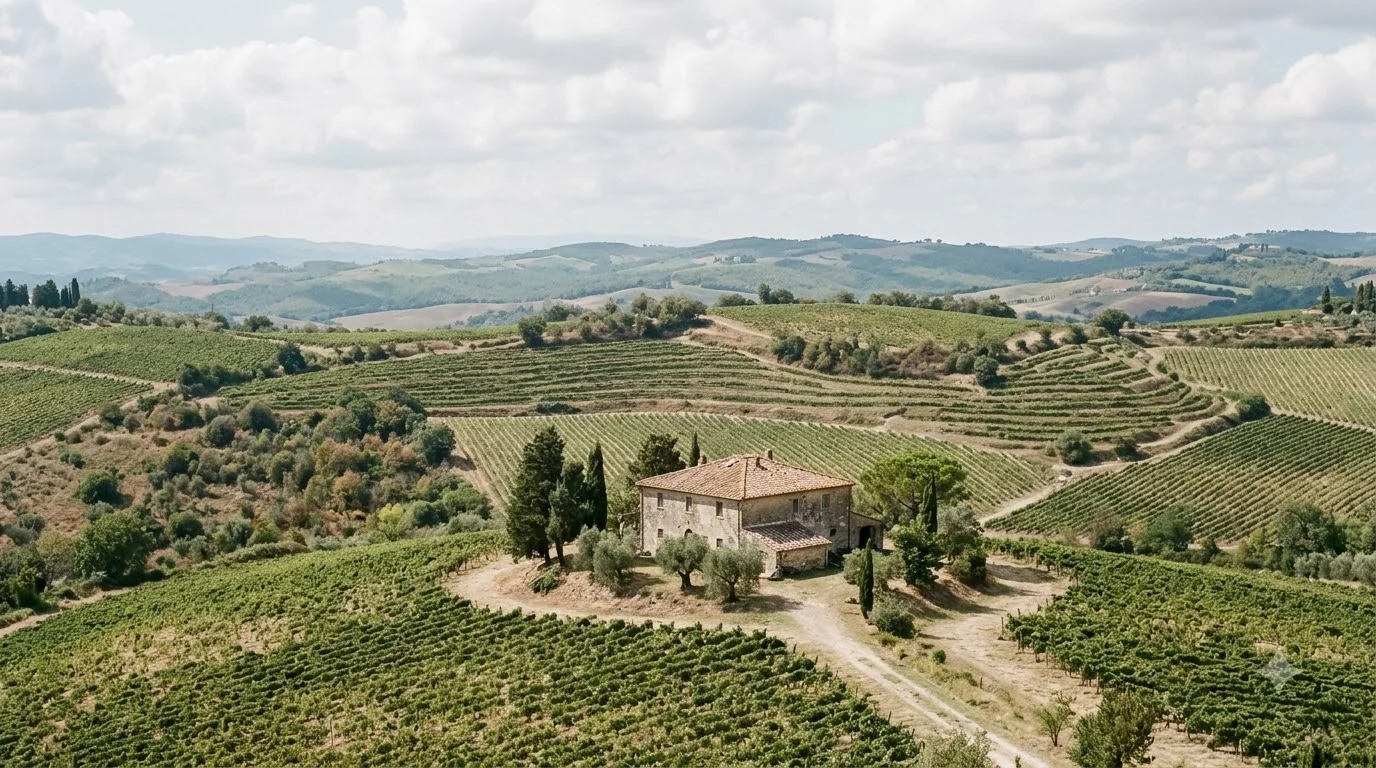
The best chalk hill wineries to explore are Chalk Hill Estate Vineyards, Lancaster Estate, Roth Estate Winery, and Vérité Winery in Sonoma County, California. Each offers a different way to discover this distinctive wine-growing area, from estate Chardonnay and Cabernet Sauvignon to structured Bordeaux-style blends. The Chalk Hill AVA is particularly appealing to visitors who want vineyard scenery, expressive wines, and a more focused alternative to touring Sonoma’s larger wine destinations.
Chalk Hill sits in northeastern Sonoma County, near Healdsburg, where volcanic-influenced soils, varied elevations, and a relatively warm microclimate help shape the character of its wines. Although the region is associated with the Russian River Valley, its growing conditions create a distinctive identity, particularly for Chardonnay and Bordeaux grape varieties. Planning a visit means considering more than the winery name: tasting format, vineyard access, wine selection, location, and reservation requirements all influence the experience. This guide explains which wineries deserve attention, what to compare, and how to organize a rewarding visit.
Who Should Visit the Best Chalk Hill Wineries
Chalk Hill is an excellent destination for wine enthusiasts interested in estate-grown Chardonnay, Cabernet Sauvignon, and Bordeaux-inspired reds. Its compact collection of wineries also makes it attractive to visitors who prefer a focused wine-country itinerary rather than spending an entire day driving between distant tasting rooms.
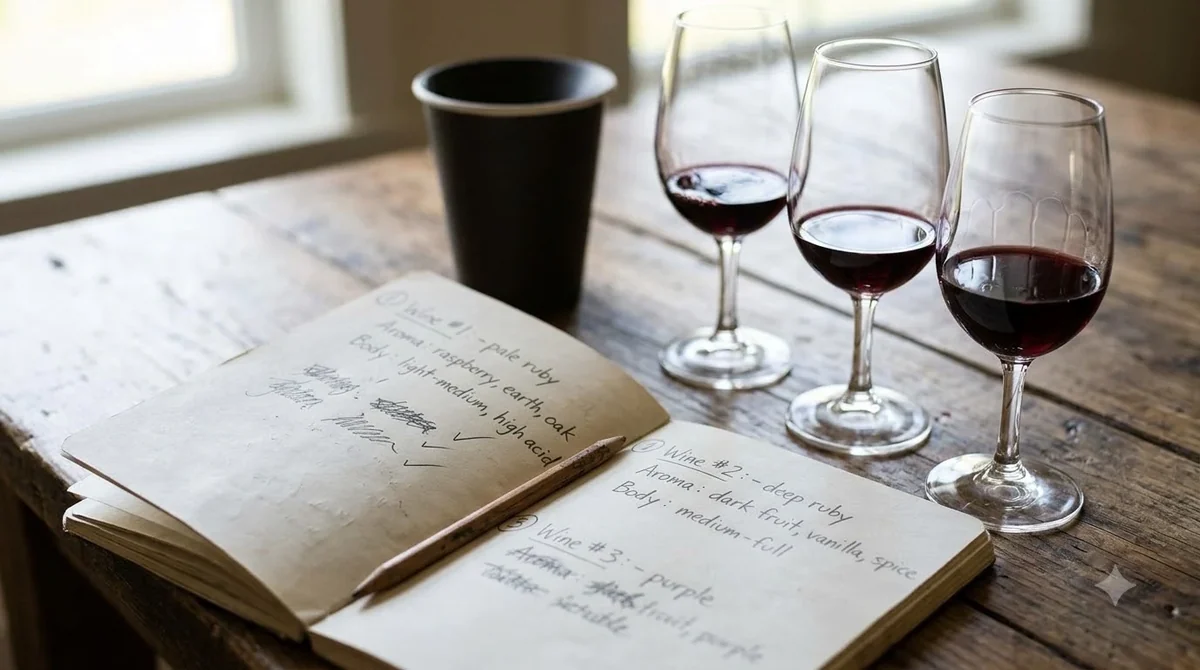
Chalk Hill Estate Vineyards is a natural starting point. Located at 10300 Chalk Hill Road in Healdsburg, the estate offers a substantial property, elevated vineyard views, and several structured tasting experiences. Its wine selection includes Chardonnay, Sauvignon Blanc, and Bordeaux-inspired reds, making it a useful introduction to the area’s diversity. Visitors particularly interested in comparing Chardonnay styles can look for experiences featuring several small-lot bottlings.
Lancaster Estate is another winery to investigate when planning a Chalk Hill visit. The Healdsburg Chamber lists its address as 15001 Chalk Hill Road, placing it within the local winery cluster. It is a worthwhile name to include in a shortlist for visitors interested in exploring the area’s red-wine identity. Confirm its current tasting arrangements and availability directly before making the drive.
Roth Estate Winery is listed at 10309 Chalk Hill Road by the Healdsburg Chamber. Its location makes it a practical candidate for an itinerary centered on the Chalk Hill Road corridor. Visitors should establish whether the available experience emphasizes a seated tasting, vineyard hospitality, or another format before scheduling their day.
Vérité Winery is another important name associated with the Chalk Hill region. The Healdsburg Chamber lists its address as 4611 Thomas Road, Healdsburg. Its location differs from the Chalk Hill Road cluster, so it is sensible to plan its visit separately rather than assuming that all four wineries are immediately adjacent.
Calluna is also worth researching for wine enthusiasts interested in the region’s Bordeaux varieties. Its vineyard information describes the local conditions that support Cabernet Sauvignon, Merlot, Cabernet Franc, Malbec, and Petit Verdot. However, vineyard presence should not be confused with guaranteed public tasting access. Check the winery’s visitor arrangements before adding it to a tasting schedule.
For first-time visitors, two winery appointments in one day are generally more manageable than attempting to visit every producer. This allows enough time to compare wines, enjoy the scenery, and travel between properties without rushing through each experience. Travelers researching other American wine destinations can also compare the best Hill Country wineries to understand how a different wine region approaches vineyard visits and tasting hospitality.
Key Factors to Compare Before Choosing a Winery
The most useful way to compare Chalk Hill wineries is to consider wine specialization, vineyard setting, tasting format, and appointment arrangements. The region has a relatively small number of wineries, so understanding each property’s strengths matters more than simply collecting the largest number of tasting stops.
| Winery or producer | Location | What to investigate | Best suited to |
|---|---|---|---|
| Chalk Hill Estate Vineyards | 10300 Chalk Hill Road | Estate Chardonnay, Bordeaux reds, vineyard experiences | First-time visitors and estate-wine enthusiasts |
| Lancaster Estate | 15001 Chalk Hill Road | Current tasting options and red-wine selection | Visitors exploring the Chalk Hill Road area |
| Roth Estate Winery | 10309 Chalk Hill Road | Current wine lineup and tasting arrangements | Visitors comparing local producers |
| Vérité Winery | 4611 Thomas Road | Appointment availability and wine selection | Wine enthusiasts planning a dedicated visit |
| Calluna | Chalk Hill vineyard area | Bordeaux varieties and vineyard character | Visitors researching site-specific red wines |
The regional context is useful when interpreting the table. According to Sonoma County Winegrowers, Chalk Hill has 1,491 vineyard acres and five wineries. The appellation received recognition in 1983, and its northeastern Russian River Valley location gives it a somewhat warmer growing environment than the cooler portions of the broader region.
Wine selection and vineyard character
Start by identifying the grapes you most want to explore. Chardonnay is one of the area’s signature varieties, while Sauvignon Blanc provides another perspective on its white-wine production. For red-wine drinkers, Cabernet Sauvignon and other Bordeaux varieties offer a particularly interesting reason to visit.
Also consider whether a producer offers estate-grown wines, single-vineyard bottlings, or blends. These categories can provide different perspectives on the relationship between vineyard location and finished wine. A comparison of two Chardonnays from different vineyard blocks, for example, can reveal differences in fruit expression, texture, acidity, and oak influence.
Experience and hospitality
A standard tasting is not necessarily the best choice for every visitor. Some guests want a relaxed introduction to several wines, while others prefer a more detailed conversation about farming, soil, and winemaking. Chalk Hill Estate provides a useful example of this range through its Vineyard Overlook Tasting and Estate and Garden Hummer Tour and Tasting.
Ask about tasting duration, group limits, outdoor seating, and food availability. These details become especially important when traveling with several people or coordinating multiple winery appointments. Visitors planning a trip to Texas can also explore the best Texas Hill Country wineries for another perspective on regional wine experiences.
Step-by-Step Guide to Planning a Chalk Hill Winery Visit
A successful Chalk Hill trip starts with selecting a manageable number of wineries and building the schedule around confirmed appointments. Two tasting experiences, a planned lunch break, and sufficient travel time generally provide a better day than trying to fit in every available property.
-
Choose your main wine interest.
Decide whether Chardonnay, Sauvignon Blanc, Cabernet Sauvignon, or Bordeaux-style blends are your priority. Chalk Hill Estate is a sensible first stop for visitors wanting to compare several estate wines. Red-wine enthusiasts can also research Lancaster Estate, Roth Estate, and Vérité before deciding which appointments suit their interests.
-
Research each property’s current visitor arrangements.
Visit the official winery websites and review the available tasting descriptions. Look for differences between standard flights, reserve tastings, vineyard tours, and food-pairing experiences. Do not assume that a winery listed in a regional directory automatically accepts walk-ins or offers the same experience throughout the week.
-
Make reservations where appropriate.
For Chalk Hill Estate, reservations are encouraged even though walk-ins are welcome. Its Vineyard Overlook experience lasts 90 minutes, while its Estate and Garden Hummer Tour and Tasting takes two hours. Booking ahead is particularly sensible for a weekend or a larger party.
-
Build a realistic route.
Use the winery addresses to organize the day. Lancaster Estate and Roth Estate are both listed on Chalk Hill Road, while Vérité is on Thomas Road. Keep the geographic layout in mind when deciding which properties should be visited consecutively.
-
Plan a food break.
Food is an important part of a tasting itinerary, especially if the day includes multiple red wines. Arrange lunch before or after the main tasting appointments. Chalk Hill Estate lists culinary additions to selected experiences, so visitors can investigate whether an estate pairing suits their schedule.
-
Compare wines systematically.
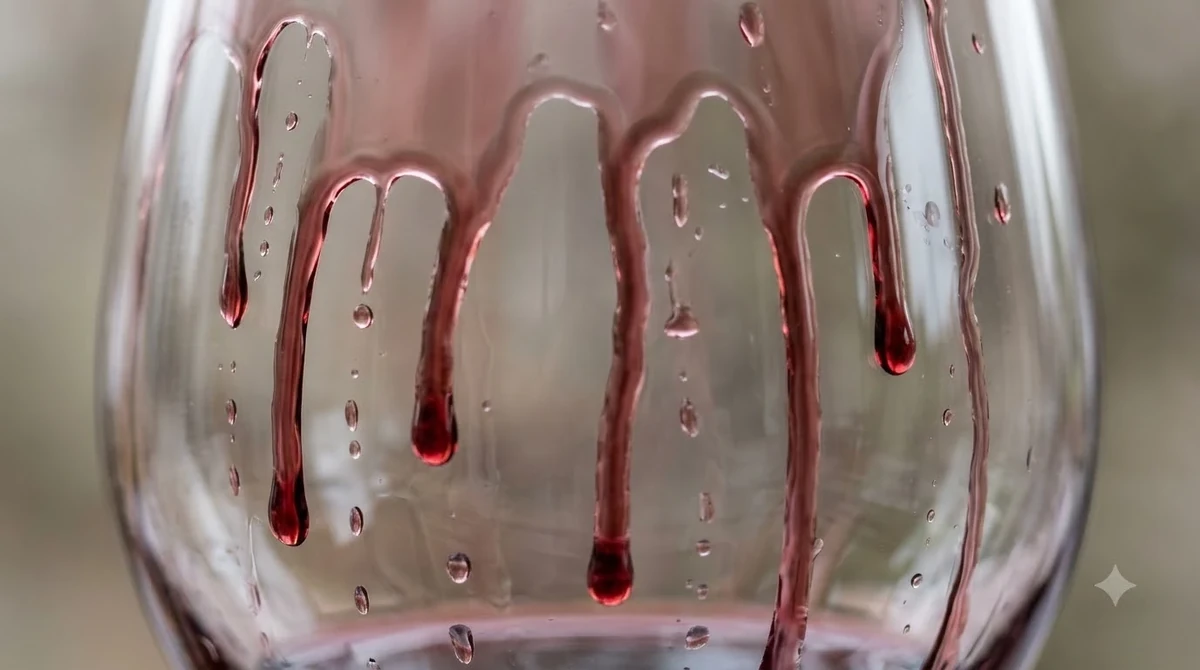
Write down the grape variety, producer, vintage, acidity, tannin, body, and finish. When comparing two Chardonnays, consider oak influence and texture. When comparing Cabernet Sauvignon and Merlot, pay attention to tannin structure and the balance between fruit and acidity.
-
Allow time for the surroundings.
Chalk Hill’s appeal extends beyond the tasting counter. Give yourself time to appreciate the hillside vineyards, changing elevations, and landscape. If the property offers a vineyard-focused experience, consider choosing it over another standard flight.
Tip: Build your itinerary around confirmed appointments rather than assuming every winery offers walk-in tastings. Allow approximately 90 minutes for a substantial seated experience and add travel time between properties. Two well-planned visits often provide a more rewarding comparison than four rushed stops.
Transportation deserves attention, too. Wine-country roads can be unfamiliar, and tasting appointments may involve several hours of wine service. Arrange a designated driver or professional transportation rather than relying on spontaneous rides between wineries. Chalk Hill Estate specifically advises visitors that rideshare pickup availability can be inconsistent.
Chalk Hill Wine Styles and Regional Characteristics
Chalk Hill’s distinctive growing conditions make it especially interesting for Chardonnay and Bordeaux grape varieties. Understanding the local climate and soil helps explain why wines from this part of Sonoma County can differ from bottles produced in cooler neighboring districts.
Chardonnay: The signature white wine
Chardonnay is a strong starting point for understanding Chalk Hill. The area’s combination of warmer conditions, varying vineyard exposures, and distinctive soils provides opportunities for producing wines with ripe fruit character and substantial texture while retaining freshness.
When comparing estate Chardonnays, pay attention to acidity, oak, and mouthfeel. Some wines emphasize citrus, apple, and restrained oak, while others show richer stone-fruit characteristics, creamy textures, and more pronounced barrel influence. Neither approach is automatically superior. The right choice depends on whether you prefer freshness and precision or a fuller, more rounded style.
Chardonnay also makes a useful food wine. Its medium acidity generally works well with roast chicken, grilled seafood, creamy pasta, and moderately rich cheeses. Serve full-bodied Chardonnay around 50 to 55 degrees Fahrenheit to retain its freshness without suppressing its aromas.
Sauvignon Blanc: Freshness and aromatic character
Sauvignon Blanc offers a contrasting style to Chardonnay. It generally emphasizes brighter acidity and fresh citrus, herbal, and sometimes tropical-fruit characteristics. Its freshness makes it especially useful with seafood, goat cheese, salads, and vegetable dishes.
For a regional tasting comparison, try Sauvignon Blanc before richer Chardonnays. This ordering can help preserve the perception of freshness and make it easier to recognize differences in acidity, body, and oak treatment. A serving temperature of 45 to 50 degrees Fahrenheit is appropriate for a lighter white wine.
Cabernet Sauvignon and Bordeaux varieties
Chalk Hill’s relatively warm conditions support the ripening of red Bordeaux grapes. Cabernet Sauvignon, Merlot, Cabernet Franc, Malbec, and Petit Verdot are all relevant to understanding the area’s red-wine potential.
Cabernet Sauvignon typically brings pronounced tannin, dark-fruit flavors, and substantial structure. Merlot is generally softer, with medium tannin, while Cabernet Franc can contribute aromatic complexity and freshness to blends. Malbec and Petit Verdot provide additional blending possibilities.
Calluna’s regional vineyard explanation highlights the role of elevation and cooling Pacific Ocean breezes in moderating temperatures. Its description of clay-loam soils underlain by fractured shale and sandstone also illustrates why the geology of individual vineyards matters. For more regional context, consult the Sonoma County Winegrowers’ guide to regional terroir.
Understanding the chalk-like soils
The name Chalk Hill can create the impression that the region is defined by conventional limestone soils. The regional description instead emphasizes rocky, chalk-like geological characteristics. Chalk Hill Estate describes its soils as including quartzite-rich volcanic ash, sand, and loam.
These differences are important because wine regions are not defined by grape varieties alone. Elevation, drainage, temperature patterns, exposure, and soil structure all influence how vines develop. Even within a relatively compact appellation, two vineyards can produce different results.
For visitors, the practical lesson is to ask about vineyard origin when tasting. A producer’s explanation of individual blocks, slopes, and grape varieties can make a tasting more informative than simply memorizing a list of flavor descriptors.
Common Mistakes When Choosing Chalk Hill Wineries
The biggest planning mistakes involve confusing the broader Russian River Valley with the Chalk Hill AVA, assuming every producer has identical tasting arrangements, and scheduling too many appointments. A little research helps prevent wasted travel time and makes the wine comparisons more meaningful.
Assuming every Russian River Valley wine is from Chalk Hill
Chalk Hill is associated with the northeastern portion of the Russian River Valley, but the larger appellation contains many different growing environments. A bottle labeled Russian River Valley does not automatically come from Chalk Hill. Look for the specific appellation designation when comparing wines.
This distinction matters because cooler areas of the Russian River Valley are particularly associated with Chardonnay and Pinot Noir, while Chalk Hill’s relatively warm conditions are also favorable to Bordeaux varieties. The differences in climate can affect ripening, acidity, body, and tannin development.
Judging every Chardonnay by the same standard
One of the most common mistakes is assuming that all quality Chardonnay should taste buttery or heavily oaked. Chalk Hill wines should be assessed according to their individual balance, not a single preferred style.
Compare acidity, fruit concentration, oak integration, and texture. A fresher Chardonnay can be just as interesting as a richer, barrel-influenced bottle. If you are buying wine for a meal, consider the sauce and cooking method rather than choosing solely by the grape name.
Overloading the itinerary
Scheduling four or five tastings in one day may seem efficient, but it often reduces the opportunity to appreciate individual wines. A 90-minute estate tasting already takes a meaningful portion of the day, and a two-hour vineyard tour requires additional flexibility.
Instead, select two primary wineries and keep a third as an optional stop only if time and appointment availability allow. This approach also leaves room for lunch and a slower drive through the surrounding countryside.
Ignoring appointment details
Not all winery experiences have the same requirements. Some may be reservation-based, while others may accept walk-ins. Group limits, cancellation policies, outdoor seating, and available wine selections can also differ.
Confirm the details directly with the winery rather than relying on old visitor information. Pay particular attention to the distinction between a standard tasting and a private or vineyard-focused experience.
Buying wine without considering its intended use
A powerful Cabernet Sauvignon may be an excellent choice for a collection or a hearty dinner, but it may not suit every meal. A high-tannin red can overpower delicate seafood, while a fresh Sauvignon Blanc may be a better match for lighter dishes.
For red wines, consider the tannin and structure. Cabernet Sauvignon usually benefits from richer foods, and salt and fat can soften the perception of tannin. For dessert, select a wine at least as sweet as the dish so that the wine does not taste harsh or sour by comparison.
Wine Storage and Serving Tips for Chalk Hill Bottles
Proper serving and storage help preserve the qualities that make Chalk Hill wines interesting. Chardonnay, Sauvignon Blanc, and Cabernet Sauvignon all benefit from appropriate temperatures, careful storage, and sensible handling after opening.
Serving temperatures
Full-bodied Chardonnay is generally best served at 50 to 55 degrees Fahrenheit. Lighter Sauvignon Blanc works well at 45 to 50 degrees, while full-bodied Cabernet Sauvignon and Bordeaux-style blends are better around 60 to 65 degrees.
A common mistake is serving red wine too warm. Room temperature in a heated home can be considerably higher than the ideal serving range, making alcohol seem more prominent and reducing the impression of freshness. A short period of cooling before serving can improve the balance.
Decanting structured reds
Young, full-bodied Cabernet Sauvignon and other substantial red blends can benefit from 30 to 60 minutes of decanting. This allows the wine to interact with oxygen and can make its aromas easier to appreciate.
Decanting is not mandatory for every bottle. Lighter Merlot-based wines may need less time, while older bottles require a more careful approach because extended exposure to oxygen can diminish delicate aromas.
Storage conditions
Store unopened wine near 55 degrees Fahrenheit in a cool, dark location with stable temperatures. Avoid direct sunlight, excessive heat, and frequent temperature changes. Bottles sealed with natural cork are generally best stored horizontally to keep the cork in contact with the wine.
For opened bottles, refrigeration helps slow oxidation. A practical general guideline is to finish sparkling wine within one to three days, still wines within three to five days, and fortified wines over several weeks, depending on their condition and storage.
Choosing the right glass
A medium-to-large bowl is useful for Chardonnay and Cabernet Sauvignon because it gives the wine room to release its aromas. A smaller white-wine glass can help retain the freshness of Sauvignon Blanc. For most still wines, a 5-ounce pour provides enough room in the glass to evaluate the aromas without filling it excessively.
When buying several bottles during a winery trip, think about when each will be opened. A fresh white wine may be intended for an upcoming seafood dinner, while a structured Cabernet Sauvignon could be reserved for a special meal. Keeping those purposes in mind makes it easier to choose bottles that will be enjoyed rather than simply collected. Visitors considering Southern California wine country can also browse the best Temecula wineries to compare another destination known for winery visits and tasting experiences.
Frequently Asked Questions
Is Chalk Hill an independent American Viticultural Area?
Yes. Chalk Hill received its own AVA designation in 1983. It is also geographically associated with the northeastern part of the Russian River Valley, giving wines from the area a more specific regional identity than the broader appellation alone.
Does Chalk Hill have a connection to volcanic geology?
Yes. The region’s chalk-like appearance is associated with pale volcanic materials rather than conventional chalk limestone. Quartzite-rich volcanic ash is part of the geological description provided by Chalk Hill Estate, helping distinguish the area from many other Sonoma wine-growing locations.
Is Chalk Hill suitable for collecting California Cabernet Sauvignon?
It can be an interesting region for collectors who appreciate structured California Cabernet Sauvignon and Bordeaux-style blends. Vineyard elevation, vintage conditions, producer choices, and cellar management all influence aging potential, so evaluate individual bottles rather than assuming every wine from the appellation has the same lifespan.
What is the difference between Chalk Hill and Knights Valley?
Both are Sonoma County wine-growing areas associated with relatively warm conditions and Bordeaux varieties, but they are separate appellations with distinct geographical boundaries. Knights Valley is located farther east near Mount Saint Helena, while Chalk Hill occupies the northeastern portion of the Russian River Valley.
Can Chalk Hill wines be enjoyed without aging them for several years?
Yes. Many white wines and approachable red bottlings are made to be enjoyed relatively young. Aging is a choice rather than a requirement, and the ideal drinking window depends on the producer, vintage, grape variety, and winemaking approach. Follow the producer’s recommendations for specific bottles.
The best Chalk Hill winery experience depends on the wines and setting you want to explore, but Chalk Hill Estate, Lancaster Estate, Roth Estate, and Vérité provide a useful starting shortlist. Focus on confirmed appointments, compare Chardonnay with the region’s Bordeaux varieties, and leave enough time to appreciate the landscape. With a thoughtful itinerary, Chalk Hill offers a distinctive introduction to one of Sonoma County’s most interesting wine-growing areas.
More in Wine Buying Guides
 Riesling Gift: Choose a Bottle They’ll LoveUpdated Nov 21, 2026
 Sweet Red Wine Gift: Choose a Bottle They’ll LoveUpdated Nov 21, 2026
 Malbec Gift: How to Choose a Memorable Bottle for Any OccasionUpdated Nov 21, 2026
 Sherry Gift Ideas That Match Every Wine LoverUpdated Nov 21, 2026
 Moscato Gift: How to Choose a Sweet Wine They’ll LoveUpdated Nov 21, 2026
 Merlot Gift: How to Choose a Bottle They’ll AppreciateUpdated Nov 21, 2026