

We may earn a commission when you buy through links on this page, at no extra cost to you. Learn more.
Colterris wine comes from an estate winery in Palisade, Colorado, making Bordeaux-style reds from Cabernet Sauvignon along with a barrel-fermented Chardonnay and a rosé. The winery says all of its wines are 100% estate grown, produced, and bottled on its vineyards along the Colorado River. The Cabernet is fruit-forward and bold, while the Chardonnay is rich, with stone fruit and toasted almond notes.
Colterris is a name many wine drinkers in the United States may not know yet, because it sits outside the coastal regions that dominate the national conversation. If you are curious about a Colorado estate wine, or you have seen the label and want to know what to expect, this guide covers the winery’s location, its main wines, how to serve and pair them, and how to decide whether the style suits your table.
Where Colterris Is Located
Colterris is an estate winery in Palisade, Colorado, a farming town on the western slope of the state. The winery’s own site describes the vineyards as sitting along the Colorado River at about 4,800 to 5,000 feet of elevation, and the estate has more than 75 acres of vines. That elevation is high by most winemaking standards, and it gives the region a large day-to-night temperature swing, which helps grapes keep their acidity while they ripen.
The winery operates three sites: the production winery and tasting room on North River Road, the Overlook tasting room on East Orchard Mesa, and the Collections tasting room near downtown on G Road. Those locations matter if you plan to visit, since the tasting rooms are where guests can compare the lineup in person.
The Colorado Wine Context
The Colorado wine industry describes its vineyards as sitting in sunlit valleys and cool, breezy plateaus, and it calls the vineyards mountain-fed. That description fits a region where summer days are bright and nights are cool. The state’s official wine site also offers a map of its wine regions and a winery finder, which is a useful starting point for anyone exploring Colorado producers beyond a single estate.
For a shopper, the context helps explain the style. Grapes grown at high elevation often keep more acidity than those from warmer, lower sites, and that can give reds a fresher finish even when the fruit is bold.
The Colterris Lineup
The winery’s lineup centers on Cabernet Sauvignon and Chardonnay, with a white Cabernet Sauvignon rosé in the mix. The reds include a Cabernet Sauvignon, a red labeled Coloradeaux, and an old-vine Cabernet Sauvignon. The white side includes a barrel-fermented Chardonnay that the winery describes as rich and textured.
The Bordeaux-style approach shows in the grape choice and the blending. Cabernet Sauvignon is the lead variety in Bordeaux’s classic red blends, and Colterris uses it as the backbone of its reds. The winery notes that every bottle is 100% estate grown, produced, and bottled, which gives the brand a clear link between the vineyard and the glass.
Flavor and Style of the Reds
The winery describes its Cabernet as fruit-forward and bold, with dark and red fruit and subtle notes of coffee and leather. That profile is typical of a warm-climate Cabernet that has spent time in oak. Expect a full-bodied red with firm structure, enough fruit to be approachable young, and a savory finish that rewards food.
The old-vine Cabernet is a step up in concentration, and the winery places it at the top of its red range. Old vines usually produce fewer grapes with more concentrated flavor, so the wine tends to feel deeper and longer. If you are choosing between the red bottlings, the old-vine style is the one to save for a special meal.
Flavor and Style of the Whites
The barrel-fermented Chardonnay is described as rich, with stone fruit, melon, and toasted almond notes. Barrel fermentation gives white wine more body and a creamy texture, and the toasted character comes from time in oak. It is a more structured white than a light, unoaked Chardonnay, and it suits guests who enjoy a fuller wine.
The rosé is made from Cabernet Sauvignon, which gives it a different character from the typical rosé made from lighter red grapes. Expect a pink wine with more body and a savory edge, suitable for a warm-weather meal.
How to Serve Colterris Wine
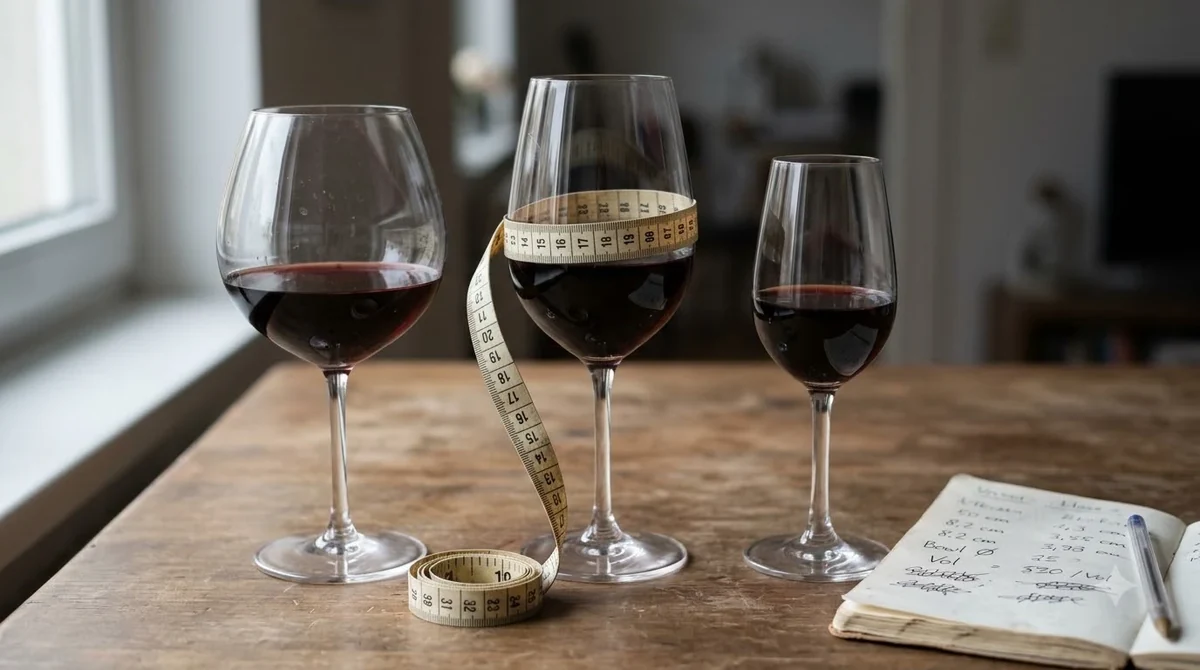
Serve the Cabernet at cellar temperature, slightly cooler than room temperature. Put the bottle in the refrigerator for about 20 to 30 minutes before pouring if the room is warm. Use a large red wine glass so the aromas open up as the wine warms in the glass.
Serve the barrel-fermented Chardonnay chilled, but not very cold, since a cold glass can mute its toasted and fruit notes. The rosé is best served well chilled, which keeps its fruit lively and its texture refreshing. Pour all three styles into the glass that matches the wine, and avoid leaving bottles in direct sunlight before serving.
Food Pairings for Colterris Wines
The Cabernet pairs well with grilled steak, roast lamb, and hearty dishes with mushrooms or aged cheese. Its firm structure stands up to rich food and smoky flavors, and its fruit keeps the pairing from feeling heavy. Barbecue and charred vegetables are also good matches when the sauce is not too sweet.
The Chardonnay works with roast chicken, creamy pasta, and seafood such as lobster or scallops with butter. The toasted almond note matches nutty dishes and roasted vegetables. The rosé suits lighter meals, grilled fish, and salads with fresh herbs.
Choosing Between the Colterris Styles
Choosing a bottle depends on the meal and the guests. The table below compares the main styles on the points that matter most when you plan a dinner or a tasting.
| Style | Character | Good with |
|---|---|---|
| Cabernet Sauvignon | Full-bodied, dark and red fruit, coffee and leather notes | Steak, lamb, aged cheese |
| Old-vine Cabernet | Deeper and more concentrated, longer finish | Special dinners, rich roasts |
| Barrel-fermented Chardonnay | Rich, stone fruit, melon, toasted almond | Roast chicken, creamy pasta, seafood |
| Rosé from Cabernet | Pink, fuller than typical rosé, savory edge | Grilled fish, salads, summer meals |
Tip: If you are bringing wine to a mixed group, a Chardonnay and a rosé cover most of the table, and one Cabernet is enough for the red drinkers. This keeps the spread simple without sacrificing variety.
If you want to compare Colterris with other American estates, a Texas winery and a Napa producer offer useful reference points for how regional climate and style shape the bottle. The wine brands guide on this site is another way to see how producers differ.
Frequently Asked Questions
Where is Colterris wine made?
Colterris is made at an estate winery in Palisade, Colorado, along the Colorado River. The winery says all of its wines are 100% estate grown, produced, and bottled.
What grapes does Colterris use?
The lineup centers on Cabernet Sauvignon and Chardonnay. The winery also makes a rosé from Cabernet Sauvignon and a red labeled Coloradeaux.
Is Colterris Cabernet a bold red?
Yes. The winery describes its Cabernet as fruit-forward and bold, with dark and red fruit and subtle coffee and leather notes, so it suits hearty meals.
Can I visit Colterris?
The winery operates tasting rooms in Palisade, including the production winery on North River Road, the Overlook tasting room on East Orchard Mesa, and the Collections tasting room on G Road. Check the winery’s site for current hours before you go.
Colterris wine is a good choice for drinkers who want an estate-focused Colorado bottle with a clear Bordeaux-style character. Serve the reds at cellar temperature, chill the whites and rosé, and pair each style with food that matches its weight. For the winery’s own details and tasting room information, the Colterris website is the most direct source, and the Colorado wine site gives the regional background.
More in Wine Brands
 Underwood Wine Price: Compare Bottles, Cans, and Pack SizesUpdated Nov 21, 2026
 Zenato Wine Price: Compare Styles and Choose the Right BottleUpdated Nov 21, 2026
 Zuccardi Wine Price: Compare Bottles and Find the Right RangeUpdated Nov 21, 2026
 Yellow Tail Moscato Review: Taste, Sweetness and Serving TipsUpdated Nov 21, 2026
 Wolf Blass Yellow Label Review: Choose Your Best StyleUpdated Nov 21, 2026
 Wolffer Estate Rose Review: Choose the Right Bottle for Your TableUpdated Nov 21, 2026