

We may earn a commission when you buy through links on this page, at no extra cost to you. Learn more.
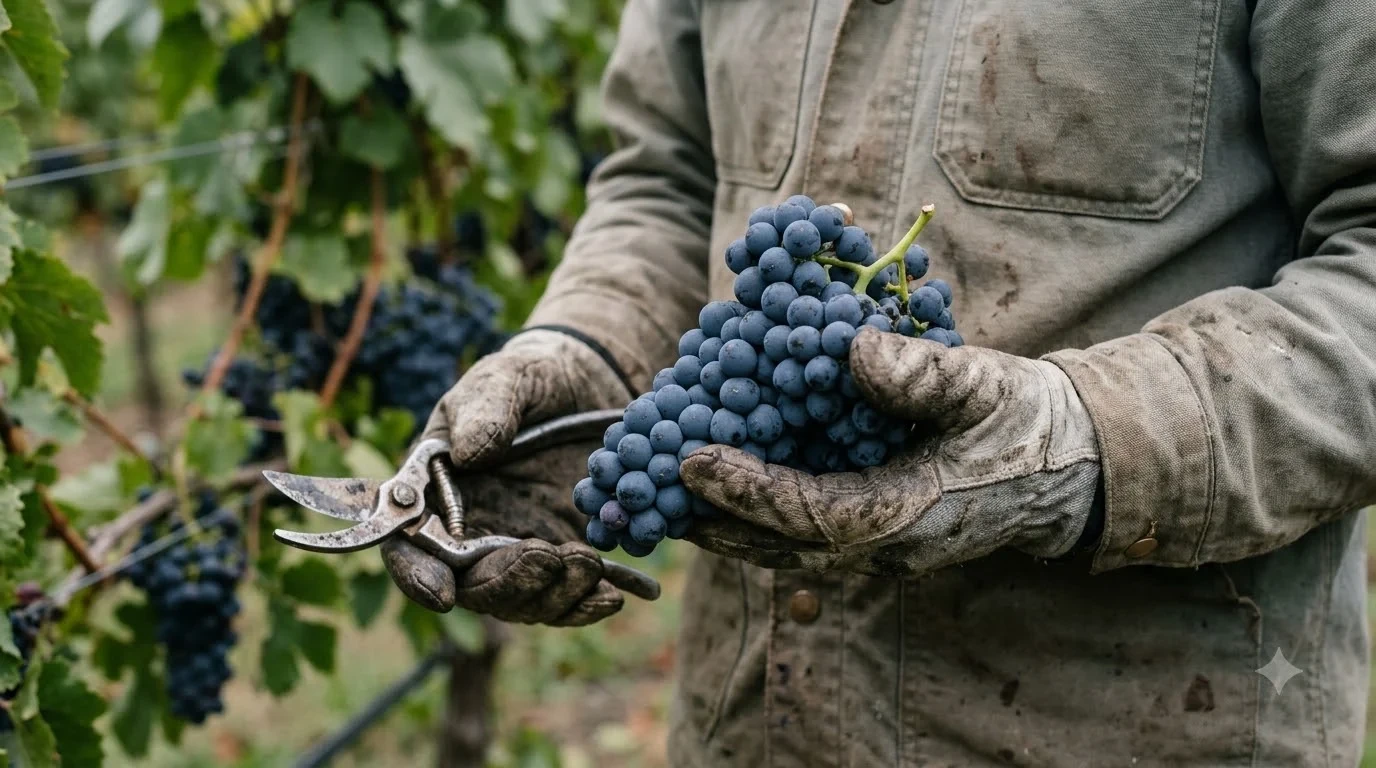
Colorado wine is produced from vineyards in the high-elevation valleys and plateaus of the state, with the Grand Valley AVA near Palisade as its oldest and best-known region. Most vineyards sit between about 4,000 and 7,000 feet above sea level, which gives cool nights and sharp acidity. Winemakers grow both classic European varieties such as Merlot, Cabernet Sauvignon and Riesling, and cold-hardy hybrids that survive harsh winters. This guide covers the regions, grapes, history and styles you are most likely to meet on a shelf or a tasting-room list.
Colorado is not the first state most wine drinkers think of, yet its wine industry is older than many people expect and has grown into a large part of the state’s agriculture and tourism. The combination of altitude, dry air and wide temperature swings makes growing grapes here a real challenge, and that challenge shapes the bottles. If you want to see how place influences flavor across the country, our Wine Regions section explains the wider picture. The state’s official wine site, coloradowine.com, describes the wine country as sunlit valleys and cool, breezy plateaus with mountain-fed vineyards. For a closer look at the vineyards themselves, start with Colorado vineyards.
Where Colorado Wine Grows
Colorado has a small number of officially recognized appellations, and most of its wine comes from a few broad areas. The Grand Valley AVA, recognized in 1991, was the state’s first American Viticultural Area and sits around Palisade on the Western Slope. The West Elks AVA, added in 2001, lies nearby and shares some of the same climate and soils. Other grape-growing areas include the Four Corners region near Cortez and Durango, the Pikes Peak and Arkansas River Valley around Salida and Cañon City, and the Front Range between Fort Collins and Castle Rock.
Altitude is the main factor that sets these areas apart. Most vineyards are planted between roughly 4,000 and 7,000 feet, which is higher than almost any commercial vineyard in California or Oregon. Strong sunlight during the day and cool nights help grapes keep their acidity while they ripen, but the same altitude also brings late spring frosts and early autumn cold. Growers manage those risks with site selection, row orientation and vine varieties chosen for the local season.
The Grapes Colorado Winemakers Use
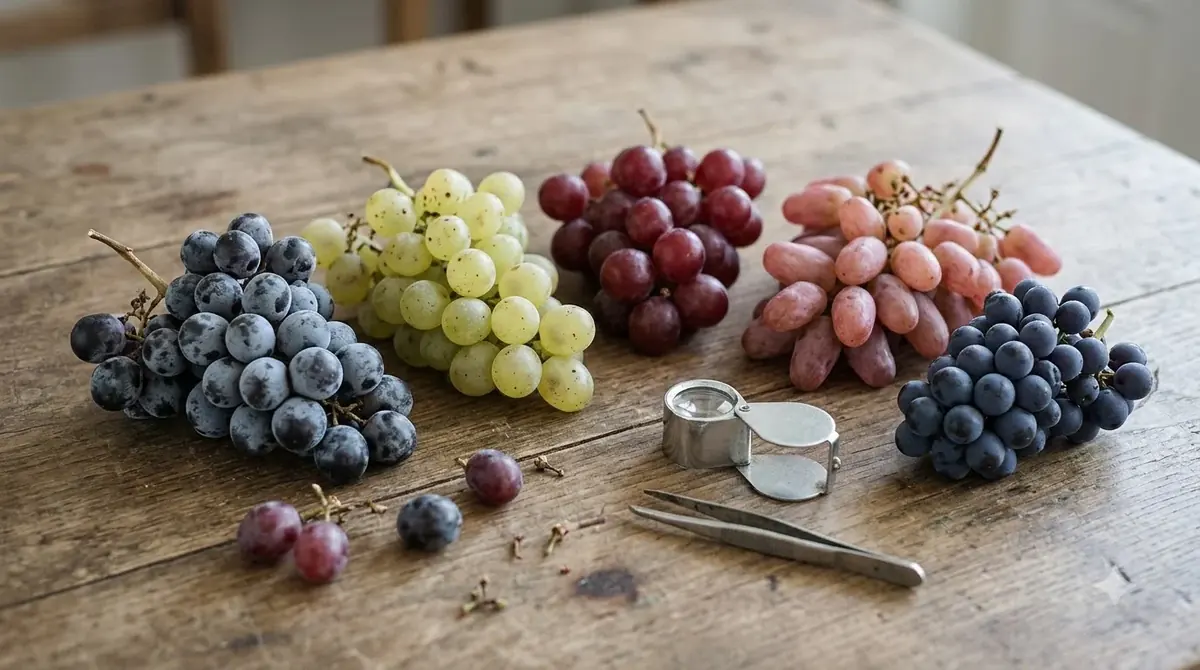
Colorado’s grape list mixes familiar varieties with hardy hybrids developed for cold climates. On the red side, Merlot, Cabernet Sauvignon, Syrah and Cabernet Franc are common, and they tend to show brighter fruit and firmer acidity than the same grapes grown in warmer regions. Chardonnay, Riesling and Viognier lead the white wines, and Riesling in particular often shows crisp acidity that suits the state’s climate well.
Cold-hardy varieties matter just as much. Chambourcin, Verona, La Crescent, Traminette and Petite Pearl are bred to survive winter temperatures that would damage many classic vinifera vines. These grapes are the reason some Colorado wineries can produce consistent vintages year after year, and they often give wines with fresher, fruit-forward profiles that are easy to enjoy young.
| Category | Common varieties | Typical character |
|---|---|---|
| Red, classic | Merlot, Cabernet Sauvignon, Syrah, Cabernet Franc | Bright fruit, firm structure, lively acidity |
| White, classic | Chardonnay, Riesling, Viognier | Crisp to medium-bodied, aromatic, fresh |
| Cold-hardy | Chambourcin, Verona, La Crescent, Traminette, Petite Pearl | Fruit-forward, built for harsh winters |
Tip: If a Colorado bottle is labeled with an AVA name such as Grand Valley, you know the grapes came from that appellation. Labels that say only “Colorado” can blend fruit from several regions.
A Short History of the State’s Wine Industry
Grapevines reached Colorado in the nineteenth century, when miners in the south of the state planted them for their own use. Commercial production developed slowly. Following Prohibition, the first licensed wineries opened in the 1930s, though they did not make wine from Colorado grapes. The modern industry took shape in the 1960s and 1970s, when wineries began to use local fruit and the state passed its Limited Farm Winery Act in 1977.
Recognition came steadily after that. The Colorado Wine Industry Development Board was created in 1990, the Grand Valley AVA followed in 1991, and the West Elks AVA was added in 2001. Estimates of the number of wineries vary by source and year, but the Colorado wine overview on Wikipedia puts the count at roughly 150 to 180 commercial wineries in recent years, many of them small family or boutique operations.
Styles and What to Expect in the Glass
Because Colorado vineyards are high and sunny, many wines show ripe fruit alongside good acidity, which keeps them balanced. Reds made from Merlot and Cabernet often feel medium-bodied with plum, cherry and herbal notes, while Riesling and Viognier can be aromatic and fresh. Hybrid wines from cold-hardy grapes often taste fruitier and more approachable, sometimes with a softer tannin profile.
Sweetness is another area of variety. Many Colorado wineries produce dry table wines, but off-dry Riesling, fruit wines and dessert styles are common in tasting rooms. When you choose a bottle, check the label or ask the staff whether the wine is dry, since the descriptions can differ widely between producers.
Labels are a useful starting point. A bottle that names a specific AVA, a single vineyard or a single grape variety usually tells you more about what is in the glass than a generic “Colorado red” or “Colorado white” blend. Many wineries also publish short technical notes on their websites, covering harvest timing, alcohol level and barrel aging. Those details can help you compare a Colorado Merlot with one from another state, or decide whether a crisp Riesling or a richer Chardonnay suits your meal. Tasting-room staff are usually glad to explain how a wine was made, and a few minutes of conversation can save you from buying a style you do not enjoy.
Seasonal releases are another pattern worth knowing. Because the growing season is short at altitude, some producers release their whites earlier and hold back reds for longer aging. Newer vintages of fresh whites and hybrid wines are often best within a year or two of release, while structured reds from classic varieties can develop more complexity with several years in the bottle. Storing bottles on their side in a cool, dark place helps keep corks moist and the wine stable.
How to Serve and Pair Colorado Wine
Serving temperature has a big effect on how a Colorado wine tastes. Light, crisp whites such as Riesling are best at around 45 to 50 degrees Fahrenheit, while fuller whites like Chardonnay show better slightly warmer. Medium-bodied reds from Merlot or Cabernet Franc usually taste best a little below room temperature, and bolder reds from Syrah can handle a bit more warmth. Use a standard wine glass with enough room to swirl and smell the wine.
Colorado’s dishes and regional cooking pair well with local wines. Riesling and other aromatic whites go well with spicy or smoky foods, while Merlot and Cabernet Franc suit roasted meats and mushroom dishes. Cold-hardy hybrids with fruit-forward profiles can be an easy match for picnic food, grilled vegetables and lighter fare.
Frequently Asked Questions
Is Colorado wine good?
Colorado wine has improved steadily as growers learned their high-elevation sites. Quality varies by producer, so look for wineries that name their vineyard sources and AVA on the label. Reviews from regional and national critics are a useful guide when you are choosing a bottle.
What is the most famous Colorado wine region?
The Grand Valley AVA around Palisade is the best-known region. It was the state’s first AVA, recognized in 1991, and it has a long record of commercial grape growing on the Western Slope.
What grapes grow best in Colorado?
Merlot, Cabernet Franc, Riesling and Chardonnay are among the most successful classic varieties. Cold-hardy hybrids such as Chambourcin and La Crescent are also widely planted because they survive winter better than many vinifera vines.
Does Colorado wine taste different from California wine?
It often does. Colorado vineyards sit at much higher altitude, with intense sunlight and cool nights, which can give wines brighter acidity and a fresher fruit profile. Some producers still aim for a style close to California wines, so tasting notes are the best way to compare.
Colorado wine rewards curious drinkers who want to try something from a region that many people overlook. Start with a Riesling or a Merlot from the Grand Valley, then move on to a cold-hardy hybrid to see how the altitude shapes the flavor. Reading the label for the AVA and grape variety will help you find the styles you enjoy most.
More in Wine Regions
 Willcox Wine Trail: Discover Arizona’s High-Elevation Wine CountryUpdated Nov 20, 2026
 Yakima Valley Wine Region: Find the Best Styles to TryUpdated Nov 20, 2026
 Vosne Romanee Wine Tasting: Identify Aromas and Choose Better PairingsUpdated Nov 20, 2026
 Yakima Valley Wine Festival: Find the Best Seasonal Wine EventsUpdated Nov 20, 2026
 Wales Vineyards: Discover Cool-Climate Wines and Where to VisitUpdated Nov 20, 2026
 Yountville Wine Festival: Discover Napa Wines and Local FoodUpdated Nov 20, 2026