

We may earn a commission when you buy through links on this page, at no extra cost to you. Learn more.
This cloudy bay sauvignon blanc review finds that Cloudy Bay is a strong choice for drinkers who enjoy dry, aromatic white wine with lively citrus acidity, tropical fruit and a refreshing mineral finish. Produced in Marlborough, New Zealand, this Sauvignon Blanc combines recognizable regional fruit character with a more layered, textured style. It is particularly appealing with seafood, fresh salads and goat cheese, although its premium positioning and pronounced acidity may not suit every wine drinker.
Cloudy Bay Sauvignon Blanc has become a recognizable name among New Zealand white wines because it delivers the bright aromatics many people expect from Marlborough while adding citrus complexity and a savory edge. Its character changes somewhat between vintages, but passion fruit, lemon, lime, peach and fresh herbal notes remain useful reference points when deciding whether to buy a bottle. Understanding its flavor, production choices, serving requirements and food compatibility makes it easier to determine whether this wine deserves a place at your table.
Who This Wine Is For
Cloudy Bay Sauvignon Blanc is best suited to people who enjoy expressive, dry white wines with pronounced acidity and a combination of citrus and tropical fruit. It is a particularly good candidate for seafood dinners, summer meals and occasions where a refreshing alternative to heavier Chardonnay makes sense.
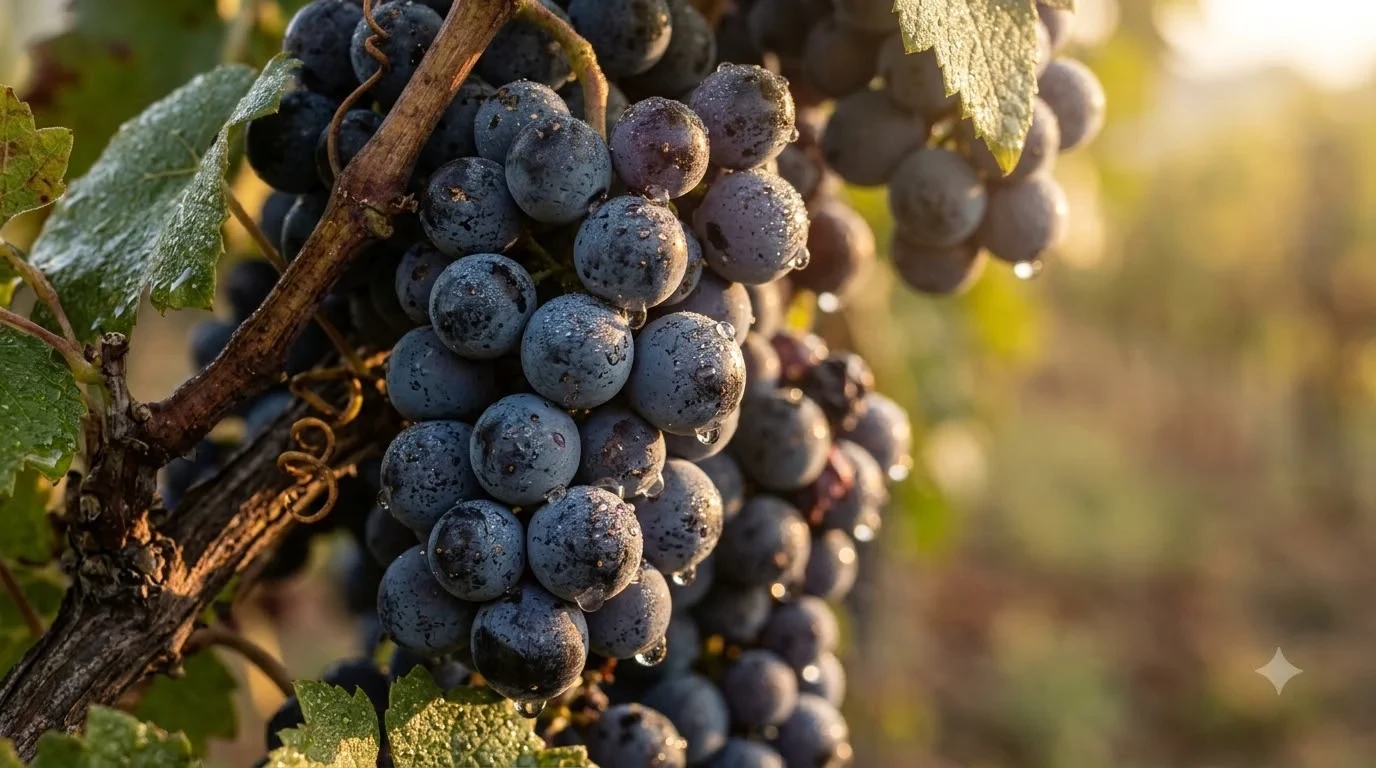
The wine comes from Marlborough, on New Zealand’s South Island, a region closely associated with aromatic Sauvignon Blanc. Cloudy Bay’s fruit comes largely from the Wairau Valley floor, where the producer identifies free-draining gravelly soils as important vineyard characteristics. The combination of regional fruit expression and careful blending gives the wine its recognizable profile.
Drinkers who enjoy passion fruit, lemon, grapefruit and fresh herbs will probably appreciate its aromatic intensity. The 2025 vintage, for example, emphasizes peach, elderflower, makrut lime and freshly squeezed lemon. On the palate, lemon-curd character combines with white nectarine, sea salt and dune grass. The 2026 vintage takes a somewhat different direction, highlighting lemon sherbet, passion fruit, peach, grapefruit skin and makrut lime leaf.
This wine is also suitable for people who want a white wine with enough character to accompany a meal rather than simply provide a light aperitif. Its refreshing acidity helps it work alongside shellfish, fish dishes with lemon, vegetable salads and soft goat cheese. A bottle can also be served before dinner with simple appetizers such as oysters or fresh vegetables.
However, it is not the ideal choice for everyone. Someone who prefers soft, creamy Chardonnay, noticeably sweet Riesling or low-acidity white wine may find Cloudy Bay too sharp and aromatic. Similarly, people looking for a strongly oaked white wine will not find that style here. The production is primarily based on stainless steel fermentation, with only a small proportion of the 2025 blend fermented in large-format oak vats.
Shoppers comparing different bottles from the producer can start with this Cloudy Bay Sauvignon Blanc overview to understand the wine’s broader identity before choosing a particular vintage.
Key Factors to Compare Before Buying
The most useful buying considerations are vintage, flavor profile, acidity, alcohol content and production style. Although the wine retains a recognizable Marlborough identity, its exact fruit expression and technical characteristics can change from one harvest to another.
Cloudy Bay’s official tasting notes provide particularly useful information because they distinguish the technical analysis of individual vintages from the general description of the wine. The following comparison uses the producer’s published 2025 and 2026 specifications rather than treating different harvests as identical.
| Buying factor | 2025 vintage | 2026 vintage |
|---|---|---|
| Grape variety | Sauvignon Blanc | Sauvignon Blanc |
| Listed alcohol content | 13.5% ABV | 13% ABV |
| Serving temperature | 46–50°F | 46–50°F |
| Principal fruit notes | Peach, white nectarine, lemon | Passion fruit, peach, lemon sherbet |
| Additional aromas | Elderflower, makrut lime | Grapefruit skin, makrut lime leaf |
| Palate character | Lemon curd, sea salt, dune grass | Concentrated fruit, citrus and saline freshness |
| 2025 technical-sheet pH | 3.26 | Not listed here |
| 2025 technical-sheet acidity | 7.62 g/L | Not listed here |
| Primary fermentation vessel | Stainless steel | Stainless steel |
One technical detail deserves attention: the producer’s 2025 product page and Wine.com list 13.5% ABV, while the producer’s separate technical analysis records 13% alcohol. These are different published figures, so shoppers comparing alcohol content should distinguish the product listing from the technical analysis rather than assume they are identical. The 2026 product page lists 13% ABV.
The comparison also highlights meaningful vintage differences. The 2025 wine emphasizes lemon curd, white nectarine and sea-salt impressions, while the 2026 description puts greater emphasis on lemon sherbet, passion fruit and grapefruit skin. These differences demonstrate why vintage-specific tasting notes matter when comparing bottles.
Acidity is another important consideration. The 2025 technical sheet records total acidity of 7.62 grams per liter and a pH of 3.26. These measurements help explain the wine’s fresh citrus character, although the experience in the glass also depends on fruit maturity, alcohol and blending.
For a more detailed explanation of the bottle’s strength, see the Cloudy Bay Sauvignon Blanc alcohol content information before choosing a bottle for an occasion.
The producer’s official 2025 Sauvignon Blanc tasting and product information is particularly useful for checking the vintage’s published alcohol level, recommended serving temperature and food matches.
Step-by-Step: How to Choose and Enjoy a Bottle
Choosing Cloudy Bay Sauvignon Blanc becomes easier when you approach the purchase systematically. Consider the meal, preferred flavor profile, vintage information and serving conditions rather than relying on the producer’s name alone.
-
Decide whether you enjoy dry Sauvignon Blanc.
Cloudy Bay is a dry white wine, not a dessert-style or noticeably sweet wine. Expect refreshing acidity, aromatic citrus and ripe fruit rather than a sugary finish. If you usually enjoy crisp Sauvignon Blanc, Albariño or dry Pinot Grigio, its general style should be familiar.
-
Identify the flavors you prefer.
Look for the fruit descriptions associated with the particular vintage. The 2025 wine features peach, elderflower, makrut lime and lemon, while the 2026 vintage highlights passion fruit, lemon sherbet, peach and grapefruit skin. Choose according to whether you prefer a more citrus-led or tropical-fruit-led impression.
-
Consider the occasion and food.
For oysters, steamed mussels, grilled fish or goat cheese salads, the wine’s acidity is particularly useful. For a richer seafood dish with butter or cream, its citrus character can provide contrast. If the meal features strong chili heat, consider a lower-alcohol or slightly sweeter alternative because alcohol can intensify the perception of spice.
-
Check the vintage-specific alcohol information.
Cloudy Bay’s 2025 product listing reports 13.5% ABV, although its technical analysis records 13%. Its 2026 product page lists 13%. These figures are useful when comparing bottles with different alcohol levels, but they should not be treated as interchangeable technical measurements.
-
Chill the bottle correctly.
Follow the producer’s recommended serving range of 8–10°C, or 46–50°F. A refrigerator can chill the bottle before serving, but avoid leaving it so cold that its aromas become difficult to appreciate.
-
Use an appropriate glass.
A standard white wine glass with a moderately narrow bowl helps concentrate citrus, floral and tropical aromas. Pour approximately 5 ounces per serving, allowing enough room in the glass to gently swirl the wine without spilling it.
-
Taste the wine before choosing additional food.
Notice its initial citrus character, the development of peach or passion fruit, and the acidity toward the finish. This makes it easier to decide whether the wine needs a simple seafood accompaniment or a more substantial dish with additional texture and richness.
Tip: Serve Cloudy Bay Sauvignon Blanc at approximately 46–50°F rather than directly from an extremely cold refrigerator. Slightly less aggressive chilling helps reveal its citrus, floral and tropical aromas while preserving its refreshing acidity.
Once the bottle is open, pour a small amount first rather than filling every glass immediately. This gives guests an opportunity to experience the wine’s aromas and decide whether they prefer it with food or on its own.
Types and Styles Explained
Cloudy Bay Sauvignon Blanc belongs to the dry, aromatic Marlborough Sauvignon Blanc category. Its signature character combines ripe fruit with fresh acidity and savory details, but different vintages can emphasize different parts of that profile.

Citrus-led Sauvignon Blanc
Citrus is a defining part of Cloudy Bay’s identity. Lemon, lime, grapefruit and lemon-curd characteristics appear in the producer’s tasting notes and professional reviews. The 2025 vintage, in particular, combines lemon and makrut lime with white nectarine and lemon-curd impressions.
This style is useful for meals that contain lemon juice, fresh herbs or lightly dressed vegetables. The wine’s acidity creates a natural connection with citrus-based sauces and seafood preparations. It can also provide a refreshing contrast to dishes containing butter or olive oil.
Tropical-fruit Sauvignon Blanc
Passion fruit is another important element of Marlborough Sauvignon Blanc. In the 2026 vintage, Cloudy Bay emphasizes passion fruit alongside peach, lemon sherbet and grapefruit skin. The result is a fruit-forward aromatic profile that remains dry and refreshing.
Ripe tropical fruit does not automatically mean sweetness. A wine can smell strongly of passion fruit or peach while finishing dry, especially when its acidity is prominent. This distinction matters for shoppers who enjoy fruit-driven aromas but do not want a sweet white wine.
Herbal and savory Sauvignon Blanc
Fresh herbs, grassy impressions and saline characteristics provide additional complexity. Wine Spectator’s published 2025 review mentions lemongrass, lemon verbena and celery salt alongside pineapple, mango and lemon curd. Wine Advocate’s review adds grass clippings, brine and green olive tapenade.
These savory elements make the wine more versatile at the table. It can complement parsley, basil, coriander and other fresh herbs without requiring a heavy sauce. The mineral-like and saline impressions also make seafood pairings particularly attractive.
Wine.com’s 2025 Cloudy Bay Sauvignon Blanc listing and professional tasting reviews provide additional perspectives on the vintage, including descriptions from Wine Spectator, James Suckling and Wine Advocate.
Textured Sauvignon Blanc
Although Cloudy Bay Sauvignon Blanc is primarily fermented in stainless steel, the wine is not simply designed around sharp fruit aromas. The 2025 technical notes explain that approximately 1.8% of the blend underwent fermentation in large-format oak vats. A portion also underwent wild-yeast fermentation to contribute texture and complexity.
That small oak component should not be confused with the heavily oaked style associated with some Chardonnay wines. The principal character remains aromatic, fresh and citrus-driven. The additional fermentation choices contribute detail without making oak the dominant flavor.
For shoppers interested in understanding the broader range of grape styles, the site’s Wine Brands resource provides a useful starting point for comparing producers and their approaches to winemaking.
Common Mistakes When Buying or Serving Cloudy Bay
The biggest mistakes are confusing fruit aromas with sweetness, serving the wine too cold, overlooking vintage differences and pairing its acidity with unsuitable dishes. Avoiding these problems makes it easier to appreciate what the wine offers.
Assuming tropical aromas mean a sweet wine
Passion fruit, peach and lemon sherbet can sound like ingredients associated with sweet drinks, but aromatic fruit does not necessarily indicate residual sugar. Cloudy Bay Sauvignon Blanc is presented as a dry white wine. Its fruit character is balanced by pronounced acidity and a refreshing finish.
This distinction is especially important when comparing Sauvignon Blanc with Moscato or sweeter Riesling. Those wines can have substantially different sweetness levels, even when they share floral or fruit-driven aromas.
Serving the bottle too cold
Very low temperatures can suppress aromatic expression. If the wine is served significantly colder than its recommended 46–50°F range, its passion fruit, peach, citrus and herbal details may become less apparent.
On the other hand, serving it too warm can make the alcohol more noticeable and reduce the impression of freshness. Keeping the bottle properly chilled helps preserve the balance between fruit and acidity.
Choosing unsuitable food pairings
High-acidity Sauvignon Blanc is particularly compatible with acidic ingredients, fresh herbs and seafood. A dish with lemon, lime or vinegar can work well because its acidity is matched by the wine’s freshness. However, an intensely sweet sauce may make the wine taste comparatively sharper.
Very spicy food can also be challenging. Alcohol and spice can amplify the sensation of chili heat, so a heavily spiced curry or chili-forward preparation may overwhelm the wine. If the meal is particularly hot, a softer, lower-alcohol or slightly off-dry white wine may be a better option.
Ignoring the texture of the meal
Cloudy Bay works especially well with light-to-medium-weight dishes, but the preparation matters. Fresh oysters, sashimi and steamed mussels are natural matches, while a heavily smoked or intensely sweet barbecue preparation may compete with its citrus and herbal character.
Rich sauces are not automatically a problem. Butter, olive oil and creamy textures can provide contrast to acidity, but strong flavors such as heavy smoke, excessive sweetness or very hot chili should be used carefully.
Assuming every vintage tastes identical
The producer’s published tasting notes demonstrate meaningful differences between the 2025 and 2026 wines. One emphasizes lemon curd, white nectarine and sea-salt impressions, while the other highlights lemon sherbet, passion fruit and grapefruit skin.
That variation is a normal part of wine production. Weather, harvest timing, grape maturity and blending decisions influence the finished wine. Shoppers who want a specific aromatic profile should compare the vintage descriptions instead of purchasing solely by brand name.
Care, Serving and Storage Tips
Proper chilling and storage help maintain Cloudy Bay Sauvignon Blanc’s aromatic freshness. Because this is a dry white wine with prominent acidity and fruit expression, temperature control and protection from excessive heat are particularly important.
Serving temperature
The producer recommends serving its Sauvignon Blanc at 8–10°C, equivalent to 46–50°F. This is a useful range for bringing out citrus, passion fruit and herbal aromas without allowing the wine to become too warm.
A standard refrigerator can bring the bottle down to serving temperature. If the wine becomes excessively cold, allow it to warm slightly in the glass before assessing its aromas. The difference between a very cold pour and a properly chilled pour can be noticeable, particularly with aromatic white wines.
Glassware and pouring
A medium-sized white wine glass is a practical choice. A bowl with enough room for gentle swirling helps release aromatic compounds, while a narrower opening concentrates the bouquet.
A typical wine serving is approximately 5 ounces. A standard 750 ml bottle therefore provides about five servings, depending on pouring size. For a dinner with four guests, one bottle provides roughly one full glass per person, with a small amount remaining.
Storing unopened bottles
Store unopened bottles away from direct sunlight, strong temperature fluctuations and sources of heat. A cool, dark storage area is preferable to a kitchen counter or a shelf beside an oven. A temperature near 55°F is a useful general target for wine storage.
For longer storage, bottles with cork closures are generally stored horizontally to help maintain contact between the cork and the wine. Cloudy Bay’s 2025 retail listings identify a screw-cap closure, so the traditional cork-moistening requirement does not apply in the same way. Stable temperature and protection from light remain important.
Keeping an opened bottle fresh
After opening, close the bottle securely and place it in the refrigerator. A practical general guideline for opened still white wines is approximately three to five days, although aromatic freshness can diminish before the wine becomes unpleasant to drink.
For better preservation, minimize the amount of air remaining in the bottle and avoid repeatedly leaving it at room temperature. If the wine develops an unusually dull aroma, loses its fresh fruit character or shows signs of oxidation, its quality has probably declined.
For an upcoming dinner, it is usually better to open the bottle shortly before serving rather than leaving it exposed to air for an extended period. Sauvignon Blanc generally does not require decanting, and Cloudy Bay’s aromatic style is best appreciated while its freshness remains prominent.
Frequently Asked Questions
Is Cloudy Bay Sauvignon Blanc vegan?
The producer’s standard tasting information does not establish whether every vintage is suitable for vegan drinkers. Some wines use animal-derived fining agents during clarification, while others use alternative processing methods. Anyone following a strict vegan diet should seek confirmation for the specific bottle and vintage before purchasing.
Does Cloudy Bay Sauvignon Blanc have a screw cap?
Wine.com’s product information identifies the 2025 Cloudy Bay Sauvignon Blanc as screw-cap sealed. This closure makes opening straightforward and avoids the need for a corkscrew. It also makes resealing an unfinished bottle convenient.
Is Cloudy Bay Sauvignon Blanc suitable for a wine gift?
Yes, particularly for someone who already enjoys New Zealand Sauvignon Blanc or aromatic dry white wines. Its recognizable Marlborough origin and distinctive citrus-and-tropical-fruit profile make it an understandable choice for a wine enthusiast. For a gift, selecting a bottle with a clearly identified vintage also helps the recipient understand what they are receiving.
Should Cloudy Bay Sauvignon Blanc be decanted?
Decanting is generally unnecessary for this fresh, aromatic white wine. Opening the bottle and allowing it to sit in the glass for a few minutes is normally sufficient to reveal its aromas. A clean white wine glass is more useful than a large decanter for everyday serving.
Can Cloudy Bay Sauvignon Blanc be used in cooking?
Yes, dry Sauvignon Blanc can be used in dishes such as seafood sauces, lemon-based pan sauces and preparations involving mussels or shellfish. Its acidity can contribute brightness to a sauce, while its citrus and herbal character complements fresh ingredients. Use a wine that is still pleasant to drink rather than an oxidized or spoiled leftover bottle.
Cloudy Bay Sauvignon Blanc is a compelling choice for people who appreciate dry Marlborough whites with citrus intensity, tropical fruit, savory detail and refreshing acidity. Its careful blending and vintage-specific character give it more dimension than a simple fruit-forward white wine. Choose the vintage that best matches your preferred flavors, serve it at 46–50°F and pair it with seafood, fresh herbs or goat cheese to make the most of its distinctive style.
More in Wine Brands
 Louis Latour Wine Price: Compare Bottles by Style and TierUpdated Nov 20, 2026
 Yellow Tail Moscato Price: What to Expect Before You BuyUpdated Nov 20, 2026
 Sutter Home Sweet Red Review: Find the Right Food PairingsUpdated Nov 20, 2026
 Franzia Chillable Red Review: Find the Right Serving StyleUpdated Nov 20, 2026
 Veuve Clicquot Rose Review: Flavor, Food Pairings and Buying AdviceUpdated Nov 20, 2026
 Rombauer Wine Price: Compare Bottles Before You BuyUpdated Nov 20, 2026