

We may earn a commission when you buy through links on this page, at no extra cost to you. Learn more.
Cloudy Bay Sauvignon Blanc alcohol content is typically around 13% to 13.5% ABV, depending on the vintage, with the 2026 release listed at 13% and the 2025 release at 13.5%. This places it within the moderate alcohol range for Sauvignon Blanc rather than among particularly low-alcohol white wines. A standard 5 oz glass of wine at 13% ABV contains approximately 0.65 fluid ounces of pure alcohol. The exact percentage can vary between vintages, so understanding the difference helps when comparing bottles and planning a serving.
Cloudy Bay Sauvignon Blanc is one of the best-known expressions of Marlborough Sauvignon Blanc from New Zealand. Its bright citrus character, passionfruit aromas, fresh acidity, and relatively substantial alcohol level make it useful to understand both its flavor profile and its strength. Whether you are comparing it with another New Zealand Sauvignon Blanc, choosing a serving temperature, or planning a seafood dinner, the alcohol percentage provides a practical starting point.
Cloudy Bay Sauvignon Blanc Alcohol Content by Vintage
The typical alcohol content falls between 13% and 13.5% ABV in the recent vintages discussed here. The difference between these figures is only half a percentage point, but it illustrates why the vintage matters when identifying the strength of a particular bottle.
Cloudy Bay’s official product information lists its 2026 Sauvignon Blanc at 13% ABV. The producer describes this vintage through lemon sherbet, passionfruit, peach, grapefruit skin, and makrut lime leaf aromas. Its recommended serving temperature is 8-10°C, equivalent to 46-50°F.
The 2025 vintage is listed at 13.5% ABV on Cloudy Bay’s official vintage page. Its aromatic profile includes peach, elderflower, makrut lime, and freshly squeezed lemon, with lemon curd and white nectarine characteristics on the palate. Wine Enthusiast also records 13.5% alcohol for the 2023 vintage in its published buying guide.
These figures show that Cloudy Bay Sauvignon Blanc does not have one permanent alcohol percentage across every vintage. The difference between 13% and 13.5% is relatively small, but it is useful when comparing bottles from different harvests.
| Vintage or reference | Alcohol by volume | Bottle size or reference |
|---|---|---|
| 2026 | 13% | Producer-listed vintage |
| 2025 | 13.5% | Producer-listed vintage |
| 2023 | 13.5% | 750 ml, Wine Enthusiast |
| Typical recent range | 13-13.5% | Varies by vintage |
The table illustrates the importance of distinguishing between a wine’s general alcohol range and the specification for an individual release. A retailer might list a bottle at 13.5% while a different vintage on the producer’s website shows 13%. Neither figure necessarily describes every Cloudy Bay Sauvignon Blanc bottle.
For a useful comparison, the producer’s official Cloudy Bay Sauvignon Blanc vintage information provides the alcohol percentage alongside its tasting notes and serving temperature.
What 13% ABV Means in a Glass of Wine
ABV means alcohol by volume. A wine marked 13% ABV contains approximately 13 ml of pure alcohol for every 100 ml of wine, making it possible to estimate the amount of alcohol in an individual serving.
For Cloudy Bay Sauvignon Blanc at 13% ABV, a standard 5 oz pour contains approximately 0.65 fluid ounces of pure alcohol. A 5 oz serving at 13.5% ABV contains approximately 0.675 fluid ounces. The difference is small, but the calculation demonstrates how alcohol percentage affects the amount in the glass.
A standard 750 ml wine bottle holds approximately 25.4 fluid ounces. At a 5 oz serving size, that provides about five full glasses, with a small amount left over because the bottle contains slightly more than 25 oz.
Alcohol calculations for a standard bottle
The following examples show how the alcohol percentage translates into practical serving measurements. They use the two percentages listed for recent Cloudy Bay vintages.
| Measurement | 13% ABV | 13.5% ABV |
|---|---|---|
| Alcohol in 100 ml | 13 ml | 13.5 ml |
| Alcohol in 150 ml | 19.5 ml | 20.25 ml |
| Alcohol in 750 ml | 97.5 ml | 101.25 ml |
| Approximate US 5 oz serving | 0.65 fl oz | 0.675 fl oz |
| Approximate servings per bottle | 5 | 5 |
These calculations assume the stated ABV applies throughout the bottle and that each pour is measured accurately. They are useful for comparing wine servings without confusing the total volume of wine with the amount of pure alcohol it contains.
A 5 oz pour is a common reference serving for still wine. A larger 6 oz glass contains more wine and therefore more alcohol, even though the percentage printed on the bottle remains unchanged. For that reason, glass size is just as important as ABV when estimating the alcohol in an actual serving.
Tip: To compare two wines fairly, use the same serving size. A 5 oz pour of Cloudy Bay at 13% ABV contains less alcohol than a 6 oz pour of the same wine, even though both come from the same bottle.
Is Cloudy Bay Sauvignon Blanc High in Alcohol?
Cloudy Bay Sauvignon Blanc is moderately alcoholic for a dry white wine, rather than exceptionally strong. Its recent 13-13.5% ABV range falls within the typical 12.5-14% range that Wine Enthusiast gives for Sauvignon Blanc generally.
Alcohol percentages vary considerably across white wine styles. Some light Rieslings and Moscato wines have lower alcohol levels, while certain Chardonnays and fuller-bodied white wines can reach or exceed 14% ABV. Cloudy Bay sits toward the middle to upper part of the common Sauvignon Blanc range.
It is also useful to distinguish alcohol strength from perceived body. A wine can taste crisp, fresh, and relatively light because of its acidity, even when its ABV is around 13.5%. Cloudy Bay’s bright citrus profile and lively acidity contribute to that impression.
How Cloudy Bay compares with other wine styles
Consider these broad reference points when comparing alcohol percentages:
- Light Moscato styles can have substantially lower alcohol levels.
- Some dry Rieslings fall around 11-12.5% ABV.
- Sauvignon Blanc commonly falls around 12.5-14% ABV.
- Many Chardonnays fall around 13-14.5% ABV.
- Some full-bodied red wines reach 14-15% ABV or higher.
These are general style ranges, not fixed rules. Growing conditions, grape ripeness, fermentation decisions, and the intended wine style can all influence the final alcohol level.
Cloudy Bay’s 13% 2026 vintage is therefore a relatively typical example of a modern Sauvignon Blanc, while the 13.5% 2025 and 2023 examples sit slightly higher within the same general category.
Its alcohol percentage also does not determine whether the wine tastes sweet. Cloudy Bay describes its Sauvignon Blanc as dry, with citrus, tropical fruit, and fresh acidity contributing to its overall flavor impression.
Why Cloudy Bay Sauvignon Blanc Has This Alcohol Level
The alcohol level in Sauvignon Blanc is closely connected to grape ripeness and the natural sugar present in the harvested fruit. During fermentation, yeast converts grape sugar into alcohol, so the amount of fermentable sugar available influences the wine’s eventual ABV.
Cloudy Bay’s home region of Marlborough has environmental conditions that support aromatic Sauvignon Blanc with pronounced acidity. New Zealand Wine identifies high sunshine hours, low rainfall, and significant temperature differences between day and night as important characteristics of Marlborough’s growing conditions.
Marlborough Wine reports an average summer day-to-night temperature difference of approximately 11 degrees. Its regional information also records around 2,500 annual sunshine hours and 649 mm of average annual rainfall. These conditions help explain why Marlborough wines can combine ripe fruit aromas with fresh acidity.
The influence of the Wairau Valley
Cloudy Bay Sauvignon Blanc is associated with Marlborough, where the Wairau Valley is an important growing area. New Zealand Wine describes Wairau Valley Sauvignon Blanc as generally riper and more tropical, while Awatere Valley wines tend to show more herbaceous and mineral characteristics.
This regional diversity helps explain why Marlborough Sauvignon Blanc can have different expressions despite using the same grape variety. Fruit character, acidity, ripeness, and alcohol level are influenced by the growing environment as well as the decisions made during winemaking.
Harvest and fermentation decisions
Cloudy Bay explains that fruit from individual vineyards ferments separately before blending. The producer also reports selecting grapes from more than 90 batches for its 2026 Sauvignon Blanc. This approach gives the winemaking team the opportunity to assess different vineyard components before assembling the finished wine.
Fermentation is the process that turns grape sugar into alcohol and carbon dioxide. Once the wine reaches its desired balance, it can be prepared for bottling. The final ABV reflects the characteristics of the grapes and the winemaking process rather than being a permanent feature of the Sauvignon Blanc grape itself.
That is why two consecutive vintages from the same producer can show different alcohol percentages. A 13% wine and a 13.5% wine can both express the recognizable Marlborough Sauvignon Blanc style while differing slightly in strength.
Cloudy Bay Alcohol Content Compared with Other Sauvignon Blanc Brands
Cloudy Bay’s 13-13.5% ABV range provides a useful benchmark when comparing other well-known New Zealand Sauvignon Blanc producers. Oyster Bay and Kim Crawford are two recognizable alternatives, but their alcohol levels should be compared by individual vintage rather than assumed to remain identical across releases.
The grape variety is the same, but producers can work with different vineyard sites, harvest conditions, and fermentation choices. Consequently, the alcohol content of a Sauvignon Blanc does not necessarily indicate whether it will taste more tropical, more herbal, or more acidic.
For readers comparing these wines, the following internal guides provide more specific brand information:
- Oyster Bay Sauvignon Blanc alcohol content explains the strength of another popular Marlborough Sauvignon Blanc.
- Kim Crawford Sauvignon Blanc alcohol content provides another reference point for comparing New Zealand white wines.
What to compare beyond the percentage
When choosing between Cloudy Bay, Oyster Bay, and Kim Crawford, consider the following characteristics in addition to ABV:
- Vintage: Compare bottles from the same harvest year where possible.
- Alcohol: Look at the percentage stated for each particular release.
- Acidity: Consider whether you prefer a sharper citrus profile or a softer impression.
- Fruit character: Look for passionfruit, grapefruit, lime, peach, and gooseberry notes.
- Finish: Consider whether you prefer a more mineral, herbal, or fruit-focused finish.
Cloudy Bay’s published tasting information emphasizes citrus, passionfruit, peach, and fresh acidity. Wine Enthusiast’s review of its 2023 vintage additionally describes jalapeño, tomato leaf, green herbs, lemongrass, and fresh oregano. These characteristics are useful reference points when comparing different expressions of Marlborough Sauvignon Blanc.
For a broader introduction to producers and styles, the Wine Brands section provides another starting point for exploring recognizable wine labels.
Serving Temperature and Food Pairings for Cloudy Bay Sauvignon Blanc
Cloudy Bay recommends serving its Sauvignon Blanc at 46-50°F, or 8-10°C. This cool temperature helps preserve the wine’s refreshing character while allowing its citrus, passionfruit, and herbal aromas to remain noticeable.
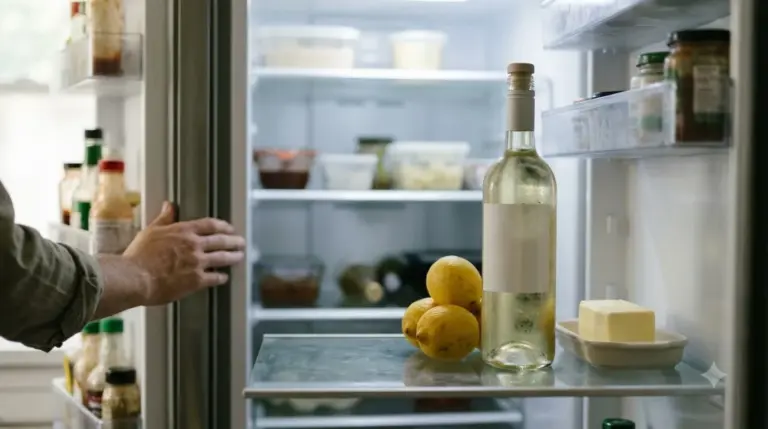
Serving it directly from a warm room can make the alcohol feel more prominent and reduce the refreshing impression of its acidity. On the other hand, serving it excessively cold can make its aromas and flavors less expressive. A short period in the refrigerator before pouring is a practical way to reach the recommended temperature.
Food pairings that complement its acidity
Cloudy Bay Sauvignon Blanc is particularly suitable for seafood and dishes with citrus or fresh herbs. Its high acidity provides a refreshing contrast to food with natural richness, while its fruit and herbal aromas complement ingredients such as lime, parsley, and green vegetables.
The producer specifically recommends tempura oysters, sashimi, steamed mussels with garlic, citrus and parsley, green salads, and goat cheese. New Zealand Wine also identifies shellfish, white fish, garlic-based sauces, citrus sauces, tomatoes, and vinegar-based dressings as suitable matches for Sauvignon Blanc.
For a practical dinner menu, consider these combinations:
- Oysters: Fresh oysters or lightly fried tempura oysters complement the wine’s citrus and saline characteristics.
- Mussels: Steamed mussels with garlic, parsley, and lemon echo the wine’s fresh aromatic profile.
- White fish: Grilled or steamed white fish with a lemon-based sauce works particularly well with Sauvignon Blanc’s acidity.
- Salads: Green salads with goat cheese and a citrus dressing offer a bright combination.
- Sashimi: Fresh fish provides a clean pairing without overpowering the wine’s delicate fruit character.
For more detailed combinations and menu ideas, see the Cloudy Bay Sauvignon Blanc food pairing guide.
Foods that require more care
Although Sauvignon Blanc is versatile, very spicy dishes can make its alcohol more noticeable. Chili heat can be amplified by alcohol, so a heavily spiced dish may not be the best choice for a wine around 13-13.5% ABV.
Similarly, oily fish can be difficult with highly tannic red wines, but Cloudy Bay Sauvignon Blanc does not have the substantial tannin structure associated with Cabernet Sauvignon or Syrah. Its acidity makes it a more natural option for many seafood dishes.
When selecting a pairing, remember that acidity matters as much as alcohol. A dish containing lemon, vinegar, or tomatoes generally benefits from a wine with equal or higher acidity, which is one reason Marlborough Sauvignon Blanc works well with fresh seafood and tangy sauces.
How to Store and Enjoy an Open Bottle
Cloudy Bay Sauvignon Blanc is best enjoyed cool, with careful storage after opening to preserve its fresh citrus and tropical fruit character. A 750 ml bottle provides approximately five standard 5 oz servings, making it suitable for a small dinner or several individual glasses.
Before opening, keep the bottle in a cool, dark location away from direct sunlight and significant temperature changes. A storage temperature near 55°F is a useful general reference for wine bottles. Storing bottles on their side is particularly relevant for wines with natural cork closures.
For a bottle with a screw cap, which is a common closure for New Zealand Sauvignon Blanc, the bottle does not need to be stored horizontally to maintain cork contact. Consistent cool conditions and protection from light remain important.
Keeping the wine fresh after opening
Once opened, Cloudy Bay Sauvignon Blanc should be resealed and placed in the refrigerator. Still white wines generally keep their best qualities for approximately 3-5 days after opening when stored properly, although freshness can decline gradually as oxygen interacts with the wine.
A dedicated wine stopper can help reduce exposure to air. Returning the bottle to the refrigerator promptly is also helpful, even if the wine was initially served at 46-50°F.
For the best flavor, avoid leaving an opened bottle on a kitchen counter overnight. Heat and oxygen can reduce the fresh citrus, passionfruit, and herbal characteristics that make Marlborough Sauvignon Blanc appealing.
Cloudy Bay’s acidity and aromatic intensity are important parts of its style, but they do not prevent an opened wine from changing. The sooner the remaining wine is enjoyed under proper storage conditions, the better its original flavor profile is likely to remain.
Frequently Asked Questions
Does Cloudy Bay Sauvignon Blanc contain more alcohol than Chardonnay?
Not necessarily. Cloudy Bay’s recent Sauvignon Blanc vintages fall between 13% and 13.5% ABV, while Chardonnay commonly ranges from approximately 13% to 14.5%. The specific vintage and producer matter more than the grape variety alone when comparing two individual bottles.
Is Cloudy Bay Sauvignon Blanc suitable for serving in a wine glass with a narrow bowl?
Yes. A medium-sized white wine glass with a slightly tapered opening is a practical choice. A bowl holding approximately 12-16 oz provides enough room for a 5 oz pour while helping concentrate the wine’s citrus and tropical aromas.
Does Cloudy Bay Sauvignon Blanc contain added spirits?
No. Cloudy Bay Sauvignon Blanc is a fermented grape wine, not a fortified wine. Its alcohol develops through fermentation rather than the addition of distilled grape spirit, which distinguishes it from styles such as Port and certain Sherries.
Does Cloudy Bay Sauvignon Blanc contain residual sugar?
Cloudy Bay describes its 2026 Sauvignon Blanc as dry. However, dry describes the wine’s sweetness category rather than proving that it contains absolutely no residual sugar. The finished wine’s balance also depends on its acidity, fruit concentration, and overall composition.
Can Cloudy Bay Sauvignon Blanc be aged for several years?
Yes. Cloudy Bay’s official information for its 2023 Sauvignon Blanc gives a cellaring potential of at least 10 years. However, the wine’s fresh citrus and tropical fruit character is an important part of its appeal when young, so aging is a matter of preferred style rather than a requirement.
Cloudy Bay Sauvignon Blanc typically contains 13-13.5% alcohol by volume, with the exact percentage depending on the vintage. Its refreshing acidity, citrus aromas, and tropical fruit flavors make it a distinctive Marlborough white wine that pairs particularly well with seafood and fresh salads. For the most accurate comparison, consider the individual vintage’s ABV alongside its serving temperature and flavor profile.
More in Wine Brands
 Black Box Chardonnay Price: What a 3L Box Costs and How Far It GoesUpdated Nov 21, 2026
 Brancott Estate Wine Price: Compare Bottles and Find Better ValueUpdated Nov 21, 2026
 Bota Box Pinot Grigio Price: What to Expect and How to SaveUpdated Nov 21, 2026
 Black Box Pinot Grigio Price: Compare the 3-Liter ValueUpdated Nov 21, 2026
 Bota Box Nighthawk Review: Choose the Right Bold WineUpdated Nov 21, 2026
 Blue Nun Wine Review: Find the Right Style for Your TasteUpdated Nov 21, 2026