

We may earn a commission when you buy through links on this page, at no extra cost to you. Learn more.
The real difference in chianti vs nebbiolo is the grape and how each wine ages, since both are high in acidity and tannin. Chianti is made mainly from Sangiovese in Tuscany and is usually medium-bodied, which makes it an easy red for weeknight dinners and tomato-based food. Nebbiolo, grown mainly in Piedmont, is full-bodied and pale in color, and it needs years in the bottle before its fruit, acid and tannin come into balance. Choosing between them comes down to the meal in front of you and how long you can wait.
Walk into an Italian wine shop or scan a restaurant list and you will often see Chianti and Nebbiolo sitting side by side. Both come from some of the country’s most respected wine traditions, both carry firm structure, and both suit the rich, savory food Italy does best. Their differences, however, are real. They come from different regions, follow different legal rules, age on different timelines and ask for different food. This guide walks through each difference so you can pick the right bottle for the table you are setting.
Chianti vs Nebbiolo Side by Side
The quickest way to see the gap is to compare the grape rules, body, structure and serving temperature in one place.
The most important legal difference is the grape requirement. According to VinePair’s Chianti guide, Chianti DOCG must contain at least 70 percent Sangiovese, while Chianti Classico DOCG must contain at least 80 percent. Barolo and Barbaresco are different because they are made solely from Nebbiolo, so every bottle reflects the character of that one grape.
Structure is where the two wines feel closer than many people expect. VinePair describes Chianti as medium-bodied and high in both tannin and acidity, and Wine Enthusiast notes that Sangiovese is known for naturally high acidity. Nebbiolo is full-bodied with high tannin and high acidity too, but its pale color can make it seem gentler than it really is in the mouth.
The table below pulls the most useful numbers together, including the minimum aging rules that decide when each bottle is ready to drink.
| Feature | Chianti (Sangiovese) | Nebbiolo (Barolo and Barbaresco) |
|---|---|---|
| Grape rule | At least 70% Sangiovese (Chianti DOCG); at least 80% (Chianti Classico DOCG) | 100% Nebbiolo for Barolo and Barbaresco |
| Body | Medium-bodied | Full-bodied |
| Tannin | High | High |
| Acidity | High | High |
| Minimum time before release | Chianti Classico Annata: 12 months; Riserva: 24 months; Gran Selezione: 30 months | Barbaresco: 2 years (9 months in oak); Barolo: 3 years (18 months in oak) |
| Higher tier before release | Chianti Classico Gran Selezione: 30 months | Riserva Barbaresco: 4 years; Riserva Barolo: 5 years |
| Serving temperature | 55-60°F | 60-65°F |
Where Each Grape Grows
Sangiovese anchors Tuscany in central Italy, while Nebbiolo is the signature red of Piedmont in the northwest, and the land in each place shapes how the wines turn out.
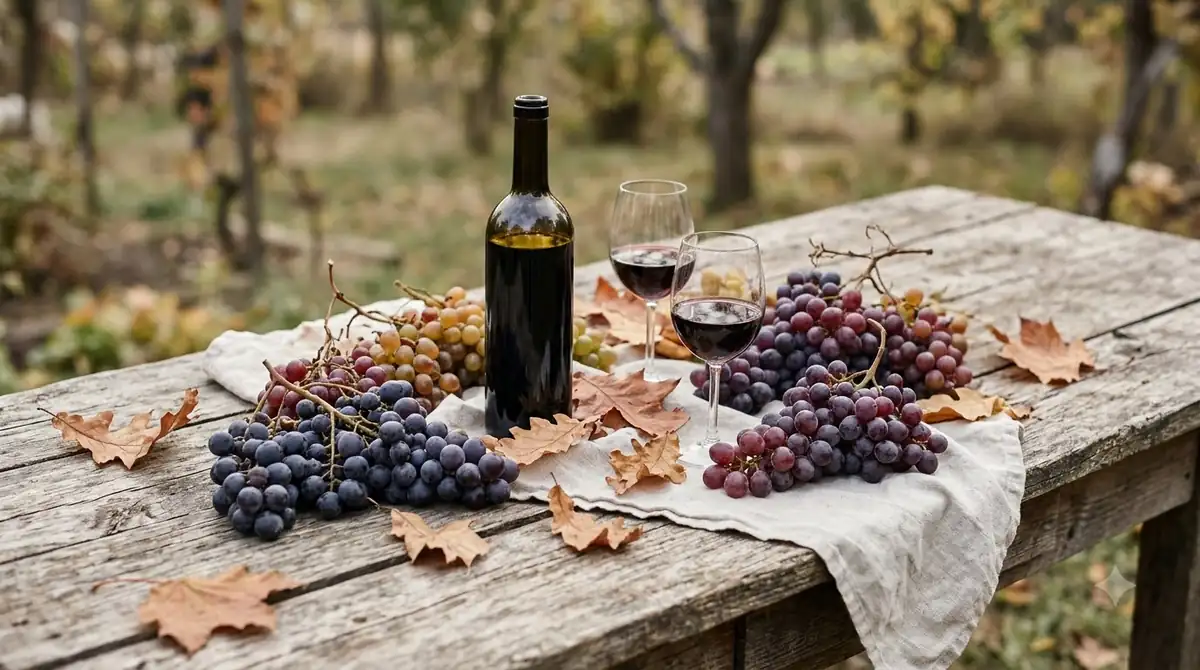
Chianti takes its name from its region rather than its grape. VinePair describes the Chianti region as landlocked in central Tuscany and made up of seven sub-regions, with Sangiovese as the dominant grape. Chianti Classico is the original growing area, and Wine Enthusiast’s village-by-village guide notes that it spans eight municipalities between Florence and Siena. That wide territory holds many microclimates and soil types, which is why two bottles labeled Chianti Classico can taste quite different from one another.
Nebbiolo’s home is Piedmont, where the hilly Barolo and Barbaresco zones sit in the northwest corner of Italy. Barolo is the larger of the two. VinePair reports that Barolo DOCG is nearly three times the size of Barbaresco and only about five miles wide at its broadest point. Some vineyards climb as high as 2,000 feet above sea level, and in a good vintage that altitude helps produce perfumed, age-worthy wines with high acidity.
Climate explains much of the contrast. Nebbiolo buds early but struggles to ripen without enough heat, so the weather in a given year shapes the finished wine considerably. Sangiovese is just as site-sensitive. Wine Enthusiast says it shows marked differences from clone to clone and even from plant to plant, which is one reason its wines vary so much across Tuscany.
Chianti’s Taste Profile
Chianti is bright and food-friendly, with red fruit, savory herbs and a lively edge of acidity that cuts through rich dishes.
Younger Chianti tends to show red fruit such as red currant, raspberry and plum, with a touch of roasted or sun-dried tomato. VinePair notes that these fresh flavors are what make younger bottles so easy to drink at the table. The acidity does most of the work, lifting the fruit and keeping the wine from feeling heavy alongside food.
Wine Enthusiast describes Sangiovese as something of a chameleon. Its lighter styles bring violet aromas, savory herbal notes and juicy red berry flavors, while more structured versions show dark cherry, spice and earthy notes. Chianti sits at the easy-drinking end of that range, which is why it works for everyday dinners. If you want to see how a Sangiovese-based red compares with a Montepulciano-based one, our chianti vs montepulciano breakdown covers that contrast well.
Tuscan Sangiovese also tends to be more acidic and more tannic than the Sangiovese made across the border in Romagna, according to Wine Enthusiast. The Romagna version has chewier fruit and rounder tannins. That acidity is useful in the kitchen, because it can stand up to tomato sauce, olive oil and cured meats without getting lost.
Nebbiolo’s Taste Profile and Structure
Nebbiolo is pale in color but full in body, with floral aromas, grippy tannin and a long, changing evolution in the bottle.
Young Nebbiolo looks lighter than it tastes. According to VinePair’s Nebbiolo guide, the wine appears pale with garnet tones and shows red fruit such as cranberry and cherry, along with a distinct floral character of rose and violet. Those fresh aromas sit on top of firm tannin, so a young bottle can feel closed and austere until it has had time to open up. Some drinkers compare its perfume and color to Pinot Noir, but the structure is much firmer, as our nebbiolo vs pinot noir comparison explains.
Age changes the picture considerably. With time, VinePair says the color moves toward brick orange, and the wine develops secondary and tertiary notes such as prunes, truffle and leather. Tar is the aroma most people associate with Barolo, and it often becomes more noticeable as the wine matures. The fruit and tannin gradually integrate, and the finish becomes longer and more savory.
The two famous Nebbiolo zones also differ. VinePair describes Barolo as having a fuller mid-palate, while Nebbiolo ripens somewhat sooner in Barbaresco, so that wine can be drunk a bit earlier than a Barolo. Both are made from the same grape, which means a good Barbaresco and a good Barolo share the same backbone of acid and tannin, even though they are shaped differently in the cellar and the glass.
How Long Each Wine Ages Before Release
Both wines are built to age, but the legal minimums and the way each one develops differ enough that the tier on the label matters.
Chianti Classico has three tiers. Annata wines must age at least 12 months before release. Riserva wines require 24 months, and Gran Selezione requires 30 months and must be made entirely from estate-grown grapes. According to Wine Enthusiast’s village guide, Gran Selezione was created in 2013 and makes up about 6 percent of total production, and the wines are considered the pinnacle of quality in the appellation.
Barolo follows a longer timeline. Its minimum is three years in total, including 18 months in oak, and Riserva Barolo must age five years before release. Barbaresco must age two years, including at least nine months in oak, and its Riserva must age four years. VinePair notes that high-quality Riserva Barolo can be drunk up to 20 years after release. If your question is specifically about Barolo, our barolo vs chianti breakdown goes deeper into the regional and stylistic differences.
Sangiovese also rewards patience. Wine Enthusiast says most cellar-worthy Sangioveses are ready five to 10 years after release or sooner, and the best examples keep evolving for decades. VinePair says Chianti can be cellared for five to ten years and beyond, depending on quality. Nebbiolo has the longer runway, because its high tannin needs years in the bottle before the fruit, acidity and tannin come into balance.
Food Pairings for Chianti and Nebbiolo
Chianti suits tomato-based dishes and grilled meats, while Nebbiolo needs fat and richness to soften its tannin.
Chianti is at its best with authentic Italian cooking. VinePair says that anything with a tomato base lets the wine’s fruit shine, and its high tannin makes it a good partner for rich roasts, meat off the barbecue and charcuterie. Because tomato and vinegar are acidic, a wine with lively acidity like Chianti holds its own. It is a practical choice for a weeknight spaghetti, a lasagna or a plate of cured meats.
Nebbiolo is more demanding. Its tannin binds to proteins in food, but only if the dish carries enough fat to soak it up. VinePair advises seeking out meals made with butter, fat or olive oil and avoiding lean preparations, which leave the tannin harsh. Rich meat dishes, cheese-heavy pasta and creamy risotto are natural matches, and they give the wine’s floral and earthy character room to show.
Some combinations work poorly with both wines. Oily fish clashes with tannic reds, because the oil makes the tannin taste more bitter and drying. Spicy food also needs care, since chili heat tends to feel stronger when alcohol and tannin are both high. In either case, a richer dish or a milder sauce usually gives a better result than trying to force the match.
Serving and Storing Both Wines
Serving temperature and decanting change how each red shows, and Chianti and Nebbiolo benefit from slightly different handling.
Serve Chianti slightly cool, in the 55-60°F range, which keeps its acidity lively and its fruit clean. Nebbiolo is best a little warmer, at 60-65°F, which lets its perfume open without making the tannin feel hot. Young full-bodied reds such as Nebbiolo often benefit from 30 to 60 minutes in a decanter before pouring. Aged Sangiovese is different, and Wine Enthusiast advises opening it a few hours before serving and against decanting it at all.
Once opened, still wines usually keep for three to five days in the refrigerator, and a standard 750 ml bottle holds about five 5-ounce pours. Store unopened bottles on their side in a cool, dark place near 55°F so the cork stays moist. These habits matter more for Nebbiolo and Sangiovese than for lighter reds, because the tannin and acidity that make them age so well also make them sensitive to heat and air.
Tip: Decant a young Nebbiolo for 30 to 60 minutes before dinner, and pour Chianti from a bottle kept near 55-60°F so its acidity stays bright with food.
Frequently Asked Questions
What makes Chianti Classico different from regular Chianti?
VinePair describes Chianti Classico as the more refined of the two, made from grapes harvested in the region’s best vineyards. Its Annata tier must reach at least 12 percent alcohol by volume. Bottles carry a black rooster symbol called the gallo nero, which makes the appellation easy to spot on a shelf.
Is Barbaresco the easier starting point for Nebbiolo?
Many people find it so. VinePair describes Barbaresco DOCG as the smaller of the two zones and as having less stringent regulations than Barolo. The wine came about in the late nineteenth century as a response to the popularity of Barolo, which explains why the two are so often compared.
Does Nebbiolo grow outside Italy?
Yes. VinePair reports that the grape grows in more than 50 sub-regions across Piedmont, and it is also found in Lombardy’s Valtellina and Franciacorta. Outside Italy, it appears in parts of California’s Central Coast, where VinePair says the wine is slightly less tannic, and in Victoria, Australia, where warmth helps it ripen.
Can Chianti contain grapes other than Sangiovese?
Yes, within limits. VinePair notes that the native grapes Canaiolo and Colorino are sometimes included in vintages where the wine needs balance. Cabernet Sauvignon, Merlot and Syrah appear only occasionally, and the DOCG minimum keeps Sangiovese as the dominant grape in the blend.
What do aged Sangiovese wines taste like?
Wine Enthusiast describes well-made Sangiovese at the 15 to 25 year mark as showing truffle, leather and pipe tobacco aromas. Flavors shift toward dried cherry, spice and a flinty mineral note. By then, the tannin and acidity have softened into a smooth texture.
Chianti and Nebbiolo both reward people who want structured, food-driven reds, but they do it in different ways. Chianti is the more versatile everyday choice, while Nebbiolo suits richer meals and longer cellaring. Once you know the grape rules, aging minimums and food matches, the choice becomes much simpler.
More in Wine vs Wine
 Chenin Blanc vs Pinot Gris: Acidity, Body, and Pairing DifferencesUpdated Nov 20, 2026
 Chianti vs Lambrusco: How Tuscany and Emilia-Romagna Reds CompareUpdated Nov 20, 2026
 Chianti vs Primitivo: Key Differences in Taste, Body, and PairingUpdated Nov 20, 2026
 Chianti vs Rioja: Key Differences in Taste, Aging, and PairingUpdated Nov 20, 2026
 Chianti vs Shiraz: How Acidity, Body, and Food Pairings CompareUpdated Nov 20, 2026
 Chianti vs Syrah: Key Differences in Taste, Body, and Food PairingUpdated Nov 20, 2026