

We may earn a commission when you buy through links on this page, at no extra cost to you. Learn more.
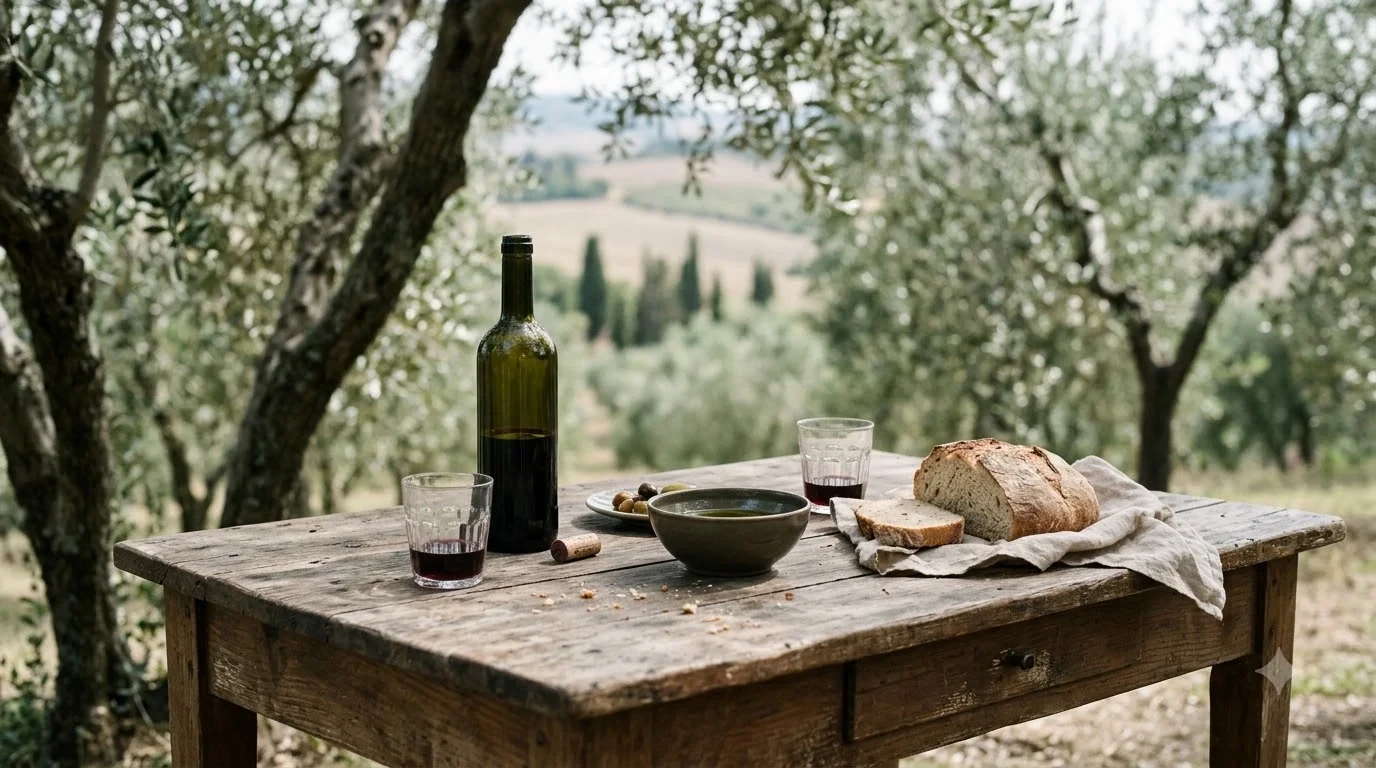
chianti sugar content is low because classic Chianti is made in a dry style, not as a sweet red wine. Its ripe cherry and berry aromas can suggest sweetness, but the wine’s acidity, tannin and dry finish usually keep the palate savory and fresh. The current Chianti DOCG rules also describe a separate Chianti Rosé style as dry. Exact residual sugar can vary by producer and bottle.
Chianti is one of Italy’s best-known red wines, built primarily around Sangiovese and traditionally served with food. Understanding its sugar level means separating measurable residual sugar from the fruit flavors that make the wine smell and taste generous. The distinction helps when choosing a bottle, comparing it with sweeter styles, or planning a meal.
Chianti Sugar Content and What Dry Means
Chianti is classified as dry, so it is not intended to taste sweet like Port or a dessert wine. The clearest way to interpret its sweetness is through residual sugar, the glucose and fructose left after fermentation, rather than through cherry-like aromas.
The current Chianti production specification describes the wine’s taste as dry, savory and slightly tannic. It sets a minimum total acidity of 4.0 grams per liter for standard Chianti, but does not give a single residual-sugar ceiling for every bottle. In other words, the appellation’s dry style is the useful starting point; it is not accurate to claim that every Chianti contains exactly the same number of grams of sugar.
For context, the International Organisation of Vine and Wine (OIV) defines dry wine as containing no more than 4 grams of sugar per liter, or up to 9 grams per liter when total acidity, measured as tartaric acid, is no more than 2 grams per liter below the sugar figure. At 4 g/L, a 150-milliliter pour contains about 0.6 gram of residual sugar; at 9 g/L, it would contain about 1.35 grams, provided the acidity condition is met. Those are category calculations, not a laboratory reading for a particular Chianti.
Residual sugar is different from total carbohydrate, alcohol or calories. Fermentation converts grape sugars into alcohol and carbon dioxide; when little sugar remains, the wine tastes dry even if its fruit aromas seem ripe. A specific bottling’s analysis is the only way to know its exact measurement.
Tip: When a Chianti smells of ripe cherries or blackberries, do not assume it is sweet. Taste the finish: a crisp, mouthwatering sensation and a dry, slightly grippy close are classic clues that fruit aroma is not residual sugar.
Fruit Aroma Is Not the Same as Residual Sugar
Chianti can seem fruit-forward while remaining dry because aroma and sweetness are separate parts of wine tasting. Sangiovese commonly brings red cherry, sour cherry, violet, dried herb and sometimes black-tea or tobacco notes, while its naturally high acidity keeps the palate lively.
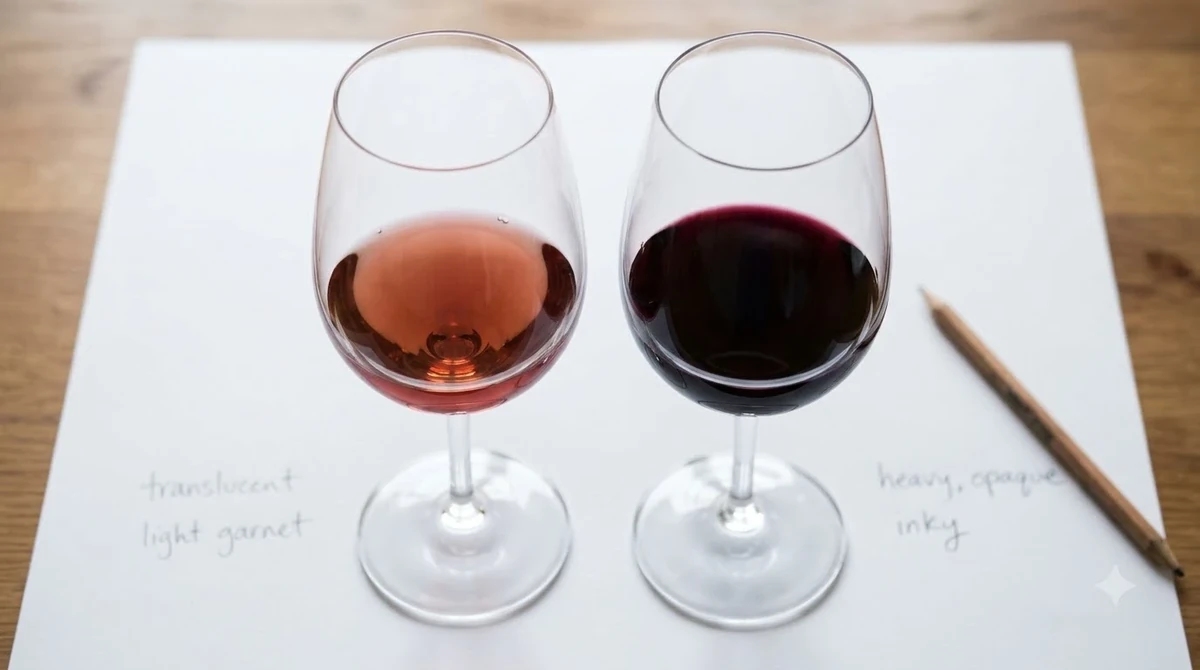
Smell is influential. Ripe cherry, strawberry or plum aromas may suggest sweetness before the wine reaches the tongue. Acidity then makes the fruit seem brighter and more tart, while tannin adds a drying sensation along the gums. The result can feel juicy without the sugary finish of an off-dry wine.
Think of fresh cherries rather than cherry candy: both have a recognizable fruit character, but one is crisp and tangy while the other is sugary. Many Chianti wines sit closer to fresh fruit, moving from cherry at the front of the palate toward herbs, earth, spice or slight bitterness on the finish.
Acidity is a major part of the style. Sangiovese grown in Tuscany is known for firm natural acidity, and Wine Enthusiast’s Chianti overview describes the wine’s mouthwatering freshness, red and black cherry, violets, herbs and earth. Decanter likewise identifies Sangiovese as a high-acid grape with red-fruit character and possible black-tea, chocolate or tobacco notes. These details help explain why the wine can smell ripe but still taste dry.
Chianti DOCG Rules and the Sangiovese Blend
Chianti is a protected Tuscan wine designation with grape and production rules, not simply a name for any Italian red. Sangiovese must make up at least 60 percent of standard non-rosé Chianti, and the wider denomination includes eight named subzones.
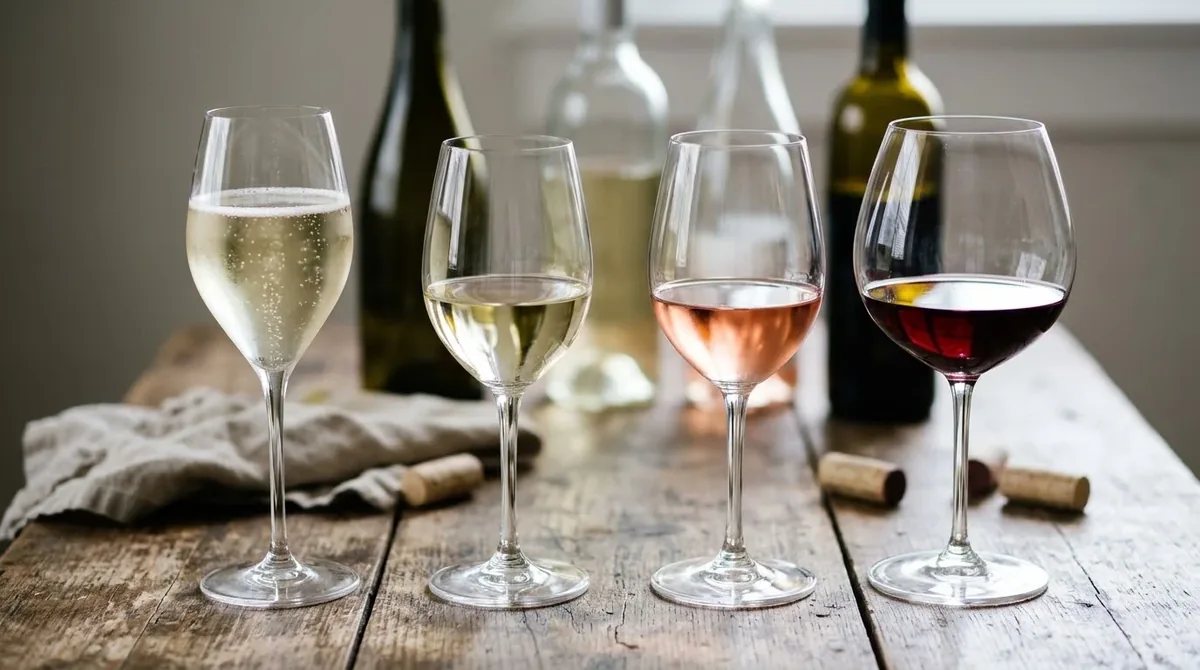
The current production specification allows Sangiovese to account for 60 to 100 percent of standard non-rosé Chianti. Other grape varieties suitable for cultivation in Tuscany may contribute; white grapes are capped at 10 percent, and Cabernet Franc plus Cabernet Sauvignon together may not exceed 15 percent, except in Colli Senesi where their combined cap is 10 percent. These blending rules can alter body, color, aroma and tannin, but they do not turn Chianti into a sweet wine category.
The eight subzones are Colli Aretini, Colli Fiorentini, Colli Senesi, Colline Pisane, Montalbano, Montespertoli, Rufina and Terre di Vinci. Their growing conditions influence ripeness and texture. Wine Enthusiast places Chianti’s hills at roughly 820 to 1,970 feet, where day-to-night temperature swings help preserve acidity.
It is important not to confuse Chianti DOCG with Chianti Classico DOCG. They are separate designations, and Chianti Classico is not merely a premium label placed on every Chianti from the same broad area. Chianti Classico requires at least 80 percent Sangiovese, compared with 60 percent for standard Chianti, and its production zone and rules are distinct. The Chianti specification describes its own wines as dry, savory and slightly tannic, with ruby color developing garnet tones as they age. If a wine list offers both, treat them as related but separate Tuscan appellations rather than interchangeable names.
Residual Sugar Compared With Other Wine Styles
Chianti belongs on the dry side of the wine-sweetness scale, well apart from dessert wines and many fortified wines. Comparing the formal categories makes it easier to distinguish a small amount of residual sugar from a wine that is genuinely sweet.
The OIV’s international labeling standard gives the following still-wine categories. The acidity condition matters: a wine can still qualify as dry above 4 g/L when its total acidity is high enough, while a less acidic wine would not use the same allowance.
| Style category | Residual sugar | How it generally reads |
|---|---|---|
| Dry | Up to 4 g/L, or up to 9 g/L with the required acidity | Little obvious sweetness; fruit may still be expressive |
| Medium-dry | Above the dry limit to 12 g/L, or up to 18 g/L under the acidity condition | A hint of sweetness may show |
| Semi-sweet | Above the medium-dry limit to 45 g/L | Noticeably sweet to many palates |
| Sweet | At least 45 g/L | Clearly sweet, often suitable with dessert |
These are general categories, not measurements for every Chianti bottle. Standard Chianti is described as dry, whereas fortified Port has a different production method and sweetness range; see the guide to port sugar content for that contrast.
Merlot can produce softer, rounder reds, but grape variety alone does not establish residual sugar. A dry Merlot can have little remaining sugar, just as Chianti can; see merlot sugar content for a comparison based on measurement rather than body or fruit intensity. The site’s Wine by Type resource puts Chianti alongside red, white, sparkling and dessert styles: a wine can smell ripe and feel round while remaining dry.
Why Individual Bottles Can Taste Different
Chianti’s overall identity is dry, but one bottle can taste rounder, riper or more savory than another. Vintage conditions, subzone, grape proportions, fermentation and aging all influence flavor and texture even when the finished wine remains dry.
Ripeness and blending are two sources of variation. A warmer season can give Sangiovese riper fruit aromas and a fuller impression, while cooler conditions and large day-to-night temperature changes may emphasize sharper cherry notes. Canaiolo may contribute softer fruit, Colorino can deepen color and tannin, and permitted grapes such as Merlot, Cabernet Sauvignon or Syrah may influence body and structure. These differences describe fruit character and the balance of acidity, alcohol and tannin, not necessarily a change in residual sugar.
Some producers use the traditional governo all’uso Toscano method. The official specification describes it as a slow refermentation of newly drawn-off wine with slightly dried grapes from permitted varieties. That process can bring a rounded, lively impression to the finished wine, but it is still a fermentation technique rather than a reason to classify Chianti as a sweet red. The regional specification continues to describe the resulting style as dry.
Aging can shift fresh cherry notes toward dried fruit, leather, earth or spice, while tannins feel less angular. That evolution may make the wine seem softer, but softness is not a measurable increase in residual sugar; a mature Chianti can remain dry.
Pairing Chianti and Serving It at the Right Temperature
Chianti’s high acidity and moderate tannin make it a natural partner for foods that have tomato, herbs, salt or savory richness. Serve most lighter, medium-bodied examples slightly cool, around 55 to 60°F, so the fruit stays fresh and the alcohol does not dominate.
Tomato-based pasta is a classic match because the wine’s acidity can stand up to the sauce rather than seeming flat beside it. Pizza with tomato, mozzarella and salty toppings works for the same reason. For richer meals, try bistecca alla Fiorentina, grilled sausages, roast pork, or pappardelle with a slow-cooked meat sauce; protein and fat soften tannin and help the wine’s savory flavors show through.
Aged Pecorino Toscano, Parmigiano-Reggiano and other firm, salty cheeses balance the wine’s acidity and grip. Mushroom dishes, lentils and rosemary-roasted vegetables also suit lighter Chianti with bright cherry and herbal notes. Very spicy food is less reliable because chili heat can feel stronger beside alcohol and tannin; oily fish is also difficult with tannic red wine, so choose a crisp white instead.
Do not serve red wine warm simply because it is red. Start around 55 to 60°F; at a 72°F room temperature, Chianti can seem more alcoholic and less lively. Chill a warm bottle briefly, then let it open in the glass. The guide to chianti alcohol content explains how strength affects body and perceived warmth.
How to Choose Chianti on a Wine List or Shelf
Start by identifying the appellation, then decide whether you want an easy-drinking, fruit-led red or a more structured bottle for a substantial meal. The words Chianti, Chianti Superiore, Chianti Riserva and Chianti Classico signal different legal categories or origins, not a simple sweetness ladder.
A standard Chianti is a practical choice for pizza, tomato pasta and casual meals. A Chianti Superiore has additional production requirements and a stated minimum total alcohol level of 12.5 percent by volume in the current product specification. A Chianti Riserva must age for at least two years and has a minimum total alcohol level of 12.5 percent, so it may offer a more developed profile and firmer structure. None of those terms means that the wine is sweet.
Subzone names can help narrow the style. Rufina, Colli Senesi and Terre di Vinci are among the eight Chianti subzones, and their growing conditions can contribute to differences in acidity, perfume and structure. The label may identify a subzone or simply say Chianti. If it names Chianti Classico, remember that it belongs to a separate DOCG with its own production zone and minimum Sangiovese requirement.
Do not guess sweetness from color or bottle weight. Sour cherry, violet, fresh herbs and brisk acidity suggest a lively style; dried fruit, spice, leather and earth may indicate development, but none proves high residual sugar. Ask for the bottling’s residual-sugar analysis when an exact figure matters. Match the bottle to the occasion: young Chianti suits bright, casual meals, while Riserva can work with grilled beef and a longer dinner. For genuine sweetness, choose a wine described as sweet or semi-sweet, or explore a dessert style such as Vin Santo.
Frequently Asked Questions
These quick answers cover label details and Tuscan wine terms that can be confusing when you are comparing bottles. The central point remains that standard Chianti is a dry red, even when the aromas are generous and fruit-driven.
Does every bottle of Chianti have to show its vintage?
Yes. The Chianti product specification requires the harvest year to appear on bottles or other containers bearing the Chianti designation. The vintage identifies the year the grapes were produced, not the year the bottle was purchased.
Does Chianti Riserva have to spend time in oak?
The current production specification requires Chianti Riserva to age for at least two years, but it does not set a universal minimum number of months in oak. A producer may choose to use wood for flavor and texture, but the Riserva designation is based on the appellation’s stated aging requirement rather than a fixed oak schedule.
What does “governato” mean on a Chianti label?
The optional term refers to the traditional governo all’uso Toscano technique, which the production rules describe as a slow second fermentation using slightly dried permitted grapes. It is a winemaking reference rather than a sweetness category, so the word should not be read as meaning that the wine is sweet.
Is Vin Santo the same kind of wine as Chianti?
No. Vin Santo is a distinct Tuscan dessert wine, commonly made with Malvasia Bianca and Trebbiano grapes that are dried before pressing and fermentation. Wine Enthusiast describes it as sweet, with notes such as orange peel, raisin, walnut and baked fig, and reports that it is aged for at least three years in small wooden casks.
Why is Chianti called DOCG?
DOCG stands for Denominazione di Origine Controllata e Garantita, an Italian designation for wines tied to a defined origin and production rules. Chianti received DOCG status in 1984, while Chianti Classico became a separate DOCG in 1996.
Chianti is best understood as a dry, Sangiovese-led red whose bright fruit can be mistaken for sweetness. Choose it for freshness, acidity and savory food pairings rather than for a sugary finish, and use the individual producer’s analysis when you need an exact residual-sugar figure. That approach makes it easier to compare Chianti with Merlot, Port and other wine styles on the basis that matters: what is actually in the glass.
More in Wine Types & Grapes
 What Does Ruby Port Taste Like? Flavor Notes, Styles, and Serving TipsUpdated Nov 21, 2026
 What Does Ribolla Gialla Taste Like? Crisp White and Amber Styles ExplainedUpdated Nov 21, 2026
 What Does Semillon Taste Like? Flavor Profile, Styles & PairingsUpdated Nov 21, 2026
 What Does Scuppernong Taste Like? Flavor, Styles, and Pairing GuideUpdated Nov 21, 2026
 What Does Saperavi Taste Like? Flavors, Styles, and Pairing GuideUpdated Nov 21, 2026
 What Does Natural Wine Taste Like? Flavors, Styles, and Serving TipsUpdated Nov 21, 2026