

We may earn a commission when you buy through links on this page, at no extra cost to you. Learn more.
Chianti alcohol content typically ranges from approximately 11.5% to 14% ABV, depending on the appellation, classification, grape ripeness, and winemaking style. Standard Chianti DOCG has a minimum alcoholic strength of 11.5% ABV, while Chianti Classico starts at 12% ABV. Riserva and Gran Selezione wines have higher minimum requirements, making the label an important guide when comparing bottles.
Chianti is one of Tuscany’s best-known red wines, recognized for its Sangiovese-driven character, lively acidity, red cherry flavors, and savory finish. Its alcohol level is not fixed across the region, however. A straightforward Chianti DOCG can have a noticeably different ABV from an aged Chianti Classico Riserva or Gran Selezione. Understanding these differences helps you choose a bottle that suits your preferred wine style, meal, and serving occasion.
Typical Alcohol Content in Chianti Wine
Most Chianti wines fall within an approximate 11.5% to 14% ABV range, although individual bottles can fall outside this general range. The legal minimum depends on the specific designation, while the finished alcohol level also reflects grape ripeness and fermentation.
For a quick comparison, standard Chianti DOCG starts at 11.5% ABV, and Chianti Classico Annata starts at 12% ABV. More structured classifications have higher minimum requirements. These are minimum figures rather than mandatory final alcohol percentages, so a wine that meets a 12% minimum could contain 13% or more alcohol.
Here is a useful overview of the principal categories and their minimum alcoholic strengths:
| Chianti classification | Minimum alcohol content | Minimum maturation requirement |
|---|---|---|
| Standard Chianti DOCG | 11.5% ABV | Varies by designation |
| Chianti Superiore | 12% ABV | Higher production standards |
| Chianti Riserva | 12% ABV | At least 24 months |
| Chianti Classico Annata | 12% ABV | 12 months |
| Chianti Classico Riserva | 12.5% ABV | 24 months |
| Chianti Classico Gran Selezione | 13% ABV | 30 months |
The figures for standard Chianti and Chianti Riserva require an additional distinction: some Chianti subzones have higher minimums than the general appellation. For example, Chianti Rufina starts at 12%, while its Riserva classification starts at 12.5%. Chianti Colli Senesi Riserva has a minimum of 13% ABV. These differences come from the applicable production specifications, not simply from a winemaker’s preference.
Actual bottles can exceed these minimums. A Chianti Classico Annata might contain 12.5%, 13%, or even 14% alcohol, depending on its growing conditions and production choices. Decanter’s reporting on the 2024 Chianti Classico vintage describes Annata wines that typically ranged from 12% to 13%, illustrating how a particular growing season can influence the finished wine.
Chianti DOCG vs. Chianti Classico Alcohol Levels
Chianti DOCG and Chianti Classico are separate wine designations, and their alcohol requirements are not identical. Standard Chianti DOCG begins at 11.5% ABV, whereas Chianti Classico Annata requires at least 12% ABV.
The distinction is partly geographical and partly related to production rules. Chianti DOCG covers a broad area of Tuscany, including territories across the provinces of Arezzo, Florence, Pisa, Pistoia, Prato, and Siena. Chianti Classico comes from the historic central area between Florence and Siena and operates under its own DOCG regulations.
There are also differences in grape requirements. According to the regional information published by Visit Tuscany, Chianti DOCG uses a minimum of 75% Sangiovese, with other permitted grapes contributing to the blend. Chianti Classico requires at least 80% Sangiovese and allows up to 20% complementary red varieties. White grapes are not permitted in Chianti Classico.
These grape rules influence the wines’ structure, aroma, and flavor, but they do not establish a single alcohol percentage for every bottle. Sangiovese can develop different sugar concentrations depending on the climate, vineyard location, harvest date, and growing season. Consequently, two wines with similar grape compositions can have different ABV figures.
The distinction becomes particularly useful when comparing wines on a store shelf. A bottle labeled simply Chianti may have a lower minimum alcohol requirement than a bottle labeled Chianti Classico. However, that does not mean every Chianti Classico is stronger than every standard Chianti. A standard Chianti at 13.5% ABV can contain more alcohol than a Chianti Classico at 12% ABV.
For additional background on the different categories, the Wine by Type resource provides a useful starting point for understanding how wine designations and styles differ.
How Riserva and Gran Selezione Affect Alcohol Content
Chianti Riserva and Chianti Classico Gran Selezione are more demanding classifications than their basic counterparts, with longer maturation periods and higher minimum alcohol requirements in several categories. Their production standards distinguish them from younger, more straightforward Chianti wines.
For standard Chianti DOCG, Riserva requires at least 12% ABV. The minimum rises to 12.5% for several Riserva subzones, including Rufina and Colli Fiorentini, and reaches 13% for Colli Senesi Riserva. These requirements mean that the words Riserva alone do not establish one universal ABV figure across all Chianti wines.
Chianti Classico has a separate three-tier classification system. Its Annata category requires at least 12% ABV and 12 months of maturation. Riserva requires 12.5% ABV and 24 months, while Gran Selezione requires 13% ABV and 30 months.
Gran Selezione also has a distinctive vineyard requirement: its grapes must come exclusively from vineyards operated by the bottling company. This makes the category different from a standard Chianti Classico Riserva, beyond the difference in minimum alcohol.
Longer maturation does not automatically create more alcohol. Fermentation is responsible for converting grape sugar into alcohol, while aging develops the wine’s texture, aroma, and flavor. A wine can spend 30 months maturing without gaining a meaningful increase in ABV during that period.
Instead, the higher minimum requirements reflect the production standards for these categories. Winemakers may harvest grapes at different stages of ripeness, and the resulting sugar levels influence potential alcohol. The final ABV depends on fermentation and other permitted winemaking practices.
For shoppers, the practical lesson is to treat classification and alcohol percentage as two separate pieces of information. Gran Selezione indicates a particular production category, but the actual ABV still needs to be established from the individual bottle.
The Chianti Classico Consortium’s official classification and chemical parameters provide the minimum alcohol and maturation figures for Annata, Riserva, and Gran Selezione.
What Determines Alcohol Levels in Chianti?
Chianti alcohol content is influenced by grape sugar, growing-season conditions, harvest timing, fermentation, and the winemaker’s decisions. Sangiovese is the central variety, and its ripeness plays a major role in determining the potential alcohol of the finished wine.
Grape ripeness and natural sugar
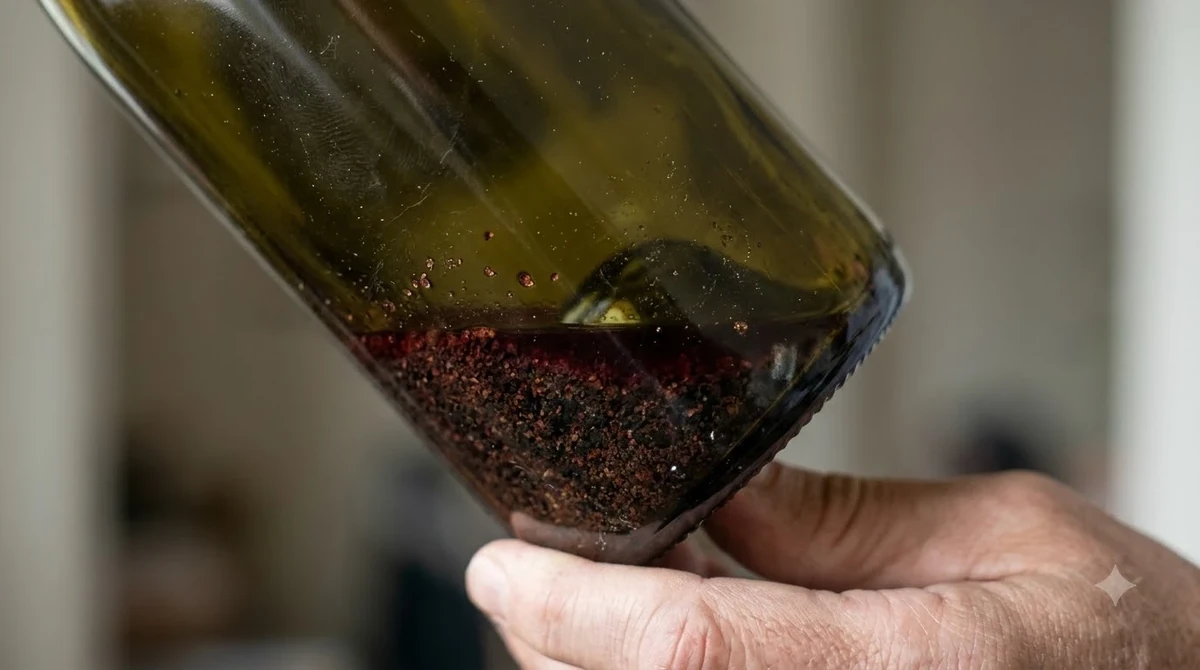
As grapes mature, their sugar concentration generally increases. During fermentation, yeast converts much of this sugar into alcohol and carbon dioxide. Higher-sugar grapes therefore have the potential to produce wine with a higher ABV, provided fermentation proceeds accordingly.
Harvest timing matters because winemakers must balance sugar accumulation with acidity, tannin development, and flavor maturity. Picking earlier can help preserve freshness and limit potential alcohol. Leaving grapes on the vine longer can increase sugar levels, although weather conditions and vineyard health also influence the final decision.
Climate and vineyard location
Tuscany has different growing conditions across its wine-producing territories. Elevation, temperature, sunlight, rainfall, and soil characteristics influence how Sangiovese develops during the growing season.
Cooler locations can encourage slower ripening and help retain acidity. Warmer conditions can accelerate sugar accumulation, potentially producing wines with higher alcohol. This is one reason Chianti from different subzones can show different alcohol levels even when the grape variety is similar.
The 2024 Chianti Classico vintage offers a useful example. Decanter reported that cool, rainy September and October conditions extended the ripening period. Growers and producers described the resulting wines as having lower alcohol and brighter acidity, with many Annata examples sitting between 12% and 13% ABV.
Fermentation and winemaking choices
Fermentation converts grape sugars into alcohol, but the final result depends on several factors, including yeast activity, fermentation conditions, and the amount of fermentable sugar available. Winemakers also make decisions about extraction, blending, and maturation that influence the wine’s overall balance.
Some producers aim for a fresher, lighter style that emphasizes Sangiovese’s red fruit and acidity. Others prefer fuller wines with more concentrated fruit and a greater sense of structure. These choices can result in different alcohol levels within the same broad appellation.
Blending can also influence the final wine’s character. Chianti permits several complementary grape varieties, including Canaiolo and other authorized red grapes. Their proportions may change the wine’s body, tannin, and aromatic profile, although the overall alcohol content still depends largely on the sugars fermented in the finished blend.
It is important not to assume that more oak aging means more alcohol. Barrels can influence texture and aromatic complexity, but they are not the primary source of the wine’s ethanol. The alcohol level is established mainly through fermentation.
How to Read the Alcohol Percentage on a Chianti Label
The easiest way to establish a bottle’s actual alcohol content is to look for the ABV percentage printed on its label. This number tells you how much of the wine’s volume consists of pure alcohol and is more useful for comparing individual bottles than relying on the classification name alone.
Look for a notation such as 12%, 12.5%, 13%, or 14% vol. The abbreviation ABV means alcohol by volume, while the Italian expression percentuale alcolometrica volumica refers to the same basic measurement. A bottle marked 13% ABV contains 13% alcohol by volume.
Consider these examples:
- 12% ABV: A relatively moderate-strength Chianti that may emphasize fresh cherry, herbs, and lively acidity.
- 12.5% ABV: A common figure for more structured Chianti styles, including the minimum for Chianti Classico Riserva.
- 13% ABV: A level that meets the minimum for Chianti Classico Gran Selezione and some other more substantial wines.
- 13.5% ABV: A stronger example that can offer concentrated fruit and a fuller impression on the palate.
- 14% ABV: A relatively high figure for Chianti, potentially accompanied by a warmer sensation and greater perceived weight.
These descriptions are general tendencies rather than strict tasting rules. A 12% wine can have considerable structure, while a 14% wine can retain impressive freshness if its acidity, fruit, and tannins are balanced.
When comparing two bottles, first identify their classifications and then compare the printed percentages. For example, a Chianti DOCG at 13% ABV contains more alcohol than a Chianti Classico Annata at 12%. The designation tells you about the production rules; the ABV tells you the actual alcohol concentration.
Tip: Compare the ABV printed on individual bottles rather than assuming that Riserva or Gran Selezione always contains more alcohol than every standard Chianti. Minimum legal requirements and actual alcohol percentages are different measurements.
Alcohol percentage can also help when comparing Chianti with other wine styles. For instance, Marsala alcohol content varies considerably because Marsala is a fortified wine, while Chianti is a naturally fermented table wine. Similarly, tawny Port alcohol content is generally higher because Port production involves fortification.
For the legal distinction between standard Chianti and its geographical subzones, the European Union’s published Chianti production specifications list the applicable minimum alcoholic strengths for the different designations.
How Chianti Alcohol Content Affects Taste and Food Pairing
Alcohol contributes to the body, texture, warmth, and overall balance of Chianti. Higher-ABV wines can feel fuller and warmer, while lower-ABV examples may seem lighter and more refreshing, especially when their acidity is prominent.
Chianti’s main grape, Sangiovese, is known for its bright acidity and cherry-driven flavor profile. It commonly produces dry wines with moderate tannins, savory notes, and enough freshness to complement tomato-based dishes.
Alcohol is only one part of the tasting experience. A 13.5% Chianti with lively acidity may taste fresher than a 12% wine with softer acidity and less structure. Fruit concentration, tannin, temperature, and food all affect how the alcohol is perceived.
Pairing lower- and moderate-alcohol Chianti
Chianti around 11.5% to 12.5% ABV is a natural match for everyday Italian dishes. Its acidity works particularly well with tomato sauces, while its moderate tannins complement foods containing salt and fat.
Try these combinations:
- Spaghetti with tomato sauce: Sangiovese’s acidity complements the acidity of tomatoes, keeping the combination balanced.
- Margherita pizza: Tomato, cheese, and a crisp crust provide a satisfying match for fresh, medium-bodied Chianti.
- Lasagna with meat ragù: The savory meat and cheese soften the wine’s tannins, while the acidity balances the richness.
- Grilled chicken: A lighter Chianti works well with roasted or grilled poultry, particularly when herbs are used.
Pairing higher-alcohol Chianti
Chianti around 13% to 14% ABV can work especially well with more substantial dishes. The additional body and warmth can complement roasted meat, grilled beef, game, and aged cheeses.
Good options include:
- Grilled steak: Protein and fat soften tannin, while the wine’s acidity provides contrast.
- Roast pork: Savory flavors and the meat’s richness suit a structured Chianti.
- Wild boar ragù: The deep, savory character of the sauce works with the wine’s fruit and tannins.
- Aged Pecorino: Salt and fat help soften tannic sensations, creating a balanced pairing.
One consideration is chili heat. High-alcohol wines can intensify the sensation of spicy food, so a very hot tomato sauce or heavily peppered dish may make a stronger Chianti feel more alcoholic. For spicy meals, a wine with moderate alcohol and softer tannins may be a more comfortable choice.
Chianti is also generally less suitable for oily fish such as sardines or salmon when the wine has pronounced tannins. The combination can produce an unpleasant metallic impression. Lighter preparations with less oily fish may work better with a fresh white wine.
Serving Temperature, Glass Size, and Alcohol Comparisons
Serving Chianti at the right temperature helps balance its alcohol, acidity, fruit, and tannins. A useful serving range for light to medium-bodied red wines is 55–60°F, while fuller-bodied examples generally benefit from 60–65°F.
Chianti is often best served slightly cooler than typical room temperature. Excessive warmth can make alcohol feel more pronounced and can reduce the impression of freshness. Conversely, serving the wine too cold can mute its aromas and make tannins seem more noticeable.
For a lighter Chianti DOCG, try approximately 55–60°F. A structured Chianti Classico Riserva can be served around 60–65°F, depending on its body and style. Allow a bottle that has been stored in a warm room to cool before serving rather than pouring it immediately.
Pour size and bottle calculations
A standard 750 ml bottle contains approximately five 5-ounce glasses. This makes the bottle size and ABV useful for comparing the amount of alcohol in different wines.
For example, a 5-ounce pour of wine at 12% ABV contains approximately 0.6 fluid ounces of pure alcohol. The same pour at 14% ABV contains approximately 0.7 fluid ounces. That is a difference of approximately 0.1 fluid ounces of pure alcohol per glass.
The following comparison illustrates the difference between common Chianti percentages:
| Wine strength | Pure alcohol in a 5 oz pour | Pure alcohol in 750 ml |
|---|---|---|
| 11.5% ABV | 0.575 fl oz | 86.25 ml |
| 12% ABV | 0.60 fl oz | 90 ml |
| 12.5% ABV | 0.625 fl oz | 93.75 ml |
| 13% ABV | 0.65 fl oz | 97.5 ml |
| 14% ABV | 0.70 fl oz | 105 ml |
These figures are approximate calculations based on the stated serving volume and ABV. They show why two wines served in identical glasses can deliver different amounts of alcohol.
Decanting and storage
Young, full-bodied red wines can benefit from 30–60 minutes of decanting before serving. This gives the wine time to open aromatically and can soften the initial impression of firm tannins. A lighter Chianti may need less time, while an older bottle should be handled carefully to preserve its delicate aromas.
For storage, keep unopened Chianti bottles on their sides in a cool, dark place near 55°F, away from direct sunlight and major temperature changes. Once opened, refrigerate the wine and aim to finish a still red within approximately three to five days for the best quality. Allow chilled wine to warm slightly before pouring another glass.
Alcohol content does not determine how long a bottle will remain enjoyable after opening. Oxygen exposure, wine structure, storage conditions, and the bottle’s age are also important factors.
Frequently Asked Questions
How much alcohol is in one glass of Chianti?
A standard 5-ounce glass of Chianti at 13% ABV contains approximately 0.65 fluid ounces of pure alcohol. A 5-ounce pour at 12% ABV contains approximately 0.6 fluid ounces. Actual quantities depend on both the wine’s ABV and the amount poured.
Is Chianti considered a full-bodied wine?
Most traditional Chianti wines are light- to medium-bodied rather than consistently full-bodied. Sangiovese contributes noticeable acidity and moderate tannins, while the concentration of fruit and production choices influence the wine’s weight. Some premium, concentrated examples can feel considerably fuller.
Can Chianti contain 15% alcohol?
A Chianti bottle with 15% ABV would be an unusually strong example compared with the typical range. The applicable production specification and permitted winemaking practices determine whether a particular wine can legally reach that concentration. A higher percentage alone does not establish that a wine is better or more authentic.
Does Chianti have more alcohol than Pinot Noir?
Not necessarily. Chianti commonly falls around 11.5% to 14% ABV, while Pinot Noir can also vary considerably depending on its region and growing conditions. Comparing the actual ABV printed on two bottles is more reliable than comparing grape varieties alone.
Does Chianti alcohol content change after opening?
The labeled alcohol concentration does not meaningfully increase or decrease simply because a bottle has been opened. However, exposure to oxygen changes the wine’s aromas and flavors over time. Evaporation can occur under certain conditions, but ordinary storage over a few days does not normally create a meaningful change in the wine’s ABV.
Chianti alcohol content generally ranges from 11.5% to 14% ABV, with the exact figure depending on the designation, vintage, and winemaking style. Standard Chianti, Chianti Classico, Riserva, and Gran Selezione each have different production requirements, so comparing the printed ABV is the simplest way to choose the right bottle. Whether you prefer a fresh, lighter red for pasta or a structured wine for roasted meat, Chianti offers plenty of styles to explore.
More in Wine Types & Grapes
 Zinfandel Sugar Content: Dry Red vs. White Zinfandel GramsUpdated Nov 21, 2026
 Best Zinfandel Substitute Options for Sipping and CookingUpdated Nov 21, 2026
 Zweigelt Food Pairing: Best Dishes, Cheeses, and Serving TipsUpdated Nov 21, 2026
 Zinfandel Tannins Explained: How Structure Shapes Every BottleUpdated Nov 21, 2026
 Zinfandel Sweetness Level: Dry Red vs. Sweet White Zin ExplainedUpdated Nov 21, 2026
 Xinomavro Food Pairing: Best Dishes, Styles, and Serving TipsUpdated Nov 21, 2026