

We may earn a commission when you buy through links on this page, at no extra cost to you. Learn more.
A chenin blanc substitute is usually Riesling, Sauvignon Blanc, or Chardonnay, depending on the sweetness, acidity, and body of the original wine. Riesling is the closest overall choice for matching Chenin Blanc’s versatility and bright acidity. Sauvignon Blanc works particularly well for crisp, dry styles, while Chardonnay is a better option for fuller, richer expressions. The right replacement depends on how you plan to drink the wine or use it in a recipe.
Chenin Blanc is an unusually flexible white grape, producing everything from refreshing, mineral-driven wines to sparkling bottles and richly sweet dessert wines. That variety makes choosing an alternative slightly more complicated than simply picking another white wine. A substitute should reproduce the qualities that matter most, whether those are crisp acidity, orchard fruit, honeyed sweetness, or a rounded texture. Fortunately, several widely available grapes can provide a satisfying replacement without changing the character of a meal or occasion too much.
Understanding Chenin Blanc Before Choosing a Substitute
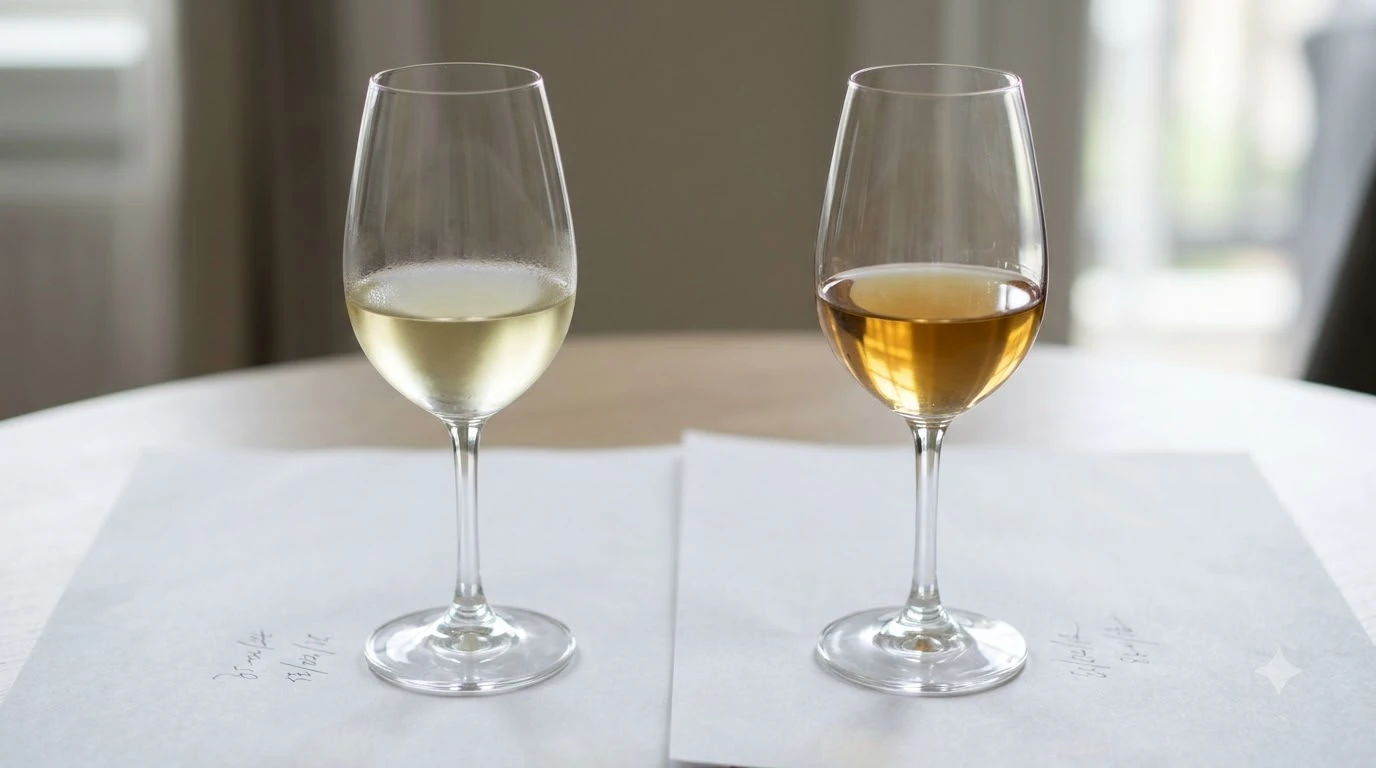
Chenin Blanc combines naturally high acidity with flavors of apple, pear, quince, citrus, and honey. Its sweetness and body vary considerably, so identifying the particular style is the first step toward finding a convincing replacement.
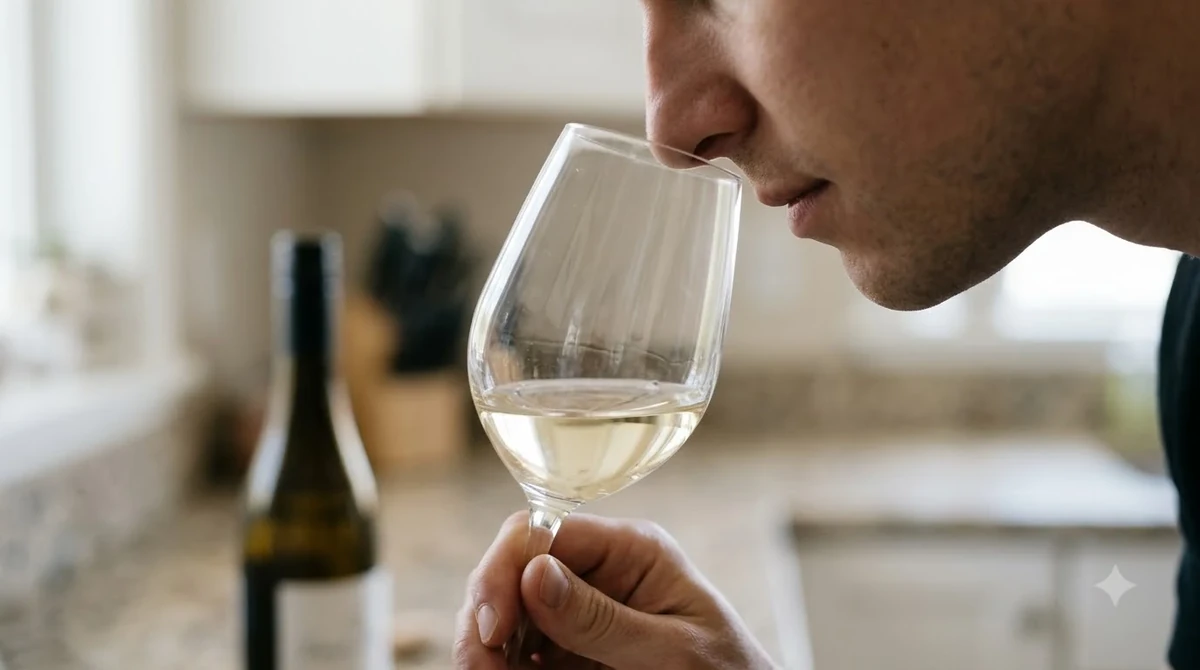
The grape originates in France’s Loire Valley and is particularly associated with appellations such as Vouvray and Savennières. It is also widely grown in South Africa, where it is traditionally called Steen. These regions illustrate why Chenin Blanc does not have one fixed flavor profile. A dry Loire example can be lean, mineral, and sharply refreshing, while a ripe South African bottle can have tropical fruit, greater weight, and a softer impression of acidity.
According to Wine Folly, recognizable Chenin Blanc flavors include quince, yellow apple, pear, chamomile, and honey. Some wines also develop pineapple, orange peel, and dried fruit characteristics. Oak aging can introduce baked apple, caramel, and buttery notes. Sweet wines may show honeycomb, apricot, and concentrated citrus, while sparkling examples emphasize green apple, lemon, and refreshing acidity.
Acidity is particularly important when choosing a replacement. Chenin Blanc can maintain freshness even when it contains noticeable residual sugar. This combination allows the wine to work with both savory meals and sweet dishes. A substitute that has similar fruit flavors but considerably less acidity may taste heavy beside the same food.
Body is another consideration. A light, dry Chenin Blanc does not need the same replacement as a broad, oak-influenced bottle. Likewise, replacing a sweet Vouvray with an entirely dry Sauvignon Blanc changes the balance of a dessert pairing. Matching the wine’s style is more useful than relying on the grape name alone.
Best White Wine Alternatives for Different Chenin Blanc Styles
Riesling is the strongest all-purpose alternative, while Sauvignon Blanc, Chardonnay, Albariño, and Pinot Grigio each suit particular expressions of Chenin Blanc. Choose according to the original wine’s acidity, sweetness, and texture rather than treating all white wines as interchangeable.
Riesling: This is the most versatile replacement because Riesling can be bone-dry, off-dry, or dessert-sweet. Its naturally high acidity provides the freshness associated with Chenin Blanc, while green apple, citrus, peach, and floral aromas offer familiar fruit characteristics. A dry Riesling is especially suitable for dry Loire Chenin Blanc, while an off-dry German Riesling can replace a lightly sweet Vouvray.
Sauvignon Blanc: Choose Sauvignon Blanc when the original wine is crisp, dry, and refreshing. It generally has high acidity and flavors of lemon, grapefruit, green herbs, and gooseberry. It is usually lighter and more overtly herbaceous than Chenin Blanc, so it is not the closest match for honeyed or full-bodied examples. Loire Sauvignon Blanc can be particularly useful when replacing a mineral-driven dry white.
Chardonnay: Chardonnay is a sensible alternative for fuller-bodied or oak-aged Chenin Blanc. Its flavors can include yellow apple, lemon, butter, vanilla, and toast. An unoaked Chardonnay is more suitable when freshness matters, whereas a lightly oaked example works for richer Chenin Blanc served with roast poultry or creamy dishes. Chardonnay generally has medium acidity, so it will not reproduce Chenin Blanc’s sharper freshness exactly.
Albariño: This Spanish white is a good choice for someone who enjoys the bright acidity and refreshing fruit of dry Chenin Blanc. Lemon, peach, and saline characteristics make it particularly appealing with seafood. Its profile is generally more citrus-driven and coastal than the apple, quince, and honey character associated with Chenin Blanc.
Grüner Veltliner: Austrian Grüner Veltliner is another useful dry alternative. Green apple, lime, and white pepper create a lively profile, while high acidity makes it suitable for vegetable dishes and lighter meals. It is a particularly good option when the goal is a refreshing, food-friendly white rather than a close match for sweetness.
Pinot Grigio: Choose Pinot Grigio when a light, uncomplicated dry white is needed. Its typical pear, apple, and lemon flavors provide some familiar orchard-fruit character. However, it generally has less of Chenin Blanc’s distinctive textural depth and does not offer the same broad range of sweet styles.
Tip: If you are unsure which alternative to select, start with Riesling. Its combination of high acidity and a wide sweetness range makes it easier to match different Chenin Blanc styles than most other white grapes.
Comparing Flavor, Acidity, Sweetness, and Body
The most useful way to compare substitutes is to look at four characteristics: acidity, body, sweetness, and flavor. These differences explain why Riesling can replace several Chenin Blanc styles, while Sauvignon Blanc and Chardonnay are better suited to narrower situations.
The following comparison uses typical characteristics rather than fixed rules. Climate, vineyard conditions, harvest timing, fermentation, and aging can change the finished wine considerably.
| Wine | Acidity | Typical Sweetness | Body | Main Flavors |
|---|---|---|---|---|
| Chenin Blanc | High | Dry to sweet | Light to full | Quince, apple, honey |
| Riesling | High | Dry to very sweet | Light to medium | Lime, apple, peach |
| Sauvignon Blanc | High | Usually dry | Light to medium | Citrus, herbs, gooseberry |
| Chardonnay | Medium | Usually dry | Medium to full | Apple, lemon, butter |
| Albariño | High | Usually dry | Light to medium | Lemon, peach, saline |
| Grüner Veltliner | High | Usually dry | Light to medium | Green apple, lime, pepper |
| Pinot Grigio | Medium to medium-high | Usually dry | Light to medium | Pear, apple, lemon |
For the closest structural match, prioritize Riesling and Grüner Veltliner. Both offer high acidity, and both can provide a refreshing contrast to rich food. Riesling has the advantage of a broader sweetness spectrum, making it more useful when the original Chenin Blanc is not completely dry.
For a closer match in texture, Chardonnay is more appropriate. Its medium acidity and fuller body make it a better replacement for richer Chenin Blanc than for lean, mineral-driven examples. An unoaked Chardonnay can retain freshness, while oak-aged Chardonnay introduces additional weight and flavors that may not be present in the original wine.
Flavor similarities should also be considered carefully. Apple and pear are shared by several white grapes, but Chenin Blanc’s quince, honey, and chamomile characteristics can be more distinctive. Sauvignon Blanc replaces the citrus freshness but introduces more herbal aromas. Albariño adds a saline quality, and Grüner Veltliner contributes its recognizable white-pepper character.
Choosing a Substitute for Food Pairings
The best replacement depends on what is on the plate. Match the acidity of the wine to acidic food, use some sweetness to balance spicy dishes, and consider body when pairing wine with rich sauces or roasted ingredients.
Thai and Southeast Asian food: Off-dry Riesling is usually the strongest substitute for a lightly sweet Chenin Blanc. Its acidity refreshes the palate, while a little residual sugar helps balance chili heat and aromatic spices. Thai green curry, Vietnamese dishes with sweet-and-sour sauces, and spicy noodle dishes can all benefit from this combination.
Dry Riesling is suitable for milder preparations, but a bone-dry Sauvignon Blanc can make strongly spiced food seem sharper. Alcohol and tannin can amplify chili heat, so a high-alcohol or heavily structured alternative is not always the best choice for a particularly spicy meal.
Seafood and shellfish: Albariño is an excellent alternative to dry Chenin Blanc with shrimp, crab, mussels, and grilled white fish. Its lemon and saline qualities work naturally with seafood. Sauvignon Blanc is another option, especially with oysters, citrus-dressed fish, and salads containing fresh herbs.
Roast chicken and turkey: Chardonnay is a good substitute for fuller-bodied Chenin Blanc, particularly when the poultry is served with butter, cream, or roasted vegetables. A medium-bodied Riesling is preferable if the meal includes apples, citrus, or a lightly sweet glaze. Both options can work, but Chardonnay provides more weight for richer preparations.
Pork and roasted vegetables: Chenin Blanc’s acidity makes it suitable for pork belly, pork chops, and vegetables with caramelized edges. Riesling can reproduce the refreshing quality, while Chardonnay works with creamier preparations. For pork served with apples or pears, an off-dry Riesling can complement the fruit without making the combination excessively sweet.
Goat cheese and salads: Sauvignon Blanc is a reliable substitute for crisp Chenin Blanc alongside goat cheese, green salads, and herb-based dressings. Its acidity complements the sharpness of the cheese and provides freshness. Albariño is another possibility, especially for salads featuring seafood or citrus.
Desserts and sweet cheeses: Select a sweet Riesling rather than a dry alternative. A dessert should generally be no sweeter than the wine served alongside it, otherwise the wine may taste sour or thin. Sweet Riesling works with fruit tarts, peach desserts, and blue cheese, while a dry white wine is unlikely to provide the same balance.
The central principle is to match the wine to the preparation, not simply the main ingredient. A grilled chicken breast with lemon and herbs calls for a different replacement from chicken in a rich cream sauce. Similarly, plain grilled fish and fish served with a spicy, sweet-and-sour dressing require different levels of acidity and sweetness.
Substitutes for Dry, Sweet, and Sparkling Chenin Blanc
Chenin Blanc’s broad range of styles makes sweetness the most important distinction when replacing it. Dry, off-dry, sweet, and sparkling wines each require a different approach to preserve the original drinking experience.
Replacing dry Chenin Blanc
For a dry Chenin Blanc, begin with dry Riesling, Sauvignon Blanc, or Grüner Veltliner. These wines provide refreshing acidity and work well as everyday dinner whites. Sauvignon Blanc is the better choice for citrus and herbal flavors, while Riesling is more appropriate for apple, pear, and a slightly broader fruit profile.
If the original wine comes from Savennières, look for a dry white with some mineral character and enough body to complement the food. Grüner Veltliner can work with lighter examples, while a fuller dry Chardonnay may be more suitable for a richer expression. Neither alternative will reproduce every characteristic of mature Loire Chenin Blanc, but both can provide a satisfying substitute.
Replacing off-dry Chenin Blanc
Off-dry Chenin Blanc is often the easiest style to replace with Riesling. Look for a bottle with noticeable fruit and a little residual sugar rather than one that is completely dry. This helps preserve the combination of sweetness and acidity that makes off-dry Chenin Blanc so adaptable to food.
Gewürztraminer is another possible alternative for aromatic dishes, especially preparations featuring ginger, fragrant spices, and mild curries. However, it typically has lower acidity than Chenin Blanc and a more pronounced lychee and rose-petal character. It is therefore a flavor alternative rather than an exact structural match.
Replacing sweet Chenin Blanc
For sweet Vouvray, Coteaux du Layon, or Quarts de Chaume, choose a sweet Riesling or another white dessert wine. Sweet Riesling retains the acidity needed to balance concentrated fruit and sugar. Depending on the style, its lime, peach, apricot, and honey characteristics can complement desserts that would otherwise be served with sweet Chenin Blanc.
The degree of sweetness matters. A lightly sweet wine should not be replaced automatically with an intensely sweet dessert wine, as the latter can overwhelm a relatively delicate dessert. Match the intensity of the wine to the dish, particularly with fruit-based desserts and blue cheese.
Replacing sparkling Chenin Blanc
For sparkling Chenin Blanc, choose traditional-method sparkling wine when texture and freshness are priorities. Crémant de Loire is an especially logical alternative because it comes from the same French region and can feature Chenin Blanc itself. Cava is another option, offering refreshing acidity and bubbles from a second fermentation in the bottle.
Prosecco can work for a fruitier, lighter sparkling alternative, but its Glera grape and tank fermentation method create a different profile. It is typically around 11–12% ABV and often emphasizes fresh pear and apple. Choose the sparkling wine according to the occasion and desired sweetness rather than assuming all sparkling whites taste alike.
Serving, Storing, and Using White Wine Alternatives
Correct serving temperature helps preserve the freshness and aroma of white wine substitutes. Light, crisp alternatives should be served colder than fuller-bodied whites, while proper storage helps maintain the flavor of any opened bottle.
For practical guidance, use these typical serving temperatures:
| Wine Style | Serving Temperature | Best Examples |
|---|---|---|
| Light, crisp whites | 45–50°F | Sauvignon Blanc, Albariño |
| Fuller-bodied whites | 50–55°F | Oaked Chardonnay, rich dry Chenin Blanc |
| Sweet whites | 43–50°F | Sweet Riesling, dessert Chenin Blanc |
| Sparkling whites | 40–50°F | Cava, Crémant de Loire, Prosecco |
Serving a white wine too cold can hide its aromatic character, while serving it too warm can make its alcohol and sweetness seem more prominent. A bottle of Albariño generally benefits from the cooler end of the light-white range, whereas a fuller Chardonnay can show more complexity at 50–55°F.
For a dinner party, plan on approximately 5 ounces per glass. A standard 750 ml bottle provides about five servings. If you are offering several alternatives, a dry Riesling and a Chardonnay can cover different preferences without requiring a large selection of bottles.
Opened still white wines generally keep for 3–5 days in the refrigerator when properly resealed. Sparkling wines usually retain their best character for approximately 1–3 days with an appropriate sparkling-wine stopper. Sweet and fortified wines can have different storage requirements, so their expected drinking window should not be assumed to match ordinary dry whites.
For cooking, choose an alternative that suits the sauce and the final dish. Dry Sauvignon Blanc or Pinot Grigio can work in seafood sauces, while Chardonnay is useful in creamy chicken preparations. Dry Riesling can add acidity to sauces for pork or poultry. Avoid using a very sweet wine in a savory recipe unless its sweetness is specifically part of the intended flavor balance.
It is also useful to consider how the wine will behave during reduction. Cooking concentrates flavor and acidity as liquid evaporates, so a strongly aromatic or sweet wine can become more prominent in a finished sauce. A dry white with moderate intensity is generally a safer starting point for recipes that call for ordinary dry Chenin Blanc.
How to Select the Closest Replacement in a Store
Choosing the right substitute becomes much easier when you identify the original wine’s style before selecting another bottle. Focus on sweetness, acidity, body, and production method rather than relying only on a grape name or regional reputation.
Start by determining whether the Chenin Blanc is dry, off-dry, sweet, or sparkling. If the original wine is a dry Vouvray or Savennières, a dry Riesling or Sauvignon Blanc is a sensible starting point. For a fuller South African Chenin Blanc with ripe fruit and oak influence, consider Chardonnay. If the bottle is a sweet Vouvray, choose a Riesling with a similar level of sweetness.
Next, consider the climate and regional style. Cool-climate wines often retain pronounced acidity and show citrus, green apple, and mineral characteristics. Warmer-climate whites may have riper fruit and a fuller impression on the palate. These differences matter because two wines made from the same grape can have substantially different profiles.
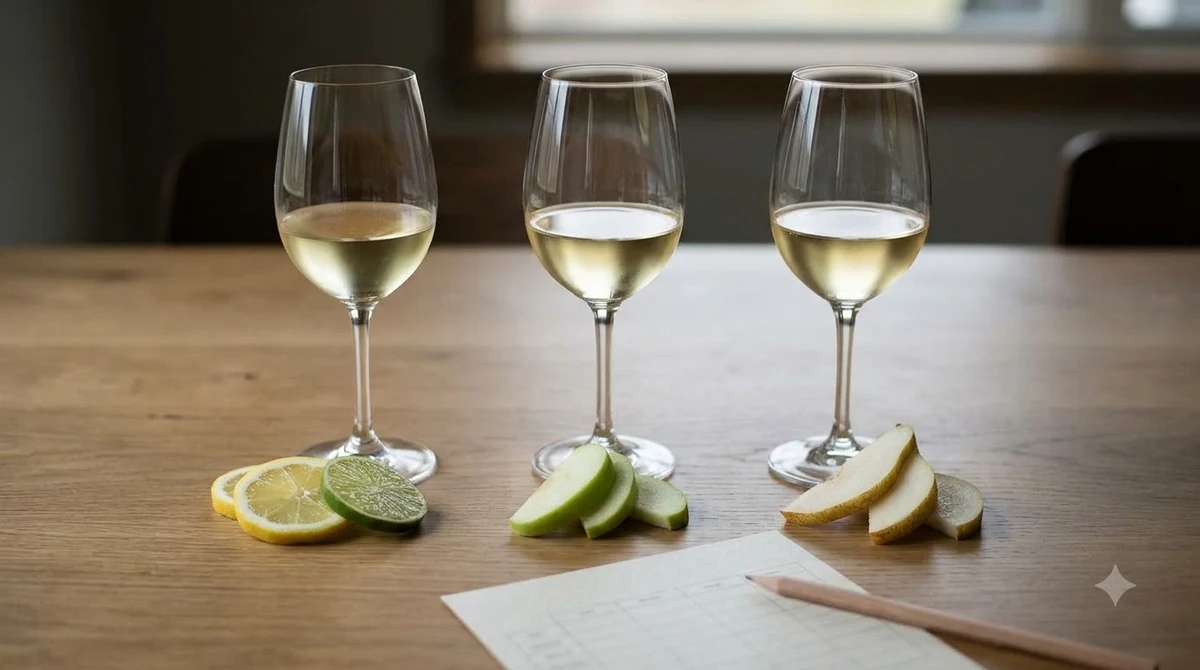
For a closer flavor comparison, look for the following clues:
- Apple, pear, and quince: Choose Riesling or a fresh, unoaked Chardonnay.
- Lemon, lime, and herbs: Choose Sauvignon Blanc or Grüner Veltliner.
- Peach and saline freshness: Choose Albariño.
- Honey and noticeable sweetness: Choose off-dry or sweet Riesling.
- Butter, baked apple, and creamy texture: Choose lightly oaked Chardonnay.
- Fresh fruit and bubbles: Choose Cava or Crémant de Loire.
Price does not need to determine the choice. The important consideration is whether the alternative offers the same general balance as the original wine. A well-matched bottle of Riesling can be more satisfying than a more expensive Chardonnay if the meal requires bright acidity and a little sweetness.
For more background before making a selection, understanding what Chenin Blanc tastes like can help identify the flavors that matter most. Its different regional expressions also become easier to understand when learning where Chenin Blanc is from. These details make it easier to distinguish a crisp Loire style from a richer South African expression.
Serving temperature should be part of the final decision. A light alternative such as Albariño should be chilled differently from a fuller Chardonnay, and a sparkling substitute needs a colder serving temperature than a rich still white. More practical information is available in this guide to serving and chilling Chenin Blanc.
Exploring other grapes can also help develop a better understanding of wine styles. The broader Wine by Type collection provides a useful starting point for comparing white, red, rosé, and sparkling wines.
For additional background on Chenin Blanc’s flavor range and food compatibility, see Wine Folly’s Chenin Blanc guide. For comparisons of common dry and sweet white wine styles, Wine.com’s dry white wine overview is another useful resource.
Frequently Asked Questions
Can I substitute Pinot Gris for Chenin Blanc?
Yes, Pinot Gris can replace Chenin Blanc in many casual drinking situations, particularly when a fuller white wine is preferred. Alsace Pinot Gris can develop richer, spicier characteristics than the lighter Italian Pinot Grigio style. Its flavor profile and sweetness can differ considerably between regions.
Is Muscadet similar to Chenin Blanc?
Muscadet is a useful alternative if you prefer the crisp, dry side of Chenin Blanc. It is made primarily from Melon de Bourgogne and is particularly associated with the western Loire Valley. Its light body and mineral, sometimes saline character make it especially suitable for shellfish.
Can Viognier replace Chenin Blanc?
Viognier can replace a richer, aromatic Chenin Blanc when fruit intensity is more important than high acidity. It commonly shows apricot, peach, and honeysuckle aromas. However, its medium-to-low acidity makes it less suitable for replacing crisp Chenin Blanc alongside strongly acidic foods.
What is the closest red wine alternative to Chenin Blanc?
There is no direct red wine equivalent because Chenin Blanc is a white grape with little to no tannin. If a meal originally calls for Chenin Blanc, a light Pinot Noir may be an option only when the food can accommodate red wine. It will introduce tannin, color, and different fruit characteristics rather than reproduce the original white wine profile.
Does Chenin Blanc have a similar taste to Chardonnay?
They can overlap in body and orchard-fruit flavors, particularly when both wines undergo oak aging. Chenin Blanc generally retains higher acidity and can have more pronounced quince, honey, and waxy characteristics. Chardonnay is more commonly associated with butter, vanilla, and toast when oak and malolactic fermentation influence the wine.
The best Chenin Blanc substitute depends on the bottle’s sweetness, acidity, and body. Riesling is the most versatile starting point, Sauvignon Blanc is ideal for crisp dry styles, and Chardonnay works particularly well for richer expressions. Match the wine to the food and occasion, and these alternatives can provide an enjoyable replacement without sacrificing the balance that makes Chenin Blanc so appealing.
More in Wine Types & Grapes
 What Does Ruby Port Taste Like? Flavor Notes, Styles, and Serving TipsUpdated Nov 21, 2026
 What Does Ribolla Gialla Taste Like? Crisp White and Amber Styles ExplainedUpdated Nov 21, 2026
 What Does Semillon Taste Like? Flavor Profile, Styles & PairingsUpdated Nov 21, 2026
 What Does Scuppernong Taste Like? Flavor, Styles, and Pairing GuideUpdated Nov 21, 2026
 What Does Saperavi Taste Like? Flavors, Styles, and Pairing GuideUpdated Nov 21, 2026
 What Does Natural Wine Taste Like? Flavors, Styles, and Serving TipsUpdated Nov 21, 2026