

We may earn a commission when you buy through links on this page, at no extra cost to you. Learn more.
Chateau St Jean wine price typically ranges from about $10 to $130 for a 750 ml bottle, depending on the wine, vineyard designation, and production tier. Everyday Sonoma County Chardonnay and red wines generally occupy the lower price brackets, while Carneros Chardonnay, vineyard-designated Pinot Noir, and Reserve selections cost more. The flagship Cinq Cépages sits toward the premium end of the portfolio, making it important to compare individual labels rather than assume every bottle carries the same price.
Chateau St. Jean is a Sonoma Valley winery with a broad portfolio covering approachable varietal wines, site-specific selections, and limited-production bottles. Its range gives shoppers several ways to explore California wine without treating every purchase as a special-occasion expense. Understanding the differences between the labels, bottle sizes, and production tiers makes it easier to choose a wine that fits both the occasion and the budget.
Who This Is For: Everyday Buyers and Sonoma Wine Collectors
Chateau St. Jean suits shoppers looking for California Chardonnay, Cabernet Sauvignon, Pinot Noir, and Bordeaux-inspired red blends at different spending levels. Its portfolio includes accessible regional wines alongside more expensive vineyard-designated and Reserve bottlings, so the brand can serve both casual dinner plans and more formal wine occasions.
For everyday buyers, the Sonoma County Chardonnay, Merlot, and Cabernet Sauvignon are sensible starting points. Retail listings show that some standard 750 ml bottles sit in the lower retail price brackets, making them easier to consider for weeknight meals, informal gatherings, and dinners where wine is part of the menu rather than the main event. Availability and actual shelf prices depend on the retailer and location.
Buyers who enjoy comparing vineyard origins may prefer the Carneros Chardonnay, Hallberg Ranch Pinot Noir, or Alexander Valley Cabernet Sauvignon. These wines identify particular growing areas or vineyards, giving shoppers more information about the fruit’s origin. They also tend to occupy higher price brackets than the basic regional bottlings.
Collectors and people shopping for gifts may gravitate toward Cinq Cépages or the winery’s limited-production Reserve selections. These bottles have a more premium position in the portfolio. Their higher cost makes more sense for someone specifically interested in the producer’s flagship or a particular vineyard expression than for someone simply looking for an inexpensive bottle of California wine.
Shoppers comparing producers can also explore Chateau St Jean wine for a broader look at the winery’s labels and styles. The distinction between a basic varietal wine and a vineyard-designated selection is especially useful when deciding whether a higher shelf price offers the type of wine experience being sought.
Key Factors to Compare When Shopping
The most useful comparison points are the wine’s appellation, grape variety, production tier, and bottle size. These details explain why two bottles from the same winery can occupy very different retail brackets.
1. Regional designation: A Sonoma County designation covers a broader growing area than a specific vineyard designation. A regional Chardonnay is generally a more straightforward entry into the producer’s portfolio, while Carneros, Robert Young Vineyard, or another named site offers a more specific origin story. The Carneros designation is particularly relevant for Chardonnay shoppers interested in cooler growing conditions.
2. Grape variety: Cabernet Sauvignon generally provides firmer tannins and a fuller structure than Pinot Noir. Merlot tends to have softer tannins, while Chardonnay offers a very different experience through its fruit, acidity, and possible oak influence. Choosing by grape variety first can prevent spending more on a wine whose basic style does not match personal preferences.
3. Production tier: Standard Sonoma County wines, vineyard-designated selections, and Reserve bottlings are not interchangeable categories. The winery’s portfolio includes all three. Cinq Cépages occupies an especially prominent position as its flagship Bordeaux-style blend, while Reserve wines offer additional choices for shoppers interested in more specialized selections.
4. Bottle size: Most comparisons involve 750 ml bottles, but the winery and retailers also list some larger formats and smaller dessert-wine bottles. A 375 ml late-harvest Riesling should not be compared directly with a 750 ml Chardonnay without considering the difference in volume.
| Wine or category | Typical US retail range | Bottle size | Shopping consideration |
|---|---|---|---|
| Standard California wines | About $10–$18 | 750 ml | Accessible everyday selections |
| Sonoma County Chardonnay and Cabernet | About $11–$25 | 750 ml | Regional varietal wines |
| Sonoma Coast Pinot Noir | About $16–$25 | 750 ml | Fruit-forward red wine category |
| Vineyard-designated Chardonnay | About $25–$45 | 750 ml | More specific vineyard origins |
| Premium and Reserve selections | About $65–$130 | 750 ml | Special-occasion purchases |
| Late-harvest Riesling | About $50–$67 | 375 ml | Dessert-wine format |
These are indicative shopping ranges rather than guaranteed prices. The lower and middle brackets reflect retailer listings, while premium examples include prices displayed by the producer’s official shop; the figures are not a promise that every vintage is available in every market. Retail prices vary by state and retailer, and shipping, taxes, and local alcohol regulations can affect the final purchase cost. For reference, GotoLiquorStore lists standard Sonoma County Chardonnay around $11.49 and Carneros Chardonnay around $29.99, while the official winery shop lists Carneros Chardonnay at $45. Sources: GotoLiquorStore’s Chateau St. Jean listings and the official winery shop.
Tip: Compare the same grape variety, bottle size, and vintage whenever possible. A Sonoma County Chardonnay and a vineyard-designated Carneros Chardonnay may both carry the Chateau St. Jean name, but their origins, positioning, and retail prices can be substantially different.
Step-by-Step: How to Find the Right Bottle
A good purchase starts with the intended occasion and preferred wine style, not simply the lowest shelf price. The following process helps narrow the portfolio before comparing retailers.
-
Set a realistic spending range.
Decide how much to spend before browsing. An everyday dinner bottle and a premium gift bottle serve different purposes. Setting a limit helps prevent an expensive vineyard-designated wine from becoming the default choice when a regional bottling would be sufficient. -
Choose a grape variety.
Start with Chardonnay for a fuller white wine, Sauvignon Blanc for brighter acidity, Cabernet Sauvignon for structured reds, or Pinot Noir for a lighter red style. Merlot offers another option for drinkers who prefer softer tannins. -
Identify the origin.
Look for Sonoma County when a broader regional wine is the goal. Consider Carneros for Chardonnay, Alexander Valley for Cabernet Sauvignon, or a named vineyard selection when a more specific origin matters. -
Compare the production tier.
Determine whether the bottle belongs to the standard portfolio, a vineyard-designated range, or the Reserve collection. Cinq Cépages deserves separate consideration because it is the winery’s flagship Bordeaux-style blend. -
Check the bottle size and vintage.
Compare 750 ml bottles with other 750 ml bottles. A 375 ml late-harvest Riesling has a different serving purpose and volume, so its shelf price can be misleading if viewed without that context. -
Compare at least two retailers.
Check the winery’s official shop and a local licensed retailer. Differences can result from availability, vintage, distribution, and retailer pricing policies. A lower listing is useful only if the exact bottle is available for purchase. -
Match the wine to the meal.
Think about the food before choosing the grape. Chardonnay can suit roast poultry and seafood, while Cabernet Sauvignon works well with richer beef dishes. Pinot Noir is a flexible option for mushroom dishes and roast chicken.
This approach is particularly useful when comparing two bottles with similar names. A regional Chardonnay may be a better everyday purchase than a more expensive vineyard bottling if the goal is simply a balanced white wine for dinner. Conversely, a specific vineyard selection can be more appealing when the occasion calls for a bottle with a clearly identified origin.
Types and Styles Explained Across the Portfolio
Chateau St. Jean’s selection covers multiple grape varieties and wine styles, from fresh whites to structured reds and sweet late-harvest wine. Knowing the general characteristics of each category helps shoppers understand what they are paying for.
Chardonnay
Chardonnay is one of the most useful categories for comparing the producer’s regional and vineyard-specific wines. The Carneros Chardonnay is a particularly identifiable example. According to the winery, it is made from 100% Chardonnay and has aromas of spiced pear, mandarin, vanilla, and fresh cream. The producer also describes its Carneros fruit as benefiting from cool conditions, daily fog, and maritime winds influenced by San Pablo Bay.
The producer lists the Carneros Chardonnay at 14.2% alcohol by volume and describes its aging as 100% oak. These details help explain its richer profile and the place it occupies within the portfolio. Shoppers who prefer a fresher, less oak-influenced white should compare the producer’s other Chardonnay options rather than assuming every bottle tastes alike.
Cabernet Sauvignon and Red Blends
Cabernet Sauvignon is the natural category for shoppers who enjoy structured red wine. Its comparatively high tannin level makes it suitable for richer dishes such as grilled beef, lamb, and aged hard cheeses. Chateau St. Jean offers regional and more specific Cabernet selections, including Alexander Valley and Maacama Ranch bottlings.
Cinq Cépages is the winery’s flagship Bordeaux-style red blend. It provides a different proposition from a straightforward single-varietal Cabernet Sauvignon. A blend can bring together several grape varieties to create a wine with a more layered combination of fruit, structure, and texture. Its flagship status and premium positioning make it a more appropriate choice for a special dinner or gift than an ordinary weekday purchase.
Pinot Noir and Merlot
Pinot Noir is generally a lighter-bodied red with lower to medium tannin and relatively high acidity. It can be a useful choice for salmon, roast chicken, mushroom dishes, and meals where a powerful Cabernet Sauvignon might feel too heavy. Chateau St. Jean’s portfolio includes Sonoma Coast and vineyard-designated Pinot Noir selections.
Merlot offers a softer alternative to Cabernet Sauvignon. Its medium tannin level and approachable structure make it a practical option for roast pork, burgers, pasta with tomato-based sauces, and grilled vegetables. Comparing Merlot and Cabernet Sauvignon from the same winery is a good way to understand how grape variety affects the drinking experience without changing producers.
Sauvignon Blanc and Late-Harvest Riesling
Sauvignon Blanc generally offers higher acidity and a fresher style than oak-influenced Chardonnay. The winery’s Le Blanc Sonoma County is a Bordeaux-style white blend composed of 90% Sauvignon Blanc and 10% Semillon. Its producer describes citrus, floral, honeysuckle, and apricot characteristics, making it an interesting alternative for shoppers who want something different from Chardonnay.
The Belle Terre Vineyard Late Harvest Riesling serves a different purpose. It belongs to the dessert-wine category rather than the everyday dry-white category. Its smaller 375 ml format should be considered when comparing its shelf price with larger bottles. Sweet wines work best when the dessert is equally sweet or less sweet than the wine.
Common Mistakes When Comparing Bottle Prices
Some of the biggest purchasing mistakes come from comparing wines that belong to different categories. A little attention to labeling, bottle size, and wine style can make the shopping process much more accurate.
Assuming every bottle has the same quality tier
A producer’s name does not mean that all its wines are made for the same market position. Chateau St. Jean has regional wines, vineyard-designated bottlings, and Reserve selections. Comparing the entry-level Chardonnay with Cinq Cépages simply because both carry the same winery name ignores their different purposes and production positioning.
Comparing different bottle sizes
A 375 ml dessert wine contains half the volume of a standard 750 ml bottle. A larger bottle may also have a different price structure from a standard format. Always consider the volume before deciding that one wine is more expensive than another.
Ignoring the vintage
Two listings for the same wine may refer to different vintages. The wine’s style, availability, and retail price can change between releases. A current official-shop listing should not automatically be treated as the price of an older bottle found at a retailer or in a private collection.
Confusing vineyard designation with a guarantee of personal preference
A named vineyard gives more specific information about the wine’s origin, but it does not mean that every drinker will prefer it. Someone who enjoys crisp Sauvignon Blanc may not appreciate a rich, oak-influenced Chardonnay simply because the latter carries a more specific vineyard designation.
Buying premium wine without a suitable occasion
A flagship blend or Reserve bottle can be a satisfying purchase for a celebration, a thoughtful gift, or a dinner with a suitable menu. It is not automatically the most practical choice for casual drinking. A well-matched regional wine may provide a better fit for everyday meals.
Another frequent error is assuming that an online listing represents universal availability. Alcohol retail restrictions, shipping policies, and local inventory differ across the United States. A bottle appearing on a national retailer’s website may not be deliverable to every state or ZIP code.
Care, Serving, and Storage Tips for Better Value
Correct storage and serving temperatures help preserve the characteristics that make a bottle enjoyable. Even a premium wine can seem unbalanced if it is served too warm, too cold, or after extended exposure to air.
Store unopened bottles properly
For bottles intended for longer storage, aim for a stable temperature near 55 F. Keep bottles away from direct sunlight, heating equipment, and locations with frequent temperature changes. Bottles with traditional cork closures are generally best stored on their sides to help keep the cork from drying out.
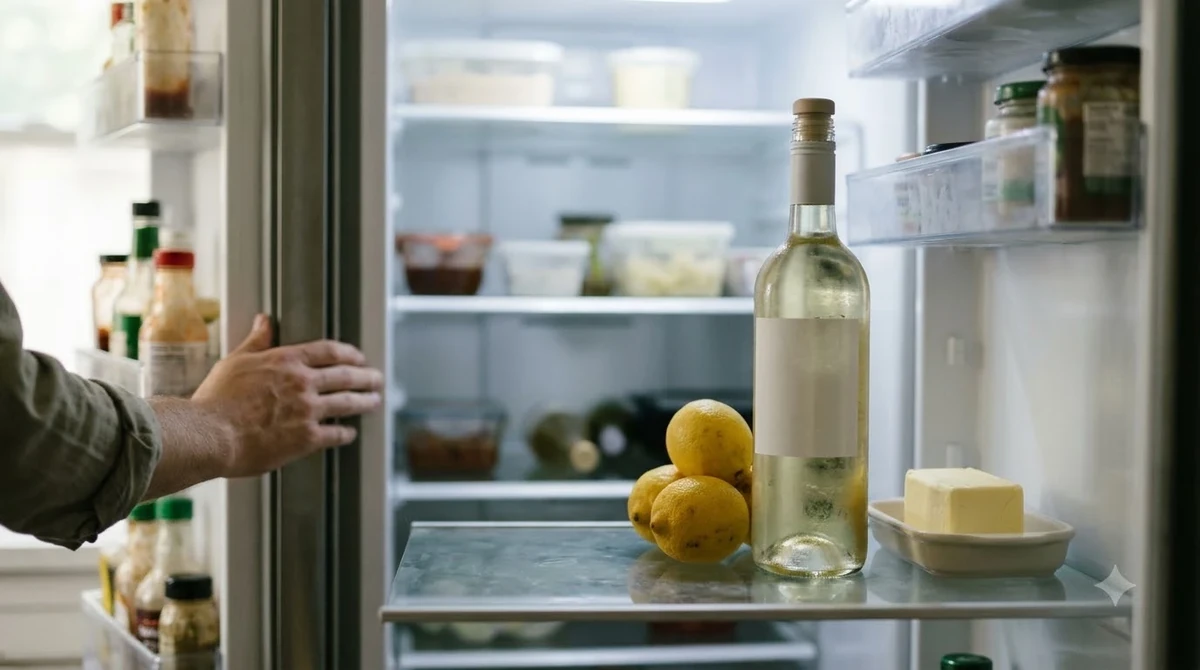
Ordinary household refrigerators are useful for chilling wine before serving, but they are not ideal long-term storage environments. Temperature fluctuations, dryness, and vibration can affect wine over extended periods. A dedicated wine refrigerator provides more controlled conditions for bottles intended to be kept for longer.
Serve whites and reds at appropriate temperatures
Chateau St. Jean Chardonnay generally benefits from a serving temperature of 50 to 55 F. This range allows the wine’s fruit, acidity, and oak-derived characteristics to show without becoming overly warm. Sauvignon Blanc and other lighter whites are better served around 45 to 50 F.
For red wines, lighter Pinot Noir is generally most enjoyable around 55 to 60 F. Fuller Cabernet Sauvignon and structured red blends can be served around 60 to 65 F. Serving a red at normal warm room temperature can make its alcohol seem more prominent and reduce the impression of freshness.
Allow young reds time to breathe
A young, full-bodied red wine may benefit from 30 to 60 minutes of decanting before serving. This can help soften the initial impression of a structured wine and make it easier to appreciate its aromas. Lighter Pinot Noir does not necessarily require the same treatment, and older bottles should be handled more carefully because extended aeration can diminish delicate aromas.
Preserve opened bottles
Refrigerate opened still wines and use a suitable closure to limit air exposure. A practical general guideline is three to five days for many opened still wines, although freshness depends on the wine’s style, age, and storage conditions. Fortified wines can last several weeks after opening, while sparkling wines generally retain their best qualities for a shorter period.
For a standard 750 ml bottle, a 5 oz pour produces approximately five servings. This makes it easier to plan how many bottles are needed for a dinner. A bottle of Chardonnay for four guests, for example, can be sufficient for a modest first pour, while a longer meal may call for additional wine.
For shoppers exploring other California producers, Chateau Ste Michelle Riesling offers another useful reference point for comparing white wine styles. Those interested in premium sweet wine can also explore Chateau d Yquem wine, which belongs to a very different dessert-wine category and should not be compared directly with everyday dry Sonoma wines.
Frequently Asked Questions
Is Chateau St. Jean an actual winery in Sonoma County?
Yes. Its winery address is in Kenwood, California, in Sonoma Valley. The property is also listed by Sonoma Valley Vintners & Growers as a winery offering food and wine pairings, gardens, picnic areas, and special events.
What does Cinq Cépages mean?
Cinq Cépages is French for five grape varieties. The name reflects the wine’s Bordeaux-inspired blending concept rather than identifying a single grape variety. This distinguishes it from a bottle labeled simply Cabernet Sauvignon or Merlot.
Is Chateau St. Jean Carneros Chardonnay a single-variety wine?
Yes. The producer identifies its Carneros Chardonnay as 100% Chardonnay. Its listed alcohol content is 14.2% ABV, and the winery describes the wine as receiving 100% oak aging.
Does Chateau St. Jean make sparkling wine?
Yes. Retail listings include Chateau St. Jean Brut Cuvée and Brut Rosé. These are different shopping categories from the winery’s still Chardonnay, Cabernet Sauvignon, and Pinot Noir bottles, so sparkling-wine serving temperatures and storage considerations apply.
Can Chateau St. Jean wines be purchased directly from the winery?
Yes. The winery operates an official online shop and lists its Kenwood location at 8555 Sonoma Highway. Its published visitor hours are daily from 10 a.m. to 5 p.m., and the winery provides a telephone contact for purchase and visitor inquiries.
Chateau St. Jean offers a broad range of Sonoma wines, with choices for everyday meals, vineyard-focused exploration, and special occasions. The most useful way to compare its bottles is to start with the grape variety and regional designation, then consider the production tier and current retail availability. For most shoppers, a regional Chardonnay, Cabernet Sauvignon, or Pinot Noir is a sensible starting point, while Cinq Cépages and Reserve wines offer options for more premium purchases.
More in Wine Brands
 Louis Latour Wine Price: Compare Bottles by Style and TierUpdated Nov 20, 2026
 Yellow Tail Moscato Price: What to Expect Before You BuyUpdated Nov 20, 2026
 Sutter Home Sweet Red Review: Find the Right Food PairingsUpdated Nov 20, 2026
 Franzia Chillable Red Review: Find the Right Serving StyleUpdated Nov 20, 2026
 Veuve Clicquot Rose Review: Flavor, Food Pairings and Buying AdviceUpdated Nov 20, 2026
 Rombauer Wine Price: Compare Bottles Before You BuyUpdated Nov 20, 2026