

We may earn a commission when you buy through links on this page, at no extra cost to you. Learn more.
Chardonnay for beginners starts with understanding two main styles: crisp, unoaked wines with fresh citrus and apple flavors, and richer, oaked wines with creamy textures and vanilla notes. Chardonnay is usually a dry white wine made from a versatile green-skinned grape grown in regions such as Burgundy, California, and Australia. Learning how climate, oak aging, and winemaking influence its flavor makes choosing your first bottle much easier.
Chardonnay has a reputation for being either refreshingly crisp or richly buttery, and both descriptions can be accurate. Unlike grapes that tend to produce a more recognizable flavor profile, Chardonnay responds strongly to its growing environment and the winemaker’s decisions. That flexibility gives wine drinkers plenty of options, whether they prefer delicate seafood wines or fuller whites for creamy dinners. This guide explains what to expect, how to recognize different styles, and which bottles and regions are sensible starting points for a new wine drinker.
What Chardonnay Tastes Like in the Glass
Chardonnay is generally a dry white wine with medium to full body and moderate acidity. Its most recognizable flavors include apple, pear, lemon, peach, and sometimes pineapple, while vanilla, butter, and toast usually reflect winemaking choices rather than the grape itself.
The first thing to understand is that Chardonnay does not have one fixed flavor. A bottle from a cool vineyard may taste bright and restrained, with green apple, lemon peel, and a subtle mineral impression. A bottle from a warmer growing area may show ripe peach, melon, pineapple, and a rounder texture. Both can be made entirely from Chardonnay grapes.
Think about the difference between biting into a tart green apple and eating a ripe yellow peach. The green apple suggests freshness and sharper acidity, while the peach suggests a softer, riper fruit character. Chardonnay can express either direction, depending on where the grapes grow, when they are harvested, and how the wine is made.
Its body is another important part of the experience. Light-bodied wines feel relatively delicate and refreshing, while fuller-bodied wines feel broader and more substantial across the palate. Chardonnay generally falls between medium and full body, although some cooler-climate examples feel considerably lighter than richer barrel-aged versions.
Chardonnay is usually dry, meaning that most of the grape sugar has been converted into alcohol during fermentation. A wine can nevertheless smell like vanilla, pineapple, or ripe peaches without containing much residual sugar. These aromas create an impression of sweetness even when the wine itself is not sweet.
Alcohol also influences the overall impression. Many Chardonnay wines fall within approximately 12% to 15% ABV, although individual bottles vary. Wines with higher alcohol and riper fruit often feel warmer and fuller, while lighter examples can seem more refreshing.
For a first bottle, consider which flavor direction sounds more appealing. If you enjoy lemon, green apple, and crisp white wines, start with a cooler-climate Chardonnay. If you prefer peach, vanilla, and creamy textures, try a richer example with some oak influence.
Oaked Versus Unoaked Chardonnay
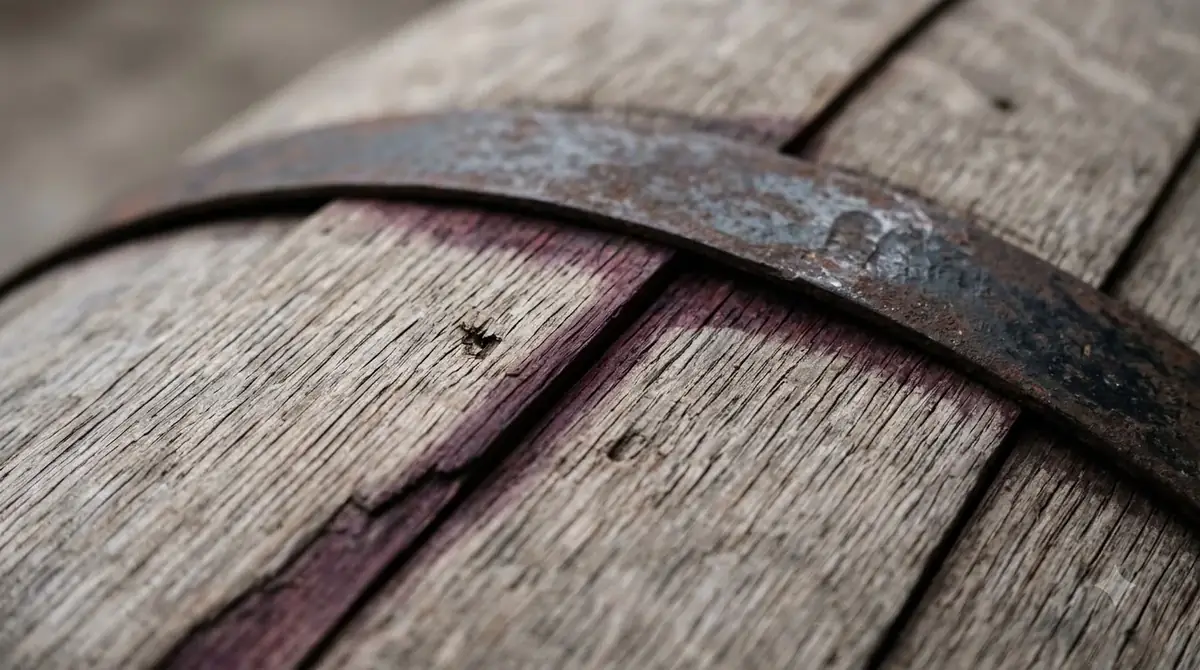
The most useful distinction for a first-time buyer is whether the Chardonnay has been aged in oak or made primarily in stainless steel. Unoaked Chardonnay generally emphasizes fresh fruit and acidity, while oaked Chardonnay often has more texture, vanilla, toast, and creamy characteristics.
Unoaked Chardonnay is commonly fermented and stored in stainless steel tanks or other neutral vessels. Stainless steel does not contribute flavors from wood, allowing the wine’s natural fruit characteristics to remain prominent. Expect green apple, lemon, pear, and sometimes a stony or chalky impression.
This style is a sensible starting point if you already enjoy Sauvignon Blanc or Pinot Grigio but want something with a little more body. It can be refreshing without tasting excessively sharp, and it works particularly well with seafood, salads, and lighter meals.
Oaked Chardonnay follows a different production approach. The wine may ferment in oak barrels, age in barrels after fermentation, or receive both treatments. Contact with wood can contribute vanilla, cinnamon, baking spice, toasted bread, and sometimes coconut-like notes. The result is frequently rounder and fuller than a stainless-steel version.
Oak aging does not automatically mean that a wine tastes buttery. That familiar characteristic is primarily associated with malolactic fermentation, a process in which bacteria convert malic acid into lactic acid. Malic acid has a sharper, green-apple-like character, while lactic acid creates a softer impression. A byproduct called diacetyl contributes the recognizable buttery aroma.
Winemakers can allow all, some, or none of the wine to undergo this conversion. Consequently, two oaked Chardonnays can taste quite different. One may emphasize vanilla and toast while retaining noticeable acidity; another may have a much creamier texture and stronger butter characteristics.
Lees contact is another technique that influences texture. Lees are the yeast cells and other particles left after fermentation. Allowing wine to remain in contact with them, sometimes with periodic stirring, can contribute a silkier mouthfeel and flavors reminiscent of bread dough, biscuits, or brioche.
Tip: If you dislike buttery wines, look for unoaked Chardonnay, stainless-steel fermentation, or descriptions mentioning citrus, green apple, and fresh acidity. If you enjoy vanilla, toast, and creamy textures, explore barrel-aged examples instead.
Remember that oak and malolactic fermentation are separate winemaking decisions. A wine can receive some oak influence without undergoing full malolactic fermentation, and a wine made without new oak can still develop a creamy texture. Understanding these distinctions makes tasting descriptions much easier to interpret.
For a more detailed explanation of how these production choices affect the finished wine, read Wine Folly’s Chardonnay grape guide.
Chardonnay Regions and the Styles They Produce
Chardonnay grows successfully in cool and warm wine regions, but its expression changes considerably with climate. Burgundy, California, and Australia are useful starting points because they offer recognizable examples of different styles and growing conditions.
Burgundy, France: Burgundy is Chardonnay’s historic home and produces an extensive range of white wines. Northern Burgundy’s Chablis is especially useful for beginners who enjoy fresh, restrained whites. Chablis commonly offers lemon, green apple, and mineral characteristics, with relatively little new-oak influence.
Farther south, the Côte d’Or produces richer and often more complex expressions. Meursault is associated with fuller textures, toasted notes, and hazelnut-like characteristics, while Puligny-Montrachet is known for balancing ripe fruit, elegance, and mineral freshness. These village names can help explain why two bottles labeled white Burgundy may taste noticeably different.
California, United States: California produces Chardonnay across a wide range of climates and winemaking traditions. Sonoma Coast is a useful place to look for wines with refreshing acidity, apple, pear, and citrus. Coastal influences help maintain freshness, although individual producers make wines ranging from restrained to substantially oaked.
Napa Valley is generally warmer than Sonoma Coast, and many examples show ripe stone fruit, pineapple, and richer textures. Some producers emphasize barrel aging and malolactic fermentation, creating fuller wines with vanilla and buttery characteristics. However, California should not be treated as one uniform style; vineyard location and production decisions remain important.
Australia: Australian Chardonnay also offers a wide stylistic range. Adelaide Hills is associated with medium-weight wines and good natural acidity, while Margaret River produces richer, complex examples that retain a lime-like backbone of freshness.
Other useful Australian regions include Yarra Valley and Tasmania. Their cooler growing conditions can produce Chardonnay with crisp acidity, citrus, and apple characteristics. These wines are also useful introductions to the fact that Australian Chardonnay is not necessarily heavy or strongly oaked.
New Zealand and Chile: These countries also produce Chardonnay worth exploring. Cooler growing areas can emphasize citrus, apple, and fresh acidity, while warmer locations can develop riper fruit flavors. Looking beyond the best-known regions can help beginners discover different expressions without assuming that one country has a single signature taste.
When comparing regions, focus on climate rather than memorizing a long list of place names. Cooler vineyards generally preserve more acidity and produce less ripe fruit characteristics. Warmer vineyards tend to deliver fuller bodies and riper fruit. Oak, malolactic fermentation, and harvest decisions then add another layer of variation.
How to Choose Your First Bottle
Choosing Chardonnay becomes easier when you begin with your flavor preferences instead of looking for a universally best bottle. The grape’s versatility means that a few descriptive words on a label can help narrow your options considerably.
Start by deciding whether you prefer crisp or creamy wines. If you enjoy refreshing whites with lemon, apple, and a clean finish, look for unoaked Chardonnay or wines from cooler regions. Chablis, Sonoma Coast, and Adelaide Hills are useful places to begin.
If you enjoy fuller wines with ripe fruit, vanilla, or toast, look for barrel-aged Chardonnay. Meursault, some Napa Valley bottlings, and richer Australian examples offer different interpretations of this style. Descriptions mentioning creamy, rounded, buttery, or toasted characteristics can provide useful clues.
Next, consider alcohol content. A bottle around 12% to 13% ABV may feel lighter than one closer to 14% or 15%, although alcohol alone cannot determine body. The grape’s ripeness, acidity, oak treatment, and winemaking approach all contribute to the final impression.
It is also useful to understand the terminology on wine labels. The following descriptions provide a practical starting point when comparing bottles.
| Label description | Typical flavor profile | Best starting point |
|---|---|---|
| Unoaked | Apple, lemon, pear | Fresh and crisp wines |
| Stainless steel | Citrus, green apple | Clean, fruit-focused wines |
| Barrel-aged | Vanilla, toast, spice | Fuller, richer wines |
| Buttery | Cream, butter, ripe fruit | Soft-textured wines |
| Cool climate | Citrus, apple, mineral notes | Brighter, fresher wines |
| Warm climate | Peach, melon, pineapple | Riper, fuller wines |
One practical strategy is to compare two different styles rather than buying several bottles that taste similar. Choose one unoaked Chardonnay and one moderately oaked Chardonnay. Serve them at the same temperature and notice how the aromas, acidity, texture, and finish differ.
For a simple tasting, pour approximately 3 ounces of each wine into separate glasses. Smell each before taking a sip, then pay attention to whether the wine feels crisp, rounded, creamy, or particularly fruit-forward. This side-by-side approach can reveal your preferences more clearly than relying on tasting descriptions alone.
Another useful consideration is whether the bottle is intended for everyday drinking or extended cellaring. Most accessible Chardonnay is enjoyable relatively young, while certain higher-quality examples can develop additional complexity over several years. Beginners generally benefit from starting with wines intended for immediate enjoyment rather than assuming that aging always improves a bottle.
For more general purchasing advice, explore our Wine Buying Guides. Understanding grape varieties, regional labels, and production terminology can make wine shopping more straightforward across different styles.
Serving Temperature, Glassware, and Storage
Chardonnay tastes best when served cool rather than extremely cold. A practical serving range is 50 to 55 degrees Fahrenheit, which allows the wine’s fruit, acidity, and aromas to remain noticeable without making alcohol feel overly warm.
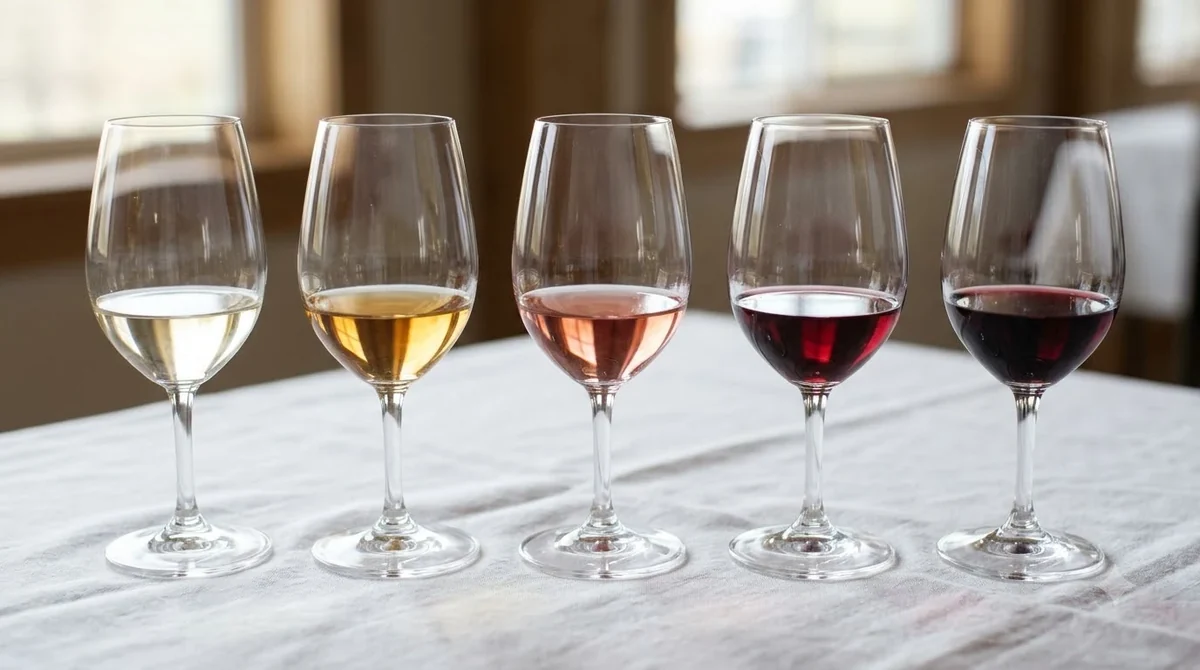
Temperature changes how a wine smells and feels. When Chardonnay is served too cold, its aromas become less expressive and its flavors can seem muted. When served too warm, alcohol can become more noticeable and the wine may feel heavier than intended.
For a straightforward routine, place a bottle in the refrigerator for approximately 2 hours before serving. If you need to chill it more quickly, use an ice-water bath for around 30 to 40 minutes. These are useful starting estimates, and the exact cooling time depends on the bottle’s initial temperature and the refrigerator or ice-bath conditions.
If a bottle becomes too cold, allow it to stand at room temperature for several minutes before pouring. You can also let the wine warm slightly in the glass. A richer, barrel-aged Chardonnay often becomes more expressive as it moves toward the upper end of the recommended temperature range.
Ordinary white wine glasses are suitable for Chardonnay. A glass with a moderately wide bowl gives the aromas room to develop while remaining practical for everyday meals. There is no need to purchase specialized glassware to enjoy the differences between unoaked and oaked styles.
Chardonnay generally does not require decanting. Young bottles can be opened and poured directly, while some older or particularly complex examples may benefit from a little time to develop in the glass. Tasting a small pour first is a simple way to decide whether additional aeration is useful.
For storage, keep unopened bottles away from direct sunlight, heat, and large temperature fluctuations. A storage temperature near 55 degrees Fahrenheit is a useful target. Bottles with traditional cork closures are generally stored horizontally to keep the cork from drying out.
After opening, replace the closure and refrigerate the remaining wine. A typical still white wine can retain reasonable freshness for approximately 3 to 5 days, although its aroma and flavor gradually change as oxygen interacts with the wine. A smaller container with less air space can also help reduce oxidation.
For a standard gathering, remember that a 750-milliliter bottle provides approximately five 5-ounce servings. That makes it relatively easy to estimate how many bottles are needed for a dinner involving several guests.
For additional guidance on serving temperature and food matching, consult Wine Enthusiast’s Essential Guide to Chardonnay.
Food Pairings That Bring Out Chardonnay’s Best Qualities
Chardonnay pairs particularly well with seafood, poultry, pork, creamy dishes, and a variety of cheeses. The best match depends on the wine’s body and acidity: lighter examples suit delicate dishes, while richer styles can stand up to more substantial flavors and sauces.
Unoaked Chardonnay and seafood: Crisp Chardonnay works beautifully with oysters, shrimp, scallops, and delicate white fish. Its freshness complements the natural sweetness of shellfish without overwhelming their flavors. Lemon-based sauces, fresh herbs, and lightly seasoned preparations are particularly suitable.
Try a lean Chablis with oysters or grilled white fish. The wine’s citrus and mineral characteristics complement the seafood, while its acidity provides freshness alongside the dish. Goat cheese is another useful pairing because its tangy character works well with bright, dry white wine.
Medium-bodied Chardonnay and poultry: A moderately rich Chardonnay pairs well with roast chicken, turkey, and pork tenderloin. These dishes have enough flavor and texture to complement the wine without requiring an extremely powerful white. Roasted vegetables, mushrooms, and lightly browned butter can create additional points of connection.
For example, roast chicken with herbs and potatoes works well with Chardonnay that combines apple fruit, moderate acidity, and a little oak influence. Pork tenderloin with apples is another natural pairing, particularly with wines showing ripe pear or peach characteristics.
Full-bodied Chardonnay and creamy dishes: Barrel-aged examples are particularly useful with richer foods. Consider lobster with butter sauce, crab cakes, creamy pasta, mushroom risotto, or chicken in a cream-based sauce. The wine’s body can match the richness of the dish, while its acidity helps prevent the combination from feeling excessively heavy.
A fuller Chardonnay from California or Burgundy can also work with grilled poultry and richer seafood preparations. The important point is to match the wine’s weight with the food’s intensity rather than choosing a pairing based only on the color of the wine.
Cheese pairings: Fresh goat cheese is a good match for leaner Chardonnay, while Gruyère and Gouda work particularly well with medium-bodied and richer examples. Brie and other creamy cheeses can also complement barrel-aged wines.
Seasoning matters just as much as the main ingredient. Lemon, herbs, butter, cream, and roasted mushrooms can all influence the pairing. A grilled fish dish with lemon butter, for instance, may suit a different Chardonnay than the same fish served with a spicy tomato sauce.
Pay attention to acidity when pairing wine with food. An acidic dish generally needs a wine with equal or higher acidity so that the wine does not taste flat. Salt and fat can soften the perception of bitterness and tannin, although Chardonnay naturally has very little tannin. Very spicy dishes are often less comfortable with high-alcohol wines because alcohol can intensify the sensation of heat.
Chardonnay is also a useful choice for a mixed dinner menu. If guests are having chicken, seafood, and vegetable dishes, a balanced medium-bodied example can accommodate several courses without demanding a different bottle for every plate.
If you are exploring other white wines, compare Chardonnay with Pinot Grigio for beginners. Pinot Grigio commonly offers a lighter, more straightforward profile, while Chardonnay generally has more body and a broader range of textures. For a different approach to lighter wine styles, rosé for beginners is another useful introduction.
Exploring Sparkling Chardonnay and Other White Wines
Chardonnay is not limited to still white wine. It is also an important sparkling wine grape, particularly in Champagne, where it can be blended with Pinot Noir and Pinot Meunier or bottled on its own as Blanc de Blancs.
Blanc de Blancs means white wine made from white grapes. In Champagne, the term generally identifies sparkling wine produced entirely from Chardonnay. These wines often emphasize citrus, green apple, freshness, and delicate texture, although the producer’s decisions and aging practices influence the final character.
Traditional-method sparkling wines undergo their second fermentation in the bottle. This process produces the carbon dioxide responsible for the bubbles and can contribute additional aromas associated with bread, biscuits, and brioche.
Chardonnay’s versatility makes it particularly suitable for sparkling wine production. Its acidity can provide freshness and structure, while its relatively subtle fruit characteristics allow the wine to develop complexity during production and aging.
It is helpful to distinguish sparkling Chardonnay from Prosecco. Prosecco is primarily made from Glera grapes using the tank method, while Champagne and Cava use bottle fermentation for their traditional-method wines. These differences influence the aromas, texture, and overall style.
If you enjoy the citrus and apple characteristics of unoaked Chardonnay, a Blanc de Blancs sparkling wine can be an interesting next step. If you prefer a richer Chardonnay, look for sparkling examples with more developed brioche and toasted characteristics.
For a deeper introduction to sparkling wine, our Champagne for beginners guide explains the grapes, production methods, sweetness categories, and serving basics. It is a useful companion when moving from still Chardonnay into traditional-method sparkling wines.
Exploring different white wines can also help clarify your preferences. Sauvignon Blanc generally offers higher acidity and more pronounced citrus or herbal characteristics, while Chardonnay tends to have a broader body and greater potential for oak-derived flavors. Pinot Grigio often provides a lighter and simpler alternative.
There is no requirement to choose one grape as a permanent favorite. The most useful skill is learning which characteristics you enjoy and recognizing the labels, regions, and production descriptions that point toward those characteristics.
Frequently Asked Questions
Is Chardonnay always made from 100% Chardonnay grapes?
Still wines labeled Chardonnay are generally made predominantly or entirely from that grape, subject to the labeling rules of their region. Some sparkling wines include Chardonnay alongside Pinot Noir and Pinot Meunier. In Champagne, Blanc de Blancs identifies a white-grape-only style that is most commonly 100% Chardonnay.
Why does Chardonnay sometimes have a golden color?
Chardonnay can range from pale straw to deeper golden yellow. Grape ripeness, winemaking choices, oak maturation, and exposure to oxygen can influence its color. Older bottles can also become more golden as they develop in the bottle.
Can Chardonnay be aged for several years?
Yes. Some well-made Chardonnay wines can develop additional complexity over five to ten years or longer, depending on the producer, vintage, and storage conditions. Mature examples can develop aromas of hazelnut, honey, toasted nuts, and mushrooms. However, many everyday bottles are designed to be enjoyed relatively young.
What is the difference between white Burgundy and Chardonnay?
Chardonnay is a grape variety, while Burgundy is a wine region in eastern France. Most white Burgundy is made from Chardonnay, although the region also produces white wines from other varieties, including Aligoté. Regional names such as Chablis, Meursault, and Puligny-Montrachet provide additional information about the wine’s origin.
Does Chardonnay have tannins?
Chardonnay generally has very little tannin because it is a white wine made without extended contact with grape skins and seeds. Oak aging can introduce a subtle drying sensation, but this is not the same structure typically found in tannic red wines. Its mouthfeel is influenced more by acidity, alcohol, oak, and lees contact.
Chardonnay is an excellent grape for learning how climate and winemaking shape wine because its styles range from crisp and citrus-driven to rich and creamy. Start with one unoaked bottle and one oaked bottle, compare their aromas and textures, and use those preferences to guide your next purchase. With a little exploration, choosing Chardonnay becomes a straightforward way to discover the white wines you enjoy most.
More in Wine Buying Guides
 Cheap Red Blend: How to Find a Flavorful Bottle for LessUpdated Nov 20, 2026
 Pinot Grigio Gift: How to Choose a Bottle They’ll EnjoyUpdated Nov 20, 2026
 Best White Wine at Total Wine for Every MealUpdated Nov 20, 2026
 Wine Fridge Replacement Shelves: Find the Right FitUpdated Nov 20, 2026
 Best Sparkling Wine Under 20: Find Bubbles Worth BuyingUpdated Nov 20, 2026
 Best Wine For Birthday Celebrations With Perfect Party PairingsUpdated Nov 20, 2026