

We may earn a commission when you buy through links on this page, at no extra cost to you. Learn more.
A champagne cocktail recipe needs only four ingredients: Champagne, a little cognac, two dashes of Angostura bitters and a sugar cube. Put the sugar cube in a glass, soak it with the bitters, add the cognac, then top it slowly with chilled Champagne. The drink is served without ice, and the bubbles do most of the work.
This guide gives you a classic champagne cocktail recipe you can make at home, with the exact measures, a simple method, and a few variations. It also covers the history of the drink and the mistakes that most often flatten it.
What you need for a champagne cocktail
The champagne cocktail is one of the simplest sparkling drinks to make, which is part of its appeal. The base is sparkling wine, and the flavor comes from the sugar, bitters and spirit. Use a dry Champagne or other dry sparkling wine so the drink stays crisp. A sweet sparkling wine will make the cocktail heavy and cloying.
The standard recipe calls for 9 cl of Champagne, 1 cl of cognac, two dashes of Angostura bitters and one sugar cube. Those quantities come from the Wikipedia entry on the champagne cocktail, which lists them as the standard measures. Because the drink is so light, it is worth weighing or carefully measuring each part, since a small change in the cognac can shift the balance quickly.
| Ingredient | Amount | Role in the drink |
|---|---|---|
| Champagne or dry sparkling wine | 9 cl, chilled | Base, bubbles and acidity |
| Cognac | 1 cl | Adds warmth and body |
| Angostura bitters | 2 dashes | Spice and depth |
| Sugar cube | 1 | Softens the bitterness and gives a slight sweetness |
| Orange zest or orange slice | To garnish | Aroma and a bright finish |
Step-by-step method
The method is short, and the order matters. Start with a chilled glass, because the drink is served without ice and warmth will fade the bubbles quickly. A Champagne flute is the usual choice, although some recipes call for a larger Champagne glass. Put the sugar cube in the bottom of the glass, then add the bitters so they soak into the sugar.
- Chill the glass and the Champagne in advance.
- Place the sugar cube in the glass and add two dashes of Angostura bitters to soak it.
- Add 1 cl of cognac to the glass.
- Pour in 9 cl of chilled Champagne slowly, letting the bubbles rise.
- Garnish with a twist of orange zest or an orange slice and serve at once.
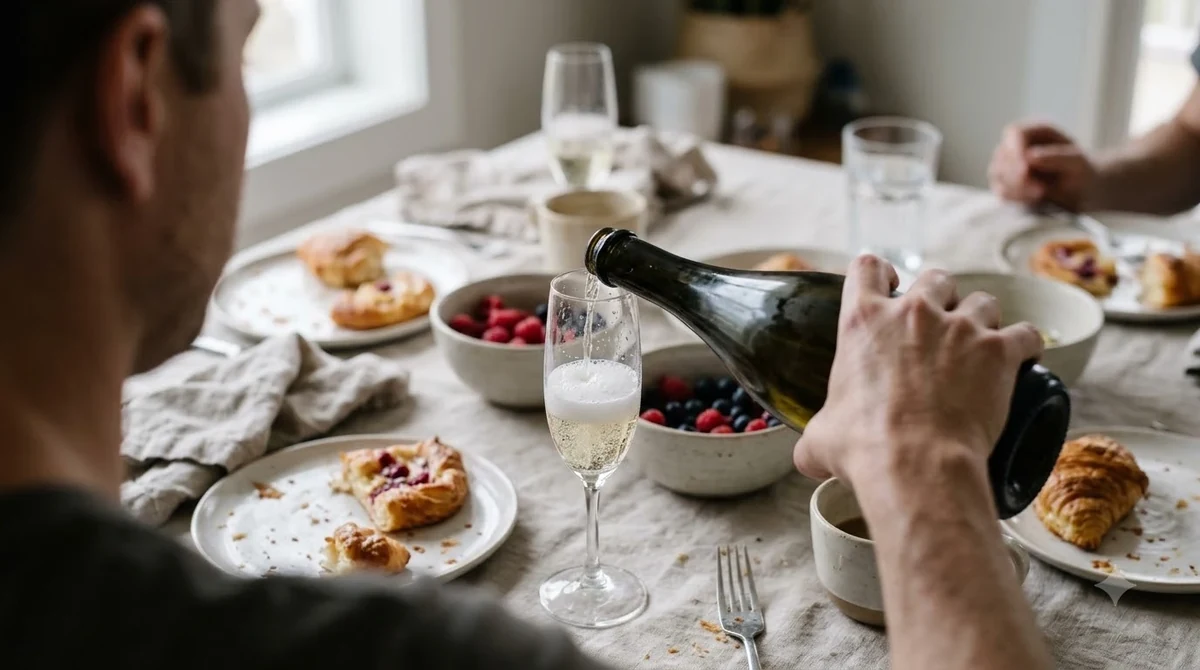
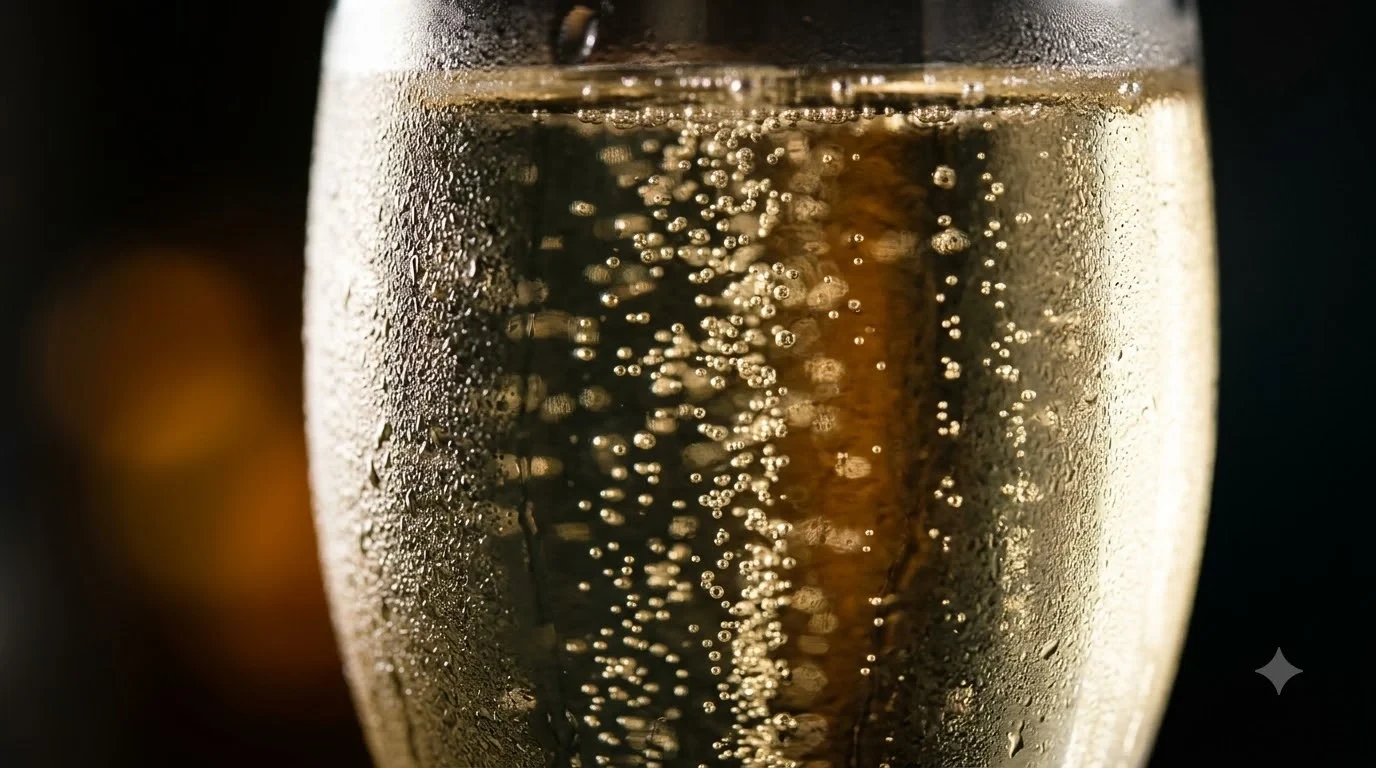
Pouring the Champagne slowly is the step that most people rush. A fast pour knocks the bubbles out of the sugar and the bitters, so the drink loses its lift. Tilt the glass and let the wine run down the side, then stop pouring once the glass is full. The result should look clear and bright with a lively fizz on top.
If you are making this for a group, prepare the glasses first and keep the Champagne in the refrigerator until the last moment. Work through the glasses one at a time rather than pouring all the Champagne at once. The first glass you pour will taste slightly different from the last only if the bottle has warmed, so a cold bottle and a steady pace keep every drink consistent.
Garnishes and glassware
The garnish is mostly for aroma, so pick one that will release scent when you bring the glass to your lips. A twist of orange peel is the most common choice, and it gives a fresh citrus note that works well with the bitters. Some recipes use an orange slice on the rim instead. A maraschino cherry is a traditional extra, though it is not required.
Glassware matters because the drink relies on its bubbles. A flute keeps the fizz in a narrow column and stays cold for longer. A wider coupe shows more of the surface and lets the aromas open up, which some bartenders prefer. VinePair’s champagne cocktail recipe calls for a flute and a sugar cube soaked in bitters, with the Champagne poured on top.
A brief history of the champagne cocktail
The champagne cocktail has been around for well over a century. The Wikipedia entry on the drink notes that a recipe appears as early as Jerry Thomas’s The Bon Vivant’s Companion, published in 1862. That early version left out the brandy or cognac, and it is often described as the classic American version. Later bartenders, including Harry Johnson, added other fruit and flavors to the mix.
Today the drink is most often made with cognac, which gives it a deeper, rounder base than a plain sparkling wine. It has also become a standard in celebrations, because a bottle of sparkling wine and a sugar cube are easy to bring together at any gathering.
Variations to try
Once you know the base recipe, small changes make a big difference. Replacing the Angostura with orange bitters brings more citrus, and a splash of grenadine adds color and a fruitier sweetness. Some drinkers swap the cognac for a different brandy or use another dry sparkling wine in place of Champagne, such as a crisp Cava or Prosecco.
Fruit garnishes are another easy way to vary the drink. A strawberry on the rim or a few dried orange slices can change the look and the aroma without changing the method. Keep the proportions close to the base recipe at first, so you can taste how each change affects the balance before you experiment further.
Common mistakes to avoid
The most common mistake is using a warm Champagne, which makes the drink flat and dull. Chill the bottle well before you start, and pour it just before you serve. The second mistake is using too much cognac, which overpowers the bubbles. The 1 cl measure is small on purpose, so measure it rather than pouring freehand.
A third mistake is letting the sugar cube sit dry in the glass. The bitters need to soak into the sugar so the drink is balanced from the first sip. Finally, do not stir the drink after pouring. The bubbles should lift the flavors on their own.
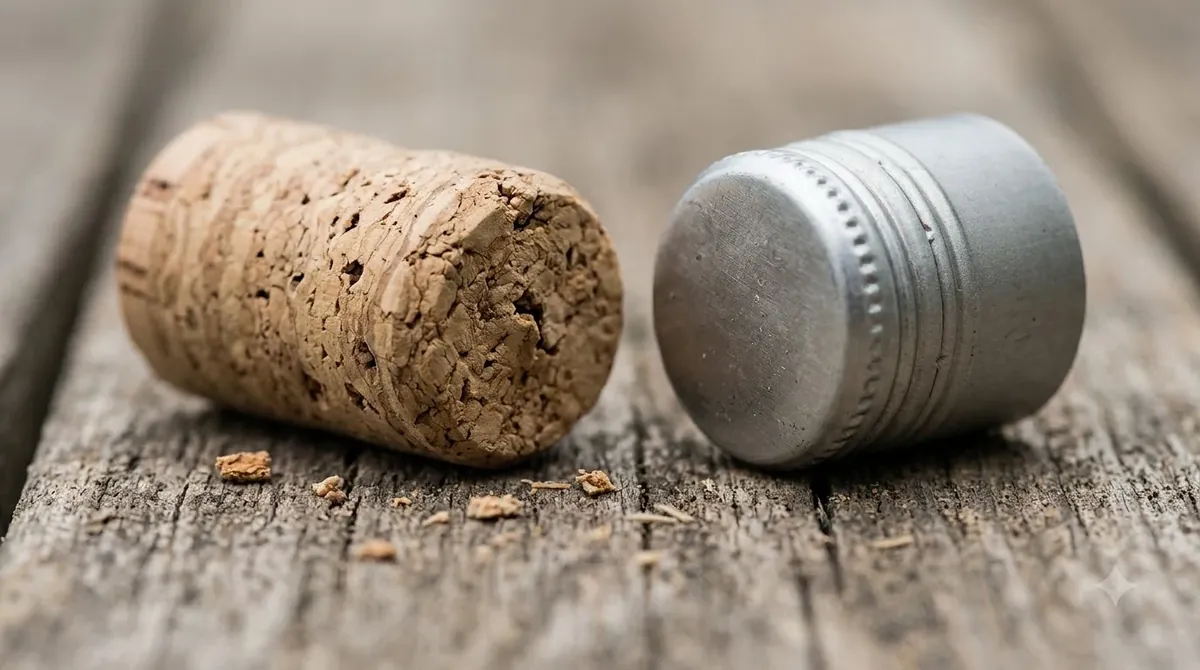
Tip: Make the drink one glass at a time. Champagne loses its fizz quickly once opened, so pour each serving fresh rather than preparing a batch in advance.
Frequently Asked Questions
What is a champagne cocktail made of?
The classic version is Champagne, a small amount of cognac, two dashes of Angostura bitters and a sugar cube. Orange zest or an orange slice is the usual garnish.
Can I use a cheaper sparkling wine instead of Champagne?
Yes. Any dry sparkling wine works, including Cava or Prosecco. Choose a dry style, because a sweet sparkling wine will make the drink heavy.
Should a champagne cocktail be served with ice?
No. The drink is traditionally served chilled and without ice, because ice dilutes the bubbles and dulls the flavor. Keep the bottle and the glass cold before you pour.
Can I use orange juice instead of cognac?
That changes the drink into a different cocktail. The classic recipe relies on cognac for body, so a juice-based version will be sweeter and lighter. Try it as a variation rather than a replacement.
A champagne cocktail is a short, elegant drink that shows how much flavor a few simple ingredients can carry. For another sparkling recipe that uses the same balance of bubbles and bitters, see our guide to Aperol spritz. For more ideas on pairing wine and cocktails with food, browse the Wine Recipes & Cocktails section.
More in Food & Wine Pairing
 Risotto With White Wine Recipe: Make a Creamy Dinner at HomeUpdated Nov 20, 2026
 Wassail With Wine Recipe for a Festive Spiced Holiday DrinkUpdated Nov 20, 2026
 Spritz Veneziano Recipe: Make a Classic Venetian Aperitivo at HomeUpdated Nov 20, 2026
 Summer Wine Punch Recipe for Easy Homemade EntertainingUpdated Nov 20, 2026
 Bishop Recipe: How to Make a Bright, Citrus-Forward Red Wine CocktailUpdated Nov 20, 2026
 Wine Cupcakes Recipe: Bake Rich Chocolate Cupcakes at HomeUpdated Nov 20, 2026