

We may earn a commission when you buy through links on this page, at no extra cost to you. Learn more.
The best champagne at whole foods for a classic celebration is Veuve Clicquot Yellow Label Brut, while Moët & Chandon Impérial Brut is another excellent choice for a versatile, food-friendly bottle. Both are genuine French Champagnes with recognizable house styles and traditional bottle-fermented character. Your ideal selection depends on whether you prefer a structured Pinot Noir-led profile, a fruit-forward blend, or a sweeter sparkling wine for dessert.
Whole Foods Market offers a selection that can include established Champagne houses alongside more affordable sparkling wines from California and Spain. The distinction matters: a bottle labeled Champagne comes from the protected Champagne region of France, while Prosecco, Cava, and California sparkling wine belong to different categories. Understanding the label, sweetness level, grape blend, and occasion makes it easier to choose a bottle that fits your meal and celebration. Shoppers comparing other supermarket selections can also explore our guides to the best Champagne at Trader Joe’s and the best white wine at Whole Foods.
Who This Champagne Buying Guide Is For
This guide is for shoppers who want recognizable Champagne, reliable food-pairing options, and a practical way to compare bottles at Whole Foods Market. It also helps readers distinguish authentic Champagne from other sparkling wines that may occupy the same refrigerated section.
Veuve Clicquot Yellow Label Brut and Moët & Chandon Impérial Brut are useful starting points because Whole Foods has listed both on its online grocery platform. They offer two recognizable expressions of the Champagne region. Veuve Clicquot emphasizes Pinot Noir, structure, fruit, and subtle brioche, while Moët Impérial is described through bright fruitiness and an approachable, rounded palate.
Choose this type of bottle if you are shopping for a birthday, wedding toast, anniversary, holiday dinner, or an upscale dinner at home. Both are versatile enough to serve before a meal or alongside several courses. Their familiar labels also make them practical gifts when the recipient enjoys traditional French Champagne.
However, not every shopper needs a prestigious Champagne house. Someone planning a casual brunch or a large gathering may prefer an accessible sparkling wine. Whole Foods has also listed Korbel Brut, Chandon Brut, and Freixenet Cordon Negro Cava in its sparkling-wine assortment. These provide alternatives when Champagne itself is not essential.
Availability is important. Whole Foods assortments differ by store, state, and local alcohol regulations. An online listing does not guarantee that a particular bottle is available at every physical location. Search the local store’s inventory or contact the wine department before making a special trip, particularly for a particular bottle size or gift presentation.
Key Factors to Compare Before Buying
The most useful comparisons are authenticity, sweetness, grape composition, bottle size, and food compatibility. These five factors usually tell you more about whether a bottle will suit your occasion than the appearance of its label.
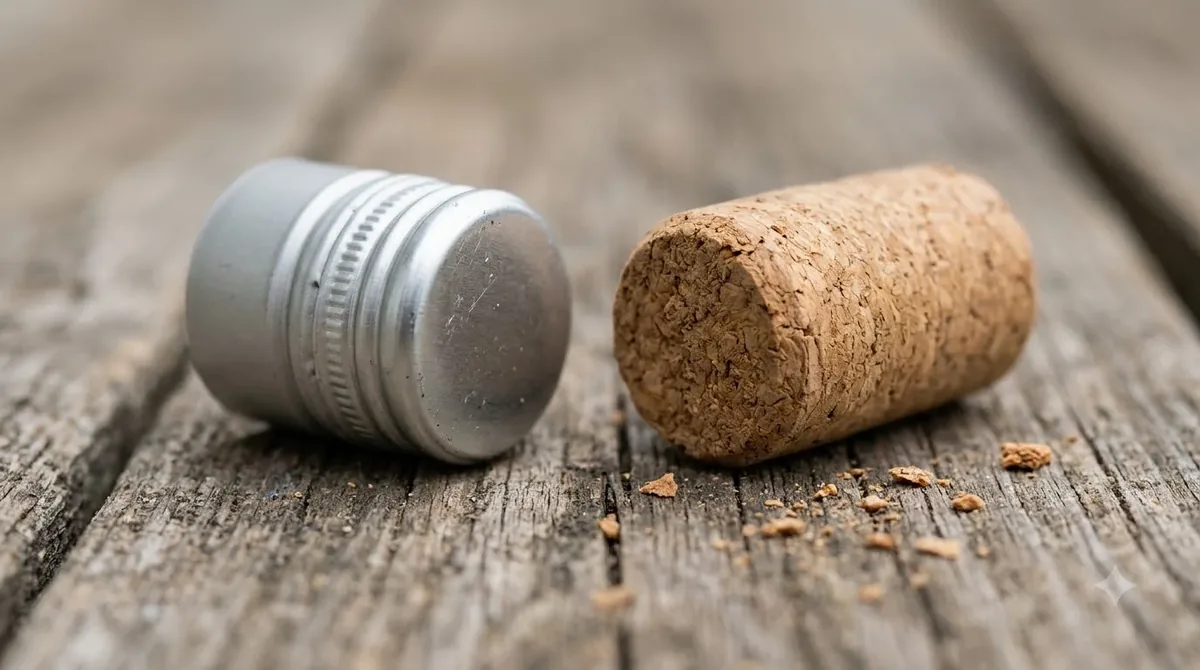
Start with the word Champagne. A genuine bottle should identify Champagne as its appellation and France as its country of origin. A sparkling wine made in California can be enjoyable and well made, but it is not Champagne. This distinction prevents confusion when comparing bottles from Veuve Clicquot, Moët & Chandon, Korbel, and Chandon. The Comité Champagne’s explanation of bottle labels and classifications is useful for understanding the official terminology.
Next, compare the sweetness designation. Brut is the conventional starting point for shoppers who want a dry Champagne with refreshing acidity. Extra Brut and Brut Nature are generally drier, while Extra Dry is actually sweeter than Brut. Demi-Sec is noticeably sweeter and can work particularly well with desserts.
Grape composition also provides useful clues. Chardonnay generally contributes citrus, white flowers, and freshness. Pinot Noir provides body and structure, while Meunier contributes roundness and orchard-fruit character. The blend determines how the wine feels alongside food, although the producer’s overall winemaking style also matters.
| Comparison factor | What to look for | Why it matters |
|---|---|---|
| Origin | Champagne, France | Confirms the protected French appellation |
| Sweetness | Brut, Extra Brut, Demi-Sec | Determines the wine’s sugar classification |
| Grape style | Chardonnay, Pinot Noir, Meunier | Offers clues about freshness, body, and fruit |
| Small bottle | 375 ml | Useful for smaller celebrations |
| Standard bottle | 750 ml | Provides approximately five 5-ounce servings |
| Serving temperature | 40–50°F | Helps preserve freshness and fine bubbles |
| Storage | 50–59°F, away from light | Helps protect the wine before opening |
Bottle size deserves attention when calculating how much wine to buy. A standard 750 ml bottle contains approximately five 5-ounce servings. A 375 ml bottle provides approximately two and a half equivalent servings, making it useful for a smaller dinner or a tasting of multiple wines.
Finally, think about the food. Champagne’s acidity and bubbles make it a strong partner for salty appetizers, seafood, creamy cheeses, and fried dishes. The best bottle for oysters may not be the same one you would choose for a fruit tart or a sweet celebration cake.
Step-by-Step: How to Choose Champagne at Whole Foods
A simple shopping process can narrow the selection quickly. Start with the occasion, establish your preferred sweetness, and then compare the available Champagne labels before choosing a bottle size.
-
Decide whether you specifically want French Champagne.
If the occasion calls for authentic Champagne, prioritize bottles identified as Champagne from France. Veuve Clicquot Yellow Label and Moët & Chandon Impérial are two useful names to look for in the Whole Foods selection. If you simply want sparkling wine, California Brut or Spanish Cava can also fit the occasion.
-
Choose your preferred sweetness.
For a conventional dry sparkling wine, start with Brut. Choose Extra Brut if you enjoy a particularly crisp, lean style. If you are serving a sweet dessert, consider Demi-Sec rather than assuming every bottle of Champagne tastes equally dry.
-
Compare the grape blend and house style.
Look for a Pinot Noir-led Champagne if you prefer more body and structure. Chardonnay-focused bottles can appeal to people who favor citrus and freshness. Moët Impérial is a useful approachable option, while Veuve Clicquot Yellow Label offers a more structured profile.
-
Match the bottle to the menu.
For oysters, shellfish, and delicate seafood, consider a dry, high-acidity Champagne. For salmon, lobster, roasted chicken, or a cheese board, a fuller Brut can provide more weight. For fruit desserts, a sweeter sparkling style may be a better match.
-
Choose the right bottle size.
A 375 ml bottle is convenient for approximately two to three smaller pours. A 750 ml bottle offers about five standard 5-ounce servings. For a larger celebration, calculate the number of servings before buying several bottles.
-
Check the local store selection.
Use the Whole Foods grocery website or app to check the store serving your location. Inventory, delivery eligibility, and pickup options can differ. If a particular Champagne is important for the event, verify its availability before planning around it.
-
Plan the serving temperature and glassware.
Refrigerate the bottle several hours ahead or use an ice-and-water bucket for 20–30 minutes. Serve at approximately 40–50°F in clean tulip-shaped glasses or suitable sparkling-wine glasses.
Tip: If you are buying only one bottle for a mixed appetizer spread, choose a conventional Brut Champagne. Its balance of acidity, bubbles, and modest sweetness makes it more flexible with salty snacks, seafood, cheese, and lighter main courses than a distinctly sweet dessert Champagne.
This process also prevents a common shopping mistake: choosing a bottle solely because its packaging looks expensive. A well-matched Brut can be more enjoyable than a more prestigious bottle with a sweetness level or flavor profile that does not suit the food.
Types and Styles Explained
Champagne comes in several recognizable styles, each offering a different balance of sweetness, acidity, grape character, and texture. Understanding the main categories makes it easier to compare bottles at Whole Foods without relying entirely on brand familiarity.
Brut Champagne
Brut is the most practical starting point for most Champagne shoppers. The Comité Champagne classifies Brut as containing less than 12 grams of sugar per liter. It generally tastes dry, refreshing, and lively, although the precise impression varies between producers.
Veuve Clicquot Yellow Label and Moët & Chandon Impérial are examples of established Brut Champagnes listed by Whole Foods. They can work as aperitifs and pair with a range of dishes. Their differences are more noticeable in body, fruit expression, and house style than in their basic sweetness designation.
Extra Brut and Brut Nature
These are suitable choices for shoppers who prefer a particularly dry Champagne. The Comité Champagne places Extra Brut between 0 and 6 grams of sugar per liter, while Brut Nature contains less than 3 grams per liter without added dosage.
These styles can be excellent with oysters, raw seafood, and salty appetizers. Their restrained sweetness allows acidity and mineral character to stand out. However, they may seem especially sharp if someone is accustomed to softer or sweeter sparkling wines.
Extra Dry and Demi-Sec
Extra Dry is a confusing label because it actually indicates more sweetness than Brut. Its sugar classification is 12–17 grams per liter. The difference may seem small on paper, but it can influence how the wine tastes with richer dishes and lightly sweet foods.
Demi-Sec is substantially sweeter, with 32–50 grams of sugar per liter under the Comité Champagne classification. It is a more suitable direction for fruit desserts and sweeter pastries. The key principle is to match the sweetness of the wine to the sweetness of the food.
For another explanation of sparkling-wine sweetness and dosage, Wine Enthusiast’s guide to sparkling-wine sweetness levels provides additional context for comparing Brut Nature, Brut, and Extra Dry.
Blanc de Blancs and Blanc de Noirs
Blanc de Blancs means white Champagne made entirely from white grapes, primarily Chardonnay. This style often emphasizes citrus, freshness, floral aromas, and a relatively fine structure. It is particularly appealing alongside oysters, scallops, and delicate seafood dishes.
Blanc de Noirs is made entirely from dark-skinned Champagne grapes, primarily Pinot Noir and/or Meunier. Despite the grape skins being dark, the finished wine is generally white because the juice is separated from the skins during pressing. These wines can offer more body and red-fruit character.
Rosé Champagne
Rosé Champagne adds a different appearance and flavor direction to the category. The Comité Champagne explains that producers can create rosé by macerating dark grapes or blending red Champagne wine into the white base wine.
Rosé can be a good choice for salmon, charcuterie, and berry-based desserts, depending on its sweetness and structure. It is also a useful celebratory option when presentation matters, although the color alone does not indicate whether the wine is sweet or dry.
Champagne Versus Other Sparkling Wines
Whole Foods shoppers may also encounter California sparkling wines and Spanish Cava. These can provide enjoyable alternatives, but they should not be confused with Champagne from northeastern France.
Prosecco is generally made primarily from Glera grapes using the tank method. Champagne and traditional-method Cava undergo their second fermentation in the bottle. These production differences influence texture, aromas, and the character of the bubbles.
For a Champagne-specific celebration, choose a bottle carrying the Champagne designation. For an everyday sparkling-wine occasion, the wider selection can offer more stylistic variety. Shoppers building a broader supermarket wine selection can also compare the best red wine at Whole Foods for meals where sparkling wine is not the preferred pairing.
Common Mistakes When Buying Champagne
The most frequent buying mistakes involve confusing sparkling-wine categories, misunderstanding sweetness labels, and choosing bottles without considering the menu. A few simple distinctions can prevent disappointing purchases.
Assuming Every Sparkling Wine Is Champagne
Champagne is a protected regional designation. A California sparkling wine such as Korbel Brut or Chandon Brut may be a perfectly reasonable purchase, but it is not French Champagne. Similarly, Freixenet Cordon Negro is Cava from Spain.
The distinction matters when buying a gift or selecting a bottle for someone who specifically requested Champagne. Look for the region and appellation rather than relying on a gold label, foil, or familiar sparkling-wine packaging.
Thinking Extra Dry Means Drier Than Brut
This is one of the easiest label mistakes to make. Extra Dry contains more sugar than Brut, despite the wording suggesting otherwise. A shopper who wants the driest possible style should compare Brut Nature and Extra Brut instead.
Wine sweetness classifications reflect the dosage added after the lees are removed. This explains why two bottles from different producers can both carry the Brut designation but still taste noticeably different.
Ignoring the Food Pairing
A very dry Champagne can be excellent with oysters but may taste severe alongside a sweet dessert. Conversely, a sweeter Demi-Sec can complement fruit pastries but may overwhelm delicate seafood.
For a versatile dinner bottle, conventional Brut is a sensible starting point. Pair it with salty foods, creamy cheeses, and seafood. If the menu includes sweet barbecue sauce or fruit-based desserts, consider a Champagne with more noticeable sweetness.
Serving Champagne Too Warm
Champagne served too warm can seem less refreshing and release its bubbles more quickly. Aim for approximately 40–50°F rather than leaving the bottle on a warm dining table for an extended period.
However, excessively cold Champagne can also hide its aromas. Avoid keeping the bottle in a freezer for an extended period. A controlled refrigerator chill or an ice-and-water bucket is a more dependable approach.
Buying Too Much or Too Little
A standard 750 ml bottle supplies approximately five 5-ounce servings. For a small dinner of two people, a 375 ml bottle may be sufficient for a toast and a modest additional pour.
For a gathering, calculate the number of servings rather than estimating by the number of bottles. Remember that Champagne may be served as a welcome drink and again during dinner, so the intended role of the wine should determine how much to purchase.
Care, Storage, and Serving Tips
Proper storage and serving protect Champagne’s freshness, aromas, and bubbles. A cool storage location, careful opening, and suitable glassware can make a noticeable difference once the bottle reaches the table.
Storing an Unopened Bottle
The Comité Champagne recommends a consistent storage temperature of 50–59°F, with protection from direct light, vibrations, and strong odors. Bottles can be stored upright or on their sides, provided the environment remains cool and stable.
Avoid storing Champagne in a kitchen cabinet beside an oven or in a location that experiences frequent temperature changes. If the bottle is intended for an upcoming celebration, keep it in a dark, cool location until it is time to chill it for service.
Chilling Before Serving
For serving, aim for approximately 40–50°F. The official Champagne guidance recommends around 46–50°F, which allows the wine to express its aromas while remaining refreshing.
There are two straightforward ways to achieve this temperature. Place the bottle in the refrigerator several hours before serving, or use an ice bucket containing both ice and water for approximately 20–30 minutes. The water helps distribute the cold around the bottle.
Choosing Glassware
A tulip-shaped glass is a particularly useful choice for Champagne. Its wider bowl allows aromas to develop, while the narrower opening helps retain the wine’s aromatic character.
Traditional flutes remain popular for celebrations because they emphasize the rising bubbles and create a familiar presentation. However, a tulip-shaped glass can provide a more complete aromatic experience, especially for a complex Champagne from Veuve Clicquot or Moët & Chandon.
Opening the Bottle Carefully
Champagne bottles contain considerable pressure. Keep the bottle pointed away from people, remove the foil, and maintain control of the cork while loosening the wire cage. Hold the cork firmly and rotate the bottle gently rather than pulling the cork upward with force.
A controlled opening helps prevent spills and reduces the risk of a cork striking someone. There is no need for a loud pop to make a celebration memorable.
Preserving an Opened Bottle
If Champagne remains after dinner, use a proper sparkling-wine stopper and refrigerate the bottle promptly. A dedicated stopper is more dependable than an ordinary wine closure because it is designed to help retain carbonation.
Opened Champagne is best enjoyed within approximately 1–3 days when properly refrigerated and sealed. The exact quality depends on the wine, stopper, and storage conditions. Avoid the old spoon-in-the-neck trick: the Comité Champagne specifically explains that it does not preserve the bubbles.
For shoppers planning a dinner around Champagne, the wine itself is only part of the experience. Clean glasses, a properly chilled bottle, and suitable food pairings help the wine show its best character.
Frequently Asked Questions
Does Whole Foods sell authentic Champagne from France?
Yes. Whole Foods has listed French Champagne products such as Veuve Clicquot Yellow Label and Moët & Chandon Impérial Brut. These are distinct from California sparkling wine and Spanish Cava. The Champagne designation identifies wine from the protected Champagne region of France.
What does NV mean on a Champagne bottle?
NV stands for non-vintage, meaning the wine is not made exclusively from grapes harvested in one particular year. Champagne producers can blend wines from different harvests to maintain a recognizable house style. Vintage Champagne, by contrast, identifies a specific harvest year on the bottle.
What does the RM designation mean on a Champagne label?
RM stands for Récoltant Manipulant, a grower-producer classification. According to the Comité Champagne, an RM producer makes own-label Champagne using grapes exclusively sourced from their own vineyards. This designation can help shoppers identify grower-produced bottles rather than relying solely on large Champagne-house names.
Can Champagne be stored for several years after purchase?
Yes, unopened Champagne can be kept for several additional years under suitable conditions, although not every bottle is intended for extended cellaring. Protect it from light, vibrations, odors, and temperature fluctuations. A vintage Champagne may offer more aging potential than a straightforward bottle intended for earlier enjoyment.
Why does Champagne sometimes have a different amount of foam when poured?
Foam formation depends on several factors, including temperature, pouring technique, and the cleanliness and surface characteristics of the glass. A gentle pour down the side of a tilted glass can help control foam. The Comité Champagne recommends filling the glass gradually rather than pouring the entire serving at once.
For most shoppers, Veuve Clicquot Yellow Label Brut and Moët & Chandon Impérial Brut are strong starting points when looking for authentic Champagne at Whole Foods. Choose according to your preferred grape profile, food pairing, and celebration rather than the label alone. With the right sweetness level, proper chilling, and suitable glassware, either style can make a memorable addition to a special occasion.
More in Wine Buying Guides
 Cheap Red Blend: How to Find a Flavorful Bottle for LessUpdated Nov 20, 2026
 Pinot Grigio Gift: How to Choose a Bottle They’ll EnjoyUpdated Nov 20, 2026
 Best White Wine at Total Wine for Every MealUpdated Nov 20, 2026
 Wine Fridge Replacement Shelves: Find the Right FitUpdated Nov 20, 2026
 Best Sparkling Wine Under 20: Find Bubbles Worth BuyingUpdated Nov 20, 2026
 Best Wine For Birthday Celebrations With Perfect Party PairingsUpdated Nov 20, 2026