

We may earn a commission when you buy through links on this page, at no extra cost to you. Learn more.
The best champagne at Trader Joes is usually a dry Brut-style bottle, because that style is the most common, the most food-friendly, and the easiest to compare on the shelf. Under the strict Champagne rules, the wine must come from the Champagne region of France and use grapes such as Chardonnay, Pinot Noir, and Pinot Meunier. Wine Folly describes Champagne as dry, and it recommends serving it cold, around 38 to 45 degrees Fahrenheit.
Trader Joe’s sells a changing mix of sparkling wines, and the bottles on the shelf depend on the store and the season. Shoppers looking for champagne often want a bottle for a holiday, a celebration, or a simple weeknight treat, and they want to know what to look for on a label they may not recognize. This guide explains the main Champagne styles, what the sweetness words mean, and how to choose a bottle without relying on the brand name alone.
Who This Guide Is For
This guide is for shoppers who want to buy Champagne or a similar sparkling wine at Trader Joe’s and need a practical way to compare what is in stock. It is also useful for people who are new to sparkling wine and want to understand the difference between a dry bottle and a sweet one. Because selection changes often, the advice focuses on the label and style rather than specific bottles, and you should check the shelf on the day you shop.
Quick Comparison
Champagne is labeled by sweetness, which is printed in grams of sugar per liter. The table below compares the main categories, using the figures in the official Champagne rules as summarized on Wikipedia.
| Sweetness term | Sugar per liter | Taste | Good with |
|---|---|---|---|
| Extra Brut | Under 6 grams | Very dry, sharp and austere | Oysters and raw seafood |
| Brut | Under 12 grams | Dry and the most common style | Fried foods, salty snacks, and aperitifs |
| Extra Dry | 12 to 17 grams | Slightly sweeter, though still dry in feel | Lightly sweet desserts and fruit |
| Sec | 17 to 32 grams | Noticeably sweet | Desserts and spicy dishes |
| Demi-sec | 32 to 50 grams | Sweet and rich | Fruit tarts and cakes |
Best Brut Champagne for Most Occasions
Brut is the style most shoppers should look for first. It is dry, with enough sugar to soften the acidity but not enough to taste sweet. Wine Folly describes Champagne as dry overall, and Brut sits in the middle of the range, which makes it versatile for toasts and meals alike.
Wine Folly also says that salty, fried, and fishy foods pair well with Champagne, and it suggests serving the wine with the main course rather than only as an aperitif. A Brut bottle is a good match for fried appetizers, potato chips, popcorn, and seafood, and it is easy to enjoy without much planning.
Best Extra Brut for Seafood and Raw Dishes
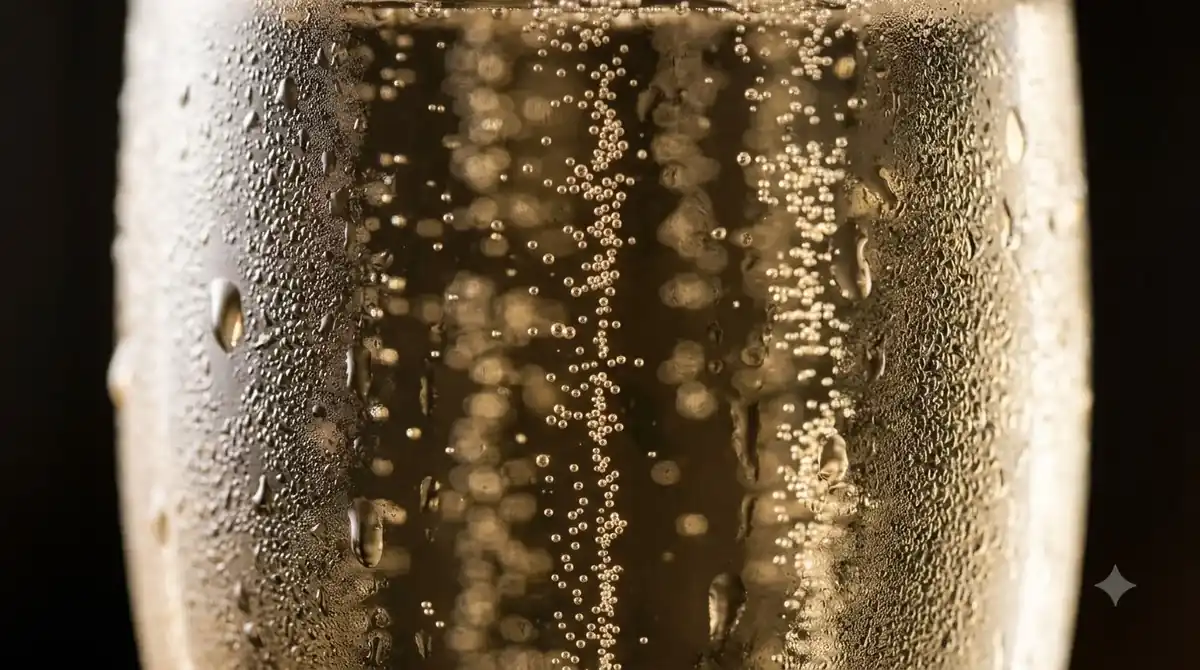
Extra Brut is the driest category, with less than 6 grams of sugar per liter. Wine Folly does not cover sweetness levels directly, but the official Champagne rules set this range, and it gives the wine a sharp, lean edge that suits oysters and raw fish. Because the style is so dry, it can taste austere on its own, so pair it with food that has salt or acidity.
Extra Brut is not always the easiest choice for beginners. If you are new to sparkling wine, a Brut bottle may be a more comfortable first purchase, and an Extra Brut can be saved for a dinner built around seafood.
Best Sweeter Sparkling for Dessert Nights
Sweeter Champagne styles are labeled Extra Dry, Sec, and Demi-sec, and they contain more sugar per liter. Extra Dry still tastes fairly dry to many people, but Sec and Demi-sec are noticeably sweet. These bottles suit fruit tarts, cakes, and creamy desserts, and they can also work with spicy dishes where a little sweetness helps the wine balance heat.
When you find a bottle labeled with one of these terms, check the sugar figure against the style you want. A label reading Demi-sec will taste very different from a Brut, even if both come from the same region.
Shopping Tips for the Trader Joe’s Wine Aisle
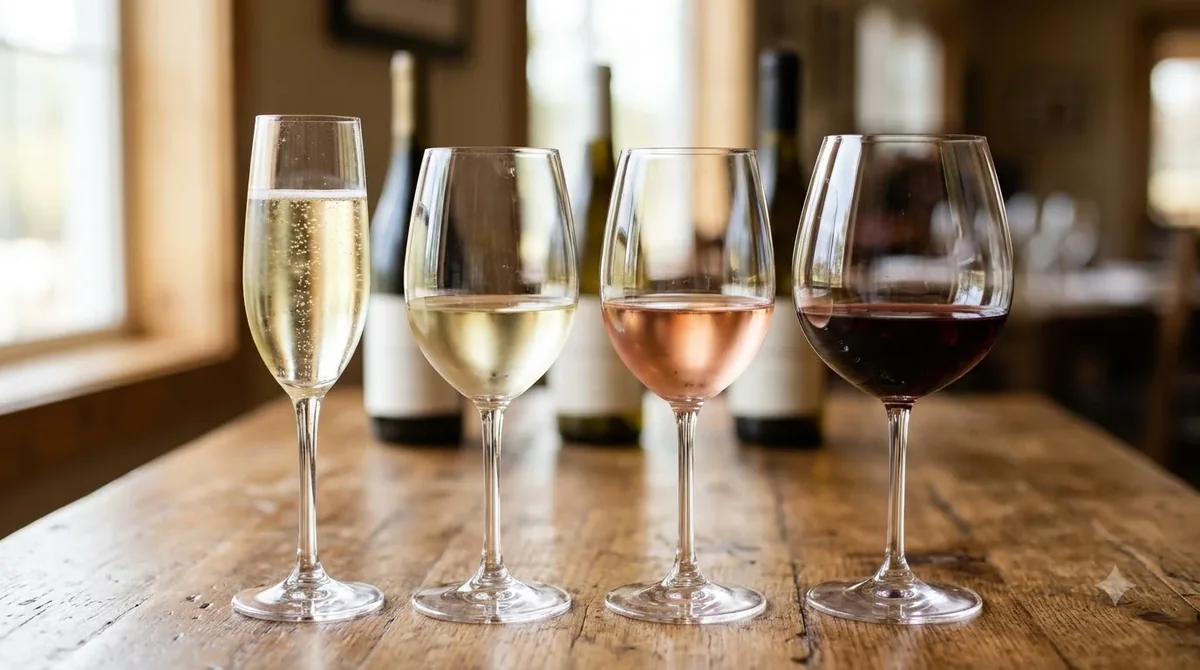
Trader Joe’s rotates its selection, so a favorite bottle may not return for months. Instead of searching for one exact name, look for the style and the Champagne region on the label. If a bottle is not labeled Champagne, it is a sparkling wine from another place, and its rules and flavors can differ. Wine Folly and the official Champagne site both stress that true Champagne comes only from its own region, so the origin on the label matters.
Price is another variable. Shelf prices change and vary by store, so do not rely on a price guide to judge quality. Compare bottles by style, sugar level, and origin instead, and taste a few styles over time to learn what you like. If you also want a still wine for the same gathering, the best white wine at trader joes guide covers similar shopping questions, and the best pinot noir at trader joes guide is useful for a red option.
Tip: Serve Champagne cold, around 45 to 48 degrees Fahrenheit, according to the official Champagne rules as summarized on Wikipedia. Keep the bottle chilled until you pour, and pour small glasses so the bubbles stay lively.
How to Choose a Champagne Bottle
Use these steps to compare bottles quickly on the shelf or in the app. They work for most Champagne and sparkling wine purchases.
- Confirm the label says Champagne and names France. Wine Folly and the official Champagne body both note that only wine from the Champagne region can carry the name.
- Check the sweetness term. Brut is the safe default, while Extra Brut suits oysters and Demi-sec suits dessert.
- Look at the grapes if they are listed. Champagne is typically a blend of Chardonnay, Pinot Noir, and Pinot Meunier, and the mix shapes the wine’s character.
- Plan to serve the bottle cold, and pour it with food when possible, since Champagne works well with the main course.
- Note the style you liked, so you can ask staff or search for a similar bottle on your next visit.
Frequently Asked Questions
What does Brut mean on a Champagne label?
Brut means the wine is dry, with less than 12 grams of sugar per liter. It is the most common style and a good choice for most occasions, from toasts to fried foods.
Is Champagne the same as other sparkling wine?
Not exactly. Champagne is made in a specific region of France using a set of rules, including a second fermentation in the bottle and a minimum aging period. Other sparkling wines can be made in similar ways, but they are not called Champagne unless they come from that region.
Should I chill Champagne before serving?
Yes. Champagne is usually served cold, at about 45 to 48 degrees Fahrenheit, which keeps the bubbles lively and the flavors crisp. Wine Folly suggests a slightly wider range of 38 to 45 degrees Fahrenheit for serving.
Why does the Trader Joe’s selection change so often?
Stores rotate their wine lists based on supply and buying decisions, so the bottles you find will vary. Looking for a style, such as Brut, and checking the region on the label makes it easier to find a suitable bottle on any visit.
The best champagne at Trader Joe’s depends on the style you want, and Brut is the best place to start for most shoppers. Check the sweetness term, confirm the Champagne origin, and serve the wine cold with food when you can. To learn more about how Champagne is made and labeled, read the Wine Folly Champagne guide or the wine buying guide on this site.
More in Wine Buying Guides
 Riesling Gift: Choose a Bottle They’ll LoveUpdated Nov 21, 2026
 Sweet Red Wine Gift: Choose a Bottle They’ll LoveUpdated Nov 21, 2026
 Malbec Gift: How to Choose a Memorable Bottle for Any OccasionUpdated Nov 21, 2026
 Sherry Gift Ideas That Match Every Wine LoverUpdated Nov 21, 2026
 Moscato Gift: How to Choose a Sweet Wine They’ll LoveUpdated Nov 21, 2026
 Merlot Gift: How to Choose a Bottle They’ll AppreciateUpdated Nov 21, 2026