

We may earn a commission when you buy through links on this page, at no extra cost to you. Learn more.
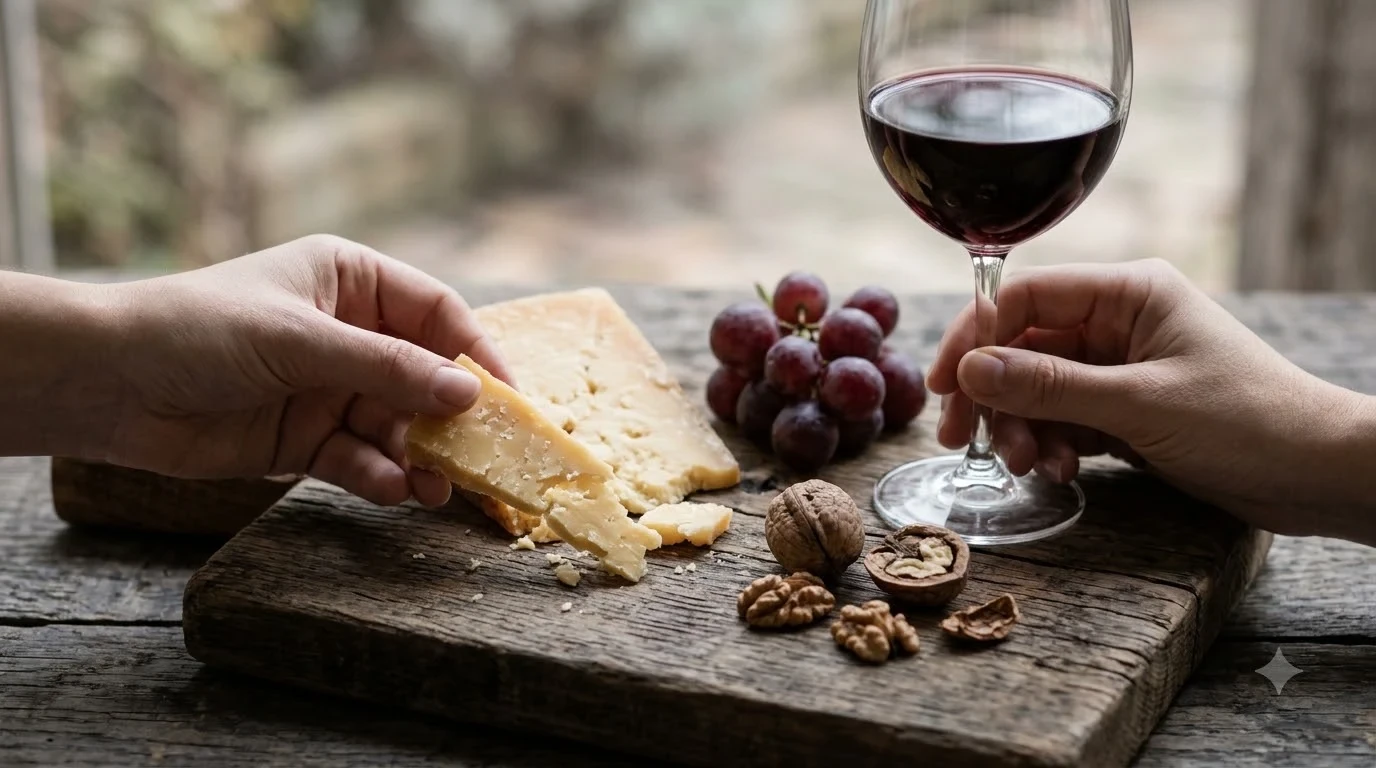
Chambourcin food pairing works best with grilled meats, pork, burgers, tomato-based pasta, mushrooms, and medium-aged cheeses. This medium-bodied red wine combines dark cherry and berry flavors with herbal notes, fresh acidity, and generally soft tannins. Its approachable structure makes it versatile enough for casual barbecue, hearty weeknight dinners, and cheese boards. The best matches complement its fruit and acidity without overwhelming its relatively gentle tannins.
Chambourcin is a distinctive French-American hybrid grape that deserves a place at the dinner table. Grown in regions such as Missouri, Virginia, and New Jersey, it produces wines with different expressions of fruit, acidity, body, and sweetness. Some bottles are dry and earthy, while others are fruitier or slightly sweet. Understanding these differences makes choosing food much easier. Here are the most dependable combinations, along with practical advice for matching specific dishes, selecting cheeses, and serving the wine at its best.
Understanding Chambourcin’s Flavor Before Choosing Food
Chambourcin pairs especially well with food that complements its dark fruit, herbal character, and fresh acidity. Its medium body and relatively soft tannins make it less demanding than heavily structured reds, allowing it to accompany a broad range of everyday meals.
The grape is a French-American hybrid developed by Joannes Seyve. Its name is pronounced sham-bor-SAN. One distinctive characteristic is its status as a teinturier grape, meaning its juice has naturally dark pigmentation rather than the clear juice found in most red wine grapes. This helps explain why Chambourcin can produce deeply colored wines without necessarily having aggressive tannins.
In the glass, expect dark cherry, blackberry, plum, and sometimes raspberry. Depending on the producer and winemaking approach, additional notes can include black pepper, fresh herbs, earth, chocolate, vanilla, and oak. Missouri Wines identifies cherry, light oak, and earthy dark-cherry flavors as characteristic features. Stone Hill Winery also describes earthy and herbal aromas alongside dark fruit and chocolate.
Acidity is particularly important when planning a meal around this wine. Chambourcin can have refreshing acidity that cuts through moderately rich food and keeps savory flavors from feeling heavy. Rutgers Cooperative Extension notes that some Chambourcin wines can have noticeably high acidity, although winemaking choices can change the final balance.
Tannins are generally softer than those found in Cabernet Sauvignon or Syrah. This gives the wine a more flexible relationship with poultry, pork, mushrooms, and mild cheeses. However, the actual structure varies. A barrel-aged bottle may have more noticeable grip and oak influence than a lighter, fruit-forward example.
Sweetness also deserves attention. Although many Chambourcin bottles are dry, the grape can produce semi-sweet and sweet wines, as well as rosé and sparkling styles. The following recommendations primarily concern still red Chambourcin. For a sweeter bottle, choose dishes with some sweetness of their own rather than very sour or bitter accompaniments.
A useful starting point is to think about three characteristics: dark fruit, refreshing acidity, and gentle tannins. Foods with savory flavors, moderate fat, roasted aromas, and earthy ingredients naturally complement this combination. For a detailed varietal overview, Missouri Wines’ Chambourcin profile also identifies the grape’s characteristic flavors, texture, and suggested food matches.
Best Meats for Chambourcin: Beef, Pork, and Lamb
Grilled and roasted meats are among the strongest matches for Chambourcin. Beef burgers, pork loin, short ribs, and simply seasoned lamb provide savory flavors and enough richness to complement the wine’s dark fruit and fresh acidity.
Beef burgers are an especially reliable choice. The browned exterior, juicy center, and savory meat flavors work naturally with Chambourcin’s cherry and blackberry notes. Add caramelized onions, sautéed mushrooms, or aged cheddar to introduce additional savory depth. A straightforward burger with lettuce and tomato also works, particularly with a fruit-forward bottle.
Grilled steak is another good option, especially when prepared with moderate seasoning. Sirloin, strip steak, and flank steak have enough beef flavor to stand up to the wine without requiring an exceptionally tannic red. A mushroom sauce, roasted garlic, or black pepper seasoning reinforces Chambourcin’s earthy and herbal character.
For particularly rich cuts, consider the wine’s structure. A medium-bodied, softly textured Chambourcin will work best with moderately fatty steak rather than an extremely rich preparation dominated by heavy butter or concentrated sauces. A more structured, oak-aged version can handle a heartier beef dish.
Pork loin and roasted pork tenderloin are excellent matches because pork’s mild flavor allows the wine’s fruit and acidity to remain noticeable. Herb-crusted pork with rosemary, thyme, garlic, and black pepper brings out Chambourcin’s herbal side. Applesauce or roasted apples provide a gentle sweetness that complements the cherry and plum characteristics.
For slow-cooked meals, try pork shoulder, pulled pork, or short ribs. The wine’s acidity provides freshness alongside rich meat, while its fruit complements browned edges and savory cooking juices. Tomato-based barbecue sauces are particularly suitable, provided they are not excessively sweet.
Lamb also works well, especially grilled lamb chops or roasted leg of lamb. Rosemary, thyme, garlic, and black pepper create a natural bridge between the seasoning and the wine’s herbal and earthy notes. A side of roasted potatoes or mushrooms completes the plate.
For smoked meats, choose moderately smoky preparations rather than dishes dominated by heavy smoke and extremely hot spices. Smoked pork loin, grilled sausages, and lightly smoked beef bring out the wine’s darker flavors without making its acidity seem sharp.
Tip: For a dependable dinner combination, serve herb-crusted pork tenderloin with roasted mushrooms and apples. The herbs complement Chambourcin’s savory notes, the mushrooms reinforce its earthy character, and the apples echo its fruit flavors.
Chicken, Turkey, and Other Poultry Pairings
Roasted chicken and turkey are excellent partners for Chambourcin, particularly when the meat has browned skin, herb seasoning, or a savory pan sauce. The wine’s medium body is substantial enough for roasted poultry while its acidity keeps the combination fresh.
Roast chicken is one of the easiest dishes to match. Season a whole chicken with rosemary, thyme, garlic, black pepper, and a little olive oil. Roasting develops savory flavors and crisp skin that complement the wine’s earthy character. Serve it with roasted carrots, potatoes, or sautéed mushrooms for a balanced meal.
Chicken thighs are another strong choice. Their slightly richer texture gives them enough flavor to work with a medium-bodied red. Grilled or oven-roasted thighs with garlic, paprika, and herbs are particularly suitable. Avoid using too much chili if the Chambourcin has noticeable alcohol, since alcohol can amplify the sensation of heat.
Roasted turkey offers another dependable pairing. Turkey breast has a relatively mild flavor, while dark meat provides additional richness. Chambourcin can accompany both, especially when the meal includes herb stuffing, roasted root vegetables, or mushroom gravy.
Thanksgiving-style meals can be more complicated because cranberry sauce, sweet potatoes, and fruit-based side dishes introduce sweetness and acidity. A dry Chambourcin works well with turkey and savory stuffing, but an especially sweet cranberry sauce may make the wine seem more tart. Keeping the sauce moderately sweet helps maintain balance.
Barbecue chicken is also a natural match. A tomato-based barbecue sauce complements the wine’s dark fruit, while grilled or roasted skin adds savory depth. Choose a sauce with moderate sweetness and spice rather than one that is intensely sugary or extremely hot.
For lighter poultry preparations, such as poached chicken or simply grilled chicken breast, a lighter-bodied Chambourcin served slightly cool is preferable. Heavy oak and concentrated fruit can overwhelm delicate preparations, so choose an approachable, fruit-forward bottle.
Duck can work too, particularly roasted duck breast served with mushrooms, herbs, or a restrained berry sauce. Its richer meat provides enough flavor for the wine, and the fruit-based accompaniment creates a connection with Chambourcin’s cherry and plum notes. Keep the sauce savory rather than turning the dish into a sweet dessert-like preparation.
Pizza, Pasta, and Tomato-Based Dishes
Tomato-based dishes are among the most practical Chambourcin pairings because the wine’s acidity complements the natural acidity of tomatoes. Pizza, lasagna, spaghetti with meat sauce, and baked pasta provide savory flavors that also suit its dark fruit and herbal notes.
Spaghetti with meat sauce is a classic combination. Ground beef or pork, tomatoes, garlic, onions, and Italian herbs create a savory sauce with enough richness for the wine. Chambourcin’s fresh acidity helps keep the combination lively, while its cherry and dark berry flavors complement the cooked tomato.
For a particularly good match, prepare a slow-simmered tomato sauce with ground beef, mushrooms, oregano, basil, and black pepper. The mushrooms reinforce the earthy side of the wine, while the meat adds depth. A little grated Parmesan provides saltiness and umami.
Lasagna is another strong option. Traditional beef or pork lasagna combines tomato sauce, browned meat, pasta, and melted cheese. These ingredients give the wine several points of connection: savory meat, tomato acidity, and the richness of cheese. A medium-bodied Chambourcin is generally a better fit than a very light or highly sweet version.
For pizza, choose toppings such as Italian sausage, mushrooms, roasted peppers, onions, or pepperoni. The browned crust and savory toppings complement Chambourcin’s dark fruit. A mushroom and mozzarella pizza is particularly suitable for a bottle with earthy and herbal characteristics.
Vegetarian tomato pasta also works well. Penne with roasted eggplant, tomato, garlic, and basil provides a satisfying combination without meat. The roasted vegetables contribute depth, while the tomato sauce maintains the acidity needed to balance the wine.
Not every pasta dish is equally suitable. Delicate preparations with lemon, fresh seafood, or very light cream sauces can be overshadowed by a full-flavored red. For those meals, a crisp white wine may be more appropriate. Chambourcin is better suited to richer sauces, roasted vegetables, and substantial pasta dishes.
For creamy pasta, consider a mushroom-based sauce with Parmesan and garlic rather than a very heavy cream preparation. The earthiness of mushrooms creates a useful flavor connection, and the cheese contributes savory richness. A lightly oaked Chambourcin is especially suitable.
Similar red varieties can offer useful comparisons when planning a meal. For another approachable red, Carignan food pairing ideas can help with grilled meats and tomato-based dishes. For a more savory and structured alternative, explore Blaufränkisch food pairing suggestions.
Cheese, Vegetables, and Vegetarian Food
Chambourcin pairs particularly well with soft, creamy cheeses, roasted mushrooms, and vegetables with browned or caramelized surfaces. These ingredients complement its fruit and earthiness while providing enough richness to balance its acidity.
Brie and Camembert are two of the most dependable cheese choices. Their creamy textures soften the perception of acidity and provide a pleasant contrast with Chambourcin’s dark fruit. Missouri Wines and Stone Hill Winery both specifically identify these cheeses as suitable matches.
Serve Brie or Camembert with plain crackers, crusty bread, walnuts, and fresh figs. The nuts provide a savory, slightly bitter contrast, while figs contribute natural sweetness. Keep fruit portions moderate if the Chambourcin is completely dry, since very sweet accompaniments can make a dry wine seem sharper.
Goat cheese can also work, particularly when served with roasted vegetables or mushrooms. Its tangy flavor needs a wine with enough acidity to keep the combination balanced. A fruit-forward Chambourcin is preferable to a heavily oaked example for a simple goat cheese salad.
Other useful cheese choices include young Gouda, mild cheddar, and semi-firm cheeses with moderate saltiness. Salt can soften the perception of tannin, making moderately savory cheese a good partner for red wine. Avoid extremely pungent blue cheeses if the Chambourcin is delicate, as their intensity can dominate the wine.
Vegetables that work especially well
Mushrooms are perhaps the most natural vegetarian pairing. Their earthy, savory flavor connects directly with the herbal and dark-fruit character found in many Chambourcin wines. Try grilled portobello mushrooms, mushroom risotto, sautéed cremini mushrooms, or stuffed mushrooms with garlic, breadcrumbs, and herbs.
Eggplant also works well, particularly when roasted or grilled. Its soft texture and savory flavor suit medium-bodied reds. Eggplant Parmesan, roasted eggplant with tomato sauce, and grilled eggplant with garlic and herbs are all suitable options.
Roasted peppers, onions, and root vegetables provide additional choices. Carrots, beets, parsnips, and sweet potatoes develop caramelized flavors during roasting. Their natural sweetness complements the wine’s fruit, although heavily sweetened preparations are better suited to a Chambourcin with some residual sugar.
For a complete vegetarian meal, serve grilled portobello mushrooms with roasted peppers, herbed potatoes, and Brie. Another option is a mushroom and eggplant lasagna with tomato sauce and Parmesan. Both dishes provide enough flavor and texture to stand alongside the wine.
For a lighter vegetable-focused menu, consider roasted squash, lentils, and mushrooms with thyme. The combination brings together earthy, savory, and gently sweet flavors without relying on excessive richness.
Spicy Foods, Sauces, and International Cuisine
Chambourcin can accompany moderately seasoned dishes from several cuisines, particularly recipes featuring roasted vegetables, tomato sauces, mushrooms, and grilled meats. The safest approach is to emphasize savory spices and moderate heat rather than intense chili.
Barbecue is one of the most flexible options. Grilled pork, beef brisket, smoked sausages, and barbecue chicken all provide flavors that complement the wine. A tomato-based sauce with moderate sweetness and black pepper works particularly well with fruit-forward Chambourcin.
However, very hot sauces require care. Chili heat is amplified by alcohol and tannin, so a high-alcohol red with noticeable structure can make spicy food seem hotter. A moderately alcoholic, softer Chambourcin is a better choice for mildly spicy barbecue than a heavily extracted red.
Mexican-inspired dishes can work when their seasonings are balanced. Beef tacos with roasted peppers, grilled onions, mushrooms, and mild tomato salsa are good options. A little cumin and smoked paprika can reinforce the wine’s earthy character, while beans and grilled vegetables provide additional texture.
For enchiladas, choose a moderate red or green sauce rather than an extremely hot one. Beef or mushroom fillings are especially suitable. If the dish contains a lot of chili, a fruitier, slightly off-dry Chambourcin may offer better balance than a completely dry, strongly alcoholic version.
Italian and Mediterranean dishes remain reliable choices. Grilled lamb with rosemary, baked eggplant, tomato-based pasta, and sausage with peppers all work naturally. Olive oil, garlic, and fresh herbs help create flavor connections with the wine.
Indian food requires a little more selectivity. Mild dishes featuring roasted vegetables, lentils, mushrooms, or moderately spiced chicken can work, especially when the preparation includes tomatoes. Very hot curries, intensely acidic chutneys, and heavily chili-driven sauces are less suitable.
For Asian-inspired meals, try grilled pork with ginger, garlic, and a restrained soy-based glaze. The wine’s acidity and fruit can complement savory marinades, although very sweet sauces may make a dry Chambourcin taste more acidic. Keep the glaze balanced and avoid excessive chili.
Fish is a less obvious but possible match. Virginia ABC specifically includes fish among its suggested Chambourcin pairings. Choose substantial, meaty fish such as grilled tuna or salmon with roasted vegetables rather than delicate white fish. Avoid oily fish preparations that clash with noticeably tannic red wines. A light-bodied, low-tannin Chambourcin is the better option for seafood.
Desserts, Serving Temperature, and Food Matching Tips
Chambourcin can accompany selected fruit-based desserts and chocolate dishes, but sweetness needs careful attention. For the most reliable result, choose desserts that are no sweeter than the wine or select a sweeter Chambourcin to accompany a more sugary finish.
Dark chocolate desserts can work with a fruit-forward Chambourcin that has enough concentration to stand alongside the cocoa. Chocolate cake, chocolate cupcakes, and chocolate desserts with berry components are useful choices. Missouri Wines specifically includes chocolate cake among its recommended pairings.
Milk chocolate is another possibility, particularly with a Chambourcin that has noticeable dark fruit and a smooth finish. However, a very sweet dessert can make a dry wine taste sour or thin. A semi-sweet Chambourcin is often a better option for sweeter chocolate preparations.
Fruit desserts offer more flexible combinations. Strawberry tart, fig pastries, apple cobbler, and berry crumble can complement the grape’s cherry and plum characteristics. Missouri Wines also lists strawberries, figs, and cobbler among its suggested food matches.
For a simple cheese-and-dessert course, serve Brie, walnuts, fresh figs, and a modest portion of dark chocolate. This combination offers creamy, nutty, fruity, and slightly bitter elements that complement a fruit-forward red.
Serving temperature matters
Chambourcin generally benefits from being served slightly cooler than a warm room. For lighter-bodied examples, aim for approximately 55–60°F. This temperature range helps preserve fresh fruit aromas and acidity while keeping the wine from seeming overly alcoholic.
For a fuller-bodied, oak-aged Chambourcin, a temperature closer to 60–65°F can work well. Avoid serving the wine excessively warm, as heat can emphasize alcohol and make its flavors seem less balanced. Conversely, serving it too cold can suppress aromas and make the wine feel more acidic.
A practical approach is to refrigerate a room-temperature bottle for approximately 20–30 minutes before serving, then adjust according to its style and the conditions in the dining room. If the bottle becomes too cold, simply allow it to warm gradually in the glass.
Pouring and storing the wine
A standard wine pour is 5 ounces, and a 750 ml bottle provides approximately five glasses. This serving size leaves room in the glass for swirling, which helps release Chambourcin’s cherry, plum, and herbal aromas.
Young Chambourcin usually does not require extensive decanting. Opening the bottle shortly before dinner is sufficient for many approachable examples. A fuller-bodied or oak-aged version may benefit from 15–30 minutes of exposure to air, although tasting the wine first is the simplest way to decide.
Store unopened bottles on their sides in a cool, dark location near 55°F when using cork closures. Keep them away from direct sunlight, heating equipment, and substantial temperature fluctuations. Once opened, reseal the bottle and refrigerate it. Most opened still wines retain their best qualities for approximately 3–5 days when stored properly.
Tip: Match the wine’s weight to the dish before considering individual ingredients. A lighter Chambourcin suits roasted chicken and mushroom dishes, while a fuller, oak-aged bottle is better suited to beef short ribs, grilled steak, and rich tomato pasta.
Quick food-pairing reference
The following table summarizes practical combinations for common Chambourcin styles and meals. The serving temperatures are recommendations for the wine, not cooking temperatures for the food.
| Food or dish | Why it works | Suggested wine style | Serving temperature |
|---|---|---|---|
| Beef burgers | Savory meat complements dark fruit | Dry, medium-bodied | 55–60°F |
| Pork tenderloin | Herbs and mild sweetness complement cherry flavors | Dry, fruit-forward | 55–60°F |
| Beef short ribs | Rich meat balances acidity | Fuller-bodied, oak-aged | 60–65°F |
| Tomato pasta | Acidity complements tomato sauce | Dry, medium-bodied | 55–60°F |
| Roasted chicken | Herbs and browned skin complement earthy notes | Lighter-bodied | 55–60°F |
| Brie or Camembert | Creamy texture balances fresh acidity | Fruit-forward, soft tannins | 55–60°F |
| Grilled mushrooms | Earthy flavors reinforce the wine’s herbal character | Dry, medium-bodied | 55–60°F |
| Chocolate cake | Dark fruit complements cocoa flavors | Fruit-forward or slightly sweet | 55–60°F |
For more ideas on selecting wines for different meals, explore Wine by Type. If you prefer a white wine with vegetables, poultry, or lighter seafood dishes, Grenache Blanc food pairing recommendations provide another useful direction.
For a producer-specific example, Stone Hill Winery’s Chambourcin description details a dry, medium-bodied expression with 13.5% alcohol, fresh acidity, soft tannins, and suggested matches including grilled meats, rich red-sauce pasta, beef, pork, Brie, and Camembert. This illustrates why the wine’s individual style matters when selecting a menu.
Above all, remember that the producer’s style makes a difference. A dry, fresh Chambourcin from Virginia may behave differently from a fruit-forward Missouri example or a more structured, oak-aged bottle. Choosing dishes that complement the wine’s actual sweetness, acidity, body, and tannin level will produce more dependable results than relying on the grape name alone.
Frequently Asked Questions
Is Chambourcin related to Cabernet Sauvignon?
No direct parentage relationship with Cabernet Sauvignon has been established. Chambourcin is a French-American hybrid associated with viticulturist Joannes Seyve, and its parentage is described as unknown by Stone Hill Winery. Its naturally deep color can resemble darker European reds, but its generally softer tannins give it a different drinking profile.
Can Chambourcin be used for cooking?
Yes. Dry Chambourcin can be used in beef braises, tomato sauces, mushroom sauces, and pan reductions. Its dark fruit and herbal character can contribute complexity to savory preparations. Reduce it gradually rather than boiling it aggressively, and avoid using a sweet version in recipes designed for dry red wine.
Is Chambourcin suitable for a cheese fondue dinner?
Chambourcin can accompany a cheese-focused meal, particularly when the fondue includes moderate amounts of Gruyère or Emmental and is served with mushrooms, potatoes, and crusty bread. However, traditional white-wine-based fondue may work better with a crisp white wine during cooking. Keep Chambourcin as the table wine alongside the finished meal.
Does Chambourcin have to be aged before drinking?
No. Many approachable Chambourcin wines are intended to be enjoyed relatively young, when their fresh fruit and acidity are prominent. Rutgers Cooperative Extension reports that participating New Jersey winemakers considered some carefully made examples capable of aging for 8–10 years. That potential applies to suitable wines rather than every bottle made from the grape.
Can Chambourcin be served as a rosé or sparkling wine?
Yes. Chambourcin is not limited to still red wine. Rutgers Cooperative Extension documents dry to semi-sweet rosé and sparkling styles, as well as semi-sweet and sweet red examples. Rosé versions generally suit lighter foods such as salads, grilled vegetables, and poultry, while sparkling versions can accompany appetizers and salty snacks.
Chambourcin is a versatile red that brings dark fruit, fresh acidity, and approachable tannins to the table. Start with grilled meats, pork, tomato-based pasta, mushrooms, and Brie or Camembert for reliable combinations. Once you understand the style in your glass, experiment with roasted vegetables, barbecue, and fruit desserts to discover even more enjoyable matches.
More in Wine Types & Grapes
 What Does Ruby Port Taste Like? Flavor Notes, Styles, and Serving TipsUpdated Nov 21, 2026
 What Does Ribolla Gialla Taste Like? Crisp White and Amber Styles ExplainedUpdated Nov 21, 2026
 What Does Semillon Taste Like? Flavor Profile, Styles & PairingsUpdated Nov 21, 2026
 What Does Scuppernong Taste Like? Flavor, Styles, and Pairing GuideUpdated Nov 21, 2026
 What Does Saperavi Taste Like? Flavors, Styles, and Pairing GuideUpdated Nov 21, 2026
 What Does Natural Wine Taste Like? Flavors, Styles, and Serving TipsUpdated Nov 21, 2026