

We may earn a commission when you buy through links on this page, at no extra cost to you. Learn more.
Chablis vs Chenin Blanc comes down to grape variety, flavor, and sweetness: Chablis is a consistently dry Chardonnay from Burgundy, while Chenin Blanc is a versatile Loire Valley grape that produces dry, off-dry, sweet, and sparkling wines. Chablis typically offers crisp acidity, green apple, lemon, and mineral character, while Chenin Blanc ranges from tart citrus and quince to ripe pear, honey, and tropical fruit. Choose Chablis for a focused, dry white wine with seafood, or Chenin Blanc when you want more variety in sweetness, texture, and food-pairing possibilities.
Although both wines are associated with France and are frequently compared by white-wine drinkers, they are not interchangeable styles. Chablis is an appellation in northern Burgundy that requires Chardonnay, whereas Chenin Blanc is a grape variety associated especially with the Loire Valley. Understanding that distinction makes it easier to choose a bottle for dinner, recognize the flavors in your glass, and understand why two wines with bright acidity can taste remarkably different.
Chablis and Chenin Blanc: The Essential Differences
The most important difference is that Chablis identifies a wine-growing place and its regulated wine style, while Chenin Blanc identifies a grape that can be grown in multiple regions and made into several styles. This distinction explains why Chablis is reliably dry but Chenin Blanc can range from bone-dry to dessert-sweet.
Chablis comes from the Yonne department in northern Burgundy, France. Its vineyards follow the Serein River, and Chardonnay is the only permitted grape variety for the appellation. The region’s relatively cool growing conditions help preserve acidity, producing wines known for their freshness, restrained fruit, and mineral character.
Chenin Blanc has its most famous French home in the Loire Valley, particularly Anjou and Touraine. Vouvray is one of its best-known appellations, and its wines can be dry, medium-dry, sweet, or sparkling. The harvest date, grape ripeness, vintage conditions, and winemaking decisions all influence the final style.
These wines also differ in their typical aromatic profiles. Chablis frequently suggests lemon, green apple, wet stone, and flint. Chenin Blanc can show apple, pear, quince, citrus, acacia, and honey, depending on ripeness, sweetness, and age.
| Characteristic | Chablis | Chenin Blanc |
|---|---|---|
| Identity | Burgundy appellation | White grape variety |
| Primary French region | Northern Burgundy | Loire Valley |
| Grape variety | 100% Chardonnay | 100% Chenin Blanc in varietal examples |
| Typical sweetness | Dry | Dry to sweet |
| Acidity | Medium-high to high | Medium-high to high |
| Common fruit flavors | Lemon, lime, green apple | Apple, pear, quince, citrus |
| Other aromas | Flint, wet stone, mineral notes | Acacia, honey, quince, beeswax |
| Body | Light to medium | Light to full, depending on style |
| Typical serving temperature | 50–55°F | 45–50°F for lighter dry styles; 43–50°F for sweet styles |
| Notable appellations | Petit Chablis, Chablis, Premier Cru, Grand Cru | Vouvray, Savennières, Anjou, Coteaux du Layon |
There is no universal winner because the wines serve different purposes. If you want a dependable dry white with a pronounced mineral impression, Chablis is a straightforward choice. If you want to explore different expressions of acidity, fruit, and sweetness, Chenin Blanc provides more possibilities.
Grape Varieties and French Wine Regions
Chablis and Chenin Blanc come from distinct wine-growing traditions, and their geographical origins influence how the grapes develop. Chablis is tied to Chardonnay and northern Burgundy, while Chenin Blanc has a long association with the Loire Valley and its varied vineyard conditions.
Chablis is located north of the main Côte d’Or wine areas of Burgundy. Its climate is relatively cool, with continental influences and a risk of spring frost. The vineyards grow on varied limestone and marl soils, including Kimmeridgian limestone associated with fossilized marine organisms. This geology is an important part of the region’s identity, although the taste of wine cannot be reduced to soil alone.
The appellation has four principal levels. Petit Chablis generally comes from higher or cooler sites, while Chablis represents the main village-level category. Chablis Premier Cru comes from designated vineyard sites, and Chablis Grand Cru represents the highest appellation level. The Bourgogne wine organization identifies 40 Premier Cru Climats, including 17 main Climats and well-known sites such as Fourchaume, Vaillons, and Montée de Tonnerre.
Chenin Blanc is particularly associated with Anjou and Touraine in the Loire Valley. Its late-ripening character allows it to respond to different harvest conditions and vineyard microclimates. That adaptability helps explain why the same variety can produce a tense, dry wine in one location and a richly sweet wine in another.
Vouvray, east of Tours, is one of the most recognizable Chenin Blanc appellations. It uses Chenin Blanc exclusively and produces still and sparkling wines in several sweetness categories. Savennières, farther west in the Loire, is particularly associated with dry, structured Chenin Blanc, while Coteaux du Layon is known for sweet expressions.
Chenin Blanc is also widely planted outside France, especially in South Africa, where it is commonly known as Steen. These wines can have a different fruit profile and winemaking approach from Loire examples. This is another reason not to assume that every bottle labeled Chenin Blanc will resemble Vouvray.
For a broader comparison of white-wine styles, the distinction between these regional and grape-based identities also helps explain how wine comparisons work.
Flavor, Aroma, Acidity, and Texture
Chablis usually delivers a focused combination of citrus, green fruit, refreshing acidity, and mineral aromas. Chenin Blanc has a broader aromatic range, with flavors that change noticeably according to ripeness, sweetness, and age.
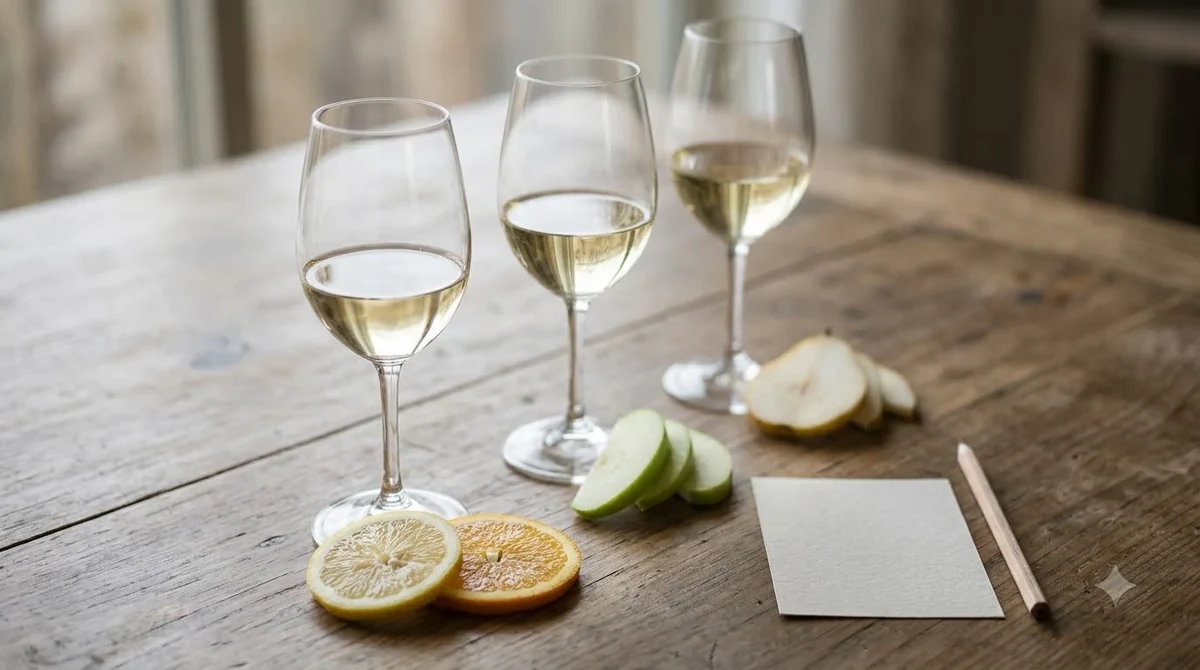
A typical Chablis opens with lemon, green apple, lime, or pear. Some examples have aromas reminiscent of flint, wet stone, freshly cut herbs, or subtle flowers. Its palate is generally dry and crisp, with a clean finish rather than obvious sweetness. The best examples combine freshness with enough texture to accompany richer seafood and poultry dishes.
Oak treatment can influence the character of Chardonnay, but Chablis should not automatically be described as heavily oaked. Many examples emphasize freshness and restrained winemaking, while certain more ambitious wines, particularly from Premier Cru and Grand Cru sites, may show additional texture and complexity from their production and aging choices.
Chenin Blanc offers a different progression of flavors. Dry, young examples often show green apple, lemon, quince, and fresh pear. Riper or sweeter styles can develop peach, apricot, pineapple, honey, and floral notes. Older examples may reveal beeswax, dried fruit, toasted nuts, and baked apple.
Acidity is a major feature of both wines. Chablis has refreshing acidity that supports its dry, citrus-led profile. Chenin Blanc also naturally retains substantial acidity, even in sweeter expressions. This balance is particularly important because it prevents residual sugar from making every sweet Chenin taste heavy.
Texture is another useful distinction. Chablis generally feels crisp, precise, and relatively streamlined, although richer examples can have more weight. Chenin Blanc can be lean and energetic, creamy and rounded, or concentrated and luscious. Sparkling Chenin adds bubbles and a different impression of freshness.
Oak, lees contact, fermentation choices, and bottle age can change both wines. Therefore, the grape and region provide a useful starting point, but the producer and individual wine style still matter.
Dry, Off-Dry, Sweet, and Sparkling Styles
Chablis is a dry white wine, whereas Chenin Blanc can cover nearly the entire range of white-wine sweetness. This is probably the biggest practical difference for shoppers deciding which bottle will suit their preferences.
Chablis is not ordinarily made as a sweet wine. Its defining style emphasizes dryness, freshness, and a relatively restrained fruit profile. The four appellation levels distinguish vineyard origin and classification rather than offering different sweetness categories. Petit Chablis, village Chablis, Premier Cru, and Grand Cru are all dry styles.
Chenin Blanc is much more flexible. In Vouvray, the principal still-wine categories include sec, demi-sec, and sweeter expressions. Sec means dry, while demi-sec indicates an off-dry or medium-dry style. Sweeter wines can be produced from particularly ripe grapes, sometimes with the influence of noble rot, also known as Botrytis cinerea.
The difference between these categories is not merely a matter of sugar. A well-made demi-sec Chenin can retain enough acidity to taste lively rather than sugary. A sweet Vouvray can have concentrated fruit, honeyed aromas, and a refreshing finish that keeps the wine balanced.
Chenin Blanc also produces traditional-method sparkling wines. In Vouvray, the second fermentation takes place in the bottle, followed by aging on the yeast sediment, riddling, and disgorgement. The Vouvray producers’ organization describes a minimum aging period of 12 months for this process.
Extended aging on the lees can give sparkling Chenin notes of brioche, toast, and roasted nuts. These wines offer a different experience from still Chablis, making them useful for celebrations, aperitifs, and meals where bubbles are welcome.
The Vouvray producers’ explanation of Chenin Blanc styles describes how harvest maturity influences the sweetness of still wines and how traditional-method sparkling wines develop their character during bottle aging.
For shoppers who enjoy comparing other versatile white grapes, Chenin Blanc vs Riesling is another useful comparison, especially because both varieties can produce dry and sweet wines with lively acidity.
Tip: If you prefer dry wine, look for Chablis or a Chenin Blanc labeled Sec. If you want a little sweetness, try Vouvray Demi-Sec. For a dessert wine, look for a sweet Vouvray or Coteaux du Layon rather than assuming all Chenin Blanc tastes the same.
Food Pairings: Seafood, Cheese, and Main Courses
Chablis is particularly suited to seafood, shellfish, and simply prepared poultry, while Chenin Blanc’s range of sweetness and texture makes it adaptable to everything from goat cheese to spicy dishes and fruit desserts. The best pairing depends on the specific style in the bottle.
Chablis is a natural partner for oysters, scallops, shrimp, and grilled white fish. Its acidity refreshes the palate, while its dry profile complements delicate seafood without overwhelming it. The wine also works well with poached fish, sushi, and seafood preparations featuring lemon or light butter sauces.
For richer seafood dishes, Chablis Premier Cru can be particularly effective. Its additional structure and complexity suit fish in cream-based sauces, cooked oysters, and poultry served with a white sauce. A basic Chablis is often sufficient for simpler grilled or steamed preparations.
Chenin Blanc works with many of the same foods when made in a dry style. Dry Vouvray and Savennières can accompany roasted chicken, pork, grilled fish, and dishes with creamy sauces. Their acidity helps balance richness, while their fruit character gives the pairing a slightly different impression from Chablis.
Goat cheese is another excellent match for Chenin Blanc. Dry Loire Chenin works particularly well with fresh goat cheese, while an off-dry example can complement cheeses with more intense salty and savory characteristics. The combination of acidity, fruit, and salt makes these pairings particularly appealing.
Off-dry Chenin Blanc can also work with spicy Asian-inspired dishes. A small amount of sweetness softens the perception of heat, while acidity keeps the pairing fresh. Choose moderate alcohol and avoid highly tannic wines with particularly hot chili dishes, since alcohol and tannin can intensify the sensation of heat.
Sweet Chenin Blanc has a natural place alongside fruit-based desserts, pear tart, apple pastries, and blue cheese. The wine should generally be at least as sweet as the dessert, otherwise the dessert can make the wine taste thin and sour.
Chablis is less versatile with sweet dishes because its dry character can seem sharp alongside sugary desserts. It is better suited to savory courses, especially those featuring seafood, vegetables, and delicate proteins.
For a useful way to explore another Loire white-wine comparison, see Chenin Blanc vs Sancerre. The comparison highlights how grape variety and regional style influence acidity, fruit, and food compatibility.
Serving Temperatures, Storage, and Aging
Both wines benefit from cool serving temperatures, but avoid serving them so cold that their aromas disappear. Chablis generally performs well at 50–55°F, while the ideal temperature for Chenin Blanc depends on whether the wine is dry, sweet, or sparkling.
For a standard Chablis, aim for approximately 50–55°F. The Bourgogne wine organization recommends 10–11°C for Chablis, which is about 50–52°F. This temperature keeps the wine refreshing while allowing its citrus, apple, and mineral characteristics to remain noticeable.
For dry Chenin Blanc, a temperature of approximately 45–50°F works well for lighter examples. Fuller-bodied or more structured wines can be served closer to 50–55°F. Sweet Chenin Blanc is best served cooler, around 43–50°F, to keep its sweetness balanced by acidity.
Sparkling Chenin Blanc should be served colder, generally around 40–50°F. The cooler temperature helps preserve the bubbles and keeps the wine refreshing. Open the bottle carefully and use a sparkling-wine stopper if you plan to save some for another occasion.
Storage conditions are important for both wines. Keep bottles away from direct sunlight, strong temperature fluctuations, and heat sources. A cool storage area near 55°F is a useful target, and bottles with natural corks are generally stored on their sides.
Chablis is often enjoyable young, particularly at the Petit Chablis and village levels. Premier Cru and Grand Cru wines can have greater aging potential, with some Premier Cru examples developing for five to ten years. As they mature, their aromas can become more complex, developing subtle floral, spice, and savory characteristics.
Chenin Blanc also has impressive aging potential, although the expected lifespan depends heavily on the style and producer. Medium-dry Vouvray can age for approximately ten years, while exceptional sweet Vouvray can develop over several decades. With time, these wines may acquire honey, quince, toasted almond, and dried-fruit notes.
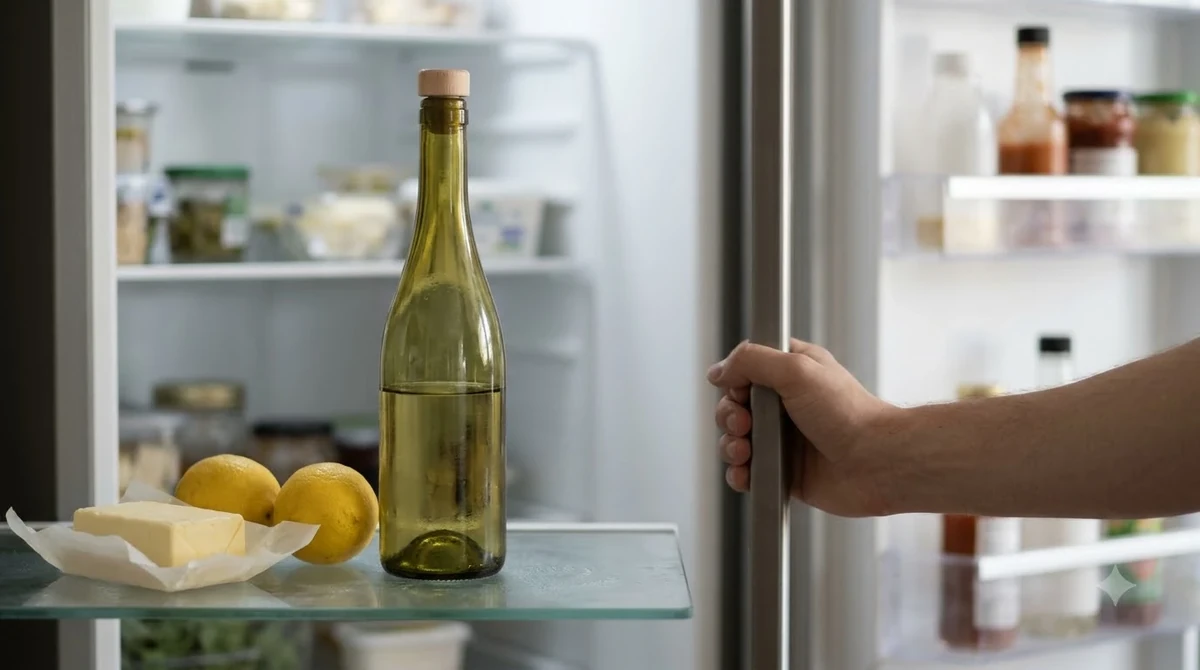
Once opened, refrigerate both still wines and use a suitable stopper. Most opened still white wines remain enjoyable for approximately three to five days, although freshness and aromatic intensity gradually decline. Sparkling wines generally retain their best character for approximately one to three days with an appropriate sparkling-wine stopper.
Which Wine Should You Choose?
Choose Chablis if you want a consistently dry Chardonnay with crisp acidity, citrus flavors, and a mineral profile. Choose Chenin Blanc if you want greater flexibility in sweetness, fruit expression, texture, and sparkling-wine options.
Chablis is particularly attractive to drinkers who prefer restrained white wines. It is a strong choice for oysters, grilled fish, shrimp, sushi, and simple poultry dishes. If you already enjoy unoaked Chardonnay, Chablis is a natural region to explore because it emphasizes freshness and precision.
Chenin Blanc is the better choice for someone who enjoys discovering different styles from the same grape. A dry Savennières can be structured and mineral, a dry Vouvray can be crisp and fruit-driven, and a sweet Vouvray can be rich and honeyed. Sparkling Vouvray offers another option for drinkers who want bubbles rather than still wine.
Budget and availability can also influence the decision, but the first consideration should be the intended occasion. For a seafood dinner, a dry Chablis or dry Chenin Blanc is a sensible choice. For a cheese course, an off-dry Chenin can offer more flexibility. For dessert, sweet Chenin Blanc is the more suitable option.
Neither wine is inherently superior. They simply deliver different experiences, and both can be excellent examples of French white-wine craftsmanship. Understanding the distinction between Chardonnay from Chablis and Chenin Blanc from the Loire makes choosing the right bottle much easier.
Frequently Asked Questions
Is Chablis made from Chenin Blanc?
No. Chablis is made exclusively from Chardonnay, not Chenin Blanc. The appellation rules specify Chardonnay as the permitted grape variety, and the wine comes from northern Burgundy in France. Chenin Blanc is a separate grape variety associated particularly with the Loire Valley.
Is Chablis the same as Chardonnay?
No. Chardonnay is the grape variety, while Chablis is a protected wine appellation in Burgundy. Chardonnay is grown in many countries and wine regions, but genuine Chablis must come from its designated French growing area and meet its appellation requirements.
Is Chenin Blanc similar to Sauvignon Blanc?
Both can have high acidity and refreshing citrus flavors, but their aromatic profiles differ. Sauvignon Blanc often emphasizes grassy, herbal, and sometimes tropical notes, whereas Chenin Blanc commonly displays apple, quince, pear, and honeyed characteristics. Chenin Blanc also offers a wider range of sweet and sparkling styles in the Loire Valley.
Is Vouvray always made as a still wine?
No. Vouvray produces both still and sparkling wines. Its sparkling wines are made using the traditional method, with the second fermentation occurring in the bottle. The appellation also includes different degrees of sweetness, giving consumers several distinct expressions of Chenin Blanc.
Can you use Chablis instead of white Burgundy in a recipe?
Yes. Chablis is itself a white Burgundy, so it can be used in recipes calling for dry white Burgundy. Its crisp acidity makes it suitable for sauces containing fish stock, cream, butter, or shellfish. Avoid using a sweet Chenin Blanc as a direct substitute unless the recipe specifically benefits from additional sweetness.
Chablis and Chenin Blanc are both excellent choices for white-wine drinkers, but their strengths are different. Pick Chablis for a dry, mineral-driven Chardonnay, or explore Chenin Blanc for everything from crisp Loire whites to sweet dessert wines and traditional-method sparkling bottles. Once you know the grape, region, and desired sweetness, choosing between them becomes much simpler.
More in Wine vs Wine
 Chenin Blanc vs Pinot Gris: Acidity, Body, and Pairing DifferencesUpdated Nov 20, 2026
 Chianti vs Lambrusco: How Tuscany and Emilia-Romagna Reds CompareUpdated Nov 20, 2026
 Chianti vs Primitivo: Key Differences in Taste, Body, and PairingUpdated Nov 20, 2026
 Chianti vs Rioja: Key Differences in Taste, Aging, and PairingUpdated Nov 20, 2026
 Chianti vs Shiraz: How Acidity, Body, and Food Pairings CompareUpdated Nov 20, 2026
 Chianti vs Syrah: Key Differences in Taste, Body, and Food PairingUpdated Nov 20, 2026