

We may earn a commission when you buy through links on this page, at no extra cost to you. Learn more.
A caymus wine review should start with the style: Caymus is a ripe, plush Napa Valley Cabernet Sauvignon made for drinkers who like generous dark fruit, rounded texture, and a polished finish. Its signature Cabernet is approachable before many traditionally structured Napa reds, but it is not a restrained or inexpensive expression of the grape. Choose the regular Napa bottling for the familiar house profile, or compare Special Selection when you want the winery’s more selective, fuller-bodied Cabernet.
Caymus is one of the most recognizable names in American Cabernet, and its popularity reflects a deliberate style rather than a universal definition of Napa wine. This guide explains who is likely to enjoy it, how its main bottlings differ, what to look for before buying, and how to serve the wine so its fruit and structure stay in balance.
Who This Is For
Caymus suits Cabernet drinkers who favor ripe black fruit, a broad palate, and tannins that feel rounded rather than severe. It suits steak dinners, holiday meals, and guests who prefer generous fruit over lean, savory reds.
The house approach is rooted in Rutherford, where the Wagner family established Caymus in 1972. The winery says its Cabernet comes from low-fertility soils on the valley floor and surrounding mountains, with vineyard practices that include crop thinning and harvesting at high ripeness. The winery links these choices to dark, concentrated fruit and says the Cabernet retains enough tannin and structure for bottle aging.
That profile will not suit every palate. Drinkers who prefer firm acidity, herbal notes, or a lean finish may favor a more restrained Cabernet from another Napa producer or a cooler region. Caymus is about a clear, ripe house style rather than subtlety.
For gifts, match the bottle to the recipient’s taste: fans of plush California reds may welcome it, while fans of austere Bordeaux or earthy, lower-ripeness Cabernet may find it too broad. For a wider introduction to producers and regions, browse the Wine Brands overview, then return to the label details below.
Key Factors to Compare
Start with the appellation and bottling name, then compare grape variety, structure, and the occasion. A Napa Valley label identifies a different wine from Caymus California Cabernet, while Special Selection is a distinct bottling made from barrels the winery sets aside from its Napa Cabernet program.
Separate origin from style: Napa Valley Cabernet is the signature bottling, Special Selection is the chosen-barrel Cabernet, and California Cabernet broadens sourcing beyond Napa.
| Buying factor | What to look for | Why it matters |
|---|---|---|
| Appellation | Napa Valley or California | Napa identifies the regional Cabernet; California signals a wider state-level sourcing project. |
| Bottling | Napa Valley Cabernet or Special Selection | Special Selection is made from the winery’s chosen barrels and is positioned as the more selective bottling. |
| Grape | Cabernet Sauvignon | Expect the grape’s dark-fruit character and firmer tannin framework, expressed in Caymus’s ripe style. |
| Alcohol example | 14.8% for the 2014 Napa Cabernet and 15.2% for the 2014 Special Selection, according to Wine Enthusiast | Those figures are vintage-specific examples, not guaranteed numbers for other releases. |
| Serving temperature | 60–65°F for a full-bodied red | A slightly cool serving temperature keeps alcohol warmth from dominating the fruit. |
| Glass pour | About 5 oz; roughly 5 pours from a 750 ml bottle | A standard pour leaves room to swirl and gives a practical estimate for dinner planning. |
Independent reviews add useful detail: Wine Enthusiast’s 2014 Napa Cabernet review noted marshmallow, vanilla, and cherry, while its separate Special Selection review described chocolate, mocha, caramel, and brawny tannins. These are vintage-specific observations, not a promise that every release tastes identical.
For the broadest context, the Caymus winery overview explains how the producer describes its vineyard work and signature Cabernet style. If the regional designation is central to the purchase, compare it with the specific phrase on the bottle rather than assuming every wine carrying the Caymus name is from Napa Valley.
Step-by-Step
A good Caymus purchase starts with the occasion and the drinker, not with the prestige of the label. Use the steps below to choose the right bottling, check the vintage information, and plan how to serve it.
- Decide on the style. Choose Caymus if the drinker likes ripe, concentrated Cabernet with a smooth, generous texture. For someone who prefers cool-climate restraint, pronounced acidity, or savory herbal flavors, select a different style instead of assuming a famous Napa name will please everyone.
- Read the appellation. Look for Napa Valley when that regional identity is part of the reason for buying. Caymus California Cabernet is a separate wine with fruit sourced from sites across California, including areas around Paso Robles, Lake, San Benito, and Monterey counties, according to the winery.
- Choose the bottling. The regular Napa Valley Cabernet is the practical starting point for the signature Caymus profile. Special Selection is the choice for a more selective bottling: the winery says it sets aside its best Napa Cabernet barrels for this wine, which was introduced in 1975.
- Compare vintage details. Alcohol level and tasting character can differ by harvest. For context, Wine Enthusiast listed 14.8% alcohol for its 2014 Napa Cabernet review and 15.2% for its 2014 Special Selection review; do not assume those figures apply to another vintage.
- Plan the meal. Match the wine’s body with grilled or roasted beef, lamb, mushroom dishes, or aged hard cheese. A rich main course can meet the weight of Cabernet, while a simple green salad or delicate white fish is likely to be overwhelmed.
- Set the serving temperature. Give a full-bodied red a target of 60–65°F. If the bottle has been stored at a typical warm room temperature, chill it briefly before pouring rather than serving it hot; if it comes straight from a cool cellar, allow it to warm slightly in the glass.
- Give it air when useful. A young, concentrated red can benefit from 30–60 minutes in a decanter. Pour a small taste first, then decide whether the aromas and tannins need more time; older bottles may need gentler handling and less exposure to air.
Keep the steps flexible: a casual dinner may need little preparation, while a special bottle shared across several courses deserves more planning.
Types or Styles Explained
The Caymus name covers more than one Cabernet label, so the important distinction is not simply red versus red. The regular Napa Cabernet is the core expression, Special Selection is the chosen-barrel bottling, and Caymus California Cabernet uses a broader state-wide sourcing approach.

Napa Valley Cabernet Sauvignon
This is the bottle most people mean when they refer to Caymus Cabernet. The winery describes it as dark, concentrated, and fruit-driven, with ripe tannins and a softness that appears from release. The fruit is drawn from Napa Valley vineyard sites, and the producer describes its approach as involving both valley-floor and mountain fruit. Its broad, plush profile makes it a comfortable choice for drinkers who want a recognizable Napa Cabernet without waiting years for the tannins to soften.
Special Selection Cabernet Sauvignon
Special Selection is not just a larger bottle or a reserve name added for appearance. According to the winery’s account, the Wagners began separating the standout barrels from their Cabernet in 1975 and bottling them under the Special Selection label. The family’s timeline records that the 1984 and 1990 vintages each received Wine Spectator’s Wine of the Year honor. The distinction explains the bottling’s reputation, but a trophy from an earlier vintage does not guarantee that every release will suit every drinker.
Its style can be more imposing than the standard Napa bottling. Wine Enthusiast’s review of the 2014 Special Selection described strong tannins, mild acidity, a full body, and flavors of chocolate, mocha, caramel, and ripe red fruit. It suits substantial meals and drinkers who appreciate concentrated wines with structure.
California Cabernet Sauvignon
Caymus introduced its California Cabernet with the 2021 vintage. The winery describes it as dark, rich, and supple, with fruit sourced from a range of California locations that can include Paso Robles and lesser-known areas in Lake, San Benito, and Monterey counties. It is a useful option when the buyer wants the Caymus approach but is not specifically shopping for Napa Valley Cabernet.
Zinfandel and Other Wagner Family Wines
Caymus also makes a limited amount of Napa Valley Zinfandel in honor of co-founder Charlie Wagner Sr., who favored the variety. It is a different grape and a different expression from the Cabernet range: Zinfandel generally brings ripe berry fruit and a generous texture, while Cabernet supplies a firmer tannin frame. The wider Wagner family portfolio includes additional labels and Suisun Valley wines, but those are not interchangeable with Caymus Napa Cabernet. For details on the core Caymus wine range, start with the exact label name and region. A closer look at Caymus Cabernet can help shoppers distinguish the Napa bottling from the broader California release.
Common Mistakes
The most common buying mistake is treating every Caymus bottling as the same wine. The second is assuming the brand’s rich style will appeal to anyone who enjoys red wine; the profile is distinctive enough that personal preference matters.
Do not confuse Caymus Napa Valley Cabernet with Caymus California Cabernet. The first is the Napa bottling; the second is a separate California-appellation wine introduced with the 2021 vintage and sourced from multiple parts of the state. It has a different geographic designation and sourcing plan, so read the appellation before buying for a Napa-focused gift or dinner.
Another mistake is assuming “smooth” means low tannin or low alcohol. Cabernet Sauvignon is naturally high in tannin, and Caymus retains structure beneath its ripe fruit. Wine Enthusiast lists 14.8% alcohol for its 2014 Napa Cabernet and 15.2% for the 2014 Special Selection, vintage-specific examples that show why the style can feel warming.
Food pairing can also go wrong when the dish is too delicate: full-bodied Cabernet can dominate poached sole, mild goat cheese, or lightly dressed vegetables. Pair it instead with seared steak, braised short ribs, lamb chops, grilled portobello mushrooms, or aged cheddar; more serving ideas for Caymus red wine can be built around those rich foods. Do not buy Special Selection solely because the name sounds like an automatic upgrade: its concentrated structure may suit a Cabernet fan, while the standard Napa bottling can be more versatile for a mixed group.
Care or Storage Tips
Serving and storage have a real effect on how a ripe Cabernet comes across. Keep the bottle cool before opening, serve it slightly below warm room temperature, and give the wine enough glass space to release its aromas.
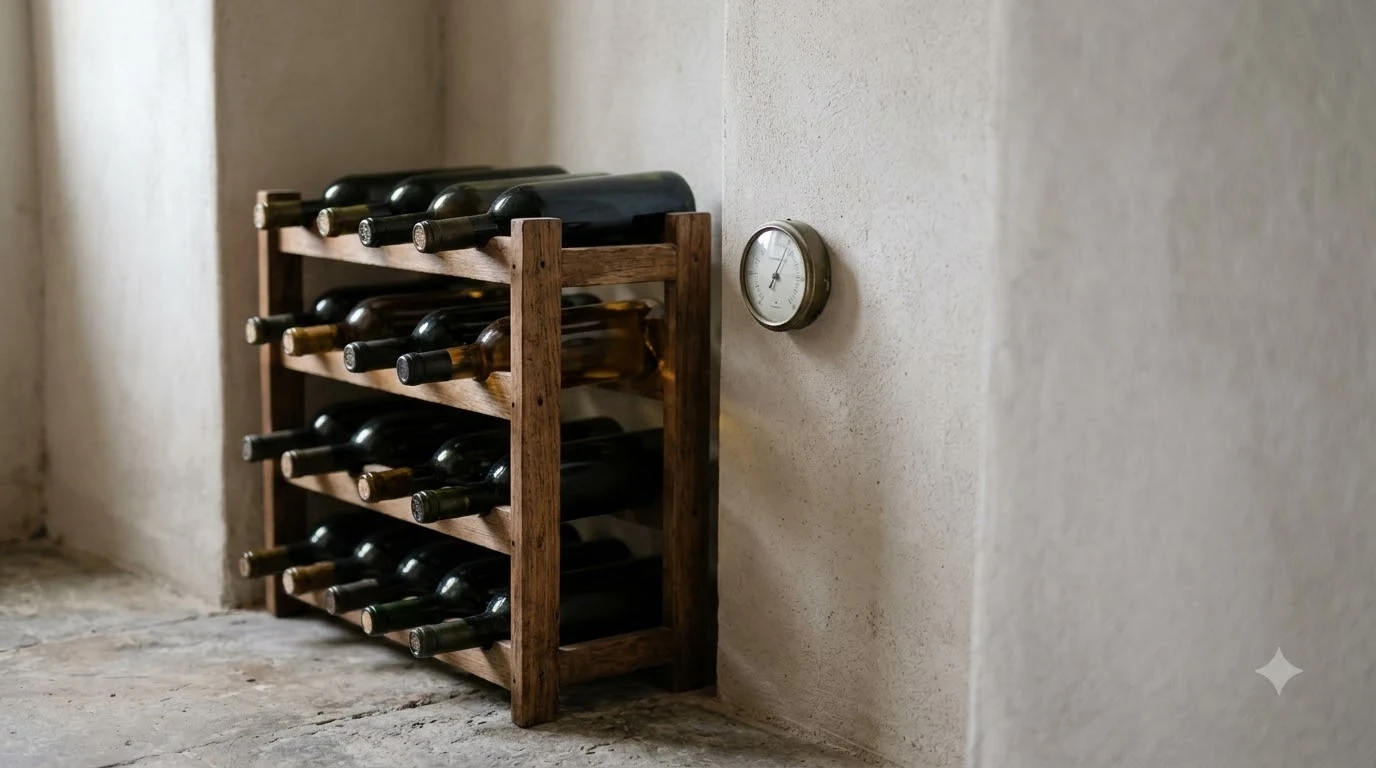
For storage, keep unopened bottles on their side if they have natural cork closures, in a dark place near 55°F with steady conditions and limited vibration. Avoid leaving Cabernet on a kitchen counter, in direct sun, or in a car, where temperature swings can damage the wine. A stable, cool closet can be better than a spot that cycles between hot and cold; keep bottles away from strong odors and vibration. For a gift, avoid leaving the bottle in a warm trunk or direct sun during transport; packaging is not a substitute for temperature control.
For serving, aim for 60–65°F rather than a warm living-room temperature. Excess warmth can exaggerate alcohol, while excess chill can mute aromas and harden tannin. Use a red-wine glass with enough bowl space to swirl a 5 oz pour. A 750 ml bottle provides about five such servings, which is a helpful planning estimate for dinner.
Tip: Open a young, full-bodied Caymus Cabernet 30–60 minutes before serving, then taste it again after 15 minutes in the glass. If the fruit is already expressive and the tannins feel balanced, there is no need to keep decanting it.
Once opened, recork the bottle and refrigerate it. Most still wines keep for about 3–5 days in the refrigerator after opening, though the fruit will gradually fade and the exact window depends on the bottle and storage conditions. Let a remaining portion warm slightly before serving again. For a special older vintage, pour carefully and avoid unnecessary splashing, since extended air exposure can be less helpful to mature wine.
Frequently Asked Questions
These answers cover Caymus family history, the winery’s visitor experience, and wines made under the Caymus-Suisun name. They also clarify how the winery’s name connects to Napa Valley history.
Is Caymus Vineyards still family-owned?
Yes. The winery describes itself as 100% family-owned and run, with the next generation continuing the farming and winemaking operation. Its website names Chuck, Charlie, and Jenny Wagner among the family members carrying on the work.
How long has the Wagner family been connected to Napa winegrowing?
The Wagner family traces its Napa Valley grape-growing and winemaking roots to the 1850s. That family history predates Caymus Vineyards by more than a century and includes several generations of vineyard and winery work.
How long is a seated tasting at Caymus Vineyards?
The winery lists a seated tasting duration of about 1.5 hours in Rutherford. Seated tastings are by appointment, so visitors should arrange a time before arriving rather than assuming walk-in seating is available.
Which wines are featured at Caymus-Suisun?
The winery says its Suisun Valley tasting includes Caymus-Suisun Grand Durif, also known as Petite Sirah, and The Walking Fool Red Blend. The latter is produced mainly from Zinfandel and Petite Sirah grown in Suisun Valley.
Who was associated with the Rancho Caymus land grant?
The Wagner family history identifies Rancho Caymus as a 19th-century Mexican land grant owned by George Yount. Caymus Vineyards took its name from that historical place-name, linking the winery’s name to the local history of Napa Valley.
Caymus is a strong fit for drinkers who want ripe, rich Cabernet with a familiar Napa identity, but its plush style is a matter of preference rather than a universal benchmark. Compare the appellation and bottling name carefully, then match the wine with a substantial meal and a cool serving temperature for the most balanced experience.
More in Wine Brands
 Underwood Wine Price: Compare Bottles, Cans, and Pack SizesUpdated Nov 21, 2026
 Zenato Wine Price: Compare Styles and Choose the Right BottleUpdated Nov 21, 2026
 Zuccardi Wine Price: Compare Bottles and Find the Right RangeUpdated Nov 21, 2026
 Yellow Tail Moscato Review: Taste, Sweetness and Serving TipsUpdated Nov 21, 2026
 Wolf Blass Yellow Label Review: Choose Your Best StyleUpdated Nov 21, 2026
 Wolffer Estate Rose Review: Choose the Right Bottle for Your TableUpdated Nov 21, 2026