


We may earn a commission when you buy through links on this page, at no extra cost to you. Learn more.
Caymus wine comes from Caymus Vineyards, a family-owned Napa Valley winery in Rutherford that is best known for its Cabernet Sauvignon. The winery was founded in 1972 by Chuck Wagner and his parents, and its flagship Special Selection Cabernet is made only in selected vintages. The wines are rich, dark-fruited, and built for aging, though the regular bottling is more approachable when it is young. Caymus also makes a non-varietal sister brand through the Wagner family’s wider portfolio.
Caymus is one of the most recognized names in American red wine, and it often comes up in conversations about Napa Cabernet. Many drinkers know the label but are less sure what sets it apart from other big California reds. This guide covers the winery’s history, its main wines, how to serve them, and which kinds of drinkers tend to enjoy them. If you are looking for the Cabernet itself, the detailed guide to Caymus Cabernet goes deeper into the bottle.
The History Behind Caymus Vineyards
The Wagner family’s connection to the land predates the winery. According to the family’s own account, they farmed grapes on the property for decades and sold the fruit to other producers before deciding to make wine under their own name. The winery was started in 1972 by Chuck Wagner together with his late parents, Lorna and Charlie Wagner Sr. The winery’s own website notes that the first release was 240 cases of Cabernet Sauvignon and that the company is still 100% family-owned and run.
The vineyard was planted with Cabernet Sauvignon in the 1960s, and that choice set the direction for the brand. The estate’s Cabernet became the core of the portfolio, and the family has kept the focus on the grape ever since. Chuck Wagner took over as the winemaker in 2015, and he continues to oversee the wines today. His children now work in the business as well, so the company remains a family operation.
For a neutral summary of the winery’s origins and awards, the Caymus Vineyards entry on Wikipedia gives a concise overview. Sources differ slightly on some early dates, so it helps to check the winery’s own history page when you need an exact year.
The Wines in the Caymus Lineup
The lineup is built around Cabernet Sauvignon. The regular Caymus Cabernet is made every year and is the wine most people buy first. It is ripe and generous, with dark fruit, vanilla, and a plush texture from oak aging. Winemakers usually describe it as a big, easy-drinking Napa Cabernet that can still age for several years.
The Special Selection is the flagship. It is produced only in vintages that the winery considers exceptional, and it is made from barrels set aside for the purpose. Critics often describe it as more concentrated and structured, with a longer aging curve than the regular bottling. Because it is released in fewer years, it can be harder to find and is often sought by collectors.
Caymus also produces smaller amounts of other wines, including a Zinfandel and a Sauvignon Blanc, though these are much less central to the brand’s reputation. Readers who want a sense of the wider family portfolio can look at the broader set of wine brands in our wine brands guide.
| Wine | Main grape | General style | Best for |
|---|---|---|---|
| Caymus Cabernet Sauvignon | Cabernet Sauvignon | Ripe, plush, dark fruit, oak | Everyday special occasions |
| Special Selection Cabernet | Cabernet Sauvignon | Concentrated, structured, long aging | Cellaring and collectors |
| Zinfandel and Sauvignon Blanc | Zinfandel, Sauvignon Blanc | Smaller production, varietal styles | Exploring the wider range |
How Caymus Tastes and What Shapes It
Caymus wines are easy to recognize. The fruit leans toward blackberry, cassis, and ripe plum, with sweet vanilla and toast from French oak. The body is full and the texture is soft, which is why many people find them approachable even at a young age.
The winery sits in Rutherford, a Napa Valley district that is well known for Cabernet, and the vineyard’s own fruit forms the base of the wine. Winemaking choices such as barrel selection, oak toast level, and the length of aging have a large effect on the final style.
Caymus is not a subtle or lean Cabernet. Drinkers who want crisp acidity and a light body usually look to other regions or styles. If you enjoy full, round reds with plenty of fruit and a rich finish, the house style will likely suit you.
How to Serve and Store Caymus Wine
Serving temperature matters with big reds. Most wine educators suggest serving Cabernet a little below room temperature, which keeps the fruit lively and stops the alcohol from feeling hot. A short time in the fridge before serving works well on warm days.
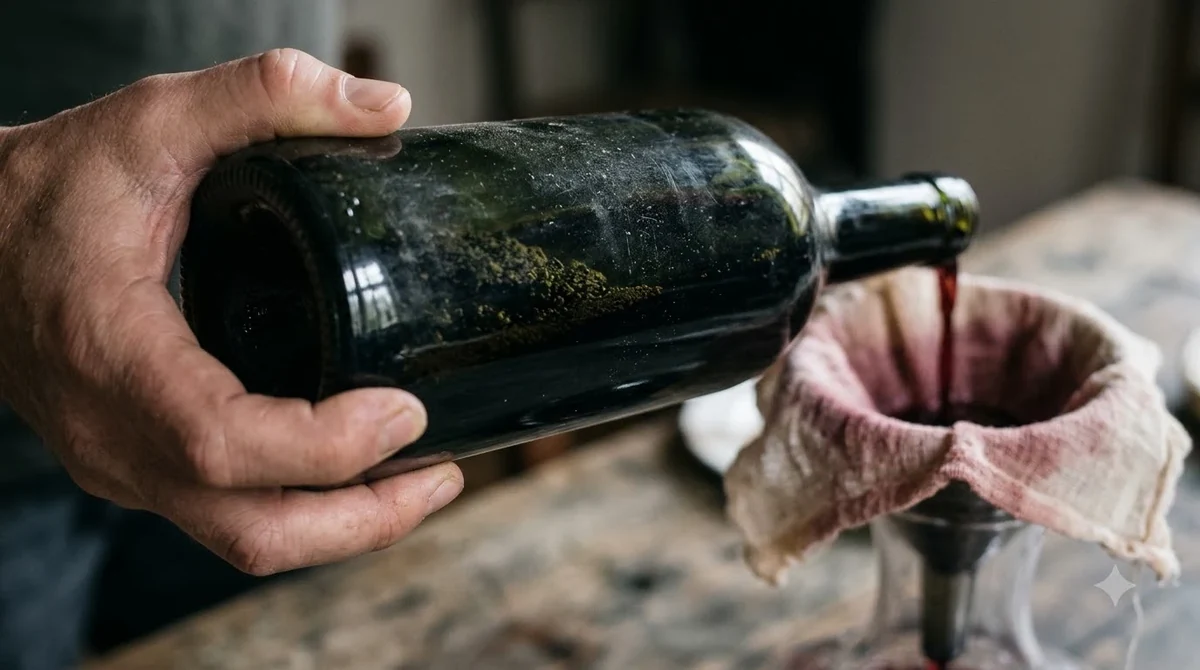
Young bottles benefit from decanting. Pouring the wine into a decanter for a while before serving can soften tannins and let the aromas open. The Special Selection, especially in its early years, often rewards a longer decant. Older bottles should be opened closer to serving time and poured gently to avoid disturbing sediment.
Store bottles on their side in a cool, dark place with steady temperature and humidity. Regular bottles can be enjoyed within a few years of release, while Special Selection vintages usually reward patient cellaring.

Food Pairings with Caymus Cabernet
Rich Cabernet calls for rich food. Grilled steak, especially ribeye or strip, is the classic partner, because the fat and char balance the wine’s tannins. Roasted lamb, braised short ribs, and hearty mushroom dishes also suit the style well.
Lighter meals can work too if you choose a simpler preparation. Aged cheeses such as aged cheddar or Parmigiano-Reggiano pair nicely with the wine’s fruit and oak. Dark chocolate with a high cocoa content is another good match, especially for the Special Selection.
Avoid pairing the wine with delicate fish or light salads, since the tannins and oak can overpower those dishes.
Who Caymus Wine Suits
Caymus is a good fit for people who already enjoy California Cabernet and want a consistent, full-bodied bottle. It is also a useful reference point for anyone learning how Napa Valley Cabernet is styled, since the house style is easy to recognize from one vintage to the next.
Drinkers who prefer leaner, more savory reds might find the style too rich. Those looking for a bright, low-tannin red may prefer a Pinot Noir or a lighter Italian red. If you want something lighter and bubbly for the same table, the La Marca Prosecco guide shows a very different style.
Price and availability can also vary a lot between the regular bottling and the Special Selection, so check current retail listings before buying.
Frequently Asked Questions
Who owns Caymus Vineyards?
Caymus Vineyards is owned by the Wagner family. Chuck Wagner, who co-founded the winery with his parents, still leads the winemaking, and his children work in the business.
What is the difference between Caymus and Special Selection?
The regular Caymus Cabernet is made every year and is designed to be enjoyable young. Special Selection is made only in selected vintages from the best barrels and usually needs more time to show its full character.
Is Caymus wine a good choice for aging?
The regular bottling can age for several years, and Special Selection is built for longer cellaring. Storing bottles in a stable, cool environment helps them develop well over time.
What food goes best with Caymus Cabernet?
Grilled steak, roasted lamb, and braised meats are classic pairings. Aged cheese and dark chocolate also work well, while delicate seafood usually does not suit the wine.
Caymus is a clear example of a Napa Valley family winery that built its reputation on one grape and one consistent style, and it is a useful benchmark for anyone who wants to understand the Cabernet style of the region. Start with the regular Cabernet to learn the house profile, then look for Special Selection if you want a wine built for the cellar. Exploring the rest of the brand list in our wine brands guide will show how the family’s wines fit into the wider California picture.
More in Wine Brands
 Louis Latour Wine Price: Compare Bottles by Style and TierUpdated Nov 20, 2026
 Yellow Tail Moscato Price: What to Expect Before You BuyUpdated Nov 20, 2026
 Sutter Home Sweet Red Review: Find the Right Food PairingsUpdated Nov 20, 2026
 Franzia Chillable Red Review: Find the Right Serving StyleUpdated Nov 20, 2026
 Veuve Clicquot Rose Review: Flavor, Food Pairings and Buying AdviceUpdated Nov 20, 2026
 Rombauer Wine Price: Compare Bottles Before You BuyUpdated Nov 20, 2026