

We may earn a commission when you buy through links on this page, at no extra cost to you. Learn more.
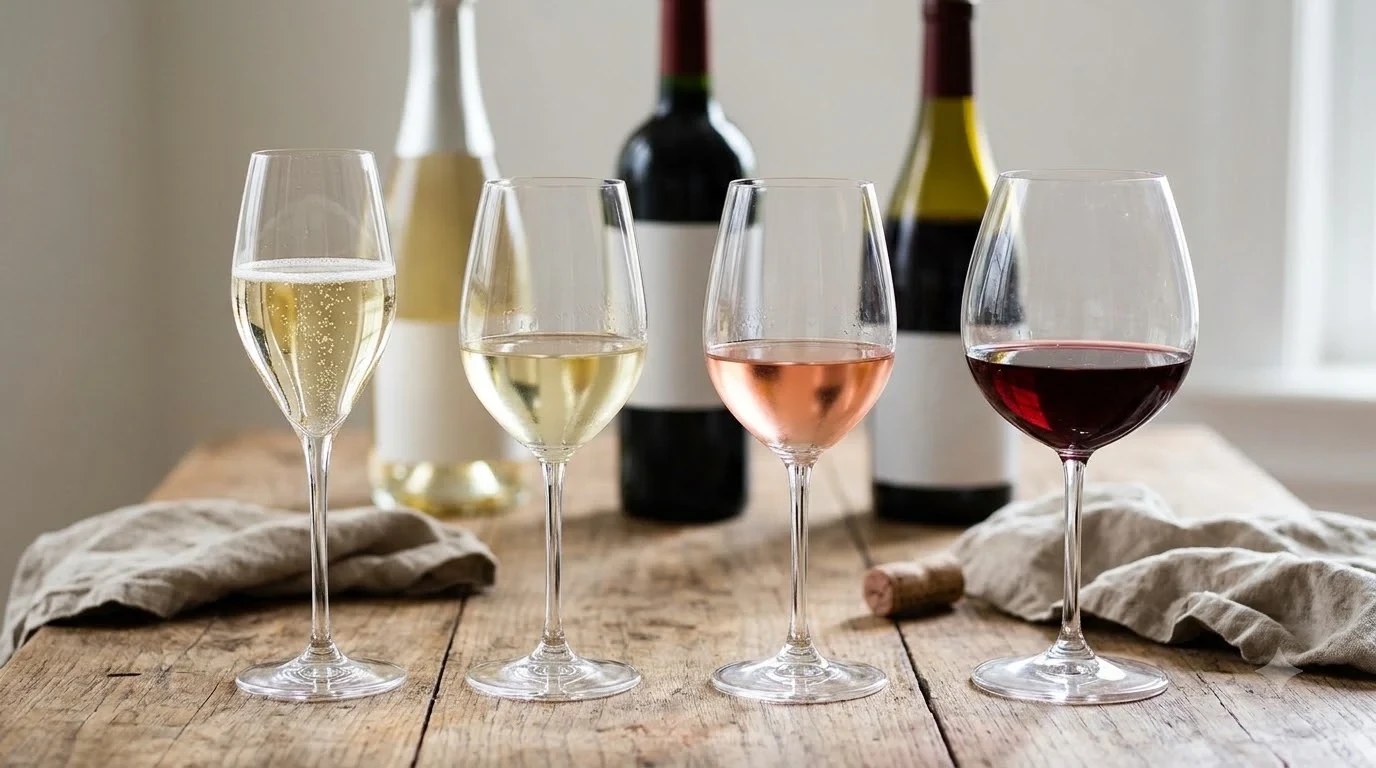
Caymus red wine is a Napa Valley Cabernet Sauvignon from a family-owned winery in Rutherford, and its best-known bottles are dark, concentrated and built to age. Caymus was opened in 1972 and remains 100 percent family-owned and run. The winery’s core red is Cabernet Sauvignon grown on the valley floor and surrounding mountains. This guide explains what Caymus red wine tastes like, how to serve it and which dishes bring out its best.
Caymus is one of the most recognizable names in Napa Valley red wine, and its bottles often come up when people ask for a reliable Cabernet to bring to a dinner or keep in the cellar. The style is rich and fruit-driven, so it rewards a few simple habits around serving temperature, decanting and food.
Who makes Caymus red wine
Caymus Vineyards opened in 1972 with 240 cases of Cabernet Sauvignon. The winery was founded by Chuck Wagner and his late parents, Lorna and Charlie Wagner Sr. According to the winery’s official website, it remains 100 percent family-owned and run, and the next generation, Charlie and Jenny Wagner, now carries on the operation.
The winery is located in Rutherford, in the center of Napa Valley. Its main production is Cabernet Sauvignon grown on low-fertility soils, both on the valley floor and in the surrounding mountains. That mix of sites is one reason the winery’s red can show both ripe fruit and structure.
The company’s Suisun Valley project, Caymus-Suisun, is a separate winery that the site links to. It is not the same as the Napa Valley red that most drinkers look for when they search for Caymus red wine, so check the label region before you buy.
What Caymus red wine tastes like
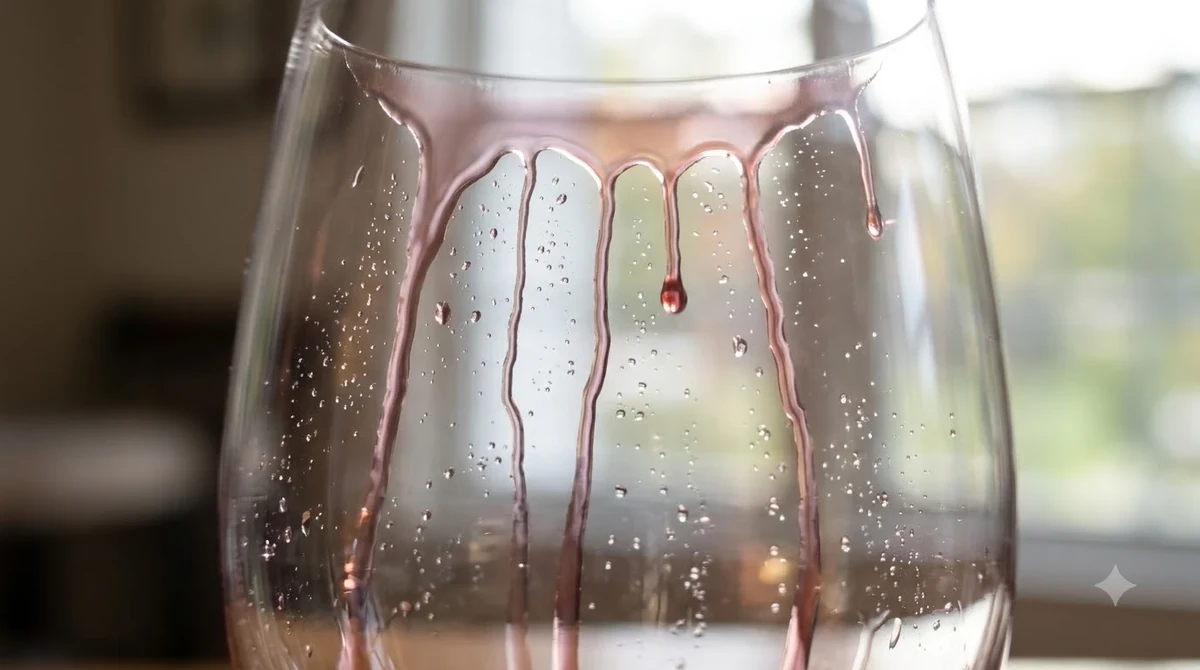
The core wine is Cabernet Sauvignon, which the winery describes as dark, concentrated and fruit-driven, with enough tannin and structure to age. In practice, that means dark berry and plum flavors, a firm texture and a finish that stays with the palate. The wine is generally full, so it feels substantial in the glass.
The winery also makes a Special Selection bottling. Each year, the best barrels of Napa Valley Cabernet Sauvignon are set aside for it, and it is produced in smaller quantities. Because the wine is a selection from the top barrels, it is usually the bottle to pick when you want a more concentrated expression of the same vineyard sources.
Conundrum is listed on the winery’s site as a sister brand. The site links to it but does not describe the style, so it is not covered in detail here. If you are comparing Caymus with a blend, check the bottle to confirm whether it is a Cabernet or a different style.
| Caymus red | What it is | What to expect |
|---|---|---|
| Napa Valley Cabernet Sauvignon | Core red from Rutherford and the valley | Dark fruit, firm tannin, aging potential |
| Special Selection | Top barrels set aside each year | Smaller production, more concentrated style |
| Caymus-Suisun | Separate winery in Suisun Valley | Check the label, not the Napa style |
Tip: Read the label for the appellation. A Napa Valley designation is the one most people mean when they search for Caymus red wine.
How to serve Caymus red wine
Cabernet Sauvignon is best served slightly cool rather than warm from the room. Wine Folly’s grape profile recommends a serving temperature of about 60 to 68 degrees Fahrenheit, so a short time in a cool room or a few minutes in the refrigerator is usually enough before pouring.
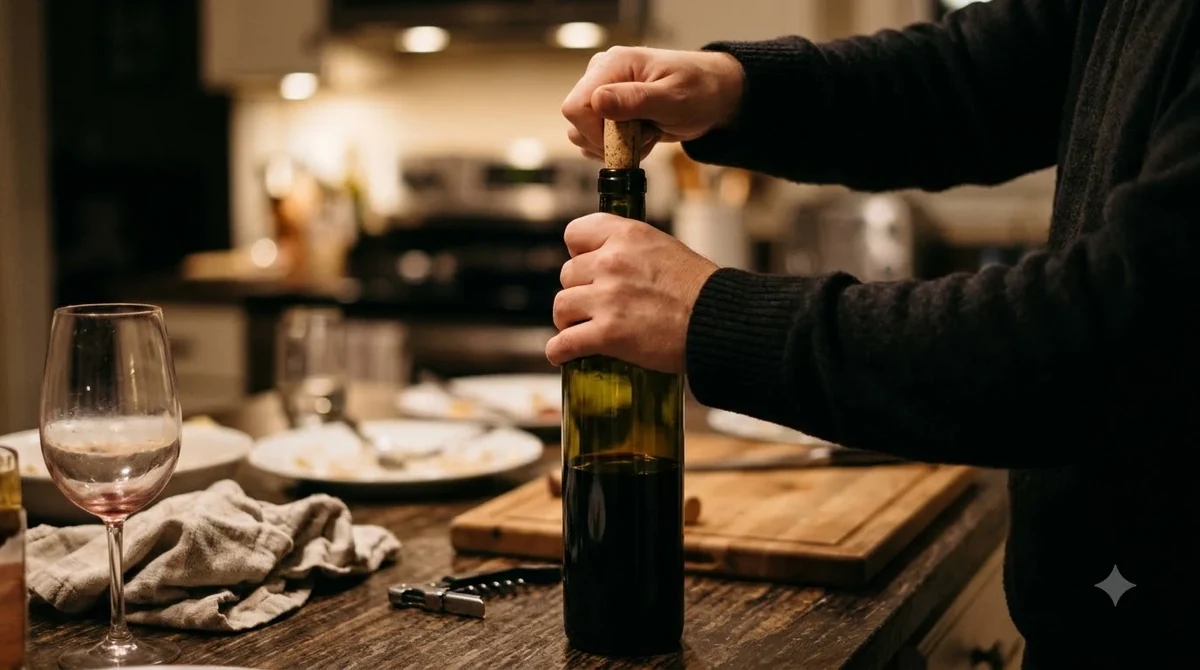
The same source suggests decanting for about an hour before serving, and an oversized glass that gives the aromas room to develop. Decanting helps soften the tannin in a young Cabernet and lets the fruit open up. For a bottle that has been sitting for years, a shorter decant is often enough, since older wine can fall apart if it is over-aerated.
Keep the bottle upright before serving to limit sediment in older vintages, and pour slowly into the decanter so the wine stays clear. Once opened, a full-bodied red keeps its shape for a day or two when sealed and stored cool.
Food pairings for Caymus red wine
Cabernet Sauvignon’s rich flavor and high tannin content make it a good partner for grilled meats, peppery sauces and boldly flavored dishes. Steak, roast lamb and grilled ribs are classic matches, because the tannin cuts through fat and the dark fruit balances smoky char.
Rich, savory dishes also work well. A braised short rib, a mushroom and beef stew or a roast with a red wine reduction gives the wine enough body to stand next to it. Aged hard cheeses are another reliable choice for a glass of Caymus at the end of a meal.
When you plan the menu, think about the sauce as well as the cut of meat. A peppercorn or red wine sauce echoes the structure of the wine, while a sweet barbecue glaze can push the fruit toward jam-like flavors. A simple herb rub or a dry spice blend usually lets the Cabernet show its own character.
Avoid very delicate fish or light salads with a full Cabernet, since the tannin can overwhelm them. If you are serving a lighter course, pour a white or a lighter red and save the Caymus for the main dish.
How to choose and age a Caymus red
When you choose a bottle, check the vintage and the style first. The standard Napa Valley Cabernet is the most versatile for everyday dinners and special meals. The Special Selection is the choice when you want a more concentrated, limited-release wine, and it is the bottle to consider for a celebration or a gift.
Cabernet Sauvignon from a structured producer like this can age well. Wine Folly suggests cellaring Cabernet for 10 years or more. If you plan to keep a bottle, store it on its side in a cool, dark place with a steady temperature, and check the vintage guidance from the producer or a reputable wine shop before opening it.
If you are buying for a dinner rather than a cellar, a younger bottle is usually easier to enjoy. It will be fruitier and more forward, while an older bottle will show more savory, earthy notes. Both styles reward patience and proper serving.
For a broader view of Cabernet from a different producer, our Caymus Suisun wine guide covers the separate Suisun Valley project, and our Spottswoode wine page describes another Napa producer. For more context on how brands compare, see our wine brands guide.
Frequently Asked Questions
Is Caymus red wine a Cabernet Sauvignon?
The core red from the Napa Valley estate is Cabernet Sauvignon, which the winery describes as dark, concentrated and fruit-driven. The Special Selection is a selection of the best barrels of that same Cabernet.
Where is Caymus wine made?
The winery is in Rutherford, in the center of Napa Valley. Its main Cabernet comes from vineyards on the valley floor and in the surrounding mountains.
Should I decant Caymus Cabernet?
Decanting is recommended for young Cabernet, and Wine Folly suggests about an hour. For an older bottle, a shorter decant is often better so the wine does not fade.
How long can Caymus red wine age?
Wine Folly suggests cellaring Cabernet Sauvignon for 10 years or more. Store the bottle in a cool, dark place with a steady temperature.
Caymus red wine is a good choice when you want a full, structured Napa Cabernet with clear fruit and enough tannin to age. Serve it slightly cool, decant if the bottle is young, and pair it with grilled or rich savory food. Check the label for the region and the bottling so you know exactly which style you are buying.
More in Wine Brands
 Underwood Wine Price: Compare Bottles, Cans, and Pack SizesUpdated Nov 21, 2026
 Zenato Wine Price: Compare Styles and Choose the Right BottleUpdated Nov 21, 2026
 Zuccardi Wine Price: Compare Bottles and Find the Right RangeUpdated Nov 21, 2026
 Yellow Tail Moscato Review: Taste, Sweetness and Serving TipsUpdated Nov 21, 2026
 Wolf Blass Yellow Label Review: Choose Your Best StyleUpdated Nov 21, 2026
 Wolffer Estate Rose Review: Choose the Right Bottle for Your TableUpdated Nov 21, 2026